


Hyperbaric chamber pressure refers to the controlled increase in air pressure inside a chamber to help the body absorb more oxygen efficiently. This pressure level directly affects how oxygen dissolves into your bloodstream and tissues, making it essential for safe and effective hyperbaric oxygen therapy.
Understanding how pressure works, why it matters, and which level is right for your needs helps you get real results without unnecessary risk.
Understanding Hyperbaric Chamber Pressure

Hyperbaric oxygen therapy relies on pressure as much as it relies on oxygen. While many people focus on oxygen purity, pressure is what allows oxygen to dissolve deeply into blood plasma and reach areas that normal breathing cannot.
At its core, hyperbaric therapy involves breathing oxygen while inside a sealed chamber where the pressure is higher than normal atmospheric pressure. This change allows your lungs to take in more oxygen per breath, which then circulates throughout the body.
What Hyperbaric Pressure Means in Simple Terms
Pressure is measured relative to normal atmospheric pressure at sea level, which is 1 ATA (atmospheres absolute). When you enter a hyperbaric chamber, the pressure is increased above this baseline.
Think of it like diving underwater. As you go deeper, pressure increases, and the same concept applies inside a hyperbaric chamber. The difference is that the chamber allows precise control over pressure levels for therapeutic purposes.
This increased pressure allows oxygen to dissolve directly into plasma rather than relying only on red blood cells. That extra dissolved oxygen is what supports healing, reduces inflammation, and improves cellular function.
Why Pressure Matters More Than People Realize
Without increased pressure, oxygen therapy would not be nearly as effective. Simply breathing oxygen at normal pressure limits how much oxygen your body can actually use.
Pressure allows oxygen to bypass damaged or poorly functioning circulation and reach tissues that are inflamed, injured, or oxygen-starved. This is why hyperbaric therapy is used in both medical and wellness settings.
Pressure also determines comfort, safety, and effectiveness. Too little pressure may not provide meaningful benefits, while too much pressure without proper supervision can cause discomfort or ear issues.
How Hyperbaric Chamber Pressure Works With Oxygen

Pressure and oxygen work together as a system. Oxygen alone does not produce the therapeutic effects associated with hyperbaric therapy unless pressure is involved.
The Science Behind Oxygen Absorption
Under normal conditions, oxygen binds to hemoglobin in red blood cells. There is a natural limit to how much oxygen hemoglobin can carry.
When pressure increases, oxygen dissolves directly into the plasma, lymphatic fluid, and cerebrospinal fluid. This allows oxygen to reach areas that red blood cells cannot access easily, such as damaged tissues or areas with poor circulation.
This process increases oxygen availability at the cellular level, supporting tissue repair, collagen production, and reduced swelling.
Pressure Levels vs Oxygen Delivery
Different pressure levels change how much oxygen reaches tissues. Mild pressures are commonly used for wellness and recovery, while higher pressures are typically reserved for medical-grade treatments.
The key is balance. The right pressure level delivers enough oxygen to create benefits while maintaining comfort and safety.
Hyperbaric Collections You May Want to Shop

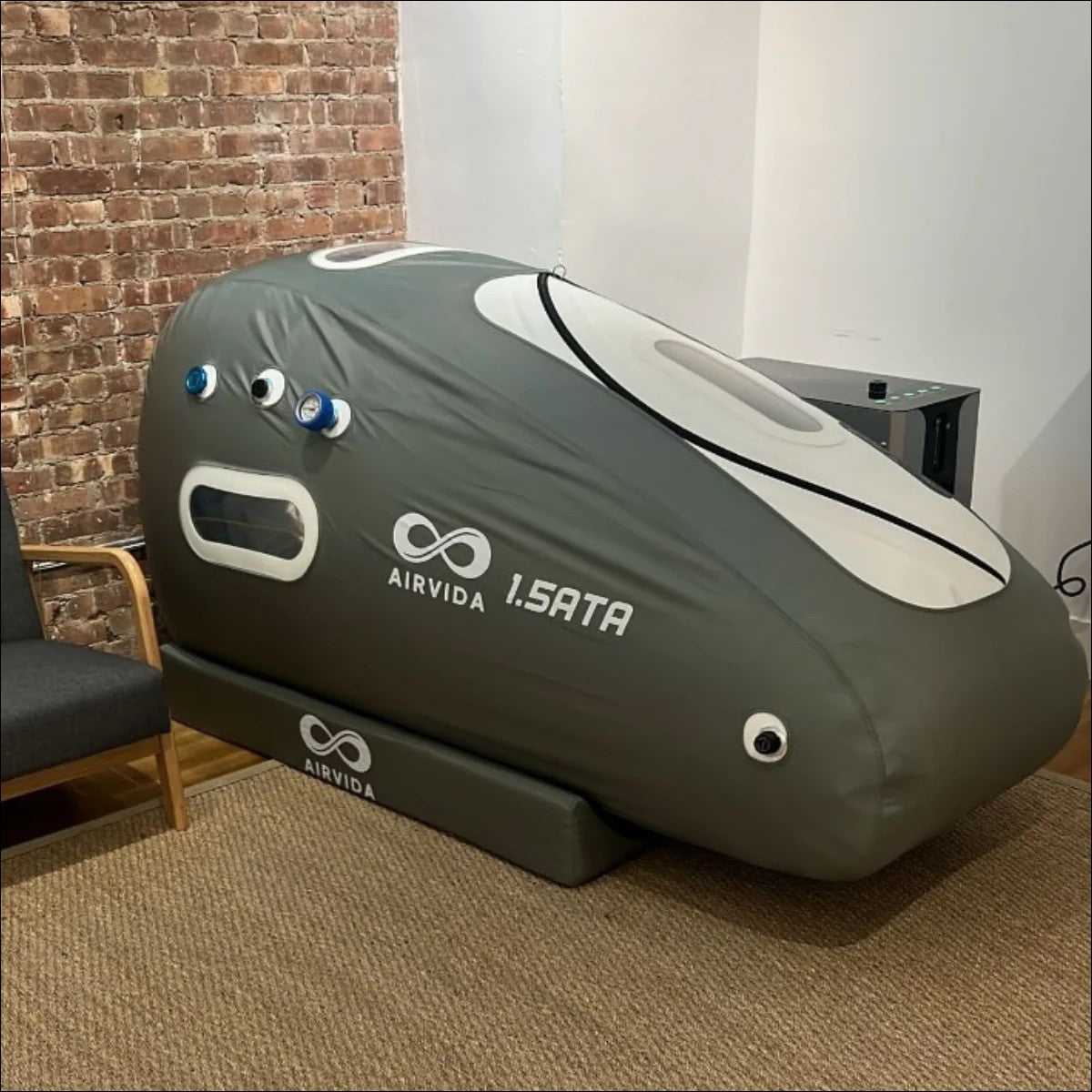
Common Hyperbaric Chamber Pressure Levels Explained
Hyperbaric chambers are not one-size-fits-all. Pressure levels vary depending on the type of chamber and the intended use.
Mild Hyperbaric Chambers
Mild chambers usually operate between 1.3 ATA and 1.5 ATA. These are commonly used in home or wellness settings.
They provide noticeable benefits such as improved recovery, reduced inflammation, and better energy levels. These pressures are generally well tolerated and do not require clinical supervision.
Mild chambers typically use concentrated oxygen rather than pure oxygen, relying on pressure to enhance absorption.
Medical-Grade Hyperbaric Chambers
Medical chambers operate at higher pressures, usually between 2.0 ATA and 3.0 ATA. These are used in hospitals and clinics for specific medical conditions.
Higher pressures allow for significantly greater oxygen delivery but require trained supervision due to increased risk of barotrauma or oxygen toxicity. These chambers are often used for wound healing, radiation injury, and serious infections.
PSI vs ATA: Understanding Pressure Measurements
Pressure inside hyperbaric chambers may be discussed in PSI or ATA, which can be confusing for new users.
What Is PSI?
PSI stands for pounds per square inch. It measures pressure relative to atmospheric pressure. As pressure increases in a chamber, PSI increases accordingly. PSI is often used in technical specifications and equipment descriptions.
What Is ATA?
ATA refers to atmospheres absolute and is more commonly used in medical and therapeutic contexts. One ATA equals normal atmospheric pressure at sea level.
For example:
-
1.3 ATA equals roughly 4.4 PSI above normal pressure
-
1.5 ATA equals roughly 7.3 PSI above normal pressure
Both measurements describe the same pressure but in different units.
Which Hyperbaric Chamber Pressure Is Best?
Choosing the right pressure depends on your goals, experience level, and whether the chamber is for personal or clinical use.
Pressure for Wellness and Recovery
For general wellness, athletic recovery, cognitive support, and inflammation reduction, mild pressure levels are often sufficient.
Most users find consistent benefits at lower pressures without the discomfort that can come with higher levels.
If your goal is regular use at home, mild pressure chambers offer a practical balance of effectiveness and comfort.
You can explore available options through hyperbaric oxygen therapy collections in St. Johns County and Mount Vernon, WA, where mild and professional-grade solutions are commonly used.
Pressure for Medical Applications
Higher pressure levels are appropriate for serious medical conditions and should only be used under professional supervision.
These pressures provide aggressive oxygen delivery and are tailored to specific diagnoses rather than general wellness.
Safety Considerations With Hyperbaric Pressure

Pressure changes affect the body, especially the ears and sinuses. Understanding safety basics ensures a comfortable experience.
Equalizing Pressure
As pressure increases, users may feel fullness in the ears similar to flying or diving. Simple techniques like swallowing or yawning help equalize pressure. Chambers are designed to increase pressure gradually to minimize discomfort.
Monitoring Comfort Levels
Pressure should never feel painful. Mild discomfort that resolves with equalization is normal, but pain indicates the need to slow down or stop the session. Listening to your body is essential for safe use.
Pressure and Session Duration
Pressure level influences how long a session lasts. Lower pressures often allow longer sessions, while higher pressures may require shorter durations.
Typical Session Times
Mild hyperbaric sessions often last 60 to 90 minutes. This duration allows enough oxygen exposure for cumulative benefits. Higher-pressure sessions may be shorter due to increased oxygen delivery. Consistency matters more than intensity for most users.
How Pressure Supports Recovery and Performance
Hyperbaric pressure is widely used by athletes, fitness enthusiasts, and individuals focused on longevity.
Pressure-enhanced oxygen supports muscle recovery, reduces delayed onset muscle soreness, and improves energy production.
Those combining movement with oxygen therapy often see enhanced results, especially when integrated with structured routines like Exercise With Oxygen Therapy and Hyperbaric Oxygen Therapy CPT Code.
Practical Tips for Choosing a Pressure Level
Choosing a pressure level is not about going as high as possible. It is about finding what works consistently. Consider your goals, experience, and comfort. Mild pressures are ideal for frequent use and long-term wellness. Higher pressures should be reserved for clinical settings or specific medical needs.
Comparison Table: Mild vs Medical Hyperbaric Pressure
|
Feature |
Mild Hyperbaric Chambers |
Medical Hyperbaric Chambers |
|
Pressure Range |
1.3 to 1.5 ATA |
2.0 to 3.0 ATA |
|
Typical Setting |
Home or wellness center |
Hospital or clinic |
|
Oxygen Type |
Concentrated oxygen |
100 percent oxygen |
|
Supervision Needed |
No |
Yes |
|
Best For |
Recovery, wellness, performance |
Medical treatment |
Pressure Effects on Different Use Cases
Pressure impacts how hyperbaric therapy fits into daily life.
For athletes, lower pressures allow frequent sessions without fatigue. For individuals managing chronic inflammation, consistency at mild pressure often produces sustainable results.
Clinical pressures are more targeted and less frequent due to intensity.
Pressure Selection Checklist
-
Goal clarity
-
Comfort with pressure changes
-
Frequency of use
-
Access to supervision if needed
Making informed choices leads to better outcomes and safer experiences.
Hyperbaric Chambers You May Want to Shop
Explore More


Real-World Example: Pressure in Daily Use
Many users start at the lowest available pressure and gradually adjust based on comfort and results. This gradual approach helps the body adapt while maintaining consistent oxygen benefits.
Practical Insights for First-Time Users
Start slow. Stay consistent. Focus on how your body responds rather than chasing numbers.
Pressure is a tool, not a competition.
Summary Table: Pressure, Comfort, and Use
|
Pressure Level |
Comfort |
Frequency |
Typical Users |
|
1.3 ATA |
Very high |
Daily |
Wellness users |
|
1.5 ATA |
High |
Several times per week |
Athletes |
|
2.0 ATA+ |
Moderate |
Prescribed |
Medical patients |
Final Thoughts on Hyperbaric Chamber Pressure
Understanding hyperbaric chamber pressure allows you to make informed, confident decisions about oxygen therapy. Pressure determines how oxygen reaches your body, how comfortable sessions feel, and how effective results can be over time.
When chosen correctly, pressure becomes a powerful ally in recovery, performance, and long-term wellness.
Frequently Asked Questions
What psi should a hyperbaric chamber be?
The ideal PSI depends on the chamber type and intended use. Mild hyperbaric chambers typically operate around 4 to 7 PSI above normal atmospheric pressure, which corresponds to 1.3 to 1.5 ATA. These levels are commonly used for wellness, recovery, and regular at-home sessions because they provide effective oxygen absorption while remaining comfortable. Medical-grade chambers use higher PSI levels under professional supervision for specific treatments.
Are hyperbaric chambers high or low pressure?
Hyperbaric chambers use pressure higher than normal atmospheric pressure. Even mild hyperbaric chambers increase pressure above sea level conditions, which is what allows oxygen to dissolve more efficiently into the bloodstream. While mild chambers use relatively low increases compared to medical chambers, they are still considered higher-pressure environments compared to normal air conditions.
What is hyperbaric pressure used for?
Hyperbaric pressure is used to increase oxygen delivery throughout the body. The added pressure allows oxygen to dissolve directly into plasma, helping it reach tissues with limited blood flow. This process supports healing, reduces inflammation, enhances recovery, and improves cellular energy production. It is used in both medical treatments and wellness-focused oxygen therapy programs.
Do hyperbaric chambers use 100% oxygen?
Not all hyperbaric chambers use 100% oxygen. Medical-grade chambers typically deliver pure oxygen at higher pressures, while mild hyperbaric chambers usually use concentrated oxygen combined with increased pressure. Both approaches rely on pressure to enhance oxygen absorption, but the oxygen concentration varies depending on the chamber type and application.