


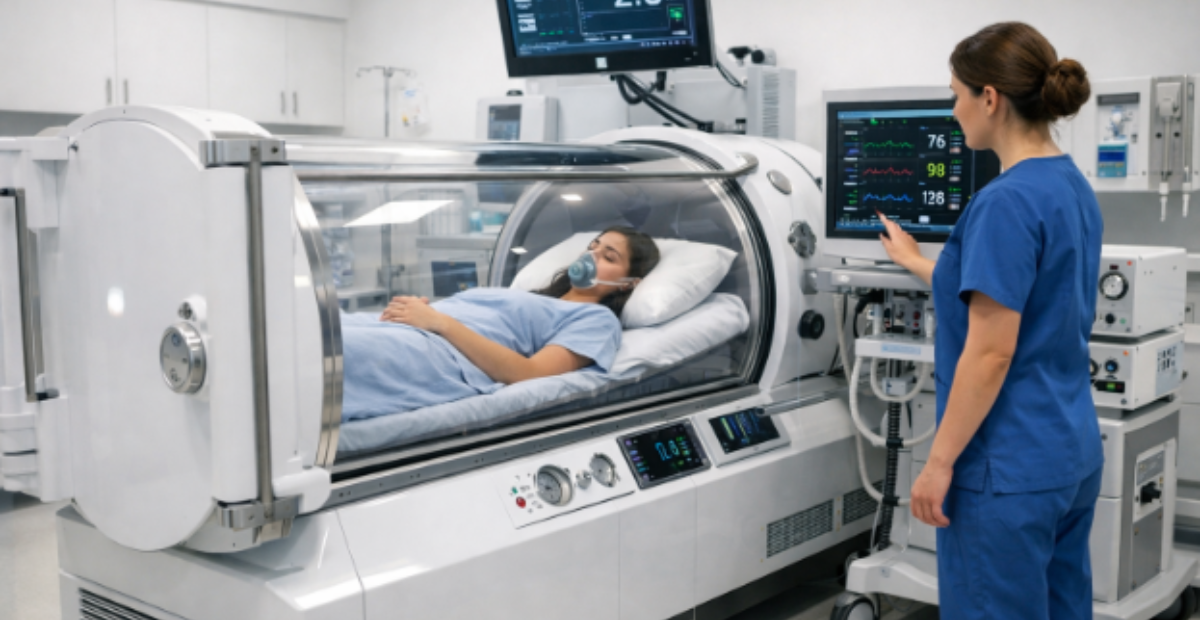
Hyperbaric CO poison treatment delivers 100% oxygen at increased atmospheric pressure to quickly remove carbon monoxide from your bloodstream. This therapy can reduce treatment time from hours to minutes and significantly lower the risk of delayed neurological complications that affect up to 40% of CO poisoning survivors.
Carbon monoxide poisoning sends over 50,000 people to emergency rooms each year in the United States alone. The colorless, odorless gas binds to hemoglobin 200 times more readily than oxygen, starving your brain and organs of the oxygen they need to function. Without proper treatment, survivors often face memory problems, personality changes, and movement disorders that can last months or even become permanent.
Understanding how hyperbaric oxygen therapy works for CO poisoning can help you recognize when this treatment is necessary and what to expect during recovery. Whether you're exploring options for emergency treatment or considering home hyperbaric chambers for recovery support, knowing the science behind this therapy empowers better health decisions.
Hyperbaric Collections You May Want to Shop

What Is Hyperbaric CO Poison Treatment
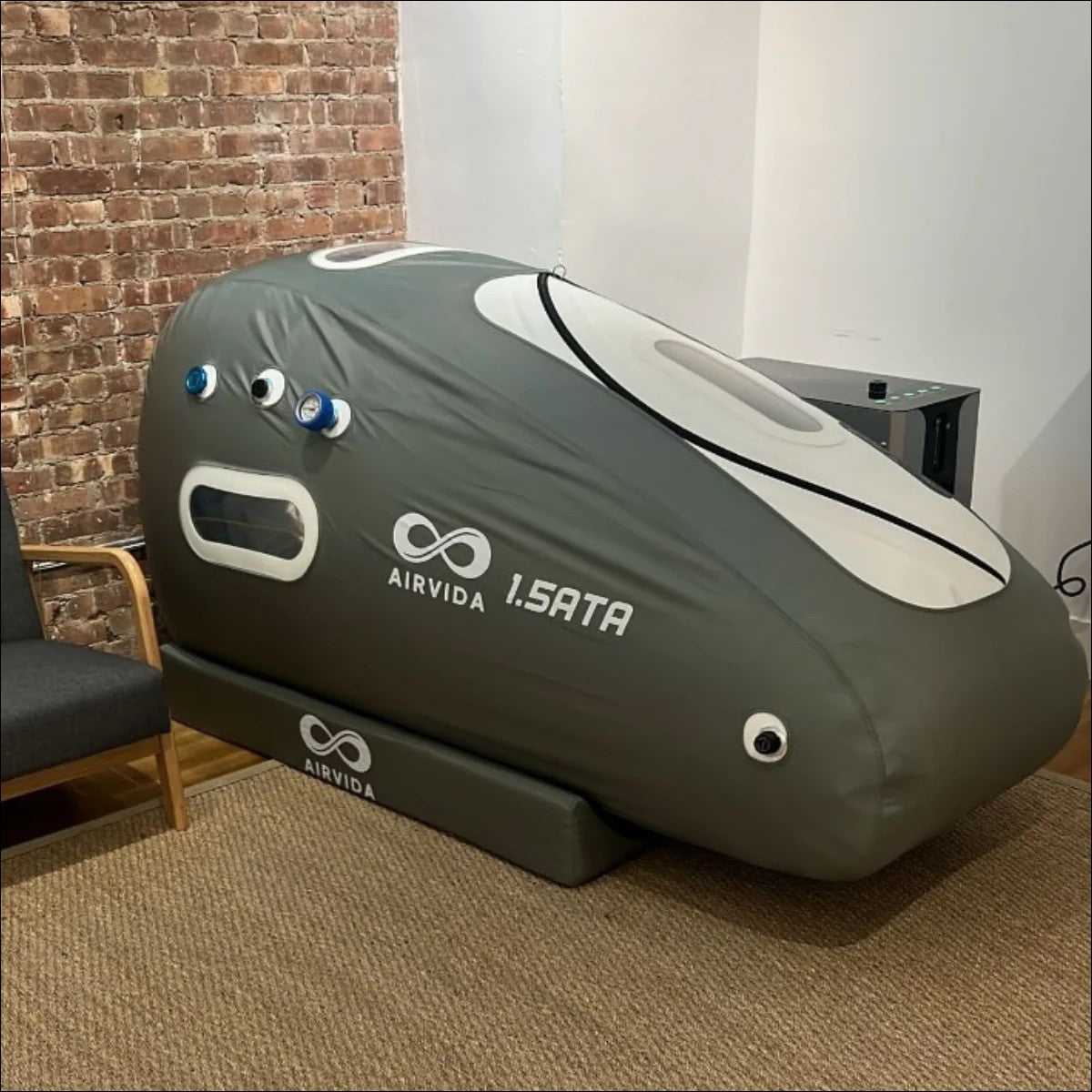
Hyperbaric CO poison treatment involves breathing pure oxygen inside a pressurized chamber, typically at 2.5 to 3 times normal atmospheric pressure. This combination accelerates the elimination of carbon monoxide from your body while delivering oxygen directly to tissues that have been starved of it.
How Carbon Monoxide Affects Your Body

When you breathe in carbon monoxide, it immediately enters your bloodstream through your lungs. The gas attaches to hemoglobin molecules in your red blood cells, forming a compound called carboxyhemoglobin that prevents oxygen from reaching your tissues.
Your brain and heart are especially vulnerable because they need constant oxygen to function properly. Even mild CO exposure can cause headaches, dizziness, and confusion. Higher levels lead to loss of consciousness, permanent brain damage, or death.
The half-life of carbon monoxide in your blood is about 5 hours when breathing regular air. This means it takes 5 hours for your body to eliminate half of the CO in your system naturally. With standard oxygen therapy at normal pressure, this drops to about 90 minutes. But with hyperbaric treatment, the half-life shrinks to just 20-30 minutes.
Why Standard Oxygen Therapy Is Not Always Enough
Regular oxygen therapy through a mask or nasal cannula helps, but it cannot reach tissues with severely reduced blood flow. Carbon monoxide also damages cells directly, causing inflammation and oxidation that continues even after CO levels drop.
Standard treatment only addresses the immediate removal of carbon monoxide. It does not prevent the delayed neurological problems that appear days or weeks after exposure in many patients. These complications can include memory loss, difficulty concentrating, mood changes, and coordination problems.
Hyperbaric oxygen penetrates areas with poor circulation and helps repair cellular damage at a molecular level. The increased pressure forces oxygen into plasma, cerebrospinal fluid, and other body fluids, bypassing the damaged hemoglobin system entirely.
When Hyperbaric CO Poison Treatment Is Recommended
Medical guidelines specify certain situations where hyperbaric treatment becomes the standard of care rather than an optional therapy. Recognizing these criteria can speed up proper treatment and improve outcomes.
Medical Criteria for HBOT in CO Poisoning
Doctors recommend hyperbaric oxygen for carbon monoxide poisoning based on specific clinical indicators:
Severe Exposure Indicators:
-
Carboxyhemoglobin levels above 25% (or above 15-20% in pregnant women)
-
Loss of consciousness at any point during exposure
-
Neurological symptoms like confusion, memory problems, or vision changes
-
Cardiovascular issues including chest pain or abnormal heart rhythms
-
Metabolic acidosis shown in blood tests
Patient-Specific Factors:
-
Pregnancy at any stage with CO exposure
-
Age over 60 or under 6 years old
-
Pre-existing heart or lung conditions
-
Prolonged exposure time (more than 4-6 hours)
Even patients with lower carboxyhemoglobin levels may need treatment if they show signs of organ dysfunction or neurological impairment. The presence of symptoms matters more than the exact CO level in many cases.
Timing and Treatment Windows
The effectiveness of hyperbaric CO poison treatment depends heavily on how quickly it starts after exposure. Research shows the best outcomes occur when treatment begins within 6 hours of removing the patient from the CO source.
However, some studies indicate benefits even when treatment starts 12-24 hours after exposure, especially for preventing delayed neurological complications. Patients showing new symptoms days after exposure may still benefit from hyperbaric therapy.
Most protocols call for 1-3 treatment sessions, depending on severity. Each session typically lasts 90-120 minutes at 2.5-3 atmospheres absolute (ATA) pressure. Some patients need additional sessions if symptoms persist or worsen after initial treatment.
The Hyperbaric Treatment Process for CO Poisoning
Understanding what happens during treatment helps reduce anxiety and ensures you know what to expect at each stage of care.
What Happens During a Treatment Session

When you arrive for hyperbaric CO poison treatment, medical staff first assess your vital signs and symptoms. They remove any items that could cause problems under pressure, including certain medications, lighters, and battery-operated devices.
You enter a clear acrylic chamber that allows staff to monitor you constantly. For emergencies, some facilities use multiplace chambers where medical personnel can accompany you inside. The chamber slowly pressurizes over 10-15 minutes while you breathe 100% oxygen through a mask or hood.
During pressurization, your ears may feel full or pop, similar to flying in an airplane. Staff teach you techniques like yawning, swallowing, or gently blowing with your nose pinched to equalize pressure. The treatment portion lasts 60-90 minutes at maximum pressure.
Depressurization happens gradually over 15-20 minutes to prevent complications. Throughout the entire process, you can communicate with staff through an intercom system. Most patients find the experience relaxing once they adjust to the sensation.
Monitoring and Safety Protocols
Medical teams continuously track several vital parameters during treatment:
Physical Monitoring:
-
Blood pressure and heart rate every 15 minutes
-
Oxygen saturation levels
-
Neurological status through regular checks
-
Respiratory rate and breathing patterns
Safety Measures:
-
Fire prevention through strict protocols (oxygen supports combustion)
-
Pressure monitoring systems with automatic safety valves
-
Multiple oxygen supply sources
-
Emergency decompression capabilities
Patients with severe poisoning may need additional IV fluids, medications to control seizures, or mechanical ventilation during treatment. The chamber can accommodate this equipment safely.
For those considering long-term recovery support, exploring options like our hyperbaric chamber bed collection can provide continued healing benefits at home after emergency treatment.
Hyperbaric Chambers You May Want to Shop
Explore More


Benefits and Expected Outcomes
The advantages of hyperbaric therapy for carbon monoxide poisoning extend beyond simple CO removal, addressing both immediate dangers and long-term complications.
Immediate Benefits During Treatment
Hyperbaric oxygen produces several rapid effects that stabilize patients:
-
Faster CO Elimination: Reduces half-life from 5 hours to 20-30 minutes
-
Improved Tissue Oxygenation: Delivers oxygen to damaged areas through plasma
-
Reduced Brain Swelling: Decreases cerebral edema that worsens outcomes
-
Better Cellular Energy Production: Restores ATP levels in oxygen-starved cells
Patients often notice symptom improvement during or immediately after the first session. Headaches diminish, mental clarity improves, and coordination returns. However, feeling better does not mean treatment is complete, as cellular damage continues at a molecular level.
Long-Term Protection Against Complications
The most significant benefit of hyperbaric CO poison treatment is preventing delayed neurological sequelae (DNS). This condition affects 15-40% of CO poisoning patients who receive only standard oxygen therapy.
DNS symptoms appear 3-240 days after exposure and include:
-
Memory and concentration problems
-
Personality changes or mood disorders
-
Movement difficulties or tremors
-
Incontinence
-
Dementia-like symptoms
Studies show hyperbaric therapy reduces DNS risk by 46-78% compared to standard treatment. The therapy appears to prevent the oxidative stress and inflammatory cascades that cause these delayed problems.
Patients with cardiovascular complications also benefit from reduced heart muscle damage and faster recovery of cardiac function. The treatment helps prevent arrhythmias and reduces the risk of heart attacks in the weeks following poisoning.
Comparing Treatment Options for CO Poisoning
Different treatment approaches offer varying levels of effectiveness based on severity and patient factors. Understanding these options helps inform medical decisions.
|
Treatment Type |
CO Half-Life |
DNS Prevention |
Best For |
Availability |
|
Room Air |
5 hours |
Limited |
Mild cases only |
Universal |
|
Standard Oxygen (100%) |
60-90 minutes |
Moderate |
Mild-moderate cases |
Most hospitals |
|
Hyperbaric Oxygen |
20-30 minutes |
Strong |
Moderate-severe cases |
Specialized centers |
|
Combination Therapy |
Varies |
Best outcomes |
Complex cases |
Advanced facilities |
Standard Oxygen vs. Hyperbaric Treatment
Regular oxygen therapy through masks or nasal cannulas remains the first-line treatment for mild CO poisoning without complications. It works well when carboxyhemoglobin levels stay below 15% and patients show no neurological symptoms.
The advantages of standard oxygen include immediate availability in any emergency room and no special equipment requirements. However, it cannot prevent delayed complications as effectively as hyperbaric treatment.
Hyperbaric therapy costs more and requires transfer to specialized facilities, but it offers superior outcomes for moderate to severe poisoning. The treatment becomes cost-effective when you factor in reduced hospitalization time and fewer long-term complications requiring ongoing care.
For patients with access issues to hyperbaric facilities, understanding hyperbaric chamber treatment options can help you advocate for appropriate care or explore recovery support alternatives.
Who Should Not Receive Hyperbaric Treatment
Certain medical conditions make hyperbaric therapy risky or impossible. These contraindications include:
Absolute Contraindications:
-
Untreated pneumothorax (collapsed lung)
-
Some types of lung disease with air trapping
-
Current chemotherapy with certain drugs (bleomycin, doxorubicin)
Relative Contraindications:
-
Severe claustrophobia that cannot be managed
-
Upper respiratory infections or sinus problems
-
Seizure disorders (increased risk under pressure)
-
Pregnancy (though CO poisoning treatment is an exception)
Patients with these conditions need careful evaluation to determine if the benefits outweigh the risks. In many CO poisoning cases, the life-threatening nature of the condition justifies proceeding despite relative contraindications.
Learn more about specific situations in our guide on who is not a candidate for HBOT to understand individual risk factors.
Current Medical Guidelines and Recommendations
The Undersea and Hyperbaric Medical Society (UHMS) includes CO poisoning as an approved indication for hyperbaric oxygen therapy. Their guidelines recommend treatment for:
-
Loss of consciousness at any time
-
Carboxyhemoglobin levels above 25%
-
Neurological impairment
-
Cardiovascular dysfunction
-
Pregnancy with any significant exposure
The American College of Emergency Physicians acknowledges hyperbaric oxygen as a reasonable treatment option for severe CO poisoning but notes that access limitations prevent universal use.
International guidelines vary slightly, with European protocols generally recommending treatment at lower carboxyhemoglobin thresholds than American standards. This reflects different interpretations of the available evidence and varying healthcare system structures.
Recovery After Hyperbaric CO Poison Treatment
The healing process continues well beyond the emergency treatment phase, requiring attention to both physical and neurological recovery.
What to Expect During Recovery

Most patients feel significantly better within 24-48 hours after hyperbaric treatment. However, complete recovery takes longer and varies based on exposure severity.
First Week:
-
Lingering fatigue is common
-
Mild headaches may persist
-
Sleep patterns might be disrupted
-
Appetite gradually returns
First Month:
-
Energy levels continue improving
-
Cognitive function normalizes
-
Mood stabilizes
-
Physical strength returns
Some patients experience temporary setbacks with symptoms that seem to improve then worsen briefly. This pattern does not necessarily indicate treatment failure but may reflect ongoing cellular healing processes.
Follow-Up Care and Monitoring
Regular medical check-ups are essential for detecting any delayed complications early. Recommended follow-up includes:
Short-Term Monitoring (1-3 months):
-
Neurological exams every 2-4 weeks
-
Cognitive function testing if symptoms present
-
Cardiovascular assessment
-
Blood work to check organ function
Long-Term Surveillance (3-12 months):
-
Periodic neurological evaluations
-
Neuropsychological testing for high-risk patients
-
Imaging studies if new symptoms develop
Patients should report any new or worsening symptoms immediately, including memory problems, personality changes, movement difficulties, or unusual fatigue. Early intervention with additional hyperbaric sessions or other therapies can prevent progression of delayed complications.
For complex cases involving multiple trauma types, such as those who experienced smoke inhalation alongside CO exposure, specialized approaches may be needed. Read our guide on hyperbaric chamber for smoke inhalation to understand combination treatment strategies.
Prevention and Risk Awareness
Understanding how carbon monoxide exposure happens helps you take steps to prevent poisoning in the first place.
Common Sources of Carbon Monoxide

CO poisoning can occur anywhere fuel burns without adequate ventilation:
Home Sources:
-
Malfunctioning furnaces or water heaters
-
Gas stoves and ovens
-
Fireplaces and wood stoves
-
Attached garages (car exhaust seeping inside)
-
Portable generators used indoors or too close to windows
Occupational Hazards:
-
Warehouse workers near forklifts
-
Firefighters and rescue personnel
-
Mechanics in poorly ventilated shops
-
Workers in industries with combustion processes
Recreational Risks:
-
Boats with blocked exhaust systems
-
Camping with propane heaters inside tents
-
Ice fishing shelters with gas heaters
-
Indoor use of gas-powered equipment
Symptoms of CO poisoning can mimic flu or food poisoning, making it easy to miss. If multiple people in one location develop similar symptoms simultaneously, suspect carbon monoxide.
Protection Strategies That Work

|
Prevention Method |
Effectiveness |
Cost |
Maintenance |
|
CO Detectors |
99% effective |
$20-60 each |
Replace every 5-7 years |
|
Annual Appliance Inspection |
95% effective |
$100-200/year |
Schedule yearly |
|
Proper Ventilation |
90% effective |
Varies |
Check seasonally |
|
Generator Safety Practices |
98% effective |
Free |
Follow guidelines |
Install carbon monoxide detectors on every floor of your home, especially near sleeping areas. Test them monthly and replace batteries twice yearly. Choose detectors with digital displays that show CO levels, not just alarms.
Have fuel-burning appliances inspected annually by qualified technicians. This includes furnaces, water heaters, fireplaces, and stoves. Never use portable generators indoors or within 20 feet of windows or doors.
Ensure proper ventilation for all combustion appliances. Never block vents or flues, and clear snow away from outdoor exhaust vents in winter. Open windows slightly when using gas appliances for extended periods.
Bringing It All Together: Your Path Forward
Hyperbaric CO poison treatment represents the gold standard for moderate to severe carbon monoxide poisoning, offering benefits that extend far beyond simple CO removal. The therapy accelerates healing, prevents serious complications, and gives your body the oxygen it needs to repair damage at the cellular level.
If you or someone you know has been exposed to carbon monoxide, seek emergency medical care immediately. Do not wait for symptoms to worsen. Early treatment, especially with hyperbaric oxygen when indicated, makes the difference between full recovery and lasting impairment.
For those recovering from CO poisoning or managing conditions that benefit from supplemental oxygen therapy, having access to quality equipment supports your healing journey. At Airvida Chambers, we pride ourselves on offering the highest quality hyperbaric chambers on the market backed by only working with the most reliable partners in the industry. With our manufacturers totaling over 10 years in the field of hyperbaric chambers, Airvida Chamber is proud to be the leading brand of hyperbaric chambers. Our hyperbaric stroke therapy chambers provide advanced recovery support for neurological conditions.
Frequently Asked Questions
What is the proper treatment for CO poisoning?
The proper treatment begins with immediately removing the person from the CO source and providing 100% oxygen through a tight-fitting mask. For mild cases, standard oxygen therapy may be sufficient. Moderate to severe poisoning requires hyperbaric oxygen therapy, where patients breathe pure oxygen at 2.5-3 times normal atmospheric pressure. This accelerates CO elimination and prevents delayed neurological complications.
What poisoning is treated with hyperbaric oxygen therapy?
Hyperbaric oxygen therapy treats several types of poisoning beyond carbon monoxide, including cyanide poisoning, hydrogen sulfide exposure, and carbon tetrachloride toxicity. It also helps with complications from smoke inhalation that combine toxic gas exposure with thermal injury. The therapy works by delivering high concentrations of oxygen to tissues, helping cells recover from toxic damage.
What are the indications for HBOT for CO poisoning?
Medical indications for hyperbaric oxygen in CO poisoning include loss of consciousness at any point during exposure, carboxyhemoglobin levels above 25% (or 15-20% in pregnant women), neurological symptoms like confusion or memory problems, cardiovascular complications, and pregnancy at any stage with significant exposure. Age extremes (under 6 or over 60) and prolonged exposure time also increase the need for hyperbaric treatment.
How does oxygen help CO poisoning?
Oxygen helps CO poisoning through multiple mechanisms. First, high oxygen concentrations compete with carbon monoxide for binding sites on hemoglobin, speeding up CO elimination from the bloodstream. Second, oxygen dissolved in plasma reaches tissues that are starved due to blocked hemoglobin. Third, hyperbaric oxygen reduces inflammation and oxidative stress that cause delayed neurological damage. The treatment also helps restore normal cellular energy production in oxygen-deprived organs.
Can I recover from CO poisoning?
Yes, most people recover fully from CO poisoning with proper treatment. Mild cases typically resolve completely within days to weeks. Moderate cases may take several months for full recovery. Severe poisoning can result in permanent neurological damage if not treated promptly with hyperbaric oxygen. About 15-40% of patients develop delayed neurological problems without hyperbaric treatment, but this risk drops significantly when proper therapy is provided early.
Disclaimer
Airvida and partners advice does not constitute medical advice and is intended for informative and educational purposes only with no medical or non medical claims being made. While research & studies show the potential Hyperbaric Oxygen Therapy (HBOT) and Hyperbaric Air Therapy (HBAT) may have implied benefits, individual results may vary. It is required by Airvida & Partners to consult with doctors before being approved for Hyperbaric Therapy (HBOT & HBAT). Read More HERE