



The best hyperbaric chamber for families is almost always a soft-sided, low-pressure chamber rated for multi-person or dual-occupancy use, not a hard-shell clinical unit built for one adult patient at a time. Families searching for a chamber usually have a mix of ages and a mix of reasons, a child with a developmental diagnosis, a parent recovering from an injury, a grandparent managing chronic inflammation, and the chamber needs to serve all of them safely. That means occupancy size, pressure range, and ease of use matter more than raw PSI numbers.
I've spent over a decade helping families and small clinics choose chambers, and the question I hear most isn't "which brand is best," it's "will this actually work for my situation, and is it safe for my kid." This guide answers both.
Key Takeaways
-
The best family chambers are soft-sided, multi-person units running 1.3 to 1.5 ATA, not hard-shell clinical chambers built for single adult patients.
-
Expect to pay $6,000 to $18,000 for a quality soft chamber versus $20,000 to $150,000+ for hard-shell units.
-
Children can use hyperbaric chambers, but pediatric sessions need lower pressure, shorter duration, and direct supervision every single time.
-
Ear pressure equalization is the single most common issue families run into, and it's manageable with the right technique.
-
Anyone with an untreated pneumothorax, certain lung conditions, or specific ear pathologies should avoid HBOT until a physician clears them.
What Is a Family Hyperbaric Chamber?

A family hyperbaric chamber is a soft-sided hyperbaric chamber (sometimes called a mild hyperbaric chamber or mHBOT unit) built to accommodate more than one person, or built at a size and pressure range appropriate for children, alongside adults. These units typically run between 1.3 and 1.5 ATA, well below the 2.0 to 3.0 ATA range used in hospital-grade hard-shell chambers for wound care or decompression sickness.
The distinction matters because "hyperbaric chamber" covers a huge range of equipment. A hospital chamber treating carbon monoxide poisoning and a home soft chamber helping a family manage recovery and wellness are not interchangeable products, even though both use pressurized oxygen. Families almost never need clinical-grade pressure, and going with a properly sized soft chamber is usually the safer, more practical, and more affordable choice.
Hyperbaric Chambers You May Want to Shop
Explore More


Why This Decision Matters Right Now
Home and family HBOT use has grown fast over the past few years, driven by parents of children with autism spectrum diagnoses, athletes managing recovery, and older adults pursuing anti-aging and cognitive support protocols. That growth has also brought a flood of low-quality imported chambers with vague safety documentation.
The FDA has issued repeated warnings about unauthorized marketing claims tied to mild hyperbaric chambers, particularly around unproven pediatric claims. That doesn't mean the equipment is unsafe when used correctly, it means families need to buy from a manufacturer who is transparent about pressure ratings, certifications, and appropriate use cases rather than chasing miracle claims.
Hyperbaric Collections You May Want to Shop

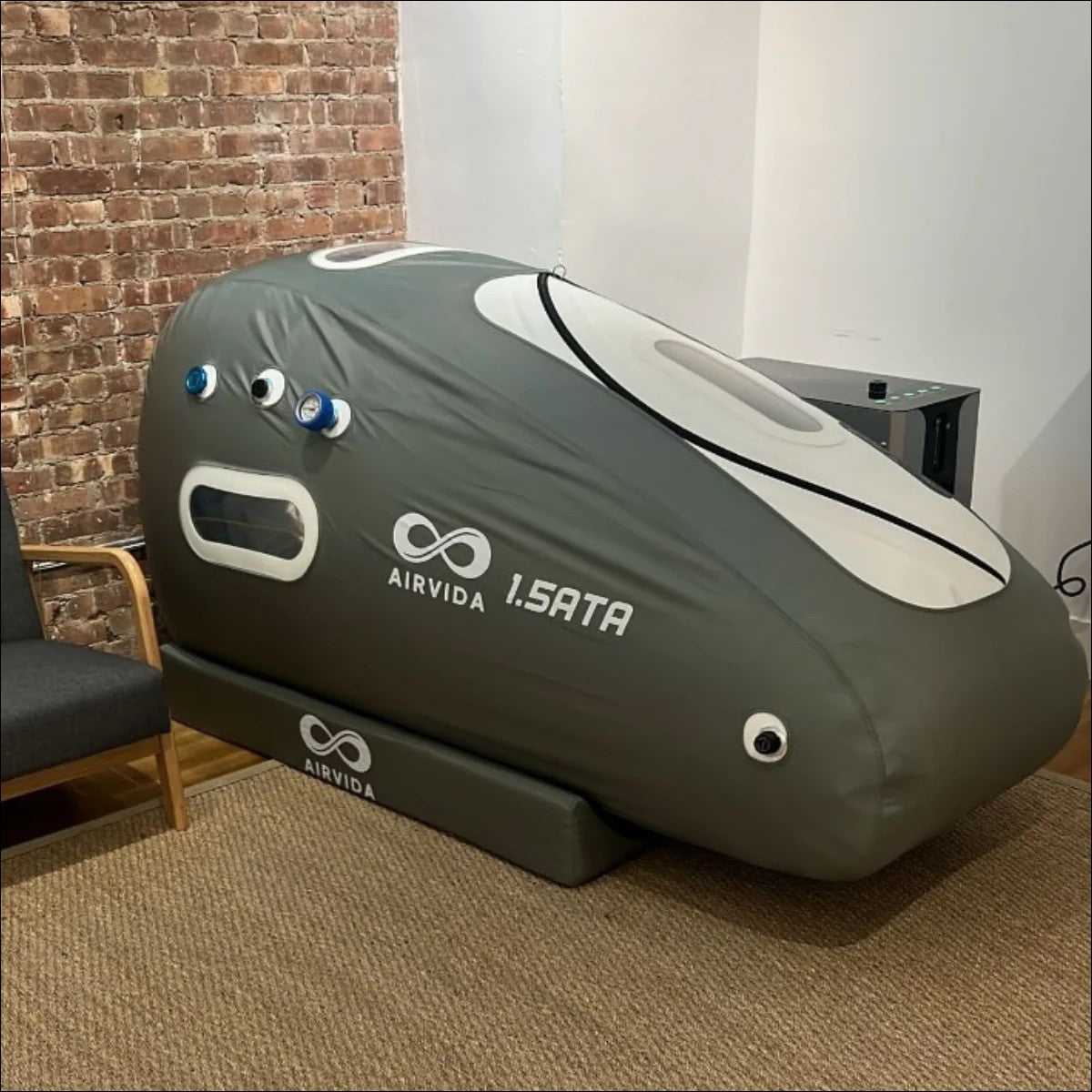
Soft-Sided vs. Hard-Shell: Which Fits a Family?
This is the first fork in the road, and it's worth understanding before you look at a single price tag.
Soft-Sided Chambers
-
Pressure range: typically 1.3–1.5 ATA
-
Occupancy: single or multi-person models available, with family-sized units fitting two adults or an adult and child comfortably
-
Cost: $6,000–$18,000 for quality units
-
Best for: general wellness, recovery support, sleep, mild inflammation support, and family use where multiple members will share the chamber
Hard-Shell Chambers
-
Pressure range: 1.5–3.0 ATA depending on class
-
Occupancy: almost always single-occupant
-
Cost: $20,000 and up, with clinical-grade units reaching well past $100,000
-
Best for: prescribed medical treatment of specific conditions, typically administered in a clinical setting under physician supervision
Families rarely need hard-shell pressure at home. If a physician has prescribed HBOT for a specific diagnosed condition, that treatment plan should guide the pressure and chamber type, not a general "family chamber" purchase. For families exploring options across different living situations, it's worth comparing soft hyperbaric chambers against hard-shell hyperbaric chambers side by side before deciding.
What Actually Matters When Comparing Family Chamber Options

Specs sheets can make every chamber look similar. Here's what separates a chamber that serves a family well from one that ends up unused in a garage.
1. Interior Size and Multi-Person Capacity
Measure for the tallest and largest family member who will use it, not the average. A chamber that fits a 10-year-old comfortably but cramps a 6-foot adult gets used less than it should.
2. Zipper and Safety Mechanisms
Look for chambers with a functioning internal and external zipper release, plus a pressure relief valve that a child could operate if needed. This is non-negotiable for any household with kids.
3. Oxygen Concentrator Compatibility
Most soft chambers use ambient air compression rather than pure oxygen, which is actually the safer setup for home use since pure oxygen environments carry fire risk. Confirm whether the unit is compatible with an oxygen concentrator add-on if higher oxygen concentration is part of the plan.
4. Noise Level and Session Length
Compressor noise varies significantly between manufacturers. A loud compressor is a bigger deal than it sounds, since sessions typically run 60–90 minutes and a child who's anxious about noise won't tolerate the chamber.
5. Warranty and Service Support
Ask directly how many years the compressor and bladder are warrantied, and whether the manufacturer has domestic service technicians. Imported chambers with no domestic support are the most common source of buyer's remorse I see.
Common Mistakes Families Make

-
Buying based on pressure rating alone. Higher ATA is not automatically better or safer, especially for children.
-
Skipping the ear-equalization conversation. This is the number one reason kids resist a second session; it's addressed further in our guide on hyperbaric chamber ear pressure.
-
Assuming a chamber replaces medical treatment. HBOT can support recovery, but it's not a substitute for a diagnosed treatment plan from a physician.
-
Ignoring maintenance costs. Compressors, zippers, and bladders wear over time, and budgeting for upkeep matters, something we break down in our hyperbaric chamber maintenance cost guide.
-
Not confirming return-to-baseline time. Depressurization should be gradual; a chamber that vents too fast is uncomfortable and can strain young ears.
Step-by-Step: Choosing and Setting Up a Family Chamber

-
Get a physician conversation first, especially if a specific diagnosis is driving the purchase. This determines the pressure range you actually need.
-
Measure your space. Soft chambers need floor clearance plus room for the compressor unit, typically a 6x8 ft footprint minimum.
-
Compare 2–3 manufacturers on warranty, domestic support, and multi-person capacity rather than price alone.
-
Run a supervised trial session with the youngest family member first, at the lowest pressure setting, before committing to a routine.
-
Build an equalization routine for kids, teaching the same swallow-and-yawn techniques used for air travel.
-
Set a maintenance calendar for zipper inspection, bladder checks, and compressor filter changes from day one.
For households where a family member served in the military and has separate eligibility considerations, it's worth reviewing options built specifically for that group, including hyperbaric chambers for veterans, since program access and reimbursement paths can differ from general family purchases. For the broader household decision, our dedicated collection of hyperbaric chambers for families is built around exactly this comparison.
FAQs About Family Hyperbaric Chambers
Can kids go in a hyperbaric chamber?
Yes, children can use hyperbaric chambers, but sessions should run at lower pressure, shorter duration, and always under direct adult supervision. A physician should be involved in the decision, particularly for children with any respiratory condition, ear infection history, or seizure disorder, since these can affect whether HBOT is appropriate at all.
Does HBOT make you look younger?
Some research links hyperbaric oxygen therapy to improved cellular repair and telomere length in specific study populations, which has fueled anti-aging interest, but it is not a proven cosmetic treatment and results vary widely between individuals. Anyone drawn to HBOT specifically for anti-aging benefits should read a balanced breakdown, like our guide on HBOT for anti-aging, before treating it as guaranteed.
Who should avoid hyperbaric chambers?
People with an untreated pneumothorax, certain types of ear or sinus surgery history, uncontrolled high fevers, or specific chronic lung conditions like untreated COPD with air trapping should avoid HBOT without physician clearance. Pregnant women and anyone on certain chemotherapy medications should also consult a doctor first, since pressurized oxygen environments interact with these conditions in ways that require medical judgment, not guesswork.
Does HBOT help with bipolar?
There is no established clinical evidence that hyperbaric oxygen therapy treats bipolar disorder, and it should never replace prescribed psychiatric treatment or medication. Some emerging research explores HBOT's role in broader nervous system and cognitive function support, covered in our piece on HBOT and the nervous system, but that is a distinct question from treating a diagnosed mood disorder.
How much does a family hyperbaric chamber cost to run monthly?
Beyond the upfront purchase, expect $30–$80 a month in electricity depending on session frequency, plus periodic costs for filter replacement and eventual bladder or zipper servicing. Most families find the ongoing cost far more predictable than the equipment price tag once they've run a few months of sessions.
The Bottom Line
The best hyperbaric chamber for families isn't the one with the highest pressure rating or the flashiest marketing, it's the soft-sided, appropriately sized unit that fits your specific household, comes with real safety documentation, and has support behind it when something needs servicing. Get the physician conversation done first, measure your space honestly, and prioritize manufacturers who answer warranty and safety questions directly instead of dodging them.
Ready to compare real options? Browse our full lineup of hyperbaric chambers for families to see sizing, pressure ranges, and pricing side by side, or reach out to our team with your specific household situation and we'll help you narrow it down.