



Does HBOT affect diabetes or blood sugar? Yes, hyperbaric oxygen therapy may influence blood sugar levels by improving oxygen delivery, circulation, and cellular repair in the body. For some diabetic patients, HBOT may help support wound healing and insulin sensitivity, though blood sugar should still be monitored carefully before and after sessions.
Living with diabetes often means managing more than glucose numbers alone. Poor circulation, slow wound healing, nerve discomfort, and inflammation can all affect daily life. Because of this, many people are now exploring whether hyperbaric oxygen therapy, commonly called HBOT, can provide additional support alongside standard diabetes care.
This guide explains how HBOT works, its possible effects on blood sugar, and what diabetic patients should know before starting treatment.
What Is HBOT and How Does It Work

Hyperbaric oxygen therapy is a treatment where a person breathes concentrated oxygen inside a pressurized chamber. The increased pressure allows the body to absorb significantly more oxygen than normal breathing conditions.
This extra oxygen travels through the bloodstream and into tissues that may not be receiving enough oxygen naturally.
HBOT is commonly used for:
-
Chronic wound healing
-
Diabetic foot ulcers
-
Tissue recovery
-
Inflammation reduction
-
Circulation support
During treatment, oxygen-rich blood reaches areas that may struggle to heal because of poor circulation or damage from long-term diabetes.
Patients looking for professional chamber access often explore: hyperbaric chamber options in Fresno
Does HBOT Affect Diabetes or Blood Sugar Levels
The short answer is yes. HBOT can affect blood sugar levels in some individuals, although the effects vary depending on the patient’s condition, medications, and overall health.
During HBOT, increased oxygen availability may improve how cells use glucose. Some patients experience temporary reductions in blood sugar following therapy sessions.
Research and patient reports suggest HBOT may help:
|
Possible HBOT Effect |
Why It Matters for Diabetes |
|
Improved oxygen delivery |
Supports damaged tissues and organs |
|
Better circulation |
Helps diabetic wound healing |
|
Reduced inflammation |
May support metabolic balance |
|
Cellular repair support |
Assists recovery processes |
|
Potential insulin sensitivity support |
May help glucose utilization |
However, HBOT is not considered a cure for diabetes. It works as a supportive therapy rather than a replacement for insulin, medication, diet, or physician-guided treatment.
Because oxygen therapy can sometimes lower glucose levels, diabetic patients are often advised to check blood sugar before and after sessions.
Hyperbaric Collections You May Want to Shop

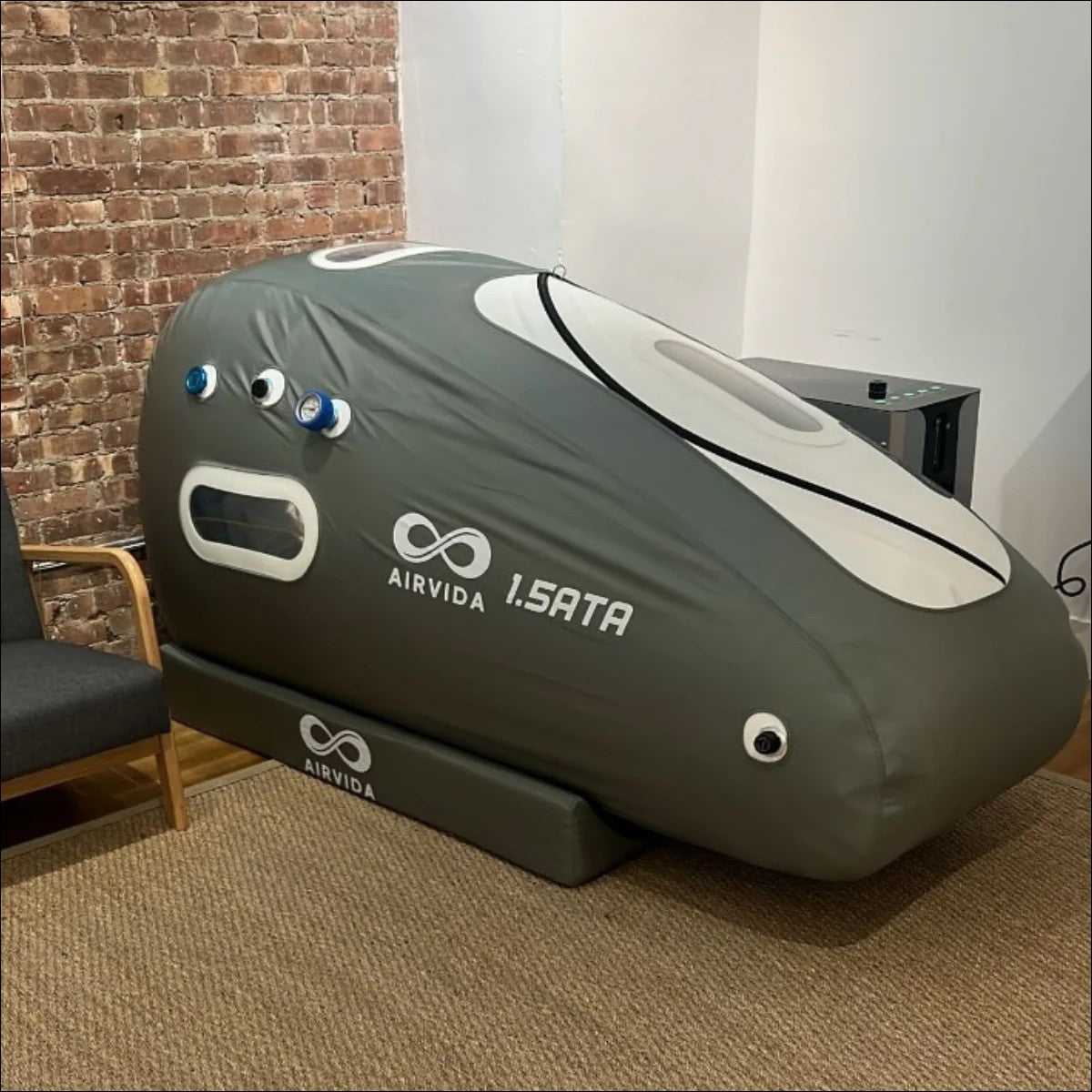
Why Oxygen Matters for Diabetic Patients
Diabetes can affect blood vessels over time. Reduced circulation means some tissues receive less oxygen, especially in the feet and lower extremities. When oxygen delivery decreases, healing slows down.
This is one reason diabetic wounds can become serious if left untreated.
HBOT helps by increasing dissolved oxygen in the plasma. That oxygen reaches tissues that may otherwise struggle to recover.
Potential Benefits for Diabetic Patients
-
Faster wound healing support
-
Reduced swelling and inflammation
-
Improved tissue oxygenation
-
Support for damaged blood vessels
-
Enhanced recovery after injury
For patients with diabetic ulcers, oxygen-rich environments may help lower infection risks and improve healing outcomes. Many individuals explore treatment options through a hyperbaric chamber in Beverly Hills, where enhanced oxygen delivery supports tissue repair and promotes more effective recovery.
Can HBOT Lower Blood Sugar

Some diabetic patients report lower glucose readings after treatment sessions. This may happen because oxygen availability can improve cellular metabolism and glucose uptake.
However, responses vary from person to person.
Factors that influence results include:
-
Type 1 or Type 2 diabetes
-
Current medications
-
Insulin use
-
Diet before treatment
-
Duration of therapy
-
Overall metabolic health
Because blood sugar may shift during treatment, clinics usually recommend monitoring levels closely.
Common Blood Sugar Monitoring Recommendations
|
Before HBOT |
After HBOT |
|
Eat a balanced meal |
Recheck glucose levels |
|
Avoid skipping insulin |
Stay hydrated |
|
Bring glucose tablets if needed |
Monitor symptoms |
|
Inform staff about medications |
Track changes over time |
Patients who use insulin or glucose-lowering medications should never adjust treatment plans without physician supervision.
HBOT and Diabetic Wound Healing
One of the best-known uses of HBOT in diabetes care is wound management.
Poor circulation combined with high blood sugar can slow healing dramatically. In severe cases, wounds may become infected or develop into ulcers.
HBOT helps support healing by:
-
Increasing oxygen in damaged tissue
-
Supporting new blood vessel formation
-
Helping immune cells fight infection
-
Reducing tissue swelling
-
Promoting collagen production
This is why HBOT is often recommended for chronic diabetic foot ulcers that do not respond well to traditional care alone.
Patients researching chamber safety standards may also benefit from reading: ASME PVHO-1 hyperbaric chamber standards explained.
How HBOT Sessions Typically Work
Most HBOT sessions follow a structured routine.
Patients enter a pressurized chamber and relax while breathing oxygen for a set amount of time. Sessions commonly last between 60 and 120 minutes.
The number of treatments depends on the condition being treated.
Typical HBOT Process
-
Blood sugar may be checked beforehand
-
The chamber gradually pressurizes
-
Patients breathe concentrated oxygen
-
Pressure slowly returns to normal afterward
-
Recovery and monitoring follow
Many people describe the sensation as similar to changes in airplane cabin pressure.
Some patients require several sessions per week depending on physician recommendations.
Are There Risks for Diabetic Patients
HBOT is generally considered safe when supervised properly, but diabetic patients should still understand potential risks.
Possible side effects include:
-
Temporary blood sugar fluctuations
-
Ear pressure discomfort
-
Fatigue after sessions
-
Mild sinus irritation
-
Rare oxygen sensitivity reactions
For diabetic individuals, the most important concern is glucose monitoring. Low blood sugar during or after therapy can occur if meals or medications are not managed correctly. This is why reputable clinics carefully review patient medical history before treatment begins.
Who May Benefit Most From HBOT

Not every diabetic patient requires hyperbaric oxygen therapy. HBOT is usually considered when complications become difficult to manage through standard care alone.
Patients who may benefit include those with:
-
Chronic diabetic wounds
-
Slow-healing ulcers
-
Circulation problems
-
Tissue damage
-
Persistent inflammation
-
Post-surgical healing challenges
Doctors may recommend HBOT as part of a broader recovery strategy rather than a standalone solution.
HBOT vs Traditional Diabetes Treatments
HBOT works differently from insulin or diabetes medication.
Traditional diabetes treatment focuses primarily on controlling blood glucose directly. HBOT focuses more on oxygen delivery, tissue repair, and healing support.
Here is a simple comparison:
|
Treatment Type |
Main Goal |
|
Insulin |
Lower blood sugar |
|
Oral medications |
Improve glucose regulation |
|
Diet and exercise |
Stabilize metabolism |
|
HBOT |
Improve oxygenation and healing |
This distinction is important because some patients mistakenly assume HBOT replaces medical diabetes management. It does not.
Instead, HBOT may complement an existing diabetes care plan under physician supervision.
Hyperbaric Chambers You May Want to Shop
Explore More


How Often Should You Do HBOT
Treatment frequency depends on the patient’s condition and goals.
For chronic wounds or diabetic ulcers, some treatment plans may involve:
-
3 to 5 sessions weekly
-
Multiple weeks of therapy
-
Ongoing progress evaluations
Short-term wellness-focused sessions may follow different schedules.
Doctors usually tailor recommendations based on:
-
Severity of symptoms
-
Healing response
-
Blood sugar control
-
Existing complications
-
Overall health condition
Consistency often matters more than intensity.
The Connection Between Oxygen and Insulin Sensitivity
Researchers continue studying how oxygen levels influence metabolism.
Some evidence suggests improved oxygen delivery may support:
-
Mitochondrial function
-
Cellular energy production
-
Reduced oxidative stress
-
Healthier inflammatory responses
These effects may indirectly influence insulin sensitivity in certain individuals.
However, more long-term research is still needed to fully understand the relationship between HBOT and glucose regulation.
Current evidence supports HBOT primarily for wound care and tissue healing rather than direct diabetes reversal.
Important Tips Before Starting HBOT
Before beginning treatment, diabetic patients should discuss HBOT with their healthcare provider.
Helpful Preparation Tips
-
Eat before sessions unless instructed otherwise
-
Bring glucose monitoring supplies
-
Stay hydrated
-
Share all medications with clinic staff
-
Report dizziness or weakness immediately
These small precautions can help make therapy safer and more effective.
Veterans and individuals with long-term recovery goals may also find useful information in this guide about hyperbaric chambers for veterans
Final Thoughts on Does HBOT Affect Diabetes or Blood Sugar

So, does hbot affect diabetes or blood sugar? It can. Hyperbaric oxygen therapy may influence glucose levels, circulation, inflammation, and tissue healing in ways that benefit some diabetic patients. The strongest evidence currently supports HBOT for wound healing and circulation-related complications rather than as a primary diabetes treatment itself.
For patients managing diabetic ulcers, slow recovery, or circulation problems, HBOT may become a valuable part of a broader treatment strategy when supervised by qualified professionals.
Frequently Asked Questions About Does HBOT Affect Diabetes or Blood Sugar
Does HBOT lower blood sugar?
HBOT may temporarily lower blood sugar in some diabetic patients because increased oxygen availability can improve how cells utilize glucose. Some individuals notice reduced glucose readings after sessions, especially when combined with insulin or medication. However, results vary widely depending on the patient’s health, medications, and diabetes type. This is why blood sugar monitoring before and after therapy is strongly recommended.
What is the 3-hour rule in diabetes?
The 3-hour rule in diabetes usually refers to checking and managing blood sugar levels every three hours during periods of illness, instability, or treatment changes. The goal is to prevent dangerous highs or lows before they become severe. Some clinics also recommend spacing meals and insulin carefully before HBOT sessions to help stabilize glucose during oxygen therapy.
How many times a week should you do HBOT?
Most HBOT treatment plans for diabetic wound healing involve about 3 to 5 sessions per week. The exact schedule depends on the severity of the condition, physician recommendations, and how the patient responds to therapy. Some patients may need only short-term treatment, while others with chronic wounds or circulation issues may require several weeks of consistent sessions.
What is oxygen therapy for diabetes?
Oxygen therapy for diabetes refers to treatments that improve oxygen delivery to tissues affected by poor circulation or slow healing. HBOT is one of the most recognized forms because it increases oxygen absorption under pressure. This additional oxygen may help support wound healing, tissue repair, and circulation in diabetic patients dealing with ulcers or recovery complications.