


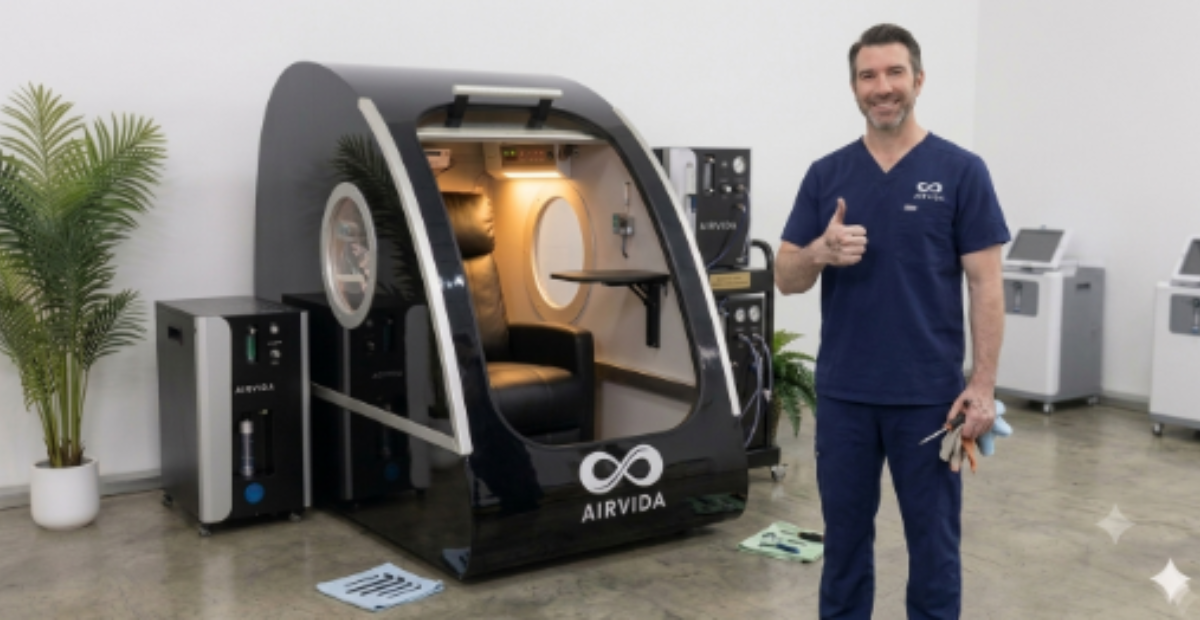
A well-maintained hyperbaric chamber lifespan typically runs 10 to 20 years for hard-shell units and 5 to 10 years for soft-shell (portable) chambers, though the real number depends on usage hours, maintenance discipline, and how well the acrylic, zippers, or seals are cared for over time. That's the short answer. The longer answer, the one that actually matters if you're buying a chamber, running a clinic, or trying to decide whether your current unit still has years left in it, depends on a handful of variables most sales pages never mention.
I've spent years around hyperbaric oxygen therapy (HBOT) equipment, from home soft-shell units to multiplace hard chambers in clinical settings, and the honest truth is that "lifespan" isn't a single number stamped on a warranty card. It's a moving target shaped by hours of use, pressure cycles, storage conditions, and whether the owner treats maintenance as optional or non-negotiable.
Key Takeaways
-
Soft-shell (portable) chambers last roughly 5–10 years with regular use; the zipper and bladder material are usually the first components to wear out.
-
Hard-shell chambers (steel or aluminum) last 10–20+ years, and the pressure vessel itself can outlast several generations of internal components like seals, gauges, and electronics.
-
Usage hours matter more than calendar age. A chamber run daily in a busy clinic ages faster than one used a few times a week at home.
-
Maintenance is the single biggest lifespan factor, including seal inspections, acrylic care, oxygen concentrator servicing, and humidity control.
-
Certification and manufacturer support (parts availability, recall history) often determine whether a chamber is safely usable well past year 10.
-
Hyperbaric Collections You May Want to Shop

What Determines a Hyperbaric Chamber's Lifespan?
A chamber's lifespan isn't governed by one part; it's the sum of several systems aging at different rates. Understanding which components wear out first helps you budget realistically instead of guessing.
Chamber Type: Soft-Shell vs. Hard-Shell
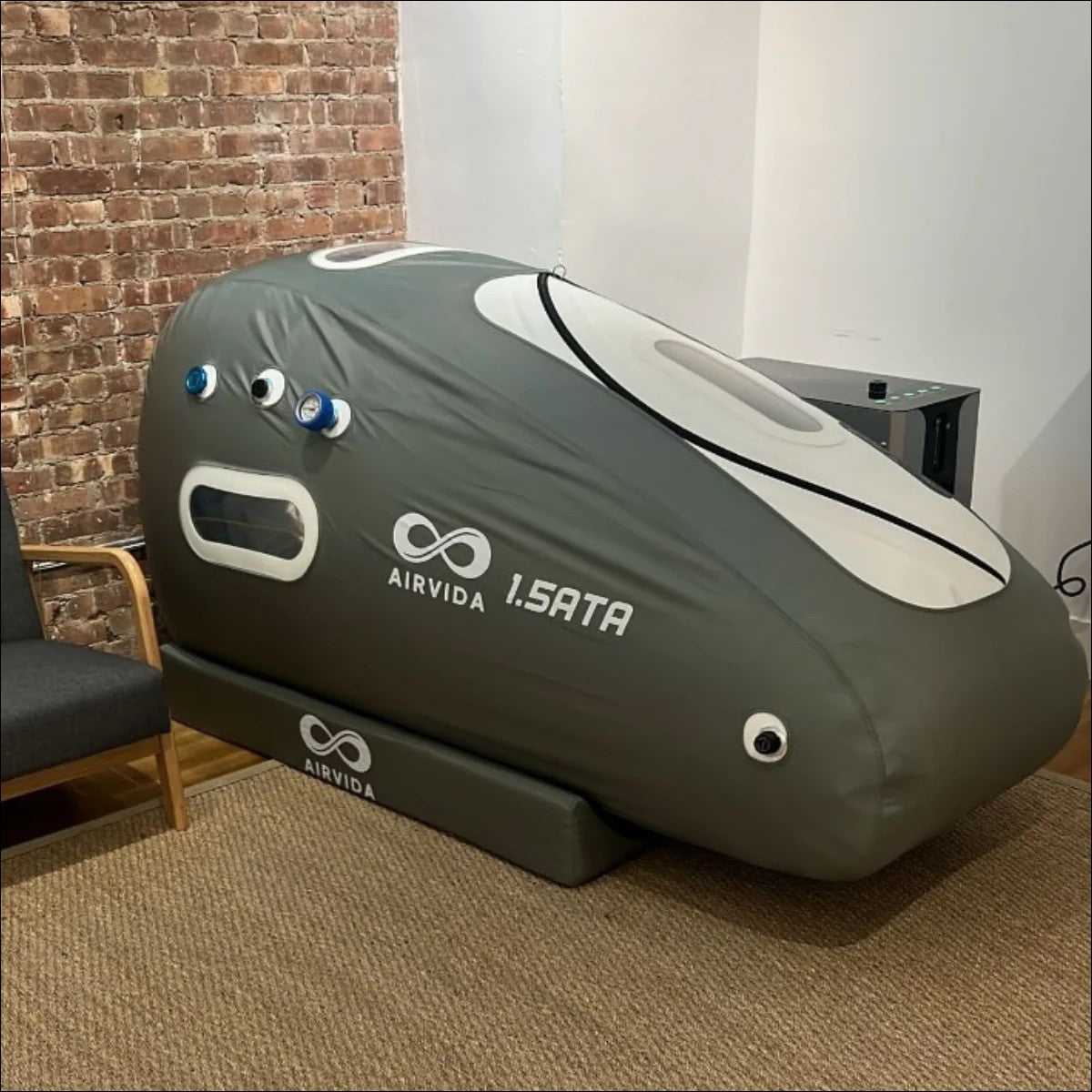
Soft-shell hyperbaric chambers are built from reinforced fabric and operate at lower pressures, typically 1.3 to 1.5 ATA. Because the shell itself is a flexible material rather than rigid metal or acrylic, it's more susceptible to UV degradation, zipper fatigue, and micro-tears from repeated inflation and deflation cycles. Most manufacturers rate these units for 5 to 10 years of regular use before the shell integrity or zipper seal starts to fail.
Hard-shell chambers, whether monoplace acrylic-and-steel units or larger multiplace steel chambers used in clinical settings, are a different animal entirely. The pressure vessel, the steel or aluminum shell, can realistically last 20 to 30 years if it's inspected and pressure-tested on schedule. What usually needs replacing first are the acrylic viewing ports, door seals, gauges, and electronic controls, not the vessel itself.
Usage Frequency and Hours
A chamber used for two one-hour sessions a day in a busy wellness clinic accumulates wear far faster than one used twice a week in a home setting. Manufacturers often rate chambers by cycle count, the number of pressurization and depressurization cycles the seals and shell can withstand, rather than pure calendar years. A home unit running 300 sessions a year might hit 10 years without issue, while a clinical unit running 1,500 sessions a year can show the same wear in 3 to 4 years.
Maintenance History
This is where lifespan is won or lost. Chambers that get scheduled seal inspections, timely gasket replacement, and proper acrylic cleaning routinely outlast their "expected" lifespan by years. Chambers that get ignored between sessions, humidity buildup, unchecked zipper strain, or a compressor that's never serviced often fail well ahead of schedule, sometimes within 3 to 5 years for soft units.
Storage and Environmental Conditions
Heat, humidity, and UV exposure degrade soft-shell material and acrylic components faster than mechanical wear alone. A chamber stored in a temperature-controlled room away from direct sunlight will consistently outlast one left in a garage or a sunroom. This is a detail many first-time buyers overlook until they're replacing a shell years ahead of schedule.
Why Lifespan Matters Right Now

Home hyperbaric ownership has grown fast over the past few years, and with that growth comes a wave of buyers comparing used chambers, refurbished units, and budget imports without a clear sense of what "years of life left" actually means. A chamber that looks fine on the outside can have a compressor nearing failure or a shell rated for far fewer cycles than the seller implies.
Knowing the real lifespan expectations protects you in two ways: it helps you evaluate a used or discounted chamber honestly, and it helps you plan maintenance and replacement budgets instead of being surprised by a failed seal or a decertified vessel mid-ownership. This matters just as much for people managing HBOT for chronic conditions, for example, those using sessions to support recovery from Crohn's disease, where consistent, safe access to a working chamber is part of the treatment plan, not a convenience.
How Long Does Each Chamber Component Actually Last?
Breaking a chamber into its major components gives a far more accurate lifespan picture than treating it as one unit.
-
Shell/vessel (hard-shell): 20–30 years with regular pressure testing and inspection.
-
Shell/bladder (soft-shell): 5–10 years, shorter with heavy daily use or poor storage.
-
Zippers and seals: 3–7 years depending on cycle count; usually the first soft-shell failure point.
-
Acrylic windows/doors: 10–15 years if kept free of scratches and harsh cleaners.
-
Oxygen concentrator (if used): 15,000–20,000 operating hours before major servicing or replacement.
-
Compressor/blower systems: 5–10 years with routine filter changes and servicing.
-
Gauges and electronic controls: 5–10 years, often the first thing to need replacement in older units.
Treating your chamber as a system of parts, rather than a single object with one expiration date, is the most useful mental shift a buyer or owner can make.
Hyperbaric Chambers You May Want to Shop
Explore More


Common Mistakes That Shorten a Hyperbaric Chamber's Life
Most premature chamber failures I've seen trace back to a small handful of avoidable habits.
-
Skipping seal and zipper inspections. Small cracks or fraying go unnoticed until a session gets interrupted by a pressure leak.
-
Ignoring humidity control. Moisture trapped inside a soft-shell chamber accelerates material breakdown and can encourage mold growth.
-
Using harsh cleaners on acrylic. Standard glass cleaners or alcohol-based wipes can cloud or micro-scratch acrylic surfaces over time, weakening clarity and structural integrity.
-
Overlooking compressor maintenance. A clogged or unserviced compressor works harder, wears out faster, and can strain the whole pressurization system.
-
Storing the chamber in direct sunlight or high heat. UV and heat exposure are two of the fastest ways to age soft-shell material years ahead of schedule.
-
Buying used without service records. A chamber's true age in "cycles" matters more than its manufacture date, and cycle counts are invisible without documented service history.
Step-by-Step: How to Extend Your Hyperbaric Chamber's Lifespan
-
Follow the manufacturer's maintenance schedule exactly; don't stretch service intervals to save time or money.
-
Inspect seals, zippers, and gaskets before every session block, not just when something feels off.
-
Clean acrylic and shell surfaces only with manufacturer-approved products.
-
Control the room environment: moderate temperature, low humidity, no direct sunlight on the chamber.
-
Service the compressor and oxygen concentrator on schedule, tracking hours rather than relying on memory.
-
Log every session so you know your actual cycle count, not just how many years you've owned the unit.
-
Address small issues immediately. A minor seal leak caught early is a cheap fix; ignored, it becomes a shell-threatening problem.
Owners who treat these steps as routine, the same way you'd treat oil changes on a car, are the ones getting 15+ years out of hard-shell chambers and a full decade out of soft-shell units.
Buying New vs. Used: What Lifespan Tells You

If you're shopping for a chamber rather than maintaining one you already own, lifespan expectations should shape your decision as much as price.
-
New soft-shell chambers give you the full 5–10 year window from day one, with warranty coverage on the shell and zipper system.
-
New hard-shell chambers are the better long-term investment for heavy or clinical use, given their 10–20+ year vessel life, worth comparing options like the hard-shell hyperbaric chambers available here if you're weighing durability against upfront cost.
-
Used chambers can be a smart buy, but only with documented service history, a known cycle count, and a recent seal/shell inspection. Without that paperwork, you're guessing at how much lifespan is actually left.
-
Soft-shell options for home use remain the more accessible entry point for most buyers, and browsing a current lineup of soft hyperbaric chambers is a reasonable starting point if you're comparing models by warranty length and build quality.
For people considering ongoing HBOT for ear pressure sensitivity, understanding chamber pressurization behavior over time also matters. See this breakdown on hyperbaric chamber ear pressure for context on how gradual, well-maintained pressurization protects both the user and the equipment's seals.
Regional Access and Real-World Chamber Life

Where a chamber lives matters more than people expect. Chambers used in humid coastal climates versus dry inland regions age differently, which is part of why local access to certified maintenance and replacement parts matters. If you're located near Connecticut, options through hyperbaric chamber providers in Norwalk, CT, can connect you with regionally appropriate service support. Buyers on the West Coast dealing with drier inland conditions may find hyperbaric chamber access in North Auburn, CA, a useful starting point for comparing local service networks and chamber options suited to that climate.
FAQs About Hyperbaric Chamber Lifespan
How long can you live in a hyperbaric chamber?
Hyperbaric chambers are not designed for continuous living or extended occupancy; sessions typically last 60 to 90 minutes under medical or manufacturer guidance. Prolonged, unsupervised time inside a pressurized chamber carries real risks, including oxygen toxicity at higher pressures, so session length should always follow protocol rather than personal preference.
How long does HBOT last?
A single hyperbaric oxygen therapy session generally lasts 60 to 90 minutes, and full treatment plans often span 10 to 40 sessions depending on the condition being treated. The "lasting effect" of each session improved oxygenation and tissue repair support and builds cumulatively over a treatment course rather than from any single visit.
Does HBOT increase white blood cells?
Hyperbaric oxygen therapy doesn't directly increase white blood cell count, but it does enhance white blood cells' ability to fight infection by improving oxygen delivery to tissue, which supports immune function and wound healing. This mechanism is part of why HBOT is used alongside treatment for certain infections and slow-healing wounds.
Does hyperbaric chamber slow aging?
Some research suggests HBOT may support cellular repair processes and reduce markers associated with aging, though it isn't a proven anti-aging treatment on its own and shouldn't be marketed or used as one. It's more accurate to describe HBOT as supporting the body's natural repair and oxygenation processes, which may have downstream benefits relevant to healthy aging.
Getting the Most Years Out of Your Chamber
A hyperbaric chamber's lifespan isn't fixed the day you buy it; it's shaped by every maintenance decision made afterward. Soft-shell units realistically give you 5 to 10 years, hard-shell chambers can serve you well for 15 to 20+ years, and either category can fall short of that if seals, storage, and servicing get neglected. The chambers that last the longest belong to owners who treat maintenance as part of ownership, not an afterthought.
If you're evaluating a chamber purchase or trying to extend the life of the one you already own, start by reviewing your climate, usage frequency, and service records against the benchmarks above. For buyers ready to compare models built for long-term durability, browsing current hard-shell hyperbaric chambers for sale or exploring regional options through Air Vida Chambers is the practical next step toward a chamber that holds up for the long haul.