


Key Takeaways
-
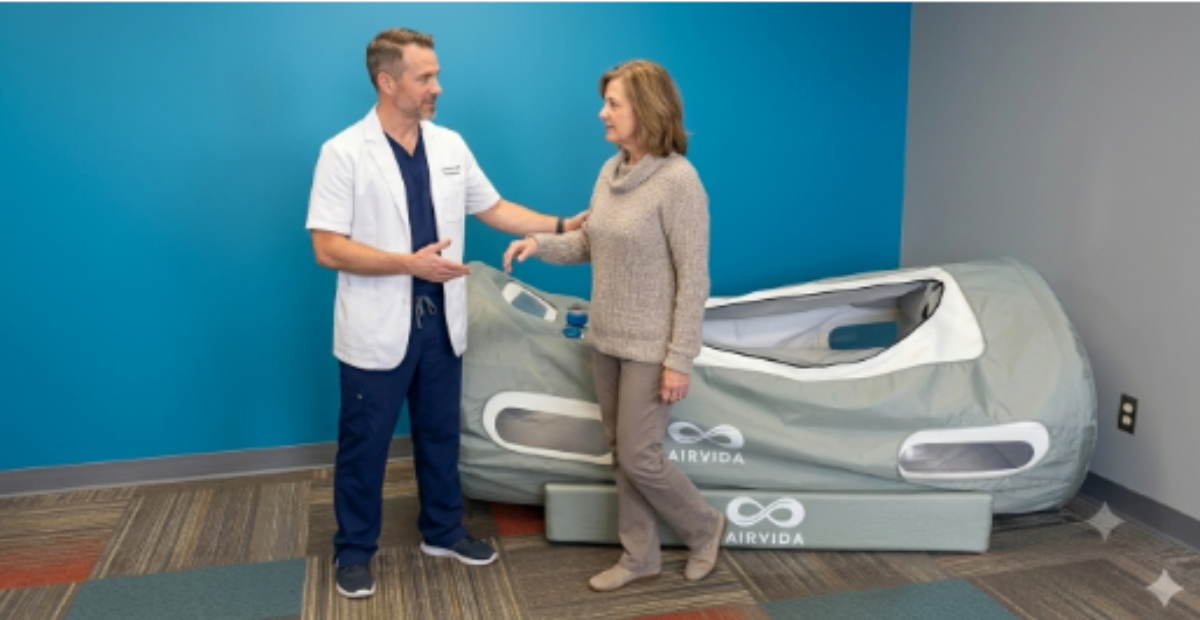
The best hyperbaric chamber for chiropractors is almost always a soft-sided (mild) hyperbaric chamber, rated up to 1.3–1.5 ATA, since it doesn't require medical oxygen licensing in most states.
-
Expect to pay $8,000–$20,000 for a quality soft chamber versus $40,000–$150,000+ for a hard-shell clinical unit.
-
Chiropractors pairing HBOT with adjustments report faster recovery from soft-tissue and disc-related complaints, though HBOT is an adjunct, not a replacement for care.
-
Check your state's chiropractic scope-of-practice rules before purchasing; some states classify hyperbaric therapy as a medical device requiring physician oversight.
-
Most practices recoup a chamber's cost within 8–14 months when priced as a $50–$100 per-session add-on service.
Hyperbaric Collections You May Want to Shop

What Is a Hyperbaric Chamber for Chiropractors?
A hyperbaric chamber for chiropractors is a pressurized enclosure that lets patients breathe air or oxygen at a pressure greater than sea level, typically between 1.3 and 1.5 ATA in a chiropractic setting. That mild pressure increase helps dissolve more oxygen into blood plasma, which some patients use to support recovery from inflammation, soft-tissue injury, and post-adjustment soreness.
Chiropractors don't administer clinical-grade hyperbaric oxygen therapy (HBOT) the way a wound care center does. Instead, most add a soft hyperbaric chamber as a wellness or recovery service that complements spinal adjustments, decompression therapy, and rehab protocols already happening in the practice.
Why Chiropractors Are Adding HBOT Right Now
Patient demand for in-office recovery services has shifted noticeably over the last two years. People who used to drive to a separate wellness center for oxygen therapy now expect it bundled into the same visit as their adjustment, especially in practices that already offer decompression tables or cold laser.
There's also a practical business case. A chamber that costs $10,000–$15,000 upfront can generate meaningful recurring revenue as a cash-pay add-on, and unlike many pieces of chiropractic equipment, it requires almost no consumables once installed. For practices managing patients with chronic pain, disc issues, or slow-healing soft tissue, it's become one of the more requested upgrades in 2025 and 2026.
Soft vs. Hard Shell Chambers: Which Fits a Chiropractic Practice

This is the decision every chiropractor gets stuck on, so let's settle it clearly.
Soft-Sided (Mild Hyperbaric) Chambers
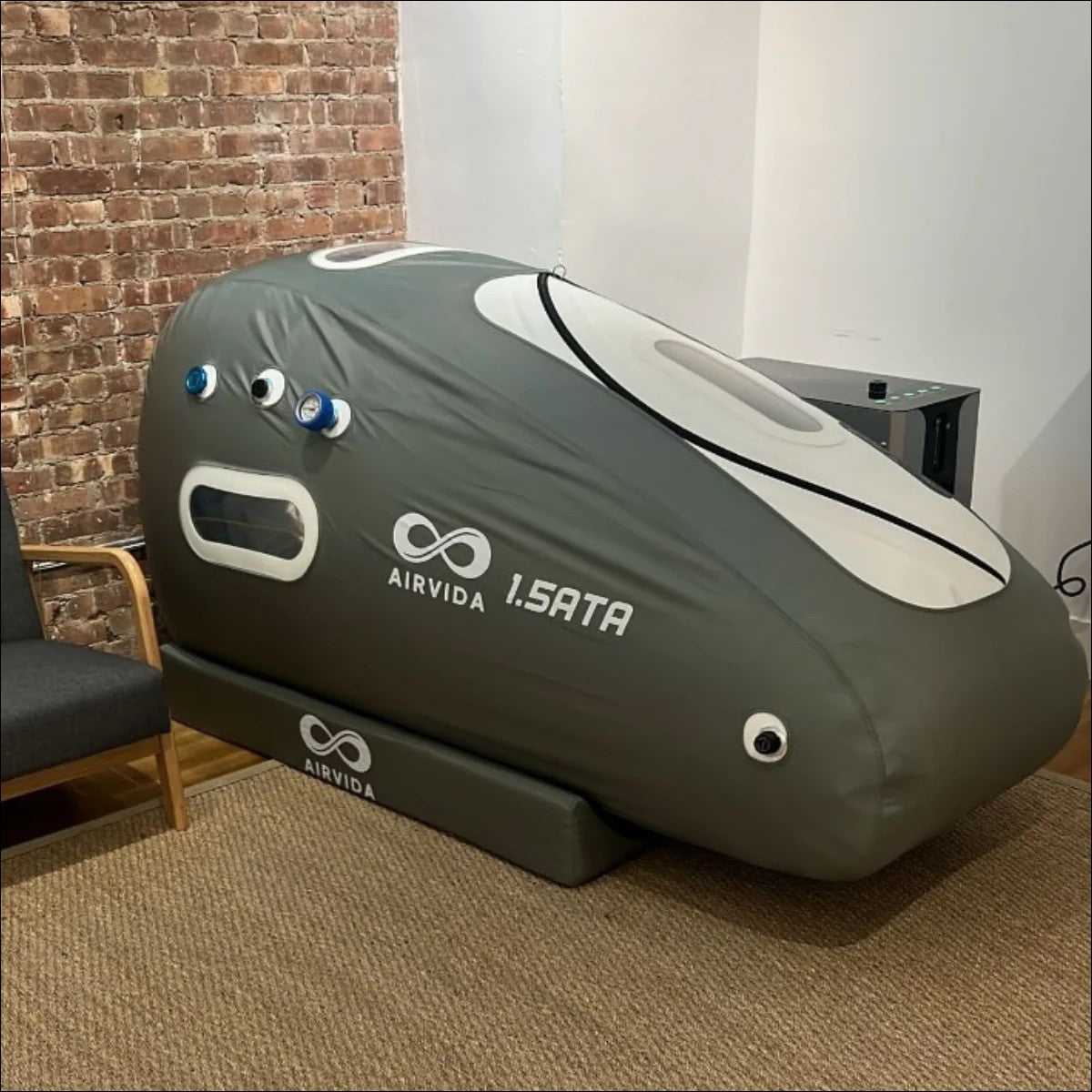
Soft chambers pressurize with ambient air compressed to roughly 1.3 ATA and are the standard choice for chiropractic offices. They:
-
Cost $8,000–$20,000 depending on size and brand
-
Don't require a licensed physician on-site in most states
-
Fit through standard doorways and need only a standard 110V outlet
-
They are approved by the FDA as Class II devices for mild hyperbaric use, not for treating conditions requiring pure oxygen at higher pressure
Hard-Shell (Clinical) Chambers
Hard-shell units pressurize to 2.0–3.0 ATA using medical-grade oxygen and are what hospitals and wound care centers use. For a chiropractic office, they mean:
-
$40,000–$150,000+ in equipment cost
-
Physician oversight and often a hyperbaric-certified technician
-
Fire code and oxygen storage requirements that most chiropractic suites aren't built for
Unless a chiropractor is co-located with a physician-run wound care or integrative medicine clinic, a soft chamber is the practical and legally simpler answer. This is the same reasoning covered in our breakdown of financing options for a hyperbaric chamber purchase, which walks through how practices spread the upfront cost across the equipment's payback period.
What Conditions Chiropractic Patients Actually Use It For

Chiropractors aren't typically treating decompression sickness or carbon monoxide poisoning that's hospital territory. In a chiropractic setting, mild hyperbaric sessions are most often requested for:
-
Post-adjustment inflammation and soreness, especially after intensive spinal work
-
Soft-tissue and sports injuries, where faster tissue oxygenation may shorten downtime
-
Chronic musculoskeletal pain, often layered on top of adjustments and rehab exercises
-
Circulatory support, particularly for patients also managing conditions like peripheral artery disease, which some chiropractic-adjacent wellness clinics also address
-
Post-surgical recovery, for patients cleared by their surgeon to add adjunct therapies
It's worth being direct with patients here: mild hyperbaric therapy is supportive, not curative, and a chiropractor should never present it as a stand-alone treatment for a diagnosed medical condition outside their scope.
Costs, ROI, and How to Price the Service
A quality soft chamber for a solo or small group practice typically lands in the $10,000–$16,000 range, including a warranty and initial staff training. Add roughly $500–$1,500 a year for maintenance, filter replacement, and liability insurance riders.
Most practices that add chamber price sessions between $50 and $100 for 45–60 minutes, sometimes bundled into recovery packages with cold laser or compression therapy. At an average of $70 per session and even a conservative 8 sessions a week, that's around $2,240 a month, meaning a $14,000 chamber often pays for itself within a year.
A few pricing models chiropractors use successfully:
-
Membership add-on: unlimited monthly sessions for $99–$149/month alongside existing chiropractic membership plans
-
Package pricing: 10-session bundles sold at a discount to encourage repeat visits
-
Bundled recovery visit: adjustment plus a 30-minute session sold as a single higher-ticket visit
Setting Up a Chamber in Your Practice: What to Check First

Before buying, walk through this checklist so the purchase doesn't create compliance headaches later.
-
Confirm your state's scope-of-practice rules. Some states require chiropractors to have a supervising physician or specific certification to operate a chamber, even a soft one.
-
Check your malpractice and general liability policy. Most carriers require notification before adding hyperbaric services, and some require a specific rider.
-
Measure your space. Soft chambers typically need a 4x8 to 6x10 foot footprint plus clearance for staff to assist patients in and out.
-
Plan for staff training. Even simple soft chambers need a trained operator monitoring pressure, timing, and patient comfort.
-
Decide on financing versus cash purchase. Equipment financing terms for chiropractic offices have gotten more competitive, and spreading the cost preserves cash flow during the ramp-up period.
-
Source from a manufacturer with chiropractic-specific support, not just a general medical supplier, since installation and compliance guidance differ by scope of practice.
Practices near Iowa and Arkansas looking at ready-to-ship units can compare current inventory through the hyperbaric chamber options available in Des Moines or the hyperbaric chamber selection in Little Rock, both of which list soft and hard-shell models suited to smaller clinical footprints.
Hyperbaric Chambers You May Want to Shop
Explore More


Common Mistakes Chiropractors Make When Adding HBOT
Buying a hard-shell chamber they can't legally staff. A handful of practices purchase clinical-grade units before checking whether their state allows a chiropractor to operate one without a physician, and then the chamber sits unused.
Marketing it as a cure rather than an adjunct. Overpromising results invites both patient disappointment and regulatory scrutiny. The honest pitch "supports recovery alongside your adjustments" performs just as well commercially and keeps the practice compliant.
Underpricing the service. Chiropractors sometimes price sessions too close to cost recovery out of hesitation, which stretches the payback period unnecessarily and undersells a service patients are often willing to pay a premium for.
Skipping staff training. A soft chamber looks simple, but pressure changes too fast or a patient left unmonitored during ear equalization is a real source of complaints. A 20-minute training gap up front avoids most of it.
Not screening patients. Pregnancy, certain ear conditions, uncontrolled seizure disorders, and some respiratory conditions are contraindications. A one-page intake screening form before the first session prevents avoidable issues.
Step-by-Step: Adding a Hyperbaric Chamber to Your Chiropractic Practice

-
Verify scope-of-practice rules with your state chiropractic board in writing.
-
Call your malpractice carrier to confirm coverage and any required riders.
-
Choose soft vs. hard-shell based on your state rules and budget. Soft is right for the vast majority of chiropractic offices.
-
Get quotes from 2–3 manufacturers, comparing warranty length, chamber size, and training included.
-
Measure and prep your space, including outlet access and patient privacy.
-
Train at least two staff members on operation, patient screening, and emergency procedures.
-
Build your patient intake and contraindication screening form.
-
Set pricing and launch with a soft opening to existing patients before broader marketing.
-
Track session volume monthly against your payback target and adjust pricing or packages as needed.
FAQ
Can HBOT help with chronic back pain?
Mild hyperbaric therapy may support recovery from chronic back pain by improving tissue oxygenation and reducing localized inflammation, but it works best as a complement to chiropractic adjustments and physical therapy rather than a stand-alone fix. Patients with structural issues like herniated discs should still be evaluated and treated through standard chiropractic and medical channels first.
Can HBOT improve hearing?
HBOT has shown some benefit for specific conditions like sudden sensorineural hearing loss when administered promptly in a clinical hard-shell setting under physician supervision, but this falls outside what a chiropractic soft chamber is intended or approved for. Patients asking about hearing-related hyperbaric treatment should be referred to an ENT or hyperbaric medicine specialist.
Does a hyperbaric chamber help with degenerative disc disease?
Some patients report reduced inflammation and improved comfort when combining mild hyperbaric sessions with chiropractic care for degenerative disc disease, though the chamber isn't treating the disc degeneration itself. It's best framed to patients as supportive recovery care alongside adjustments, decompression therapy, and any physician-directed treatment plan.
Are hyperbaric chambers good for chronic pain?
Many chiropractic patients use mild hyperbaric sessions as part of a broader chronic pain management routine, reporting easier recovery between adjustments and reduced post-treatment soreness. Results vary by individual, and a chamber should be positioned as one tool among several rather than a guaranteed solution for chronic pain.
Do chiropractors need special certification to operate a hyperbaric chamber?
Requirements vary significantly by state, with some allowing chiropractors to operate soft chambers with basic manufacturer training and others requiring physician oversight or a specific certification. Always confirm directly with your state chiropractic board before purchasing equipment, since rules can differ even between neighboring states.
Conclusion
For most chiropractic practices, the best hyperbaric chamber for chiropractors is a soft-sided unit rated for mild hyperbaric use; it's legally simpler, far less expensive than a hard-shell clinical chamber, and fits the recovery-support role most chiropractic patients actually want. Get your state's scope-of-practice rules confirmed, budget for the $10,000–$16,000 range, and price the service to pay for itself within a year.
If you're ready to compare models sized for a chiropractic office, browse current soft and hard-shell inventory in Des Moines or available units in Little Rock, or reach out for a walkthrough of financing options before you buy.