


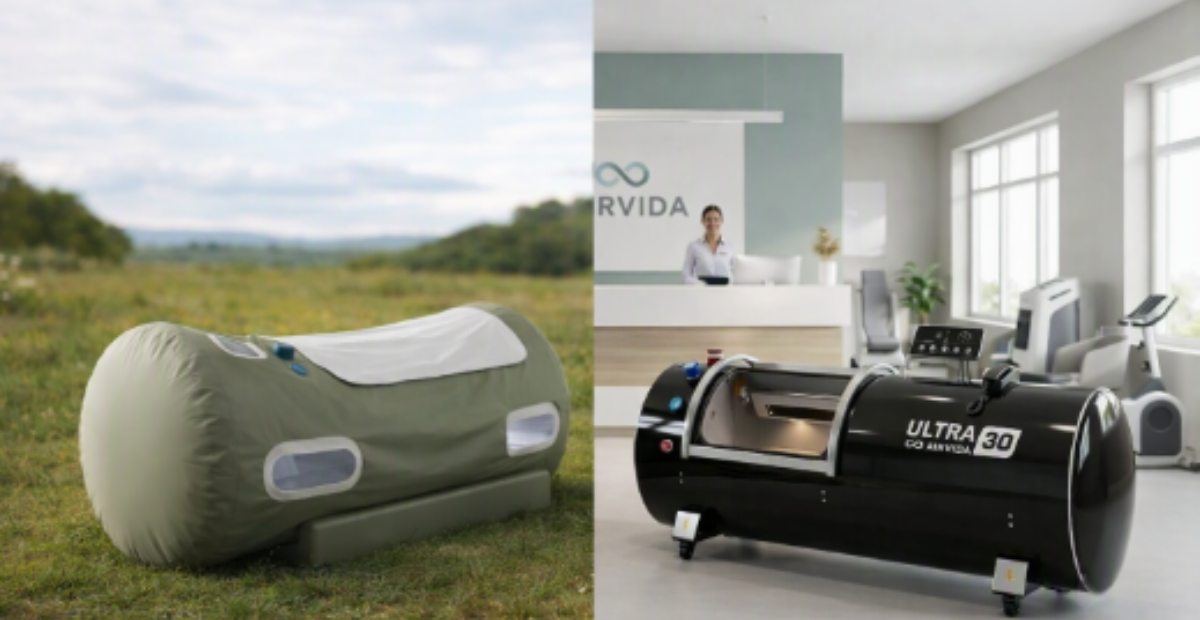
If you're comparing a zipper vs valve hyperbaric chamber, you're really comparing how a soft-shell chamber seals in pressure, and that single design choice affects durability, leak risk, entry ease, and price more than almost any other spec on the sheet. Zipper chambers close with heavy-duty airtight zippers; valve (zipperless) chambers seal with a gasketed, clamp-or-lock closure and dedicated pressure valves. Both hold the same mild pressures. They just get there differently, and one will fit your body, budget, and setting better than the other.
Key Takeaways
-
Zipper chambers use one or more airtight zippers; they're proven, widely available, and usually cheaper.
-
Valve (zipperless) chambers replace the zipper with a gasket-and-lock seal, marketed for fewer wear points and easier solo entry.
-
The closure is the most-used, highest-stress component on any soft chamber, so it deserves real attention.
-
Choose zipper for lower cost and easy parts availability; choose valve for solo users, mobility limitations, and low-maintenance sealing.
-
Both sit in the same mild pressure range (typically 1.3–1.5 ATA); the seal type does not change what the chamber can do medically.
What Is a Zipper vs Valve Hyperbaric Chamber?
Both are soft-shell hyperbaric chambers (also called mild hyperbaric or mHBOT chambers). They're flexible tubes made from urethane-coated fabric or TPU, pressurized by an external pump so you can rest inside at a modestly elevated pressure. The "zipper vs valve" question only concerns how the chamber closes and holds that pressure.
The Zipper Design
A zipper chamber seals with an airtight, gas-rated zipper, often a marine-grade or double-zipper system for redundancy. You climb in, zip the panel closed from the inside or with attendant help, and the pump brings the chamber up to pressure. It's the original soft-chamber closure and still the most common one on the market.
The Valve Design
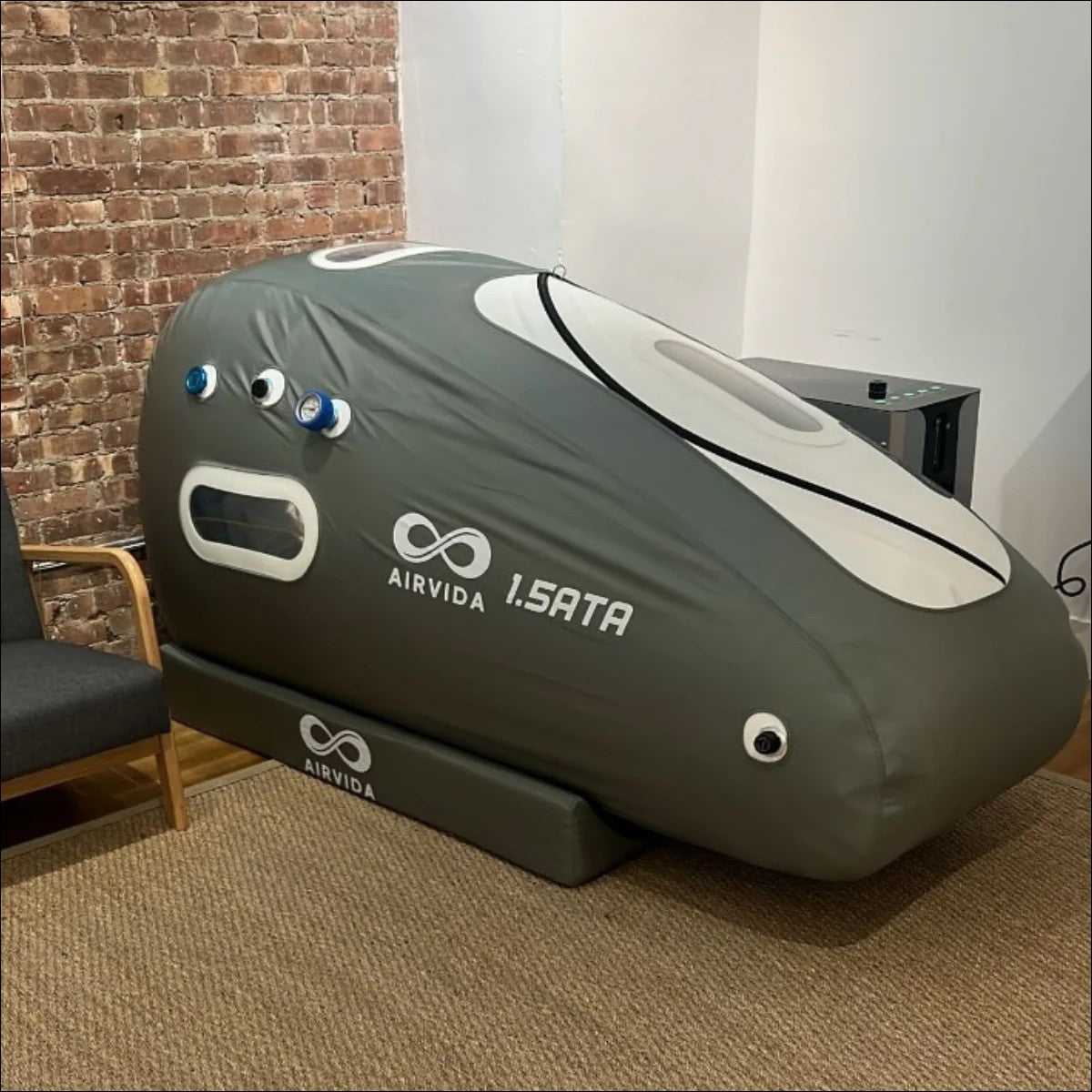
A valve chamber (usually marketed as "zipperless") removes the zipper as the sealing element. Instead, the opening is closed with a gasketed panel, roll seal, or clamp, and pressure is managed through dedicated inlet and relief valves. The pitch is fewer moving teeth to wear out and a seal that's easier to close without full range of motion in your hands.
One point worth clearing up: every soft chamber has valves, an air inlet and a pressure-relief valve are standard safety features on both designs. So "valve chamber" is really shorthand for "the closure relies on a valve-and-gasket seal rather than a zipper," not a claim that zipper chambers lack valves.
Why the Seal Choice Matters Right Now

The closure is the part you touch every single session, and it's the part most likely to fail first. A worn zipper or a compromised gasket doesn't just annoy you, it lets pressure bleed off, which means the chamber can't reach or hold its target setting. Getting this decision right protects the money you're about to spend.
It matters more today because the home and clinic soft-chamber market has expanded fast, and buyers now genuinely have both options at similar price points. Ten years ago, zipper was effectively the only choice. Now valve designs are common enough that the comparison is a real fork in the road, not a marketing gimmick.
It also matters for who uses the chamber. A single home user with arthritis in their hands has very different needs from a clinic cycling ten clients a day, and the seal is exactly where those needs diverge. If you're still early in the process, our guide to the best time to buy a hyperbaric chamber pairs well with this one, timing and seal type are the two decisions people most often rush.
Hyperbaric Collections You May Want to Shop

How the Two Closures Actually Compare
Here's how the designs stack up on the factors that decide long-term satisfaction.
|
Factor |
Zipper Chamber |
Valve (Zipperless) Chamber |
|
Sealing method |
Airtight gas-rated zipper (often double) |
Gasket + clamp/lock, pressure held via valves |
|
Typical cost |
Lower to mid |
Mid to higher |
|
Wear points |
Zipper teeth and slider |
Gasket surface and latch |
|
Solo entry/exit |
Manageable, needs hand dexterity |
Often easier, less fine-motor demand |
|
Leak risk source |
Debris or wear in zipper track |
Gasket seating and cleanliness |
|
Maintenance |
Lubricate and clean zipper regularly |
Keep gasket clean and undamaged |
|
Parts availability |
Widely stocked |
Model-specific, can be harder to source |
|
Repair |
Zipper is field-replaceable on many models |
Usually needs manufacturer service |
Note: exact figures and mechanisms vary by manufacturer and model, always confirm against the specific chamber's spec sheet.
Durability and Maintenance
A zipper is a beautifully simple mechanism until it isn't. Grit, hair, or lint in the track, or letting it dry out, is the fastest way to shorten its life, so zipper owners should clean and lubricate the track on a set schedule. The upside: airtight zippers are a mature, replaceable part, and many chambers let you swap one without shipping the whole unit back.
Valve seals move the wear away from teeth and onto a gasket surface. There's less to snag, but a nicked or dirty gasket seats poorly, and gasket-based closures are more often proprietary, meaning a repair tends to route through the manufacturer rather than a local fix. Neither is inherently "more durable", it comes down to how disciplined you are about upkeep and how the specific model is built.
Ease of Use and Accessibility
This is where valve designs often win real converts. Sealing an airtight zipper takes a firm, steady pull, which is harder for anyone with limited grip strength, arthritis, or reduced mobility. A clamp-and-gasket valve closure typically needs less fine-motor effort, and many are designed for genuinely independent solo entry and exit.
For frequent movers and anyone who repacks the chamber between locations, the closure also affects how fast you can set up and break down, which is why entry design comes up so often among buyers looking at hyperbaric chambers for travelers. If you set up and stow the chamber constantly, a faster, lower-effort seal is worth paying for.
Leak Risk and Pressure Stability

Both designs hold pressure well when they're in good shape, so the honest framing is about failure mode, not raw capability. Zipper leaks usually start small and creep in, a few teeth wearing, a bit of debris, a slider losing bite, giving you warning signs. Gasket leaks tend to be more binary: a clean, well-seated gasket seals fully, while a damaged or misaligned one leaks noticeably. Either way, a chamber that struggles to reach or hold its rated pressure is telling you the seal, or the pump, needs attention.
Cost and Value
Zipper chambers generally carry the lower sticker price because the closure is a commodity part with a long manufacturing history. Valve designs sit higher, and you're partly paying for the accessibility and the "fewer teeth to fail" promise. For a single home user on a budget who doesn't mind a maintenance routine, zipper delivers strong value. For a clinic or a user who prioritizes effortless daily use, the valve premium often pays for itself in reduced hassle and downtime.
Hyperbaric Chambers You May Want to Shop
Explore More


Which Setting Fits Which Seal
Matching the closure to the environment saves the most regret.
-
Solo home users: If you'll get in and out alone every day, a valve/zipperless seal removes the awkward one-handed zip. Budget-focused solo users who don't mind upkeep are still well served by zipper.
-
Couples or households with a helper: Zipper is perfectly comfortable when someone can assist, and the lower cost is a real advantage.
-
Athletes and heavy daily users: Prioritize whichever closure the manufacturer rates for high cycle counts, and ask about replacement-part turnaround.
-
Clinics and chiropractic offices: High client throughput rewards a fast, low-effort, hard-to-misuse seal, and it raises the stakes on repair logistics. Practices weighing this usually start with our roundup of the best hyperbaric chamber for chiropractors before committing to a fleet.
For practice owners specifically, the seal choice ties into liability, patient accessibility, and utilization rates, all of which factor into the clinic-focused options on our hyperbaric chambers for chiropractors page.
Common Mistakes and Misconceptions

A few myths steer buyers wrong, so here's the reality from handling both types day to day.
-
"Valve means no zipper means no maintenance." False. You trade zipper lubrication for gasket cleaning and inspection. Skip either and both leak.
-
"The seal type changes what the chamber can treat." It doesn't. Closure design affects usability and upkeep, not the pressure range or the physiology of what a mild chamber does.
-
"Zippers always fail first." Airtight zippers on quality chambers are engineered for thousands of cycles. Neglect kills them far faster than normal wear.
-
"Zipperless is automatically claustrophobia-friendly." Comfort inside comes from chamber diameter, viewing windows, and airflow, not the closure. Ask about those separately.
-
"More expensive equals better sealed." Price often reflects accessibility and brand, not sealing performance. A well-maintained zipper can hold pressure exactly as well as a premium valve seal.
How to Choose: A 6-Step Framework

Work through these in order and the right answer usually reveals itself.
-
Define the primary user. Solo, assisted, or multi-user? Grip strength and mobility drive the closure decision hardest.
-
Set your budget honestly. Include the closure premium and long-term upkeep, not just the sticker price.
-
Match the setting. Home daily use, travel, or clinical throughput each favor different priorities, revisit the "which setting" section above.
-
Interrogate maintenance. Ask the vendor exactly how the seal is cleaned, lubricated, or inspected, and how often.
-
Check parts and repair. Confirm whether the closure is field-replaceable and how fast replacement parts ship. This is where valve designs can bite you.
-
Test the entry if you can. Get in and out once before buying. A seal that feels awkward in the showroom feels worse on day 300.
FAQs About Zipper vs Valve Hyperbaric Chambers
What are the two types of hyperbaric chambers?
The two main types are soft-shell (mild) chambers and hard-shell chambers. Soft-shell chambers are flexible, portable, and operate at mild pressures (typically around 1.3–1.5 ATA), and they're the ones that come in zipper or valve closures. Hard-shell chambers are rigid, reach higher pressures, and are usually found in clinical or medical settings. Within the soft-shell category, the zipper vs valve distinction refers only to the sealing mechanism.
Which is better, hard shell or soft shell hyperbaric chamber?
Neither is universally better, they serve different needs. Hard-shell chambers reach higher pressures and suit clinical protocols and specific medical indications, but they're expensive, heavy, and largely immobile. Soft-shell chambers are affordable, portable, and well-suited to home wellness use at mild pressure. For at-home and general wellness use, most buyers choose soft-shell; for higher-pressure clinical therapy, hard-shell is the standard. Always match the chamber to your actual goals and any medical guidance you've received.
What hyperbaric chamber does Brian Johnson use?
Brian Johnson (Bryan Johnson) has publicly discussed using hyperbaric oxygen therapy as part of his longevity protocol, typically higher-pressure hard-shell chamber sessions rather than mild soft-shell use. His routine reflects an intensive, heavily monitored personal program, so it isn't a template for the average home user. If you're inspired by that kind of protocol, focus first on choosing a chamber that fits your space, budget, and needs, and consult a qualified professional before adopting any high-intensity regimen.
What is the difference between a decompression chamber and a recompression chamber?
A recompression chamber treats a patient (most often a diver with decompression sickness) by returning them to high pressure and then slowly reducing it, while "decompression chamber" is often used loosely for the same equipment or for chambers used to gradually bring pressure down. In practice, the recompression chamber is the medical device that resolves "the bends" by re-pressurizing the body so dissolved gases can be safely eliminated. Neither term describes a mild soft-shell wellness chamber, they refer to specialized clinical or diving-medicine equipment.
Do valve (zipperless) chambers really last longer than zipper chambers?
Not automatically, longevity depends far more on maintenance and build quality than on the closure type. Valve seals remove the zipper's wear points but add gasket care and can be harder to repair when something does fail. A well-maintained quality zipper chamber can easily outlast a neglected valve chamber. Choose based on ease of use, repair logistics, and budget rather than a blanket durability claim.
The Bottom Line
The zipper vs valve hyperbaric chamber decision comes down to fit, not superiority: zipper wins on price and easy parts availability, valve wins on effortless solo entry and fewer sealing teeth to fret over. Both hold the same mild pressures, so pick the closure that matches who's using the chamber, how often, and where. Nail that, keep the seal maintained, and either design will serve you for years.
Ready to choose? Browse Airvida's soft-shell chambers in both closure styles, compare the seals side by side, and reach out to our team for a straight answer on which fits your home or clinic, no pressure, just the right one.