


Will hyperbaric chamber help arthritis by reducing inflammation, improving oxygen delivery to joints, and supporting tissue repair? This therapy may help ease pain, enhance mobility, and promote recovery by increasing oxygen availability, potentially supporting joint health when used alongside medical guidance and personalized treatment plans from qualified healthcare professionals.
For many people with chronic joint pain, hyperbaric oxygen therapy is explored as a supportive option alongside traditional arthritis care. It may help enhance oxygen delivery, reduce inflammation, and support healing, but outcomes vary, and professional medical guidance remains essential before starting any hyperbaric treatment plan with informed expectations always.
Understanding Arthritis and Chronic Joint Pain
Arthritis is one of the most common causes of long-term pain and mobility issues worldwide. It affects millions of adults and can interfere with daily activities like walking, gripping objects, or even sleeping comfortably.
At its core, arthritis involves joint inflammation that leads to pain, stiffness, swelling, and reduced range of motion. While there are many forms of arthritis, the impact on quality of life is often similar.
Common Types of Arthritis

Arthritis is not a single condition. It includes several joint disorders, each with different causes and progression patterns. Osteoarthritis is the most common form. It develops when cartilage that cushions the joints gradually wears down. This type often affects knees, hips, hands, and the spine.
Rheumatoid arthritis is an autoimmune condition. The immune system mistakenly attacks joint tissues, causing inflammation and damage over time. Other forms include psoriatic arthritis, gout, and ankylosing spondylitis. Each type involves inflammation but differs in triggers and long-term effects.
Why Inflammation Is Central to Arthritis Pain
Inflammation plays a key role in arthritis discomfort. When joints become inflamed, blood flow changes, fluid builds up, and surrounding tissues become sensitive. Chronic inflammation can limit oxygen delivery to joint tissues. Over time, this may slow healing and worsen stiffness.
Managing inflammation is a major focus of arthritis treatment, as it directly impacts pain, mobility, and joint function. This is where supportive therapies like oxygen-based treatments gain attention, potentially helping to reduce swelling, enhance tissue repair, and improve overall joint health when used alongside conventional medical care under professional supervision.
Hyperbaric Chambers You May Want to Shop


What Is a Hyperbaric Chamber?
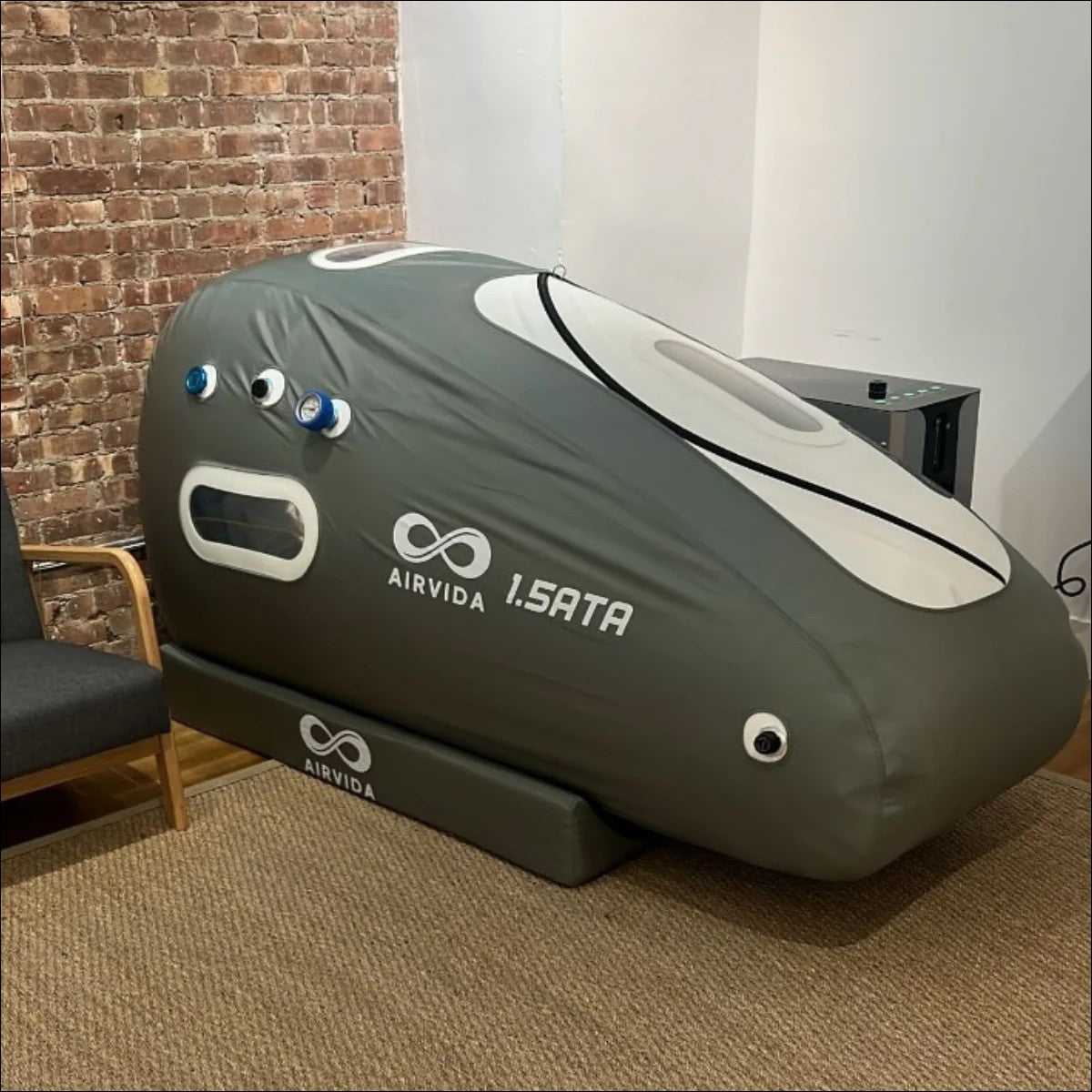
A hyperbaric chamber is a controlled environment where a person breathes oxygen at higher-than-normal atmospheric pressure. Inside the chamber, oxygen dissolves more efficiently into the bloodstream. This allows oxygen to reach tissues that may not receive enough under normal conditions.
Hyperbaric oxygen therapy, often called HBOT, has long been used in medical settings for wound healing, radiation injury, and decompression sickness. By delivering high levels of oxygen under pressure, HBOT may promote tissue repair, reduce inflammation, and support recovery, making it an increasingly explored adjunct therapy for various health conditions.
How Hyperbaric Oxygen Therapy Works

During a session, atmospheric pressure is increased while the user breathes concentrated oxygen. This process raises oxygen levels in the blood plasma. Higher oxygen availability can support cellular repair, circulation, and immune response. These effects are why HBOT is explored for inflammatory and recovery-related conditions.
Sessions typically last between 60 and 90 minutes, depending on the protocol and chamber type.
Medical vs Mild Hyperbaric Chambers
There are different types of hyperbaric chambers available today.
Medical-grade chambers operate at higher pressures and are commonly used in hospitals. Mild hyperbaric chambers operate at lower pressures and are often used in wellness or recovery-focused settings.
Both aim to improve oxygen delivery, but pressure levels and clinical oversight differ significantly. Hyperbaric oxygen therapy typically involves controlled high-pressure environments and professional monitoring, whereas other oxygen-based treatments may use lower pressures or home-based approaches. Understanding these differences is important for safety, effectiveness, and choosing the most appropriate therapy under medical guidance.
Will Hyperbaric Chamber Help Arthritis?
The question many people ask is simple: will hyperbaric chamber help arthritis symptoms like pain, stiffness, and inflammation? While hyperbaric oxygen therapy is not a cure for arthritis, it may support joint health in several meaningful ways.
Oxygen and Joint Tissue Repair
Joint tissues such as cartilage, ligaments, and tendons rely on oxygen for repair and maintenance. In arthritic joints, inflammation can restrict oxygen flow. Hyperbaric oxygen therapy increases oxygen saturation in the blood plasma. This can enhance oxygen delivery to inflamed or damaged joint tissues.
Improved oxygen levels may help support tissue recovery and reduce discomfort associated with low oxygen environments inside damaged joints. By enhancing oxygen delivery, hyperbaric therapy could promote healing, decrease inflammation, and improve joint function, offering potential relief and better mobility when used as part of a comprehensive arthritis management plan.
Reducing Inflammation and Swelling
Inflammation is a major contributor to arthritis pain. HBOT has been studied for its potential anti-inflammatory effects. Higher oxygen levels may help regulate inflammatory responses and reduce oxidative stress in tissues.
For some users, this translates into reduced joint swelling and improved flexibility after consistent sessions.
Supporting Pain Management and Mobility
Chronic pain often leads to reduced movement, which can worsen joint stiffness. By supporting circulation and tissue oxygenation, hyperbaric therapy may help users feel more comfortable moving their joints.
This increased mobility can complement physical therapy, stretching routines, and low-impact exercise programs.
How Hyperbaric Therapy Fits Into Arthritis Care
Arthritis management usually involves multiple approaches rather than a single solution. Hyperbaric oxygen therapy is commonly used as a supportive or complementary option, not a replacement for medical treatment.
Comparison With Traditional Arthritis Treatments

Below is a general comparison of common arthritis management options.
|
Treatment Option |
Primary Purpose |
Long-Term Use |
|
Pain medications |
Symptom relief |
Limited by side effects |
|
Physical therapy |
Improve mobility |
Ongoing |
|
Anti-inflammatory drugs |
Reduce inflammation |
Often short-term |
|
Hyperbaric oxygen therapy |
Support healing and circulation |
Used as adjunct therapy |
HBOT focuses on internal healing support rather than masking symptoms.
Which Arthritis Types May Benefit Most
People with osteoarthritis often explore HBOT for joint stiffness and wear-related discomfort. Those with inflammatory arthritis may use it alongside medical supervision to support recovery and comfort. Individual results vary based on arthritis type, severity, and overall health.
Practical Benefits People Report
People exploring hyperbaric oxygen therapy for joint discomfort often describe several practical outcomes. Improved morning stiffness is one commonly mentioned benefit. Others report feeling less joint tightness after consistent sessions.
Some users notice better tolerance for physical activity or daily movement. These experiences are not universal but help explain the growing interest in oxygen-based recovery methods.
Hyperbaric Collections You May Want to Shop

Choosing the Right Hyperbaric Option
Selecting the right chamber and provider matters when exploring HBOT.
If you are looking for structured therapy options, explore Hyperbaric Oxygen Therapy in Dallas, Texas, for professionally guided sessions. For neurological recovery or post-event care, Hyperbaric Stroke Therapy programs may offer specialized protocols.
Understanding chamber type, session frequency, and professional oversight helps ensure a safe experience.
Safety Considerations and Expectations
Hyperbaric oxygen therapy is generally well-tolerated when used correctly. However, it is important to understand realistic expectations. HBOT does not reverse arthritis damage. Instead, it may support symptom management and comfort.
Consistency is often required to notice benefits. Many users complete multiple sessions over weeks. Before starting, consult with a healthcare professional, especially if you have underlying health conditions.
Supporting Therapies That Pair Well With HBOT
Hyperbaric therapy works best when combined with healthy lifestyle choices.
Gentle exercise improves circulation and joint strength. Anti-inflammatory nutrition supports long-term joint health. Adequate hydration and sleep also influence inflammation levels.
For a deeper understanding of recovery benefits, read about Hyperbaric Chamber Bed Benefits and how chamber design affects comfort.
If cognitive fatigue or mental clarity is a concern alongside joint pain, Hyperbaric Chamber for Brain Fog offers additional insights.
Key Considerations Before Starting
Below is a quick reference to help evaluate if HBOT may be a good fit.
|
Factor |
Why It Matters |
|
Arthritis type |
Inflammatory vs degenerative response |
|
Session consistency |
Benefits build over time |
|
Medical guidance |
Ensures safety |
|
Combined care |
Best results with lifestyle support |
Final Takeaway: Will Hyperbaric Chamber Help Arthritis
Exploring new supportive therapies can feel overwhelming when living with chronic joint pain. While results vary, will hyperbaric chamber help arthritis remains a valid question for those seeking additional comfort, mobility, and inflammation support.
Used alongside traditional care, hyperbaric oxygen therapy may offer meaningful benefits for joint health and quality of life. By potentially reducing inflammation, supporting tissue repair, and improving oxygen delivery to affected areas, it can complement existing treatments, helping individuals manage discomfort and maintain mobility under the guidance of healthcare professionals.
Frequently Asked Questions
Is hyperbaric oxygen therapy good for arthritis?
Hyperbaric oxygen therapy may support arthritis management by improving oxygen delivery and reducing inflammation. While it is not a cure, higher oxygen levels can help joint tissues function more efficiently. Many people use HBOT alongside physical therapy, medication, or lifestyle changes. Results depend on arthritis type, consistency of sessions, and overall health. Consulting a healthcare provider helps determine if this approach fits your arthritis plan.
What is the most effective treatment for arthritis?
The most effective arthritis treatment is usually a combination of approaches rather than a single solution. This often includes medication for pain and inflammation, physical therapy for mobility, and lifestyle adjustments like weight management and exercise. Supportive therapies such as hyperbaric oxygen therapy may complement these methods by promoting circulation and tissue support. Individual treatment plans vary widely based on arthritis type and severity.
Can a hyperbaric chamber help with inflammation?
A hyperbaric chamber may help manage inflammation by increasing oxygen levels in the bloodstream. Higher oxygen availability can influence inflammatory responses and support tissue recovery. Some users report reduced swelling and discomfort after consistent sessions. HBOT is commonly used as a supportive therapy and should be part of a broader inflammation management strategy under professional guidance.
Who should not use a hyperbaric chamber?
People with certain medical conditions should avoid hyperbaric chambers unless cleared by a professional. This includes individuals with untreated pneumothorax, certain lung conditions, or ear pressure problems. Pregnant individuals and those with severe respiratory issues should also seek medical advice first. Proper screening ensures safety and helps determine whether hyperbaric oxygen therapy is appropriate.