


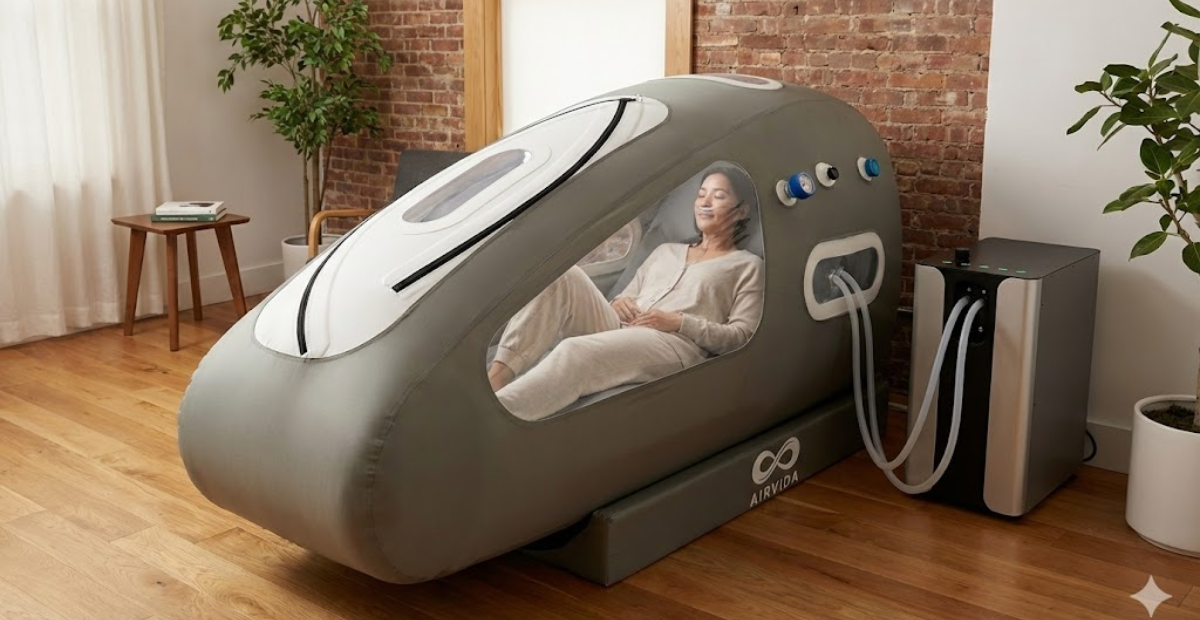
If you are wondering whether a hyperbaric chamber for brain fog can truly help sharpen mental clarity, the short answer is that many people report reduced symptoms after consistent HBOT use. These improvements often come from increased oxygen delivery, reduced inflammation, and better cellular repair in the brain.
Brain fog affects millions of people recovering from illness, chronic stress, post-concussion symptoms, or long-term inflammation. A hyperbaric chamber can support your brain’s natural healing pathways by increasing the amount of oxygen your tissues absorb during therapy. In this guide, you will learn what HBOT does, why it may help, and which chamber options make sense for different situations.

What Is Brain Fog and Why Does It Happen?
Brain fog is not a medical diagnosis, but it is a very real collection of symptoms that interfere with daily life. People often describe it as mental heaviness, forgetfulness, or difficulty concentrating.
Symptoms may include:
-
Slowed thinking
-
Memory issues
-
Reduced attention span
-
Trouble processing information
-
Fatigue or low motivation
While common, brain fog has specific underlying causes that HBOT can help address.
Common Triggers Behind Brain Fog
Brain fog usually arises from one or more of these factors:
-
Inflammation in the brain
-
Poor oxygen delivery to neurons
-
Chronic stress or poor sleep
-
Hormonal changes
-
Viral infections and post-viral long-term symptoms
-
Concussion, mild TBI, or physical injury
-
Immune-related issues
-
Nutrient deficiencies
Each of these triggers can impair how fast your neurons fire and how well your brain regenerates. A hyperbaric chamber improves these functions by creating an oxygen-rich environment that supports cell recovery.
Hyperbaric Chambers You May Want to Shop


How A Hyperbaric Chamber Supports Cognitive Clarity
Hyperbaric oxygen therapy (HBOT) works by increasing the amount of oxygen dissolved in your blood under controlled pressure. This helps oxygen reach inflamed or damaged areas that normally do not receive an adequate supply.
Below is a simple breakdown of why HBOT is often considered for foggy thinking:
Why Oxygen Matters for Cognitive Function
Your brain uses about 20 percent of your total oxygen supply. When it is deprived of even small amounts, you may notice issues with memory, attention, and mental performance.
HBOT increases oxygen availability in three main ways:
1. Higher oxygen saturation
With higher oxygen saturation, your bloodstream delivers oxygen more efficiently throughout the body. This means oxygen can reach areas that are typically hard to supply, including tissues affected by stress or fatigue. Improved oxygen delivery supports overall cellular function, mental clarity, and physical performance, helping your body operate at a more optimal level.
2. Reduced inflammation
Increased oxygen availability can help modulate the body’s inflammatory response. By calming inflammatory pathways that often contribute to brain fog, sluggishness, or fatigue, tissues recover more effectively. Reduced inflammation supports smoother cognitive function, less mental haze, and faster recovery from stressors or minor injuries, allowing both mind and body to perform better.
3. Improved mitochondrial energy
Mitochondria, the cell’s power generators, produce energy more efficiently when supplied with adequate oxygen. This enhanced energy production helps the brain operate at peak function, improving alertness, focus, and mental stamina. Better mitochondrial performance also supports physical vitality, reduces feelings of fatigue, and promotes overall health by powering essential cellular processes effectively.
This explains why many people feel noticeably sharper after a series of HBOT sessions.
What HBOT Feels Like and What to Expect
A session involves sitting or lying inside a soft or hard hyperbaric chamber while pressurized oxygen fills the space. Most treatments last between 60 and 90 minutes.
Typical sensations during a session:
-
Pressure in the ears (similar to airplane takeoff)
-
Gradual deep relaxation
-
Warmth or mild vibrations inside the chamber
-
Feeling refreshed afterward
Most people describe the experience as calming and comfortable.
Who Benefits Most From HBOT for Brain Fog?
While cognitive sluggishness can affect anyone, certain groups often experience particularly noticeable benefits. Individuals recovering from illness, those with high mental workloads, people experiencing fatigue or stress, and older adults with age-related cognitive decline may respond especially well. Enhanced oxygenation and mental clarity can make daily tasks and focus significantly easier.
1. Post-Viral Recovery
People recovering from viral infections often experience chronic inflammation and oxygen imbalances. HBOT helps reduce symptoms by supporting vascular function and cellular repair.
2. Post-Concussion or Mild TBI
HBOT is widely explored for supporting brain tissue healing and cognitive recovery after injury.
3. Chronic Fatigue or Stress
Persistent exhaustion often limits oxygen supply to the brain. HBOT increases oxygen delivery and helps restore energy balance.
4. Aging Adults
As circulation slows with age, extra oxygen helps revitalize cognitive function and memory.
5. Individuals With Hypoxia-Related Conditions
For people with certain oxygen-limiting conditions, exploring therapies like oxygen-supporting programs (see the oxygen therapy options found in the Pneumothorax and Hypertension Oxygen Therapy Collection) can support overall brain health.
Explore the pneumothorax and hypertension oxygen therapy solutions here
Table 1: Common Causes of Brain Fog and How HBOT Helps
|
Common Trigger |
How It Affects the Brain |
How HBOT Supports It |
|
Inflammation |
Slows neural communication |
Increases oxygen, reduces inflammation |
|
Poor blood flow |
Limits oxygen to neurons |
Enhances circulation and oxygen delivery |
|
Post-viral fatigue |
Causes oxidative stress |
Supports immune balance and energy recovery |
|
Concussion/TBI |
Damages brain cells |
Promotes tissue repair and oxygenation |
|
Chronic stress |
Reduces oxygen efficiency |
Boosts oxygen utilization and cellular energy |
How Many Sessions Do You Need for Results?
Improvements vary based on each person’s condition. However, many individuals report noticeable changes after 10 to 20 sessions.
Typical HBOT timelines:
-
1–5 sessions: Improved energy, slight mental clarity
-
10–20 sessions: Reduced fogginess, better focus
-
30+ sessions: Deeper cognitive restoration, sustained improvements
Consistency makes a significant difference because oxygenation benefits accumulate.

How to Choose the Right Hyperbaric Chamber for Brain Fog
Your choice depends on your goals, health needs, and how frequently you plan to use the chamber.
There are three types:
-
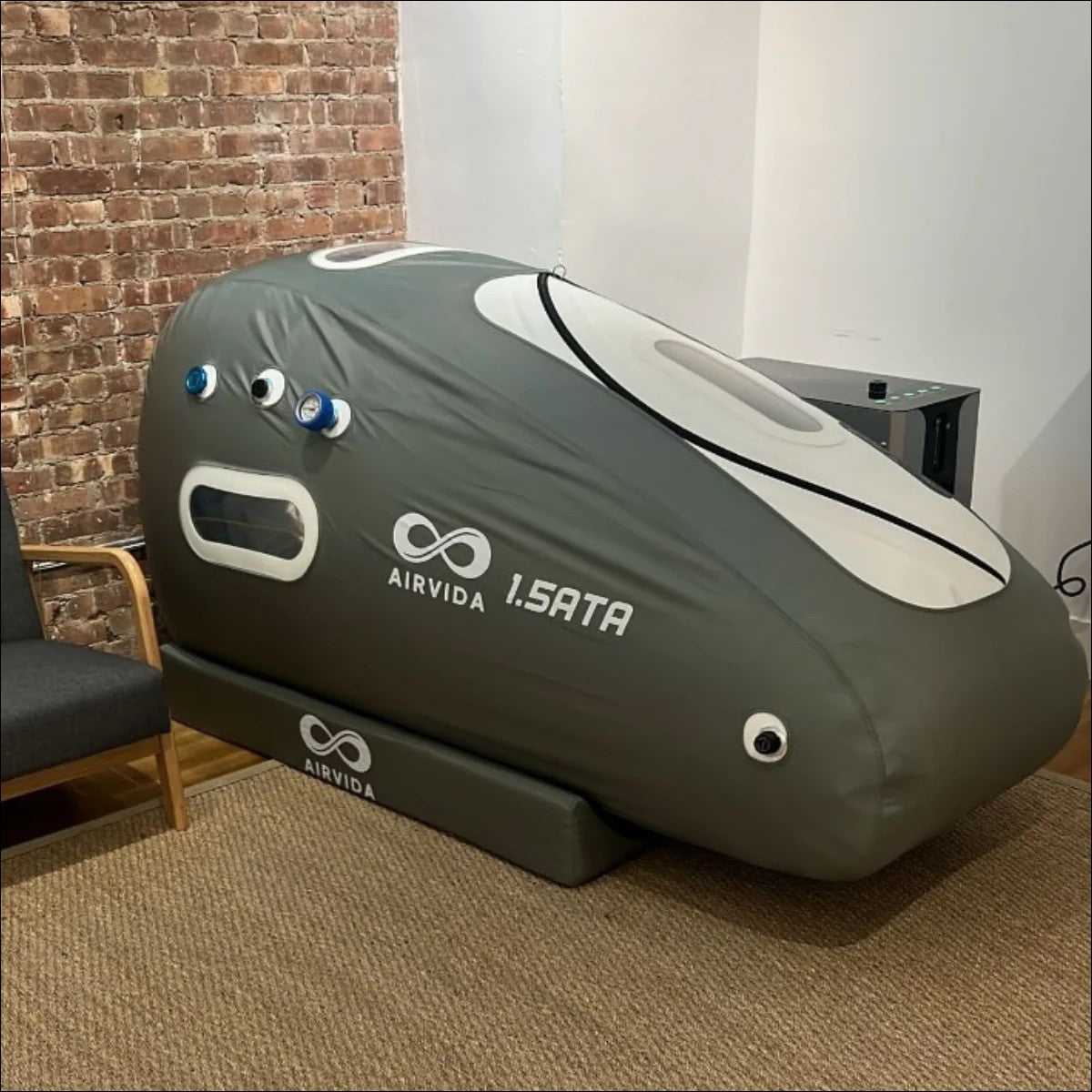
Soft chambers (mHBOT) – great for home use
-
Hard chambers – clinic-level pressure, deeper results
-
Mild soft chambers with oxygen concentrators – enhanced home performance
Hyperbaric Collections You May Want to Shop

Below is a simple comparison:
Table 2: Chamber Types and Their Benefits
|
Chamber Type |
Best For |
Advantages |
|
Soft Chamber |
Home users, beginners |
Affordable, comfortable, regular use |
|
Soft Chamber + Oxygen Concentrator |
People needing a stronger oxygen flow |
Better brain oxygenation, convenient |
|
Hard Chamber |
Severe cognitive or neurological issues |
Highest pressure, fastest tissue recovery |
Pairing HBOT With Other Helpful Therapies
Many users combine HBOT with complementary approaches to enhance results. Some supportive strategies include:
• Red light therapy
Targets cellular energy production and can support recovery when combined with oxygen therapy.
Learn about the best red light therapy for hair growth and cellular support
• Lifestyle adjustments
Better sleep, hydration, and nutrient intake enhance cognitive improvements.
• Stress reduction routines
Meditation and breathing work amplify HBOT benefits by improving oxygen efficiency.
• Seasonal treatment programs
Some users take advantage of seasonal HBOT options offered by specialists.
Check the best HBOT holiday sale recommendations here.
• Oxygen therapy support for underlying conditions
If brain fog stems from oxygen-related issues, explore the pulmonary hypertension oxygen therapy collection to see compatible solutions.

Practical Tips for Success With HBOT
Here are simple but powerful ways to enhance each session:
-
Stay hydrated before and after therapy
-
Eat lightly beforehand
-
Wear comfortable clothing
-
Use consistent session schedules
-
Track your cognitive changes weekly
-
Add recovery-based supplements with your healthcare provider’s approval
These steps make your experience smoother and support quicker improvements.
Safety Information and When to Use Caution
HBOT is widely considered safe when used correctly. However, it may not be suitable in certain cases without medical supervision.
Use caution or ask a doctor if you have:
-
Chronic sinus issues
-
Active respiratory infections
-
Ear pressure problems
-
Existing oxygen toxicity concerns
-
Severe pulmonary disorders
Highly specialized oxygen therapy support can be found by exploring more advanced chambers or specific condition-focused collections.
Conclusion: Hyperbaric Chamber for Brain Fog
A hyperbaric chamber for brain fog gives many people a practical, non-invasive path toward clearer thinking, better focus, and improved energy. The enhanced oxygenation reduces inflammation and helps the brain recover from injuries, illnesses, and chronic stress. By pairing the right chamber with healthy habits and consistent use, you can create a long-term improvement plan that supports sharper cognitive function and overall mental wellness.
For more guidance on optimizing your oxygen therapy journey, explore the condition-focused collections and supportive resources available throughout the site. Your recovery path becomes clearer when you combine the right tools, education, and routine.
Frequently Asked Questions: Hyperbaric Chamber for Brain Fog
Does HBOT help with brain fog?
Yes, HBOT helps brain fog by increasing oxygen delivery to brain tissue, which supports healing, reduces inflammation, and improves cellular energy. Many people notice sharper focus and better memory after several sessions. The therapy works by saturating the body with oxygen at a higher pressure, allowing deeper penetration into damaged or inflamed areas that normally receive limited oxygen.
What is the best treatment for brain fog?
The best treatment for brain fog depends on its underlying cause, but HBOT is among the most promising non-invasive options. Many individuals combine HBOT with red light therapy, anti-inflammatory nutrition, quality sleep, hydration, and stress management. Because brain fog is multifaceted, pairing oxygen therapy with lifestyle changes helps create consistent improvements and better overall cognitive balance.
Does hyperbaric oxygen therapy help the brain?
Yes, hyperbaric oxygen therapy helps the brain by improving blood flow, increasing neuronal oxygen levels, reducing inflammatory markers, and stimulating tissue regeneration. Research suggests HBOT can support recovery after concussion, post-viral fatigue, and neurological stress. These benefits translate into sharper thinking, better memory recall, and improved mental endurance when used consistently.
Can lack of oxygen cause brain fog?
Absolutely. Lack of oxygen can cause brain fog because your neurons rely on steady oxygen flow to produce energy and process information. When oxygen levels drop, even slightly, cognitive performance slows, and symptoms like fatigue, forgetfulness, and slow processing appear. HBOT helps correct this imbalance by delivering higher oxygen levels directly to tissues that often remain undersupplied during stress or illness.