


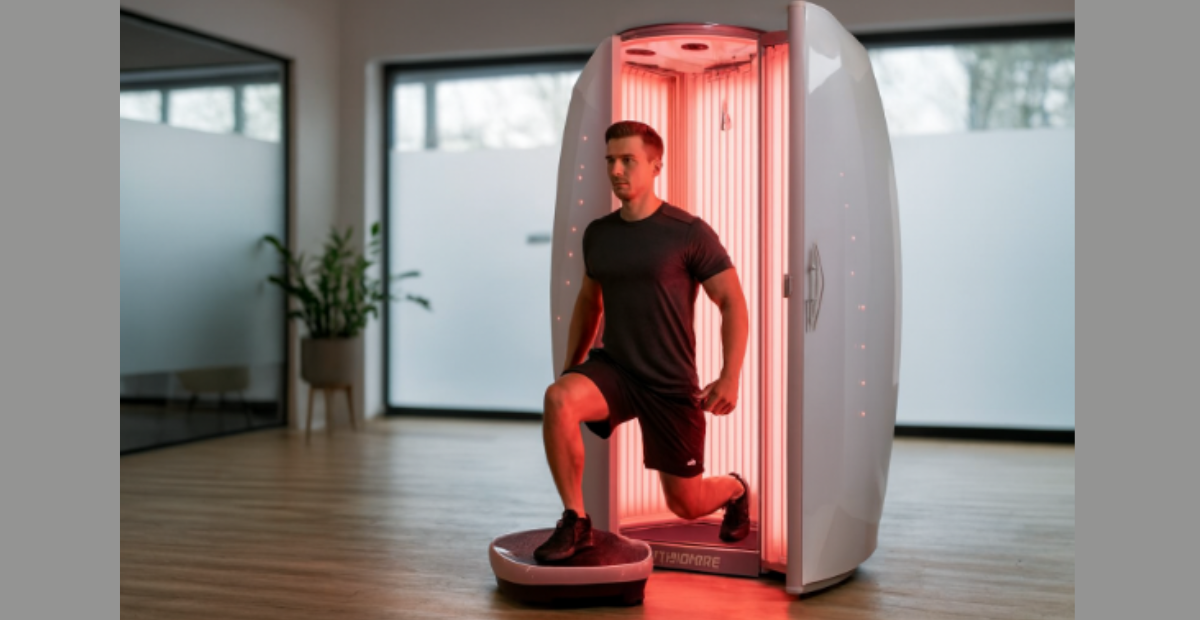
Vibration plate exercises can activate muscles, improve circulation, and support recovery in as little as 10 minutes a day. They work by creating rapid vibrations that force your muscles to contract more times than traditional movements alone.
Used correctly, they are not a shortcut replacement for movement but a powerful support tool for strength, balance, and whole-body wellness. When combined with regular exercise, mobility work, and recovery-focused habits, they can enhance training efficiency, reduce strain, and help maintain consistent progress over time.
Understanding Vibration Plate Training
Vibration plate training is built around one simple idea: mechanical vibration challenges your muscles to respond faster and more frequently than standard exercise. Instead of lifting heavier weights or increasing reps, the plate increases neuromuscular demand through controlled vibration.
This approach has been used for decades in physical therapy, sports performance, and rehabilitation settings before becoming popular in wellness studios and home gyms, where recovery trends evolved. It also aligns with research on nervous system regulation, including insights from the vagus nerve function guide for modern holistic health practices.
How Vibration Plates Work on the Body

A vibration plate generates rapid oscillations, usually between 20 and 50 vibrations per second. When you stand, sit, or place your hands on the platform, those vibrations travel through your muscles and joints. Your body responds with involuntary muscle contractions known as the tonic vibration reflex. This reflex causes muscles to activate repeatedly without conscious effort.
Instead of holding a squat with static tension, your muscles engage dozens of times per second just to maintain stability. Over time, this repeated activation can support strength, coordination, and muscular endurance.
The Science Behind Muscle Activation
Electromyography studies show that vibration-based movement increases muscle fiber recruitment compared to the same exercise performed on the floor. Fast-twitch and slow-twitch fibers are both stimulated due to the rapid changes in muscle length.
This makes vibration platforms particularly useful for people who struggle with traditional resistance training, including older adults, those recovering from injury, or individuals dealing with joint limitations.
At the same time, the nervous system plays a major role. Because balance is constantly challenged, stabilizing muscles and deep core muscles are activated more intensely than during standard exercises. This neuromuscular engagement may also complement recovery-focused approaches discussed in will hyperbaric chamber help arthritis? for joint support and mobility.
Vibration Therapy Machines You May Want to Shop
Explore More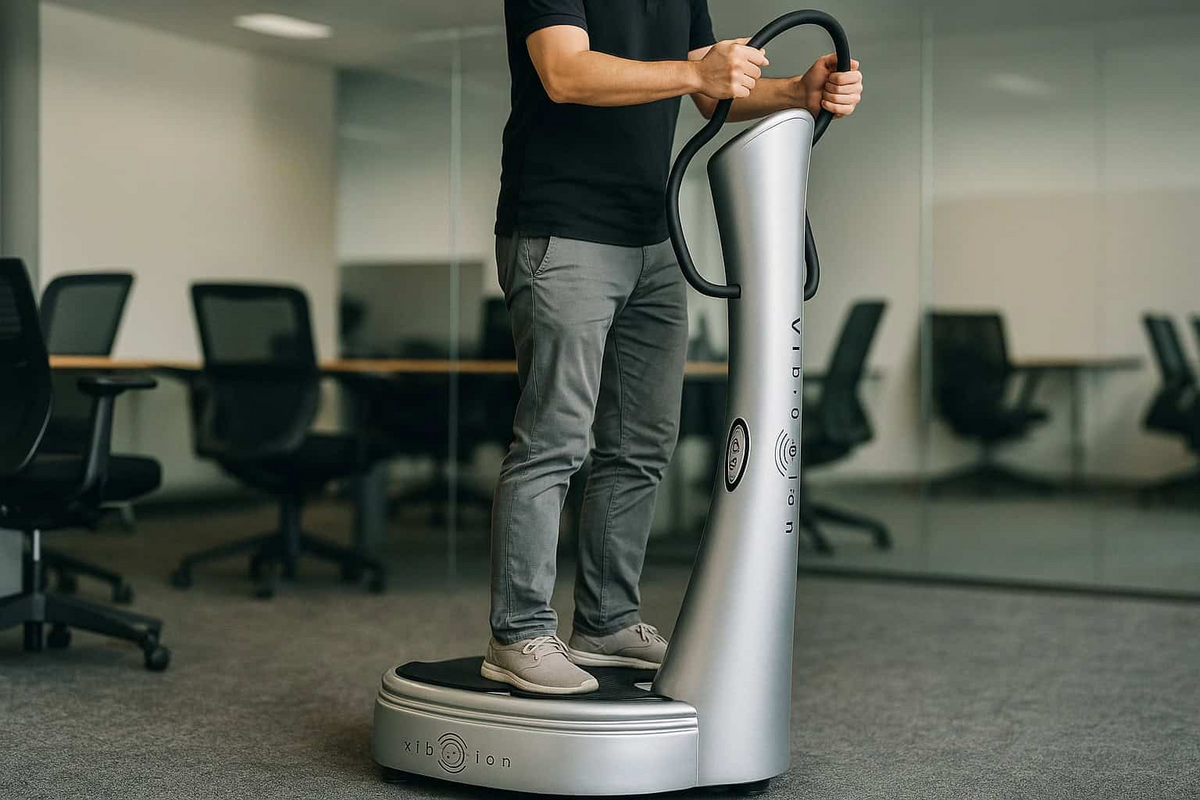


Who Benefits Most From Vibration Plate Training
Vibration plate training is not limited to athletes. Its benefits span multiple populations:
-
Individuals seeking low-impact strength support
-
People recovering from injury or surgery
-
Adults focused on balance and fall prevention
-
Wellness-focused users supporting circulation and mobility
For people already engaging in strength training, vibration platforms are often used as a supplement rather than a replacement.
Why Short Sessions Are So Effective
One of the most common questions around vibration platforms is why sessions are usually limited to short timeframes. Unlike steady-state cardio or traditional resistance workouts, vibration-based training creates a high level of neuromuscular stimulation in a compressed period.
Why 10 Minutes Is Often Enough
During vibration exposure, muscles are contracting repeatedly at a rapid pace. This creates significant fatigue even though movements appear simple.
Extending sessions beyond recommended durations does not necessarily improve results and may increase nervous system fatigue. Most protocols focus on short bursts with rest periods to allow the body to reset.
Clinical and fitness-based programs commonly use 30 to 60 second intervals with brief rest between positions. This structure allows high-quality activation without excessive strain.
Nervous System Load and Recovery
The nervous system adapts differently from muscles. Because vibration training heavily involves reflexive responses, overstimulation can lead to diminished returns if sessions are too long.
Short, controlled sessions support better consistency and recovery, making vibration platforms appealing for daily or near-daily use without overwhelming the body. Many wellness seekers pair this approach with local recovery options like the hyperbaric chamber Marietta, GA collection for a more balanced, supportive routine.
Comparing Traditional Workouts vs Vibration Sessions
|
Training Type |
Typical Session Length |
Primary Load |
Recovery Demand |
|
Traditional strength |
45–60 minutes |
Mechanical |
Moderate to high |
|
Cardio training |
30–60 minutes |
Metabolic |
Moderate |
|
Vibration training |
5–15 minutes |
Neuromuscular |
Low to moderate |
This efficiency is one of the reasons vibration platforms are commonly used alongside other recovery-focused modalities.
Practical Exercises That Work Well on a Vibration Platform

The effectiveness of a vibration platform depends heavily on how it is used. Simply standing passively can support circulation, but intentional positioning produces better results.
Lower Body Positions That Deliver Results
Slight knee bends or shallow squat positions are commonly used to activate the thighs, glutes, and calves. Keeping joints soft rather than locked allows vibrations to be absorbed by muscle tissue instead of joints.
Heel raises help engage the calves and ankle stabilizers. These are especially useful for balance training and circulation support in the lower legs. Wide stances can shift focus toward the inner thighs and hip stabilizers, while narrow stances increase the challenge to balance and core engagement.
Upper Body and Core Engagement
Placing hands on the platform in a plank or modified push-up position increases shoulder, chest, and arm activation. Even short holds can feel intense due to constant micro-adjustments.
Seated positions with feet on the platform can stimulate core muscles and lower back stabilizers without spinal compression. These positions are often used in rehabilitation environments where the load must be controlled carefully.
Balance and Stability Focus
Standing on one leg or shifting weight side to side increases proprioceptive demand. This type of training is especially useful for aging populations or those recovering from lower-body injuries.
Balance-focused work on vibration platforms is frequently paired with breathing techniques to enhance nervous system regulation, helping users stay relaxed while improving control and stability. This mindful approach is often combined with complementary recovery options such as hyperbaric oxygen therapy in Naples, Florida, for a more well-rounded wellness routine.
Which Goals Does Vibration Training Support Best
Vibration platforms are not a universal solution, but they are effective when matched with the right goals.
Strength and Muscle Engagement
While they do not replace progressive overload from traditional strength training, vibration platforms enhance muscle engagement during bodyweight positions. They are particularly useful for activating muscles before workouts or maintaining muscle engagement during recovery phases.
Circulation and Lymphatic Support
Vibration stimulates blood flow and lymphatic movement, which can reduce feelings of heaviness or stiffness. Many users report a sensation similar to a light massage after sessions. This makes vibration platforms popular in wellness environments focused on recovery, inflammation management, and overall circulation support.
Balance and Coordination
Because the body must constantly adapt to instability, balance and coordination improve over time. This benefit extends beyond fitness into daily movement confidence.
Integrating Vibration Training Into a Wellness Routine
Vibration platforms are often most effective when combined with other wellness modalities rather than used in isolation.
Facilities that offer recovery-focused environments frequently pair vibration platforms with therapies designed to support oxygenation, circulation, and nervous system regulation. For example, wellness centers offering hyperbaric chamber services in Madison, WI often integrate vibration platforms as part of a broader recovery plan.
Pairing With Breath and Nervous System Support
Vibration training naturally stimulates sensory receptors throughout the body. When paired with controlled breathing, it may support parasympathetic activation.
Timing Within a Session
Some users prefer vibration training before movement as a warm-up. Others use it afterward to support circulation and relaxation. There is no single correct approach, but consistency and listening to the body matter more than intensity.
Common Mistakes to Avoid
While vibration platforms are simple to use, certain mistakes can reduce their effectiveness. Standing with locked joints may transfer vibration into joints rather than muscles. This reduces benefit and increases discomfort.
Using excessively high settings too soon can overwhelm the nervous system. Gradual progression leads to better adaptation. Treating vibration training as a replacement for all movement may limit results. It works best as a supplement.
Real-World Use Cases and Practical Tips
People who see the best results tend to follow simple guidelines. Short, frequent sessions outperform long, infrequent ones. Two or three short sessions per week can be enough for noticeable changes.
Wearing supportive footwear or standing barefoot, depending on comfort, can change how vibration is absorbed. Staying hydrated helps support circulation and recovery, especially when vibration is used regularly.
Equipment Considerations and Safety

Not all vibration platforms are the same. Some use vertical vibration, while others use oscillating or side-alternating motion. Lower amplitude machines are often preferred for beginners or rehabilitation settings. Higher amplitude platforms may be used under professional supervision.
People with certain conditions should consult a professional before use. This includes pregnancy, recent surgery, or advanced cardiovascular conditions. Understanding how pressure and force interact with the body is important. Educational resources on topics like hyperbaric chamber pressure often help users understand how controlled stress can support adaptation when applied correctly.
Data Snapshot: Benefits by Use Case
|
Goal |
Primary Benefit |
Typical Session |
|
Muscle activation |
Increased fiber recruitment |
5–10 minutes |
|
Balance |
Improved stability |
3–5 positions |
|
Circulation |
Enhanced blood flow |
Passive or light stance |
|
Recovery |
Reduced stiffness |
Low intensity |
Practical Example Routine

A simple routine might include:
-
60 seconds standing with a slight knee bend
-
30 seconds rest
-
45 seconds calf raises
-
30 seconds rest
-
60 seconds plank with hands on the platform
This structure keeps total exposure under 10 minutes while delivering broad benefits.
Final Perspective on Vibration Plate Exercises
When used intentionally, vibration plate exercises offer an efficient way to support muscle activation, balance, and circulation without long workouts. They are not about doing more, but about stimulating the body smarter.
By understanding how vibration affects the nervous system and muscles, users can integrate short sessions into a broader wellness routine with confidence and clarity.
Frequently Asked Questions
Do vibration plates actually work as a workout?
Yes, vibration plates can function as a workout when used correctly, especially for muscle activation and stability. The vibrations force muscles to contract repeatedly to maintain balance, which increases engagement even during simple positions. While they may not replace heavy resistance training for building maximum strength, they are effective for improving neuromuscular coordination, balance, and low-impact conditioning. Many physical therapy and sports recovery programs use vibration platforms to supplement traditional training, particularly when joint stress must be limited.
Why only 10 minutes on the vibration plate?
Ten minutes is usually sufficient because vibration creates rapid neuromuscular stimulation in a short time. Muscles and the nervous system are activated far more frequently than during standard movements. Extending sessions does not always increase benefits and may increase fatigue. Short, controlled exposure allows the body to respond and recover effectively, which is why most protocols emphasize brief intervals rather than long workouts.
What are the best exercises to do on a vibration plate?
The best exercises are simple positions that allow muscles to absorb vibration, such as slight squats, calf raises, planks, and balance stances. These positions engage large muscle groups and stabilizers without complex movement patterns. Upper-body work, like push-up holds and seated core position,s also performs well. The key is maintaining proper posture and soft joints so the vibration stimulates muscle tissue rather than stressing joints.
Can you lose belly fat on a vibration plate?
Vibration training alone does not directly burn belly fat, but it can support overall fat loss as part of a broader routine. Fat reduction depends on energy balance, nutrition, and overall activity. Vibration platforms may help by increasing muscle activation, improving circulation, and supporting consistency in movement for people who struggle with traditional exercise. When combined with healthy habits, they can contribute indirectly to body composition improvements.