


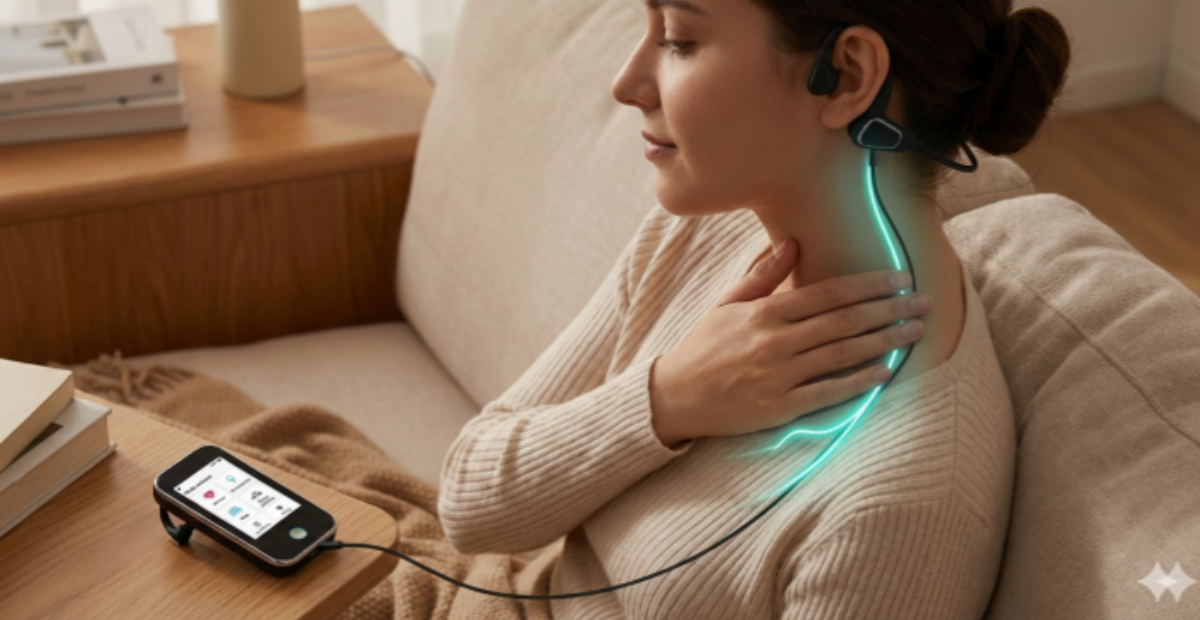
Vagus nerve massage works by gently stimulating the longest cranial nerve in the body to help calm the nervous system, improve heart rate regulation, and support digestion. It is commonly used to activate the parasympathetic response, helping the body shift from stress mode into a state of rest and recovery.
This guide explains how this technique works, why it matters for nervous system health, and which methods are considered safest and most effective based on physiology and real-world use. It also explores practical considerations, potential benefits, limitations, and when professional guidance may be appropriate.
Understanding the Vagus Nerve and Its Role

The vagus nerve is a key communication highway between the brain and major organs. It plays a central role in how the body responds to stress, recovers from exertion, and maintains internal balance.
For deeper insight into this role, the article on Vagus Nerve Tachycardia After Eating explains how digestive and cardiac signals intersect through the vagus nerve.
What the Vagus Nerve Controls in the Body
The vagus nerve originates in the brainstem and travels down through the neck, chest, and abdomen. Along its path, it influences several critical functions related to heart rate, digestion, breathing, inflammation regulation, and communication between the brain and major organs throughout the body.
-
Heart rate and blood pressure regulation
-
Breathing patterns and lung expansion
-
Digestive activity and gut motility
-
Inflammatory response and immune signaling
Because of its extensive reach throughout the body, even subtle stimulation of the vagus nerve can produce noticeable changes in how the body feels and functions. These effects may include improved relaxation, better digestion, reduced stress responses, and enhanced communication between the brain and vital organs, supporting overall well-being.
Why Vagal Tone Matters
Vagal tone refers to how efficiently the vagus nerve can respond to signals from the brain and body. Higher vagal tone is often linked to improved stress resilience, enhanced emotional regulation, more balanced heart rate, better digestion, reduced inflammation, and overall cardiovascular and nervous system health, supporting long-term well-being.
Low vagal tone, on the other hand, has been linked to issues such as:
-
Chronic stress and anxiety
-
Irregular heart rhythm patterns
-
Poor digestion after meals
-
Slower recovery after illness or exertion
Improving vagal tone is not about forceful stimulation. It is about consistent, gentle activation that signals safety to the nervous system, which is why many people explore supportive tools such as a Vagus Nerve Stimulator to complement hands-on techniques.
How Vagus Nerve Massage Works Physiologically
Massage-based stimulation targets specific access points where the vagus nerve is closest to the surface. These areas allow sensory input to travel back to the brainstem and trigger parasympathetic activity.
The Parasympathetic Activation Response
When the vagus nerve is stimulated correctly, the body shifts away from the sympathetic “fight or flight” response. This leads to measurable physiological changes:
-
Slower, more regular heart rate
-
Deeper and more efficient breathing
-
Reduced muscle tension
-
Improved digestive secretions
This response explains why many people report feeling calm or sleepy shortly after gentle nerve stimulation.
Why Gentle Pressure Is Key
Unlike traditional muscle massage, nerve-focused techniques rely on light, sustained pressure rather than deep, forceful manipulation. Applying too much pressure can irritate surrounding tissues, trigger discomfort, and diminish the calming effect. Gentle, intentional stimulation allows the nervous system to respond positively, promoting relaxation, improved vagal tone, and overall physiological balance.
The way pressure and oxygen influence the body’s nervous system offers helpful insight into how vagus nerve massage affects physiological responses. This relationship is explained further in the article on Hyperbaric Chamber Pressure, which explores how controlled pressure environments may influence cellular signaling, circulation, and nervous system activity.
The goal is to stimulate sensory receptors in the skin and fascia, not to compress the nerve itself.
Common Techniques Used for Vagus Nerve Stimulation

There is no single method that works for everyone when it comes to vagus nerve stimulation. Different techniques target different branches of the nerve, and their effectiveness often depends on individual sensitivity, anatomy, and lifestyle factors. Experimentation, guidance, and consistency help determine which approaches provide the best results for each person.
Neck-Based Stimulation
The cervical region is one of the most common access points. Gentle circular motion along the side of the neck, just below the jawline, can activate vagal pathways.
This area is often chosen because it is easy to reach and responds well to light touch.
Ear and Auricular Stimulation
Parts of the outer ear are innervated by a branch of the vagus nerve. Light rubbing or pressure near the tragus and concha can trigger parasympathetic responses.
This method is frequently used in clinical settings due to its precision and low risk when done properly.
Breath and Posture Integration
Massage is often more effective when paired with slow nasal breathing and upright posture. This combination enhances vagal signaling by improving oxygen delivery and reducing muscular guarding.
For individuals exploring broader recovery strategies, combining nervous system regulation with oxygen-based support methods such as hyperbaric oxygen chambers may further enhance parasympathetic activation. Collections like Hyperbaric O2 Chambers are often used in wellness-focused recovery programs to support cellular repair and circulation.
Vagus Nerve Device You May Want to Shop
Explore More
When and Why People Use Vagus Nerve Massage
This technique is used across wellness, rehabilitation, and stress management settings. Its popularity comes from its simplicity and its connection to measurable nervous system responses.
Stress and Anxiety Regulation
By activating parasympathetic pathways, this approach helps lower cortisol output and supports emotional regulation. Many people incorporate it into evening routines to signal the body that it is safe to rest.
Heart Rate and Autonomic Balance
Individuals experiencing heart rate irregularities related to autonomic imbalance often explore nerve stimulation as part of a broader care strategy. This is especially relevant in cases where heart rate increases after meals or stress.
Digestive Comfort and Gut-Brain Connection
The vagus nerve plays a major role in gut motility and enzyme secretion. Gentle stimulation may help improve post-meal comfort and reduce bloating by enhancing digestive signaling.
How This Technique Compares to Other Nervous System Therapies

While massage-based methods are accessible, they are not the only way to influence vagal tone.
Comparison of Common Approaches
|
Method |
Level of Stimulation |
Accessibility |
Typical Use Case |
|
Breathing exercises |
Mild |
Very high |
Daily stress regulation |
|
Cold exposure |
Moderate |
Medium |
Resilience training |
|
Manual stimulation |
Targeted |
High |
Relaxation and balance |
|
Medical devices |
High |
Low |
Clinical intervention |
Each option works through different pathways. Manual techniques are often chosen because they allow precise, user-controlled input.
Integrating with Recovery-Based Therapies
For individuals recovering from neurological events, circulation and oxygen delivery also play a role in nervous system healing. Some rehabilitation programs integrate nerve regulation practices with Hyperbaric Stroke Therapy Collection to support overall recovery capacity.
Practical Tips for Safe and Effective Use
Consistency matters more than intensity. Short, regular sessions tend to produce better results than occasional forceful attempts.
-
Choose a quiet environment with minimal distractions
-
Use light pressure and slow movement
-
Stop immediately if dizziness or discomfort occurs
-
Pair stimulation with calm breathing
Keeping sessions brief and intentional helps reinforce safety signals to the brain, especially when following guidance outlined in Vagus Nerve Stimulation at Home
Final Thoughts on Vagus Nerve Massage

Supporting nervous system balance requires patience and an understanding of how subtle inputs influence the body. Vagus nerve massage is not a quick fix, but when used correctly, it can become a valuable part of a long-term wellness routine.
By focusing on gentle stimulation, proper timing, and complementary recovery strategies, many people find it helps reinforce the body’s natural ability to rest, digest, and recover more efficiently.
Frequently Asked Questions
What happens when you massage the vagus nerve?
When the vagus nerve is stimulated, the body shifts toward a parasympathetic state, which supports relaxation, slower heart rate, and improved digestion. This occurs because sensory input travels to the brainstem and signals that the environment is safe. As a result, stress hormones decrease while calming neurotransmitters increase. Many people notice a sense of warmth, relaxation, or deeper breathing shortly after stimulation. These responses are part of the body’s natural recovery system rather than an artificial effect.
How to self massage the vagus nerve?
Self-stimulation focuses on gentle, controlled touch in areas where the nerve is accessible, such as the side of the neck or parts of the outer ear. The key is using light pressure and slow movement rather than deep force. Pairing the technique with slow nasal breathing enhances its effectiveness. Sessions typically last a few minutes and should stop immediately if discomfort occurs. Consistency over time is more beneficial than intensity.
What is the pressure point for the vagus nerve?
There is no single pressure point, but several access areas where stimulation is effective, including the cervical region near the jawline and specific zones of the outer ear. These areas contain branches of the nerve close to the skin’s surface. Gentle contact in these regions can activate sensory receptors that communicate with the brainstem. Precision and light touch are more important than pressing hard.
What are the risks of vagus nerve massage?
Risks are generally low when proper technique is used, but excessive pressure or incorrect placement can cause dizziness, nausea, or discomfort. Individuals with cardiovascular conditions or a history of fainting should consult a healthcare professional before attempting stimulation. The technique should never cause pain or lightheadedness. Listening to the body and stopping at the first sign of adverse response is essential for safety.