


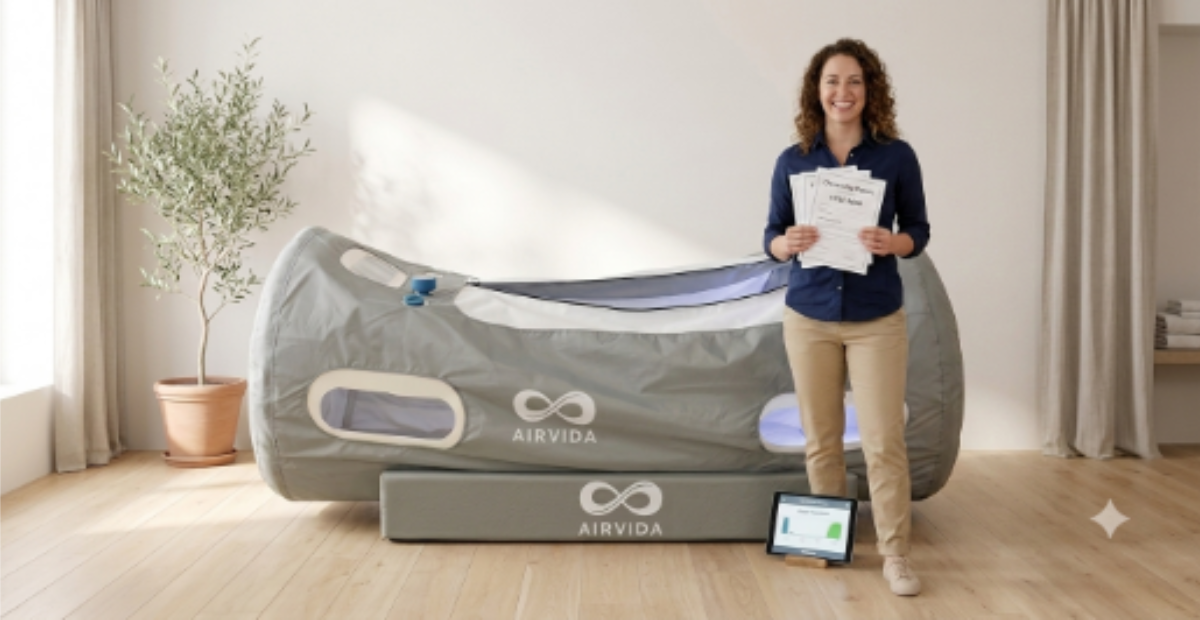
A lease to own hyperbaric chamber lets you install a chamber now, pay for it in fixed monthly installments over 24 to 60 months, and take full ownership at the end of the term, usually for a token buyout like one dollar. It's the option most clinics and serious home users choose when a $15,000–$120,000 cash purchase isn't realistic but the equipment needs to start earning or being used today.
Key Takeaways
-
Lease-to-own spreads a hyperbaric chamber's cost over monthly payments, with ownership transferring at the end of the term.
-
Soft-sided mild chambers typically run $5,000–$20,000; hard-shell and clinical units run $20,000–$150,000+, which drives your payment size.
-
Two common structures exist: $1-buyout leases (you own it, best for keepers) and fair-market-value (FMV) leases (lower payments, buy or return at term end).
-
For a clinic charging $75–$250 per session, a leased chamber can reach break-even in roughly 8–18 months at modest weekly volume.
-
Check the factor rate, total cost of financing, end-of-term terms, and equipment warranty before signing the sticker payment hides the real price.
What Is a Lease-to-Own Hyperbaric Chamber?
A lease-to-own (also called rent-to-own or a capital lease with buyout) is a financing arrangement where a leasing company buys the chamber, you pay them monthly, and title transfers to you once the contract completes. You get to use and profit from the equipment immediately while the cost is amortized over time.
This differs from a straight rental, where you never own anything, and from a cash purchase, where you own it on day one but drain your capital. Lease-to-own sits in the middle: ownership on an installment plan.
Two structures dominate the hyperbaric market:
-
$1-buyout lease (capital lease): Higher monthly payment, but you own the chamber outright for a symbolic dollar at the end. Best when you plan to keep the equipment for years.
-
Fair-market-value (FMV) lease: Lower monthly payment. At term end you choose to buy at the then-current market value, return it, or upgrade. Best when you want flexibility or expect to swap for newer technology.
Hyperbaric oxygen therapy (HBOT) equipment fits leasing well because it's durable, holds resale value, and generates recurring revenue in a clinical setting, exactly the profile leasing companies like to underwrite.
Why Leasing a Hyperbaric Chamber Matters Right Now

Demand for HBOT has moved well beyond hospitals. Physical therapy clinics, chiropractic offices, sports-recovery studios, and wellness centers are adding chambers as a recurring-revenue service, and home users are investing in personal units for recovery and longevity routines.
The barrier has always been the upfront number. A single quality unit can cost more than a year of some clinics' equipment budgets. Lease-to-own removes that wall by converting one large capital expense into a predictable operating cost that the equipment itself can help cover.
There's a practical timing angle too. Waiting to save the full purchase price means months of lost session revenue for a clinic, or months of postponed personal use. Leasing lets the asset start working while you pay for it, which is the core financial argument in its favor.
A note before you sign anything: I'm describing how these arrangements typically work, not giving you personalized financial or tax advice. Loan terms, lease accounting, and deductions like the U.S. Section 179 equipment write-off depend on your situation, so run the numbers with your accountant.
Hyperbaric Chambers You May Want to Shop
Explore More


How Lease-to-Own Works: Terms, Rates, and the Real Cost
The monthly payment you're quoted is only part of the story. Here's what actually determines the price of a lease-to-own hyperbaric chamber.
The Factor Rate and Total Cost of Financing
Leases are usually priced with a factor rate rather than a stated APR. Multiply the equipment price by the factor to estimate total payments. For example, a $30,000 chamber on a 48-month lease at a 1.28 factor means roughly $38,400 in total payments, so financing added about $8,400.
Always ask for the total cost of financing in dollars, not just the monthly figure. A low monthly payment stretched over 60 months can cost far more than a higher payment over 36.
Down Payment and First/Last Structure
Most hyperbaric leases require either a modest down payment (often 5–10%) or a "first and last month" upfront. Some vendors advertise $0 down promotions, which reduce the entry cost but usually raise the factor rate.
Term Length
Common terms run 24, 36, 48, or 60 months. Shorter terms mean higher payments but less total interest; longer terms ease cash flow but cost more overall. Match the term to how long you realistically expect to use the chamber.
Approval and Credit
Equipment leasing generally approves faster than traditional bank loans, sometimes within 24–48 hours, because the chamber itself is the collateral. Strong business or personal credit unlocks the best factor rates; newer businesses may need a personal guarantee.
Hyperbaric Collections You May Want to Shop

What a Hyperbaric Chamber Actually Costs
Your payment scales directly with the chamber you choose, so understanding price tiers is the foundation of any lease decision.
|
Chamber Type |
Pressure (typical) |
Cash Price Range |
Best For |
|
Soft-sided mild chamber |
~1.3 ATA |
$5,000 – $20,000 |
Home use, wellness studios, entry-level clinics |
|
Hard-shell single-user |
1.3 – 2.0 ATA |
$20,000 – $60,000 |
Clinics, sports recovery, premium home |
|
Clinical / medical-grade |
2.0 – 3.0 ATA |
$60,000 – $150,000+ |
Wound care, licensed medical practices |
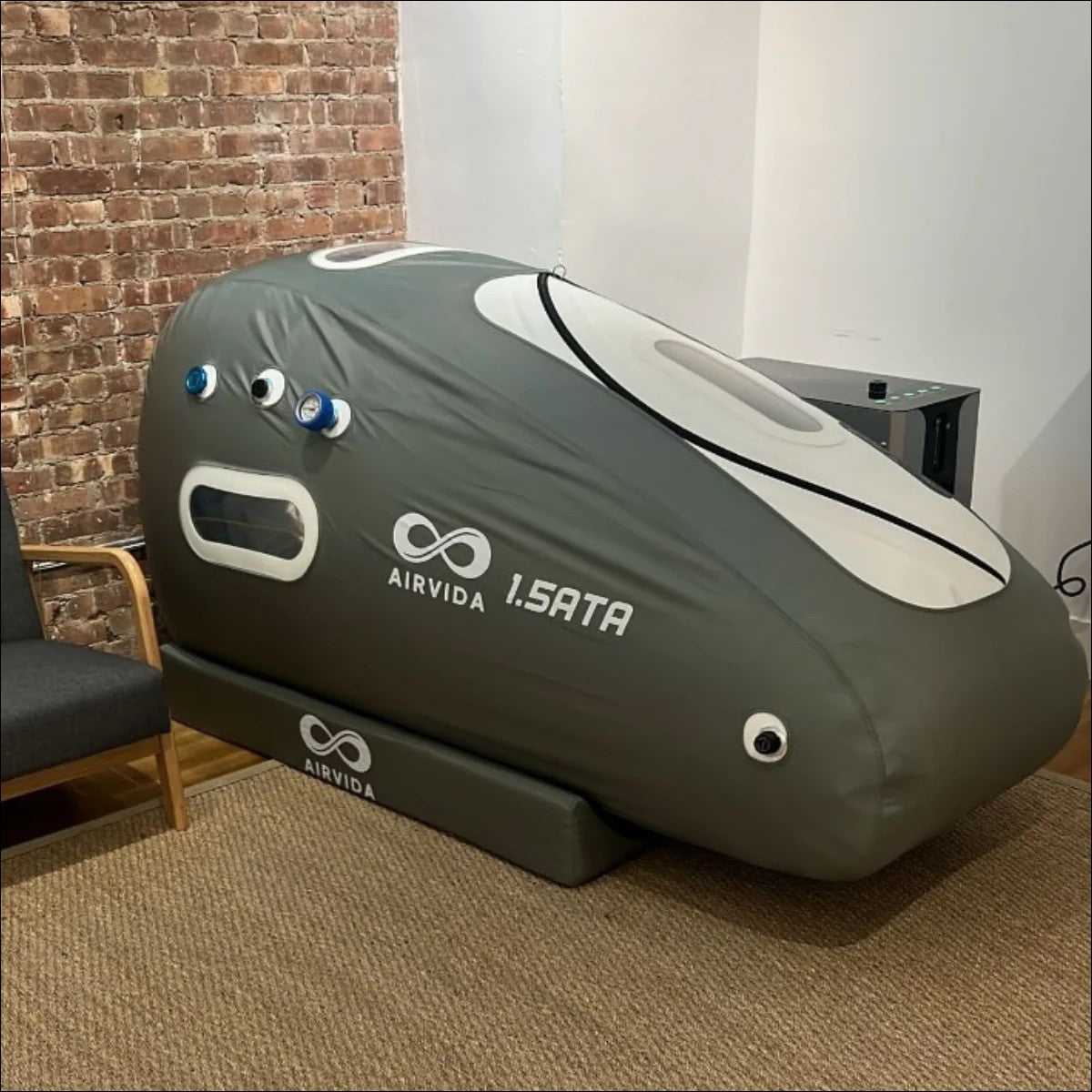
Soft-sided mild chambers are the most-leased category because the lower price keeps payments accessible. If you're weighing construction and portability, our overview of soft-sided hyperbaric chambers breaks down the differences.
Clinics more often lease hard-shell units, which withstand heavy daily cycling and reassure patients. For a practice specifically, the guide to the best hyperbaric chamber for a physical therapy clinic walks through the clinical selection criteria that also affect resale and lease terms.
Is Lease-to-Own Worth It? Running the ROI

For a clinic, the honest test is whether session revenue outpaces the monthly payment. Here's a realistic scenario.
-
Equipment: $30,000 hard-shell chamber
-
Lease: 48 months, ~$800/month ($1-buyout)
-
Session price: $125 cash
-
Volume: 6 paid sessions/week = ~26/month = ~$3,250/month gross
After the lease payment, that leaves roughly $2,400/month before other operating costs, and the chamber pays for its own payment in under seven sessions a month. Break-even on the financed premium typically lands around 8–18 months depending on volume and pricing.
For home users, the math is different because there's no revenue, only cost-per-use. Leasing still makes sense when the alternative is repeated per-session clinic visits at $75–$250 each; owning a unit at home usually beats paying retail for frequent sessions within a year. Older adults building a consistent routine are a common case, covered in our guide to the best hyperbaric chamber for seniors.
If your goal is a rehab or recovery setting, browse purpose-fit options in our hyperbaric chambers for physical therapy collection to match the unit to your patient flow before choosing a term.
Common Mistakes and Misconceptions
Even experienced buyers trip on the same points. Watch for these.
-
Judging by monthly payment alone. A $650/month quote can cost thousands more than a $780/month quote once you compare total payments across the full term. Always compare total-cost-of-financing.
-
Assuming lease-to-own means you automatically own it. FMV leases don't transfer ownership by default, you must exercise the buyout. Confirm which structure you're signing.
-
Ignoring the warranty and service window. A chamber you're paying on for four years should carry a warranty that covers most of that period. Financing a unit that breaks out of warranty is a costly trap.
-
Overbuying pressure capacity. Higher-ATA clinical chambers cost far more and often require additional licensing and oxygen handling. Many wellness applications are served by mild chambers, so don't finance capacity you won't use.
-
Skipping the tax conversation. Equipment leases can carry meaningful deduction advantages, but only if structured and documented correctly. This is an accountant question, not a vendor question.
Step-by-Step Framework to Lease-to-Own the Right Chamber

Follow this sequence and you'll avoid the expensive surprises.
-
Define the use case. Home wellness, clinic revenue, or medical treatment, each points to a different chamber tier and price.
-
Set a payment ceiling. For a clinic, cap the payment at a share of projected session revenue (many operators target the payment staying under 30% of expected monthly HBOT income).
-
Choose the structure. Pick a $1-buyout lease if you'll keep the unit long-term, or an FMV lease if you want flexibility to upgrade.
-
Get multiple quotes. Compare factor rate, term, down payment, and total cost of financing side by side, not just monthly payments.
-
Verify the equipment package. Confirm warranty length, installation, training, and whether an oxygen concentrator or accessories are included in the financed amount.
-
Read the end-of-term clause. Know exactly what happens at month 48: automatic transfer, buyout price, or return conditions.
-
Confirm with your accountant, then sign. Lock the tax treatment before committing.
FAQ
How much does it cost to own a hyperbaric oxygen therapy chamber?
Owning a hyperbaric chamber costs roughly $5,000 to $20,000 for a soft-sided mild unit and $20,000 to $150,000+ for hard-shell or medical-grade chambers. On a lease-to-own plan, that translates to monthly payments typically between $150 and $2,500 over 24–60 months, depending on the model and term. Beyond the chamber itself, budget for an oxygen concentrator, maintenance, and, for clinics, appropriate insurance.
How much is HBOT in the Philippines?
In the Philippines, a single hyperbaric oxygen therapy session at a hospital or clinic generally ranges from about ₱3,000 to ₱8,000+ (roughly $50 to $140 USD), with medical-grade high-pressure treatments costing more than mild wellness sessions. Prices vary widely by facility, city, and whether the treatment is medically indicated. Check current rates directly with providers, as pricing changes over time.
How much does it cost to hire a hyperbaric chamber?
Renting or hiring a hyperbaric chamber typically costs $75 to $250 per session at a clinic, or $1,500 to $4,000+ per month for a full-unit rental delivered to a home or facility. Short-term hire suits occasional or trial use, but if you expect regular sessions, lease-to-own usually costs less over 12 months because rental payments build no equity while lease payments lead to ownership.
What qualifications do you need to operate a hyperbaric chamber?
For mild, soft-sided wellness chambers (~1.3 ATA), most jurisdictions require basic manufacturer training rather than a clinical license, though local rules vary. For medical-grade high-pressure chambers, operation generally requires trained personnel such as a Certified Hyperbaric Technologist (CHT) working under physician supervision, plus compliance with facility and safety standards. Always confirm the licensing and oxygen-handling requirements in your specific state or country before operating.
Conclusion
A lease to own hyperbaric chamber is the practical path when the equipment needs to be working, whether earning clinic revenue or supporting a recovery routine, before you've saved the full purchase price. The decision comes down to four things: choosing the right chamber tier, comparing total cost of financing rather than monthly payments, picking the lease structure that matches how long you'll keep it, and confirming the tax treatment with your accountant.
Get those right and the chamber pays for itself while you own it, instead of sitting on a wish list.
Ready to see your options? Explore our hyperbaric chambers for physical therapy collection, then request a lease-to-own quote to compare monthly payments and terms tailored to your use case.