



Key Takeaways
-
Mild hyperbaric chambers (mHBOT), rated for 1.3–1.5 ATA, are the safest and most practical entry point for most seniors using a chamber at home.
-
Soft-shell chambers suit seniors with mobility limitations because entry and exit are easier and the environment feels less confining.
-
Hard-shell chambers deliver higher pressures and are typically reserved for seniors managing more serious conditions under physician supervision.
-
Ear and sinus pressure equalization is the single biggest comfort issue for older adults. Buy a chamber with a slow, controlled compression rate.
-
Always confirm a physician has cleared the senior for hyperbaric use, especially if they have COPD, a pacemaker, or a history of ear surgery.
The best hyperbaric chamber for seniors is a mild hyperbaric chamber operating between 1.3 and 1.5 ATA, built with a soft-shell or hybrid design that allows easy entry, gentle compression control, and enough interior room to sit up comfortably. This isn't a one-size answer: a senior recovering from a stroke has different needs than one managing joint pain or fatigue, but the category that consistently balances safety, comfort, and real benefit for older adults is mild hyperbaric oxygen therapy (mHBOT) delivered through a home-friendly soft chamber.
Hard-shell chambers, which reach higher pressures (2.0 ATA and above) and require 100% medical-grade oxygen, exist too. They're appropriate for seniors under active medical treatment for conditions like non-healing wounds or radiation injury, but they come with a steeper price tag, a steeper learning curve, and a real need for supervision. For most seniors using a chamber for general wellness, recovery support, or circulation, the mild soft-shell category is where the conversation should start.
Why This Matters Right Now
Hyperbaric chambers have moved out of hospital settings and into homes over the last several years, and seniors are one of the fastest-growing groups purchasing them. Aging bodies recover more slowly from injury, surgery, and illness, and oxygen delivery to tissue naturally declines with age due to reduced circulation and lung elasticity. A chamber that's mismatched to a senior's mobility, health conditions, or tolerance for enclosed spaces isn't just less effective; it can be unsafe.
At the same time, the market is crowded with options marketed generically as "for seniors" without addressing the actual physical realities of aging: arthritic knees that make low entry points painful, hearing aids that complicate pressure changes, or cognitive conditions that make an unattended session risky. Getting this decision right the first time saves money and prevents a chamber from sitting unused in a closet.
Soft-Shell vs. Hard-Shell: Which Fits an Aging Body Better

Soft-Shell Chambers
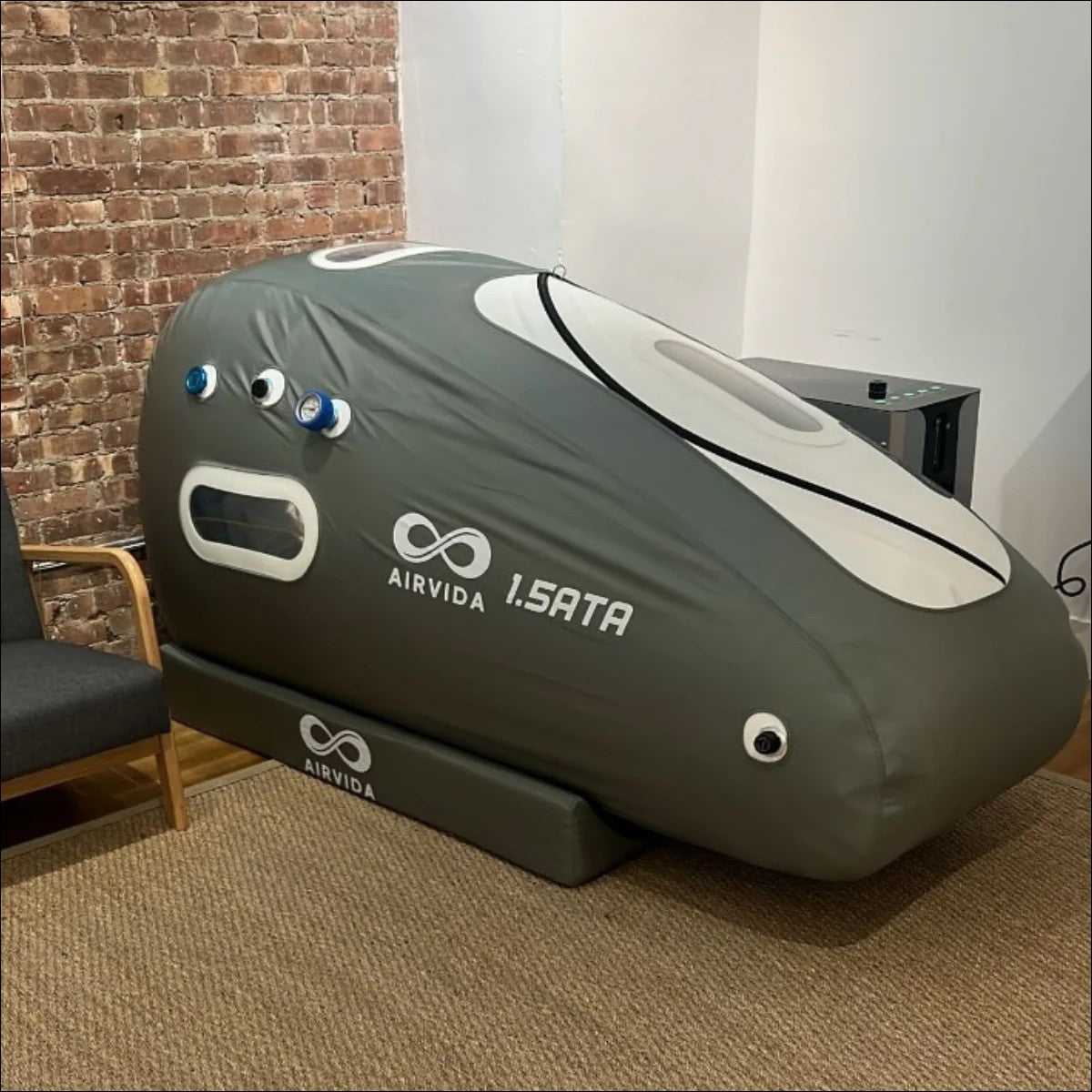
Soft-shell chambers are made of durable, pressure-rated fabric and typically operate at 1.3 ATA. For seniors, the advantages are practical, not just clinical:
-
Lower entry threshold. Most soft chambers have a zippered door at floor level or a low step-over, which matters enormously for anyone with hip or knee arthritis.
-
Less claustrophobic feel. The fabric walls and clear panels create a more open sensation than a rigid metal tube.
-
Simpler operation. A basic air compressor system, rather than pure oxygen delivery, means fewer safety protocols and less specialized training for the caregiver managing sessions.
-
Lower cost. Soft chambers generally run several thousand dollars less than hard-shell units, with lower ongoing maintenance.
Hard-Shell Chambers
Hard-shell chambers reach higher pressures, sometimes up to 3.0 ATA in clinical settings, and use 100% oxygen rather than compressed ambient air. They're built for treating specific medical conditions rather than general wellness use. For seniors, hard-shell chambers make sense when:
-
A physician has prescribed HBOT for a diagnosed condition requiring higher pressure.
-
A trained attendant or family caregiver can manage entry, exit, and oxygen safety protocols every session.
-
The senior doesn't have significant mobility limitations that make the narrower entry point a barrier.
If ear pressure has ever been an issue during flights or diving, it's worth reading up on how the body handles pressure changes before committing to any chamber. Our guide on hyperbaric chamber ear pressure breaks down exactly what happens during compression and how to equalize safely, which is especially relevant for older ears that clear more slowly.
Hyperbaric Collections You May Want to Shop

Key Features That Actually Matter for Older Adults
Not every chamber spec sheet highlights what seniors actually need. Here's what to prioritize when comparing models.
1. Compression Rate Control
A chamber that lets you slow the compression rate reduces the risk of barotrauma, the ear and sinus pain that comes from pressure changing faster than the body can equalize. This is the single most common complaint among first-time senior users, and it's almost always solved by a slower initial descent, not a different chamber entirely.
2. Interior Space and Sitting Position
Seniors with back pain or breathing difficulty often can't tolerate lying flat for 45–60 minutes. Look for chambers with enough diameter to sit upright or recline at an angle, rather than models built strictly for lying prone.
3. Communication and Monitoring
A chamber with a built-in intercom or clear viewing window lets a caregiver monitor the senior throughout the session without interrupting the pressure. This matters most for anyone with a hearing impairment, since verbal check-ins may not register the same way.
4. Zipper and Entry Mechanism
Look for entry systems that don't require bending low to the floor or climbing over a raised threshold. Some soft-shell models now include side-entry designs specifically to accommodate limited hip or knee mobility.
5. Noise Level
Compressor noise varies significantly between brands. A loud compressor isn't dangerous, but for seniors using the chamber daily, quieter units make the habit far easier to sustain.
Health Conditions That Change the Equation

Age alone doesn't determine chamber suitability; underlying conditions do. A few worth flagging before purchase:
-
COPD or emphysema. Changes in pressure can trap air in damaged lung tissue. Seniors with significant lung disease need physician clearance and, in many cases, closer monitoring than a home chamber allows.
-
Pacemakers and implanted devices. Most modern devices are rated for mild hyperbaric pressures, but this should be confirmed with the device manufacturer and the senior's cardiologist, not assumed.
-
History of ear surgery or chronic ear infections. These significantly raise the risk of pressure-related discomfort or injury and often call for a slower compression protocol or medical guidance before starting.
-
Circulatory conditions. Many seniors pursue hyperbaric therapy specifically because of circulation concerns. If that's the goal, it's worth understanding how oxygen delivery interacts with conditions like poor peripheral blood flow. Our piece on hyperbaric chamber for Raynaud's syndrome covers how reduced circulation responds to increased oxygen pressure, a useful reference point even for seniors without a Raynaud's diagnosis.
None of this replaces a conversation with the senior's physician. A chamber purchase should follow medical clearance, not precede it.
Common Mistakes Families Make When Buying a Chamber for a Senior
-
Buying based on pressure rating alone. A higher ATA rating isn't automatically "better"; it's only appropriate if the senior's condition and medical clearance call for it.
-
Skipping the trial sit. Whenever possible, have the senior physically sit in a demo unit or a similar-sized chamber before buying. Comfort in the showroom rarely translates from a photo.
-
Ignoring session length tolerance. A senior who can't comfortably sit or lie down for 45 minutes will struggle with any chamber, regardless of quality.
-
Assuming no supervision is needed. Even soft, mild-pressure chambers benefit from a caregiver present for at least the first several sessions.
-
Overlooking maintenance demands. Compressor filters, zipper seals, and interior cleaning add up over time. A chamber that's difficult to maintain often ends up used less frequently than intended.
Hyperbaric Chambers You May Want to Shop
Explore More


Step-by-Step: Choosing the Right Chamber
-
Get medical clearance first. Have the senior's physician confirm that hyperbaric therapy is appropriate given their health history.
-
Define the goal. General wellness and recovery point toward mild soft-shell chambers; specifically diagnosed conditions may point toward hard-shell, physician-supervised protocols.
-
Assess mobility honestly. Note hip, knee, or back limitations that affect entry, sitting position, and session length.
-
Compare compression rate controls across at least three models before deciding.
-
Check interior dimensions against the senior's actual height and preferred sitting or reclining position.
-
Confirm caregiver availability for at least the first two weeks of sessions.
-
Review warranty and local service support, since compressor issues are the most common repair need over a chamber's lifespan.
For seniors located near Fayetteville, families researching local setup, delivery, and in-person guidance can review options through this hyperbaric chamber provider in Fayetteville, NC, which offers hands-on support that's especially valuable for a first-time senior user.
What a Typical Session Looks Like for a Senior User

A first session for a senior typically runs 30 to 45 minutes at 1.3 ATA. Compression should take several minutes rather than seconds, giving the ears time to equalize. Most reputable soft-shell units include a slow-start setting for exactly this reason. A caregiver or family member should stay within earshot for the first handful of sessions, both to help with communication and to watch for any signs of discomfort.
Many seniors report mild ear pressure similar to a descending airplane during the first few sessions, which typically eases as they learn to equalize with a yawn or gentle swallow. Persistent pain, dizziness, or confusion should end the session immediately and prompt a call to the supervising physician.
Where to See Options in Person

Seeing a chamber in person before buying resolves most of the sizing and comfort questions that photos and spec sheets can't answer. Families in Maine can explore local demonstration and purchase options through this hyperbaric chamber provider in Portland, Maine, where staff can walk through entry mechanics and pressure settings specifically with an older user in mind.
FAQ: Best Hyperbaric Chamber for Seniors
Do hyperbaric chambers help with aging?
Hyperbaric oxygen therapy doesn't reverse aging, but increased oxygen delivery to tissue can support recovery from injury, circulation, and overall cellular repair processes that naturally slow with age. Seniors most often use chambers to support recovery after surgery, manage chronic fatigue, or complement treatment for circulation-related conditions, rather than as a standalone anti-aging solution.
How much is hyperbaric oxygen therapy in the Philippines?
Pricing in the Philippines varies by clinic and city, but a single session typically runs between roughly 2,000 and 5,000 Philippine pesos, with package pricing for multiple sessions often reducing the per-session cost. Rates depend on the facility's equipment, whether it's a mild or clinical-grade chamber, and whether a physician consultation is bundled with treatment.
Can a hyperbaric chamber help with lung problems?
It depends heavily on the specific condition. Hyperbaric therapy is used clinically for certain lung-related issues under physician supervision, but conditions like COPD or emphysema require caution because trapped air pockets in damaged lung tissue can react poorly to pressure changes. Anyone with a lung condition should get explicit medical clearance before starting sessions, rather than assuming benefit.
Can HBOT improve hearing?
Hyperbaric oxygen therapy is used in some clinical settings to support recovery from sudden sensorineural hearing loss, particularly when started soon after onset, but it isn't a general treatment for age-related hearing decline. It's also worth noting that hearing and ear pressure are closely linked during chamber use itself. Our guide on hyperbaric chamber ear pressure explains how compression affects the ear and what to do if discomfort occurs during a session.
Final Thoughts
The best hyperbaric chamber for seniors isn't the one with the highest pressure rating or the most features on a spec sheet; it's the one that matches the senior's actual mobility, health conditions, and comfort level, backed by physician clearance and a caregiver who's paying attention during those first sessions. A mild soft-shell chamber gets most families most of the way there, and the small details, a slow compression rate, an easy entry point, and room to sit upright matter far more day to day than a few extra tenths of an ATA.
If you're ready to compare specific models built with older users in mind, reach out to a local provider who can walk you through entry mechanics, pressure settings, and session length in person before you buy.