


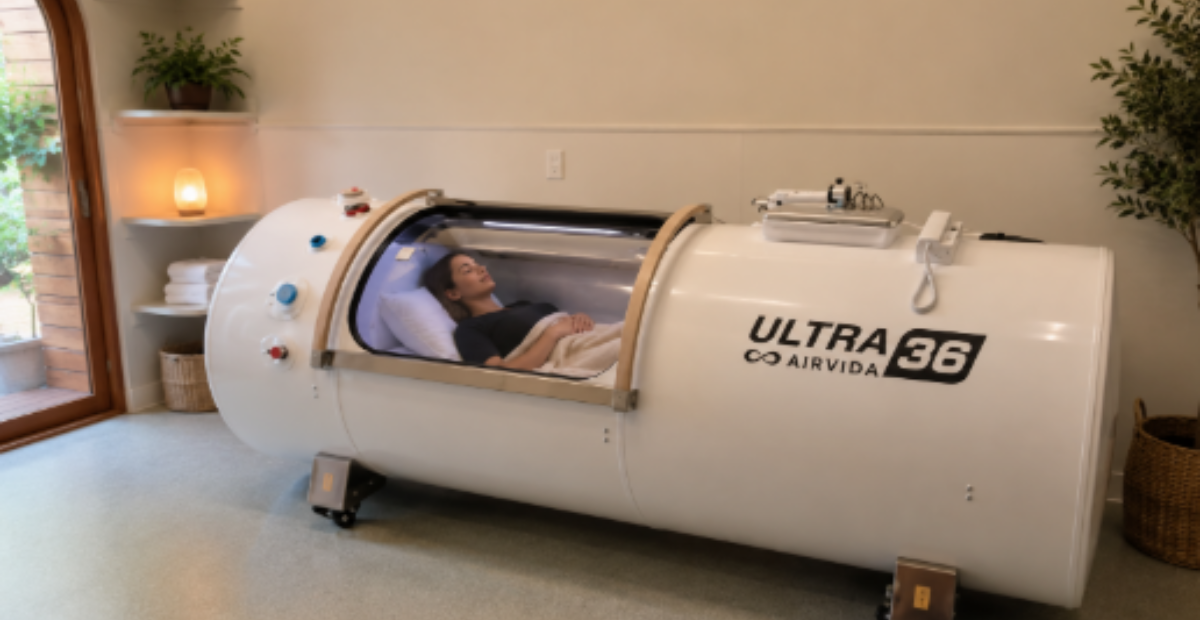
A hyperbaric chamber is good for tendonitis because it floods damaged tendon tissue with oxygen under pressure, accelerating the cellular repair processes that chronic tendon injuries tend to stall. For anyone dealing with persistent Achilles pain, rotator cuff irritation, or patellar tendonitis, hyperbaric oxygen therapy (HBOT) offers a science-backed option worth taking seriously.
Key Takeaways
-
HBOT increases dissolved oxygen in the bloodstream by up to 15 times normal levels, reaching tissue that standard circulation often cannot.
-
Tendons heal slowly because they have poor blood supply; HBOT directly addresses this limitation.
-
Both acute and chronic tendonitis cases have shown measurable improvement in clinical observations and early research.
-
HBOT works best as part of a broader recovery plan that includes physical therapy and appropriate rest.
-
Home and portable chamber options make consistent HBOT more accessible than ever for tendon recovery.
-
HBOT is not a one-session fix; multiple sessions over several weeks produce the most meaningful results.
Why Tendons Are So Difficult to Heal

To understand why a hyperbaric chamber may help tendonitis, you first need to understand why tendons are notoriously stubborn when it comes to recovery. Unlike muscle tissue, which has rich vascularization and heals relatively quickly, tendons receive a very limited blood supply. Less blood flow means less oxygen delivery. Less oxygen means slower collagen synthesis, reduced cellular turnover, and a repair environment that can stay in a low-grade inflammatory state for months or even years.
Conditions like Achilles tendonitis, tennis elbow (lateral epicondylitis), patellar tendonitis, and rotator cuff tendinopathy are textbook examples of this problem. In the United States, tendon injuries account for roughly 30% of all musculoskeletal consultations, and many patients cycle through treatments like NSAIDs, corticosteroid injections, and physical therapy without getting lasting relief, which is why hyperbaric oxygen therapy for ligament damage has become an area of growing clinical interest.
The root issue is tissue hypoxia: the tendon simply isn't getting enough oxygen to complete the repair process. This is precisely where HBOT steps in.
What HBOT Actually Does Inside a Damaged Tendon

When you breathe 100% oxygen inside a pressurized hyperbaric chamber at 1.5 to 3.0 atmospheres of absolute pressure (ATA), oxygen dissolves directly into your blood plasma rather than relying solely on hemoglobin. This allows oxygenated plasma to penetrate deep into poorly vascularized tissue, including the dense fibrous matrix of a tendon.
At the cellular level, this does several things:
-
Stimulates fibroblast activity: Fibroblasts are the cells responsible for producing collagen, the structural protein that makes up tendons. Higher oxygen availability drives fibroblast proliferation and collagen synthesis.
-
Reduces chronic inflammation: HBOT modulates inflammatory cytokines, helping shift the tissue environment from a destructive inflammatory state to a reparative one.
-
Promotes angiogenesis: New capillary growth is stimulated, improving the tendon's long-term blood supply even after sessions end.
-
Decreases oxidative stress: Counter-intuitively, controlled oxygen exposure at pressure reduces the reactive oxygen species that contribute to ongoing tissue damage.
These mechanisms align directly with what tendon healing requires, and the same biological principles apply broadly to sports medicine, making hyperbaric chamber therapy for sports injuries one of the most well-researched applications of HBOT. Research published in sports medicine literature has shown that HBOT can increase collagen cross-linking and accelerate the remodeling phase of tendon repair, which is typically the longest and most frustrating stage for patients.
Hyperbaric Collections You May Want to Shop

The Evidence: What Research Says About HBOT and Tendon Injuries
The clinical picture for HBOT and tendon recovery is not yet backed by massive randomized controlled trials, but the existing evidence is encouraging and mechanistically sound.
Animal studies have consistently shown faster tendon healing in groups receiving HBOT compared to controls. A study using rat Achilles tendon models found that HBOT-treated tendons displayed significantly higher collagen density and tensile strength at three and six weeks post-injury than untreated tendons.
In human populations, athletes have been among the earliest adopters, particularly when addressing hbot for orthopedic recovery in comprehensive medical protocols. Elite sports programs in the NFL, NBA, and MLS have incorporated hyperbaric oxygen chambers into their recovery protocols. Anecdotal reports from trainers and team physicians suggest that players recovering from tendon and soft tissue injuries return to play faster when HBOT is part of their regimen.
Comparing HBOT to Common Tendonitis Treatments

|
Treatment |
Mechanism |
Typical Duration |
Addresses Root Cause? |
|
NSAIDs (e.g., ibuprofen) |
Reduces inflammation short-term |
Days to weeks |
No |
|
Corticosteroid injection |
Suppresses inflammation |
1-3 months relief |
No |
|
Platelet-Rich Plasma (PRP) |
Growth factor delivery |
Weeks to months |
Partially |
|
Physical Therapy |
Strengthening and mobility |
Months |
Partially |
|
HBOT |
Oxygen delivery, collagen stimulation, angiogenesis |
Multiple sessions over weeks |
Yes |
|
Surgery |
Removes damaged tissue |
Months of recovery |
Varies |
The table makes the point clearly. Most conventional treatments address the symptom (inflammation and pain) without restoring the tendon's actual capacity to receive oxygen and synthesize new collagen. HBOT targets the biological bottleneck directly.
Who Benefits Most From HBOT for Tendonitis

Not every tendonitis case is identical, and HBOT tends to produce more pronounced results in certain scenarios.
Chronic tendonitis sufferers are the most likely to see meaningful improvement. If you've had Achilles pain for six months or patellar tendonitis that has not responded to physical therapy, your tendon tissue has likely entered a degenerative state (technically called tendinosis). This is exactly the environment where HBOT's ability to stimulate fibroblasts and promote angiogenesis becomes most valuable.
Post-surgical tendon repairs also respond well to HBOT. After procedures like rotator cuff repair or Achilles tendon reconstruction, the tissue needs optimal oxygen availability to form strong scar tissue and remodel properly.
Athletes in high-impact sports benefit from HBOT as both a treatment and a recovery tool. Basketball players with chronic patellar tendonitis, runners with persistent Achilles issues, and tennis players managing elbow tendonitis have all used HBOT to manage symptoms and maintain training loads.
Older adults dealing with age-related tendon degeneration are also strong candidates, as they often wonder will hyperbaric chamber help arthritis and other connective tissue concerns. As the body ages, circulation to tendons decreases further, making the exogenous oxygen delivery that HBOT provides even more impactful.
Things to Know
-
Tendon tissue is 70-80% collagen by dry weight, making collagen synthesis the central metric of healing quality.
-
HBOT sessions for musculoskeletal injuries typically range from 60 to 90 minutes per session at 1.5 to 2.4 ATA.
-
Most clinical protocols recommend 20 to 40 sessions for meaningful tendon repair outcomes, though athletes often report relief after 10 to 15 sessions.
-
HBOT is not a standalone cure; it performs best alongside physiotherapy, load management, and appropriate nutrition (particularly adequate protein intake for collagen production).
-
Mild side effects can include temporary ear discomfort due to pressure changes, which usually resolves with simple equalization techniques.
-
People with certain conditions, including untreated pneumothorax or some types of respiratory disease, should consult a physician before starting HBOT.
Setting Up Access to HBOT: Clinics vs. Home Chambers
Access to HBOT has traditionally been through hospital-based or clinic-based units, but the landscape has shifted significantly. Home use chambers have become a practical and cost-effective option for anyone needing consistent sessions over weeks or months.
Clinical chambers typically operate at higher pressures (up to 3.0 ATA) and are staffed by trained technicians. They're ideal for acute post-surgical cases or severe presentations. However, clinic sessions can be expensive without insurance coverage, and the logistics of daily or near-daily appointments create real barriers for working adults.
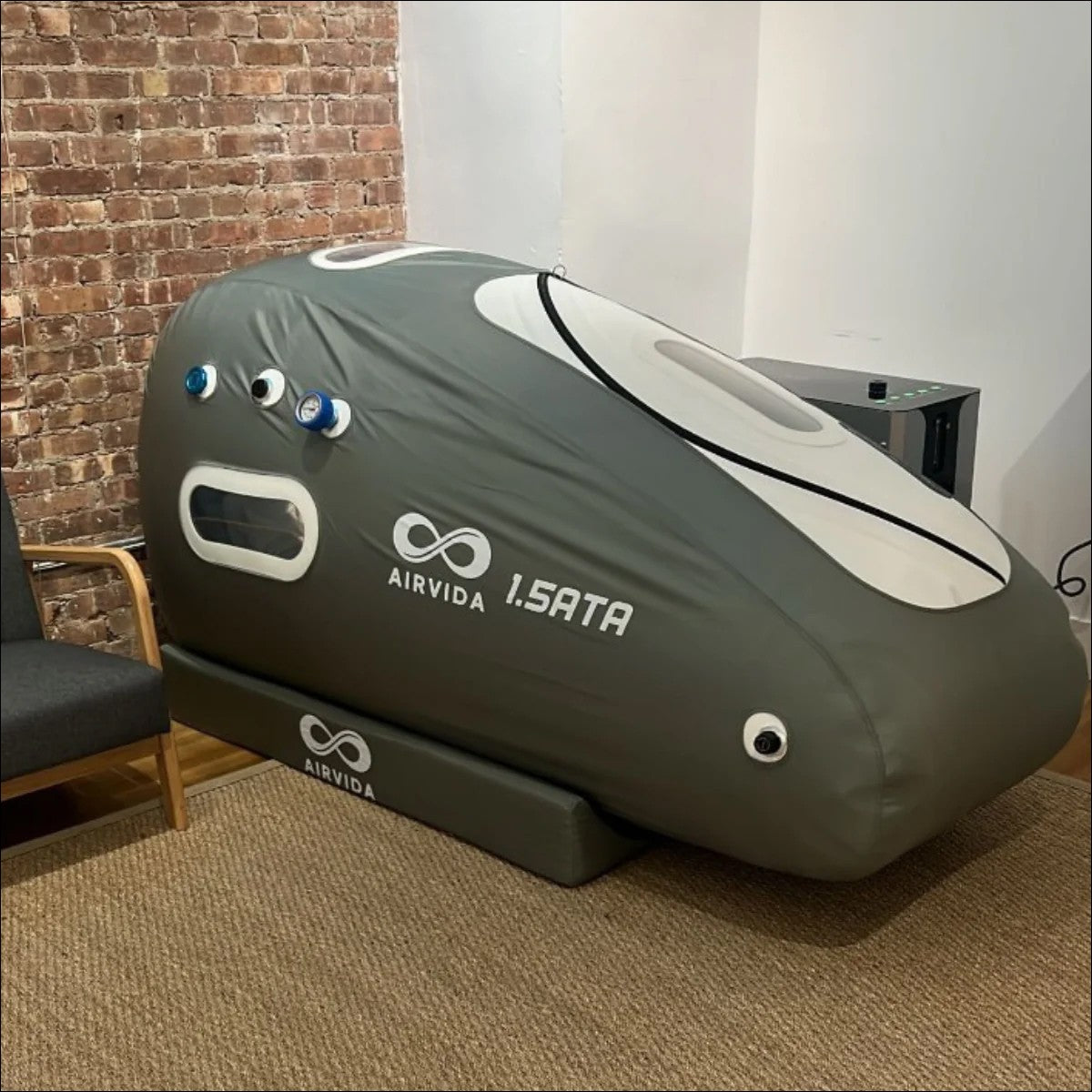
A portable hyperbaric chamber operates at lower pressures (commonly 1.3 to 1.5 ATA), which is sufficient for soft tissue and tendon recovery applications. These chambers are inflatable, relatively compact, and can be set up in a bedroom or spare room. For someone managing chronic Achilles tendonitis or rotator cuff tendinopathy, being able to do a 75-minute session before or after work dramatically improves adherence to a multi-week protocol.
A home hyperbaric chamber is worth considering for any individual who wants consistent access without ongoing clinic fees. Over a standard 30-session protocol, the math often favors home ownership, particularly for those who plan to use the chamber long-term.
Build the Right Protocol Around HBOT

Getting the most from HBOT for tendonitis means pairing it correctly with the rest of your recovery approach. Here is what an effective protocol looks like:
-
Get a confirmed diagnosis. Know whether you're dealing with true tendonitis (acute inflammation) or tendinosis (chronic degeneration) because this affects the expected timeline.
-
Start HBOT early. Don't wait until conservative treatments have all failed. The sooner you introduce HBOT, the more you preserve healthy tissue architecture.
-
Session frequency matters. Aim for five sessions per week during the active recovery phase, then taper to three per week for maintenance.
-
Combine with physical therapy. Eccentric loading exercises for tendons are well supported by evidence and work synergistically with HBOT's tissue repair effects.
-
Prioritize collagen nutrition. Vitamin C and glycine-rich foods support the collagen synthesis that HBOT stimulates.
-
Track your progress objectively. Use a pain scale, functional movement tests, or imaging at set intervals to assess whether the protocol is producing results.
Hyperbaric Chambers You May Want to Shop
Explore More


Commit to Your Tendon Recovery Today
Tendon injuries don't get better on their own when the underlying tissue is oxygen-deprived. If you've been managing chronic tendonitis with ice packs and ibuprofen without lasting results, it may be time to address the biological root cause directly.
At Airvida Chambers, we pride ourselves on offering the highest quality hyperbaric chambers on the market, backed by working only with the most reliable partners in the industry. We ship worldwide.
Reach out to the Airvida Chambers team today to find the right chamber for your tendon recovery goals, whether that's a portable unit for daily home sessions or a professional-grade home chamber built for long-term use.
Frequently Asked Questions
How many HBOT sessions does it take to see improvement in tendonitis?
Most people begin noticing reduced pain and improved function after 10 to 15 sessions, with more significant tissue repair occurring over 20 to 40 sessions.
The timeline depends on the severity and chronicity of your tendonitis. Acute cases tend to respond faster, while long-standing degenerative tendinopathy may require the full 30 to 40 session range to produce durable results.
Can HBOT replace physical therapy for tendonitis?
No, HBOT works best as a complement to physical therapy, not a replacement for it.
Physical therapy addresses muscle imbalances, movement mechanics, and tendon loading, all of which are essential for long-term recovery. HBOT improves the tissue's capacity to heal and respond to therapeutic loading, making the two approaches highly synergistic.
Is a hyperbaric chamber good for tendonitis in the Achilles specifically?
Yes, Achilles tendonitis is one of the most commonly cited applications for HBOT in musculoskeletal medicine, partly because the Achilles tendon has particularly poor vascularity.
The blood supply to the mid-portion of the Achilles is among the worst of any tendon in the body, which is why chronic Achilles tendinopathy is so hard to treat. HBOT directly compensates for this by delivering oxygen through dissolved plasma rather than standard circulation.
Is home HBOT at lower pressures effective enough for tendon repair?
Yes, pressures of 1.3 to 1.5 ATA have shown meaningful benefits for soft tissue healing, including tendon repair, particularly with consistent use over multiple weeks.
Clinical units at higher pressures offer additional benefits in acute or surgical contexts, but for chronic tendonitis management, the pressures achievable in home chambers are therapeutically relevant and well documented in the soft tissue recovery literature.
Are there any risks to using HBOT for tendonitis?
HBOT is considered very safe for most healthy adults when used correctly, with the most common side effect being mild ear or sinus discomfort due to pressure changes.
Serious adverse events are rare and largely associated with very high clinical pressures rather than the 1.3 to 1.5 ATA range used in home settings. You should consult with a physician before starting HBOT if you have a history of respiratory conditions, ear surgery, or certain cardiovascular issues.
The Bottom Line on Is a Hyperbaric Chamber Good for Tendonitis
For anyone stuck in the frustrating cycle of chronic tendon pain, HBOT offers a mechanistically sound and increasingly accessible path toward real tissue repair. By delivering oxygen directly to the poorly vascularized environment where tendons struggle to heal, hyperbaric therapy addresses the problem at its source rather than masking symptoms.
Start by identifying whether your issue is acute tendonitis or chronic tendinosis, then build a multi-week HBOT protocol that pairs consistent sessions with the right physical therapy and nutrition. The research supports it, elite sports medicine is increasingly embracing it, and home chamber technology makes consistent access realistic for everyday people in the United States.