


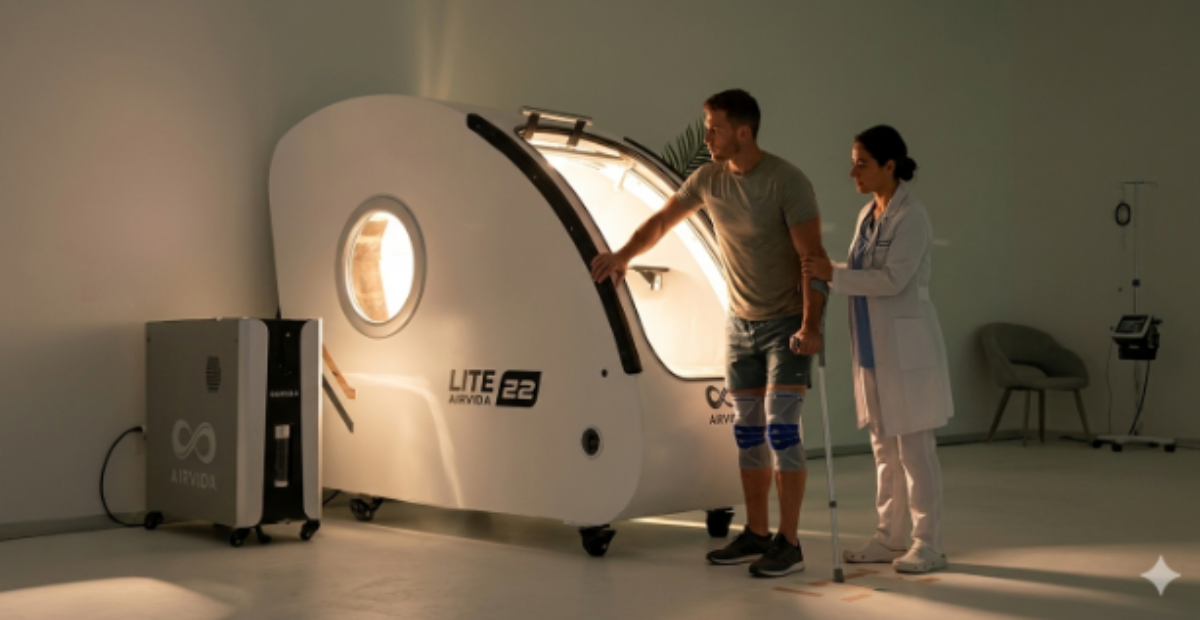
Hyperbaric oxygen therapy for ligament damage helps speed up healing by increasing oxygen delivery to injured tissues. It supports faster recovery, reduces inflammation, and improves tissue repair naturally.
If you’re dealing with a ligament injury, understanding how this therapy works can help you choose the best recovery approach. By learning how oxygen delivery, pressure, and cellular repair processes interact, you can make more informed decisions that may support healing, reduce downtime, and improve your overall recovery experience safely.
What Is Hyperbaric Oxygen Therapy for Ligament Damage?
Hyperbaric oxygen therapy for ligament damage is a treatment where you breathe pure oxygen inside a pressurized chamber. This process allows your blood to carry more oxygen than usual, which helps injured ligaments repair faster.
Ligaments have limited blood supply, which is why they heal slowly. By increasing oxygen levels in the body, this therapy may help enhance tissue repair, support collagen production, and reduce inflammation. As a result, recovery time might improve while promoting stronger, more resilient ligament healing over time with consistent use. For a visual overview of how this works, you can check out this hyperbaric oxygen therapy diagram.
Basic Definition and Purpose

Hyperbaric therapy is designed to:
-
Increase oxygen delivery to damaged ligaments
-
Reduce swelling and inflammation
-
Promote collagen production for tissue repair
Unlike traditional recovery methods, this approach works at a cellular level, supporting natural healing processes.
Why Ligament Injuries Take Time to Heal
Ligaments connect bones and stabilize joints, but they are not highly vascular. This means they receive less blood flow compared to muscles, limiting oxygen and nutrient delivery. Because of this, healing tends to be slower, and injuries may require more time, proper care, and supportive therapies to fully recover.
Because of this:
-
Healing takes longer
-
Injuries like sprains or tears may linger
-
Recovery often requires consistent rehabilitation
Hyperbaric therapy addresses this limitation by enhancing oxygen delivery directly to affected areas. By increasing oxygen concentration in the bloodstream, it may help compensate for poor circulation in ligaments, supporting cellular repair processes, reducing inflammation, and potentially accelerating recovery when combined with proper rehabilitation and consistent, medically guided treatment plans. For more insights into its broader applications, including carbon monoxide cases, see this resource on Hyperbaric CO Poison Treatment.
How Hyperbaric Oxygen Therapy Works for Ligament Healing

When you enter a hyperbaric chamber, pressure increases, allowing oxygen to dissolve more effectively into your bloodstream. This oxygen reaches injured tissues that normally receive limited supply.
Key Healing Mechanisms
|
Function |
How It Helps Ligaments |
|
Oxygen Boost |
Enhances cellular repair |
|
Reduced Inflammation |
Minimizes swelling and pain |
|
Collagen Production |
Supports ligament rebuilding |
|
Improved Circulation |
Speeds up nutrient delivery |
This combination creates an ideal environment for faster ligament recovery. Increased oxygen availability, improved circulation, and enhanced cellular activity may work together to support tissue repair. Over time, this may help reduce discomfort, strengthen healing ligaments, and promote a more efficient recovery process when paired with proper care and rehabilitation strategies.
Hyperbaric Collections You May Want to Shop

Benefits of Hyperbaric Oxygen Therapy for Ligament Damage
Choosing hyperbaric therapy can significantly improve recovery outcomes, especially for athletes or active individuals. By supporting oxygen delivery and cellular repair, it may help reduce downtime, enhance performance readiness, and promote more efficient healing. This makes it a valuable option for those aiming to return to peak condition safely.
Faster Recovery Time
By delivering more oxygen to damaged tissues, healing may accelerate compared to standard rest and physical therapy alone. This increased oxygen supply can support cellular regeneration, reduce inflammation, and enhance overall tissue repair, potentially leading to quicker recovery times and improved outcomes when combined with proper rehabilitation and medical guidance.
Reduced Pain and Swelling
The therapy helps control inflammation, which is often the main cause of discomfort in ligament injuries. By improving oxygen availability at the injury site, it may help regulate inflammatory responses, reduce swelling, and ease pain, creating better conditions for tissue repair and supporting a more comfortable, steady recovery process over time.
Improved Tissue Strength
Ligaments may heal stronger when collagen production is supported, reducing the risk of reinjury. With improved oxygen delivery and cellular activity, the body can potentially build more organized connective tissue. This may lead to better structural integrity, improved joint stability, and a more resilient recovery after ligament damage or strain.
When Should You Consider This Therapy?

Hyperbaric oxygen therapy is often used for moderate to severe ligament injuries, especially when recovery is slower than expected. It may serve as a supportive approach alongside rehabilitation, helping enhance oxygen delivery, reduce inflammation, and promote tissue repair, potentially improving healing efficiency in cases where standard recovery progress is limited.
Ideal Situations
|
Condition |
Why It Helps |
|
Sprains |
Speeds up tissue repair |
|
Partial Tears |
Supports regeneration |
|
Post-Surgery Recovery |
Enhances healing process |
|
Sports Injuries |
Reduces downtime |
It can also be combined with physical therapy for better results. When used alongside structured rehabilitation exercises, it may help improve mobility, support tissue healing, and enhance overall recovery efficiency. This combined approach can provide both mechanical strengthening and biological support, potentially leading to more complete and stable ligament recovery outcomes. For those exploring local options, you can learn more through this hyperbaric chamber Rhode Island resource.
How to Use Hyperbaric Therapy Effectively
Using this therapy correctly ensures you get the best results. Following proper treatment protocols, recommended session durations, and professional guidance may help maximize its potential benefits. Consistency, safety, and combining it with appropriate rehabilitation strategies can further support recovery, improve tissue repair, and enhance overall outcomes for ligament injury healing.
Step-by-Step Approach
-
Consult a specialist to confirm suitability
-
Schedule consistent sessions (usually multiple treatments)
-
Combine with rehabilitation exercises
-
Monitor progress and adjust treatment plan
Consistency is key. Most users may see better outcomes after multiple sessions rather than a single treatment. Repeated exposure to therapy can help maintain elevated oxygen levels in tissues, supporting ongoing cellular repair, reducing inflammation over time, and gradually improving recovery progress for ligament injuries when combined with proper rehabilitation care.
Hyperbaric Chambers You May Want to Shop
Explore More


Practical Tips for Better Recovery
To maximize results, combine hyperbaric therapy with these strategies:
-
Stay hydrated to support oxygen transport
-
Maintain a balanced diet rich in protein
-
Follow prescribed physical therapy routines
-
Avoid overloading the injured ligament too soon
These small adjustments can significantly improve healing speed.
Common Mistakes to Avoid
Even with effective therapy, mistakes can slow recovery. Skipping sessions, ignoring rehabilitation exercises, or returning to activity too soon may delay healing and increase reinjury risk. Following a structured plan, maintaining consistency, and listening to professional guidance are essential to ensure the therapy supports recovery rather than hindering overall progress. For those considering local treatment options, this hyperbaric chamber Overland Park resource provides additional information.
-
Skipping sessions
-
Returning to activity too early
-
Ignoring professional advice
-
Using therapy as a replacement for rehab
Hyperbaric therapy works best as part of a complete recovery plan.
Recovery Timeline Comparison
|
Treatment Method |
Estimated Recovery Time |
|
Rest Only |
Longer recovery |
|
Physical Therapy |
Moderate improvement |
|
Hyperbaric Therapy + Rehab |
Faster healing |
This shows why combining therapies often delivers the best results.
Final Thoughts on Hyperbaric Oxygen Therapy for Ligament Damage

Hyperbaric oxygen therapy for ligament damage offers a powerful way to accelerate healing, reduce pain, and improve recovery outcomes. When used correctly alongside rehabilitation, it can help you return to normal activities faster and with stronger ligaments.
However, results can vary depending on the severity of the injury, overall health, and how consistently the therapy is used. It should be viewed as a supportive treatment rather than a standalone cure. Consulting a qualified healthcare professional ensures the approach is appropriate, safe, and tailored to your specific recovery needs.
Frequently Asked Questions
Does hyperbaric chamber help tendons heal?
Yes, hyperbaric chambers can help tendons heal by increasing oxygen supply to damaged tissues. Tendons, like ligaments, have limited blood flow, which slows healing. With higher oxygen levels, the body can repair microtears more efficiently, reduce inflammation, and improve collagen production. This makes recovery smoother, especially when combined with physical therapy and proper rest.
When should you not use hyperbaric oxygen therapy?
You should avoid hyperbaric oxygen therapy if you have certain medical conditions like untreated pneumothorax or specific lung issues. It may also not be suitable for people with certain ear problems or those who cannot tolerate pressure changes. Always consult a healthcare professional before starting treatment to ensure it is safe for your condition.
What is the fastest way to heal a torn ligament?
The fastest way to heal a torn ligament is by combining rest, physical therapy, and advanced treatments like hyperbaric therapy. Proper rehabilitation strengthens the ligament while oxygen therapy accelerates tissue repair. Avoid rushing recovery, as returning too soon can worsen the injury and delay healing even further.
Is a hyperbaric chamber good for ACL recovery?
Yes, a hyperbaric chamber is beneficial for ACL recovery because it supports faster healing and reduces inflammation after injury or surgery. Increased oxygen levels help repair tissues more efficiently and may shorten downtime. It is often used alongside post-surgery rehabilitation programs for optimal results.