


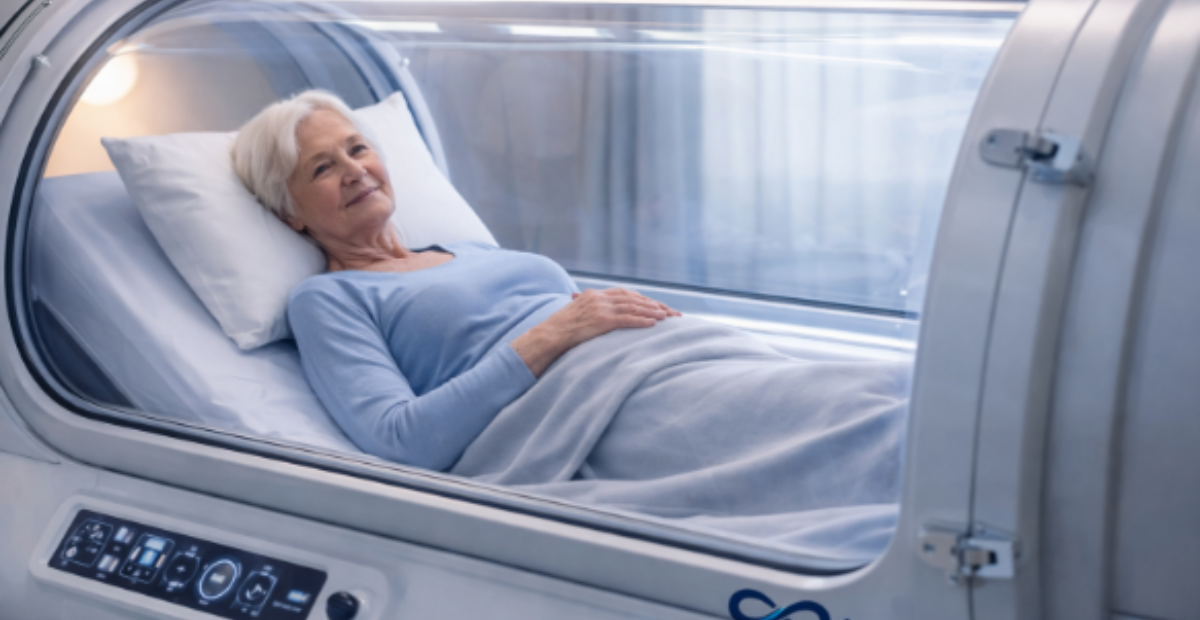
Hyperbaric oxygen treatment for vascular dementia is an emerging therapy that delivers concentrated oxygen under increased atmospheric pressure to help improve blood flow and support brain tissue affected by reduced circulation. While not a cure, this treatment approach has shown potential in clinical studies for slowing cognitive decline and improving quality of life for some patients.
Vascular dementia happens when restricted blood flow damages brain cells, and traditional treatments focus mainly on managing symptoms and preventing further strokes. But what if there was a way to help the brain get more oxygen and potentially support healing in areas affected by poor circulation?
In this guide, we'll explore how hyperbaric oxygen therapy works for vascular dementia, what the research shows, and whether this treatment option might be right for you or a loved one.
Understanding Vascular Dementia and Oxygen Deprivation
Vascular dementia is the second most common type of dementia after Alzheimer's disease. It occurs when blood vessels in the brain become blocked or damaged, reducing the oxygen supply to brain tissue.
Unlike Alzheimer's, which progresses gradually, vascular dementia often develops in steps. Each mini-stroke or blockage can cause a noticeable decline in thinking skills.
How Blood Flow Problems Affect Brain Function

Your brain needs a constant supply of oxygen-rich blood to function properly. When blood vessels narrow or become blocked, certain areas don't get enough oxygen. This is called ischemia.
Brain cells that don't receive adequate oxygen start to die within minutes. Even partial oxygen deprivation can cause lasting damage over time.
The areas affected depend on which blood vessels are blocked. Some people experience problems with memory, while others struggle with planning, reasoning, or language skills.
Risk factors include high blood pressure, diabetes, high cholesterol, smoking, and a history of strokes. These conditions damage blood vessels and reduce circulation to the brain.
Why Standard Treatments Have Limitations
Current medical treatments focus on preventing further damage rather than reversing existing problems. Doctors typically prescribe medications to control blood pressure, reduce cholesterol, and prevent blood clots.
These interventions help prevent new strokes but don't necessarily improve symptoms or restore lost function. Physical therapy and cognitive exercises can help maintain abilities, but they can't repair damaged brain tissue.
The challenge is that once brain cells die from lack of oxygen, they don't regenerate. This is why researchers have been exploring treatments that might support healing in damaged but not completely dead tissue.
Hyperbaric Chambers You May Want to Shop
Explore More


How Hyperbaric Oxygen Treatment Works
Hyperbaric oxygen therapy involves breathing pure oxygen in a pressurized chamber. The increased pressure allows your lungs to gather more oxygen than would be possible breathing pure oxygen at normal air pressure.
This extra oxygen gets carried throughout your body in your bloodstream, reaching areas that may have restricted blood flow.
The Science Behind Increased Oxygen Delivery
At normal atmospheric pressure, oxygen dissolves in your blood plasma at low concentrations. Most oxygen travels attached to red blood cells.
When you breathe 100% oxygen at 1.3 to 2.0 ATA pressure, the amount of oxygen dissolved directly in your plasma increases significantly. This dissolved oxygen can reach tissues that have poor circulation or damaged blood vessels.
For brain tissue affected by vascular dementia, this means oxygen can potentially reach areas that aren't getting adequate supply through normal circulation. The increased oxygen may help damaged but still-living cells recover some function.
Research suggests that hyperbaric oxygen treatment for vascular dementia may also stimulate the growth of new blood vessels. Better blood vessel networks could improve long-term oxygen delivery to affected brain regions.
Treatment Protocols and Session Structure
A typical treatment program involves multiple sessions over several weeks or months. Most protocols call for 40 to 60 sessions, with treatments happening daily or several times per week.
Each session lasts 60 to 90 minutes. You'll sit or lie comfortably in a chamber while breathing pure oxygen. The pressure gradually increases at the start and decreases at the end to prevent discomfort.
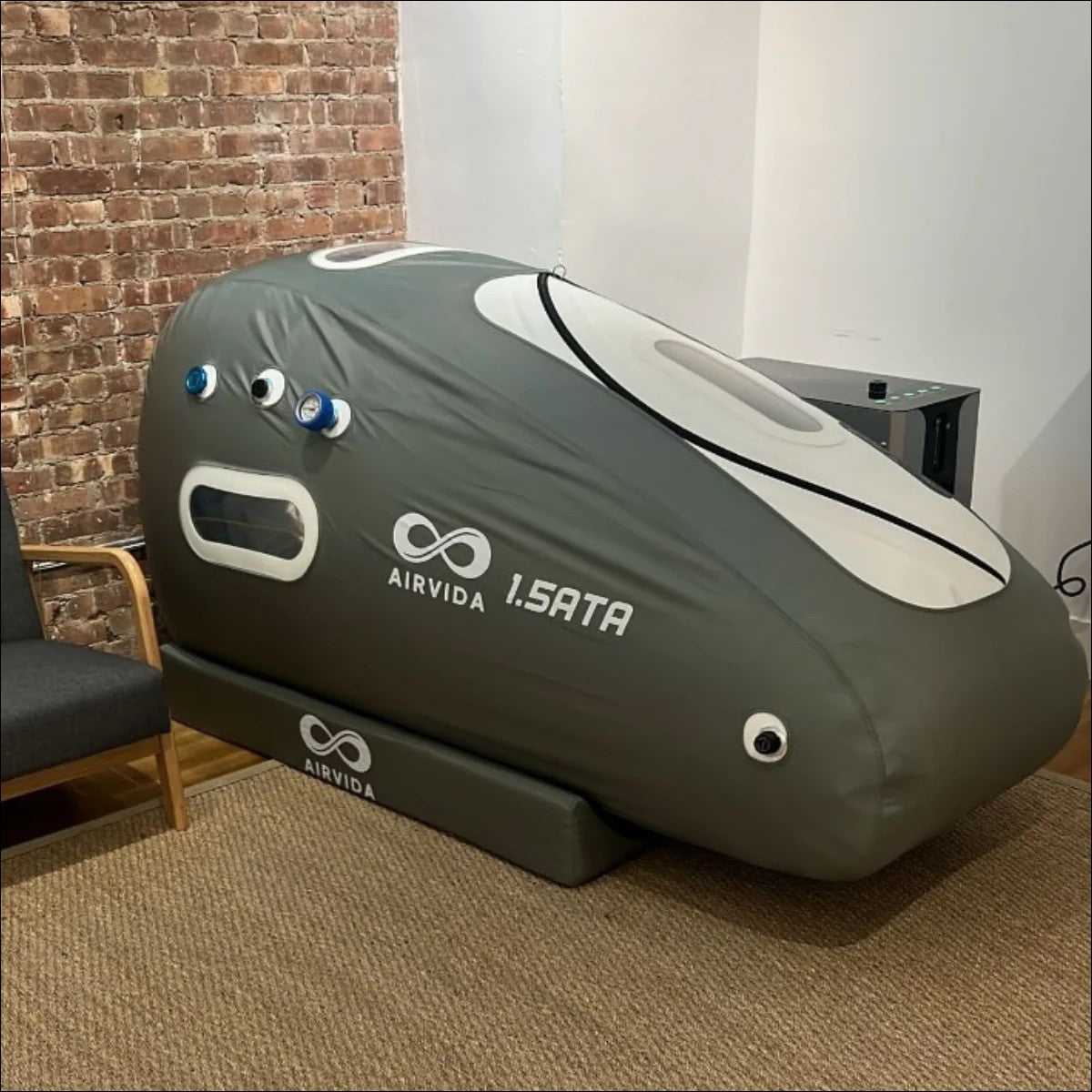
For home wellness chambers like our soft hyperbaric chambers, treatment pressures typically range from 1.3 to 1.5 ATA. These mild pressures are safe for home use and don't require medical supervision.
Clinical facilities may use higher pressures, typically 1.5 to 2.0 ATA for neurological conditions.
Research on HBOT for Vascular Dementia

Scientific studies on hyperbaric oxygen treatment for vascular dementia show mixed but promising results. While more research is needed, several studies indicate potential benefits for certain patients.
What Clinical Studies Have Found
A 2020 study published in the journal Aging examined the effects of hyperbaric oxygen therapy on elderly patients with cognitive decline. Researchers found significant improvements in memory, attention, and information processing speed after 60 treatment sessions.
Brain imaging showed increased blood flow and improved brain tissue metabolism in areas previously showing reduced activity. These changes correlated with the cognitive improvements patients experienced.
Another study focused specifically on patients with vascular cognitive impairment. After three months of treatment, participants showed better performance on cognitive tests and reported improved quality of life.
Not all studies show positive results. Some research found no significant cognitive benefits, particularly in patients with advanced dementia or extensive brain damage. This suggests that timing and severity of the condition matter.
The current evidence indicates that HBOT for cognitive impairment may be most effective in early to moderate stages of vascular dementia, before extensive irreversible damage occurs.
Comparing HBOT to Other Dementia Interventions
Here's how hyperbaric oxygen therapy stacks up against other common approaches for managing vascular dementia:
|
Treatment Approach |
Primary Goal |
Typical Results |
Time Commitment |
|
HBOT |
Improve oxygen delivery, support brain tissue |
Potential cognitive improvement, slowed decline |
40-60 sessions over 2-3 months |
|
Blood Pressure Medications |
Prevent further strokes |
Reduced stroke risk, no cognitive improvement |
Daily, ongoing |
|
Cognitive Training |
Maintain mental skills |
Helps maintain current abilities |
Several hours weekly |
|
Physical Exercise |
Improve overall circulation |
Better cardiovascular health, modest cognitive benefits |
30-60 minutes daily |
|Each approach serves a different purpose. Medications prevent additional damage, while therapies like HBOT aim to address existing problems.
Benefits and Potential Outcomes
While hyperbaric oxygen therapy isn't a cure for vascular dementia, it may offer meaningful benefits for some patients. Understanding realistic expectations helps you make informed decisions about treatment.
Cognitive Function Improvements
Patients who respond well to treatment often report improvements in several areas. Memory recall may become easier, particularly for recent events and conversations.
Some people notice better focus and concentration. Tasks that previously felt overwhelming become more manageable. Processing information and making decisions may feel less difficult.
Language skills sometimes improve. Finding the right words during conversation becomes easier for some patients. Following complex instructions or reading comprehension may also show gains.
These improvements typically develop gradually over the course of treatment rather than appearing suddenly. Most patients notice changes after 20 to 30 sessions.
Quality of Life Enhancements
Beyond measurable cognitive improvements, many patients and families report better daily functioning. Individuals may become more engaged in activities they previously enjoyed but had stopped doing.
Mood often improves. Less frustration with memory problems can lead to reduced anxiety and better emotional wellbeing. Some patients become more socially active and communicative.
Independence in daily activities sometimes increases. Tasks like managing medications, preparing meals, or handling finances may become easier for patients who show cognitive improvement.
Hyperbaric Collections You May Want to Shop

Choosing the Right Chamber Type
Not all hyperbaric chambers are the same. Understanding the differences helps you select the most appropriate option for treating vascular dementia.
Home Wellness Chambers vs. Clinical Systems
Home wellness chambers operate at lower pressures (1.3 to 1.5 ATA) and are designed for personal use without medical supervision. These systems, including our hard shell hyperbaric chambers, provide convenient access to regular treatments.
Clinical hyperbaric chambers can reach higher pressures and are supervised by trained medical staff. These systems are typically used in hospitals or specialized treatment centers.
For vascular dementia treatment, home chambers offer several advantages. Regular, frequent sessions are easier to maintain when you don't need to travel to a facility. The convenience factor often leads to better treatment compliance.
Lower pressure doesn't necessarily mean less effective for this condition. Research on Alzheimer's and dementia research suggests that mild hyperbaric pressures can still provide meaningful benefits for brain health.
Soft vs. Hard Shell Chambers
|
Feature |
Soft Chambers |
Hard Shell Chambers |
|
Pressure Range |
1.3-1.5 ATA |
1.3-2.0 ATA |
|
Portability |
Lightweight, can be moved |
Heavy, requires dedicated space |
|
Visibility |
Limited windows |
Clear acrylic provides full visibility |
|
Comfort |
Lying position only |
Can sit or recline |
|
Price Point |
More affordable |
Higher investment |
|
Durability |
3-5 years typical lifespan |
10+ years with proper maintenance |
Soft chambers work well for budget-conscious buyers or those with limited space. They're easier to transport if you move homes.
Hard shell chambers provide a more comfortable experience, especially for longer sessions. Better visibility reduces feelings of confinement, which matters for patients who may already feel anxious or confused.
For treating vascular dementia, comfort during sessions is important. Patients need to remain calm and relaxed for 60 to 90 minutes.
Treatment Considerations and Safety

Hyperbaric oxygen therapy is generally safe when used properly, but certain factors need consideration before starting treatment for vascular dementia.
Who Should Consider This Treatment
The best candidates are patients in early to moderate stages who still have areas of damaged but potentially salvageable brain tissue. Patients with recent diagnosis or those who've experienced small strokes may see better results than those with advanced dementia.
Good candidates also need the ability to follow basic instructions and remain calm in the chamber. Severe confusion or agitation can make treatment sessions difficult.
Family support plays an important role. Someone needs to help monitor the patient, operate the chamber safely, and ensure regular treatment schedules are maintained.
Potential Risks and Side Effects
The most common side effect is ear or sinus discomfort from pressure changes. This feels similar to what you experience in an airplane. Techniques like yawning or swallowing usually relieve this pressure.
Some people experience temporary vision changes. These typically resolve after treatment ends and aren't permanent.
Claustrophobia can be an issue, particularly in soft chambers with limited visibility. Starting with shorter sessions and gradually increasing time can help patients adjust.
People with certain conditions shouldn't use hyperbaric chambers. These include untreated pneumothorax, certain types of lung disease, and recent ear surgery. Always consult with a healthcare provider before beginning treatment.
Combining HBOT With Other Therapies
Hyperbaric oxygen therapy works best as part of a comprehensive treatment plan rather than as a standalone intervention.
Complementary Medical Treatments
Continue all medications prescribed by your doctor. Blood pressure medications, anticoagulants, and cholesterol-lowering drugs prevent additional strokes and vessel damage.
Work closely with your neurologist or primary care physician. They can monitor progress through cognitive assessments and brain imaging to track whether treatment is helping.
Physical therapy and occupational therapy enhance the benefits of improved brain oxygenation. As brain function improves, these therapies help retrain skills and rebuild independence.
Lifestyle Factors That Enhance Results
Diet plays a crucial role in vascular health. A Mediterranean-style diet rich in vegetables, fish, and healthy fats supports blood vessel function and reduces inflammation.
Regular physical exercise improves circulation throughout the body, including the brain. Even gentle walking for 20 to 30 minutes daily can make a difference.
Mental stimulation through puzzles, reading, social activities, and learning new skills complements the cognitive benefits of oxygen therapy.
Sleep quality affects brain health significantly. Good sleep hygiene helps the brain repair and consolidate improvements gained during treatment sessions.
Getting Started With HBOT
Starting treatment requires planning and preparation. Taking the right steps helps ensure safety and maximize potential benefits
Working With Healthcare Providers

Schedule a thorough evaluation with your doctor before beginning hyperbaric oxygen therapy. They can assess whether you're a good candidate and identify any contraindications.
Request baseline cognitive testing. These measurements provide a reference point for tracking improvements or changes during treatment.
Discuss your treatment plan with all healthcare providers involved in the patient's care. Neurologists, primary care physicians, and therapists should all be aware of the HBOT plan.
Setting Realistic Expectations
Understand that results vary significantly between individuals. Some patients experience noticeable improvements while others see minimal changes.
Improvements typically appear gradually rather than dramatically. Small gains in memory, focus, or daily functioning are more common than major breakthroughs.\
Benefits may plateau after an initial treatment series. Some patients maintain improvements with periodic maintenance sessions, while others need ongoing treatment.
HBOT isn't a cure. It may slow progression and improve quality of life, but it won't reverse all damage or stop the disease entirely.
For more information on related conditions, explore our guide on hyperbaric chamber for Alzheimer's to understand how oxygen therapy applies to different types of dementia.
Practical Treatment Insights
Most protocols recommend five sessions per week during the initial intensive phase. This allows for consistent oxygen delivery while giving the body rest days to respond and adapt.
Each session takes 60 to 90 minutes, but plan for additional time. Setting up the chamber, achieving target pressure, and depressurizing at the end adds 20 to 30 minutes.
Choose a consistent time of day for treatments. Morning sessions work well for many families because the patient is typically more alert and cooperative earlier in the day.
Treatment costs vary widely. Clinical facility sessions typically cost $200 to $500 per session. A 40-session protocol could run $8,000 to $20,000. Most insurance doesn't cover HBOT for dementia because it's considered experimental for this condition.
Home chambers require a larger upfront investment, typically $8,000 to $30,000 depending on the type and features. However, the per-session cost drops dramatically with regular use.
For families planning long-term treatment, multiplace hyperbaric chambers or home systems often prove more economical than ongoing facility visits.
Oxygen Therapy as a Path Forward in Dementia Care

Vascular dementia presents unique challenges, but emerging treatments like hyperbaric oxygen therapy offer hope for patients and families seeking options beyond traditional symptom management. While not appropriate for everyone, this treatment approach deserves consideration for patients in early to moderate stages who want to explore all available avenues for maintaining cognitive function and quality of life.
The key to success lies in realistic expectations, consistent treatment protocols, and integration with comprehensive medical care. Hyperbaric oxygen treatment for vascular dementia works best when combined with medications, lifestyle modifications, and supportive therapies rather than being viewed as a standalone solution.
At Airvida Chambers, we pride ourselves on offering the highest quality of hyperbaric chambers on the market backed by only working with the most reliable partners in the industry. With over 10 years of manufacturing experience, we understand the unique needs of families dealing with neurological conditions and provide chambers designed for safe, effective home use. Our commitment to quality and customer support ensures you have the resources and guidance needed to implement a successful treatment program for your loved one.
Frequently Asked Questions
What is the best treatment for vascular dementia?
Treatment usually combines medications to prevent strokes, lifestyle changes, and supportive therapies. Cognitive training, exercise, and treatments like hyperbaric oxygen therapy may help maintain brain function and slow progression.
Can hyperbaric oxygen therapy help vascular dementia?
Hyperbaric oxygen therapy may help by increasing oxygen delivery to damaged brain areas. Some patients show improvements in memory and attention, especially in early stages, but results vary and it should complement medical care.
Can you recover from vascular dementia?
Full recovery isn’t possible because damaged brain cells cannot regenerate. However, managing risk factors and using supportive therapies may stabilize symptoms and help preserve cognitive function and quality of life.
How long do vascular dementia patients live?
Life expectancy varies, but many patients live around five years after diagnosis. Proper management of blood pressure, diabetes, and cardiovascular health can improve both longevity and quality of life.
What worsens vascular dementia?
Vascular dementia worsens when additional strokes occur. Risk factors like high blood pressure, diabetes, smoking, poor diet, inactivity, infections, and certain medications can accelerate cognitive decline.
What is the final stage of vascular dementia?
The final stage involves severe cognitive and physical decline. Patients may lose communication, mobility, and self-care abilities, requiring full-time care due to swallowing problems, infections, and other complications.
Disclaimer
Airvida and partners' advice does not constitute medical advice and is intended for informative and educational purposes only, with no medical or non-medical claims being made. While research & studies show the potential Hyperbaric Oxygen Therapy (HBOT) and Hyperbaric Air Therapy (HBAT) may have implied benefits, individual results may vary. It is required by Airvida & Partners to consult with doctors before being approved for Hyperbaric Therapy (HBOT & HBAT). Read More HERE