


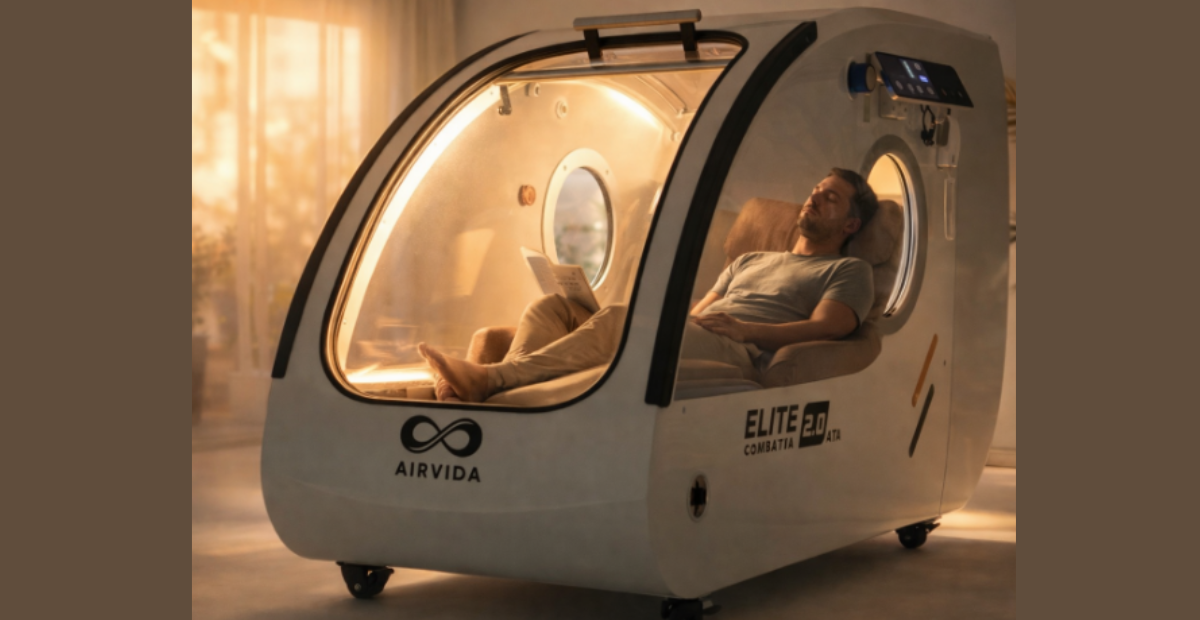
Can hyperbaric oxygen therapy help with depression? Emerging research suggests that hyperbaric oxygen therapy (HBOT) may offer supportive benefits for individuals experiencing depression by improving oxygen delivery to brain tissues and potentially reducing neuroinflammation. While HBOT is not a standalone cure or replacement for traditional depression treatments, some studies indicate it could complement existing therapies by supporting overall brain health and function.
Depression affects millions of people worldwide, and while traditional treatments like medication and psychotherapy remain the foundation of care, many individuals seek additional approaches to support their mental wellness. Hyperbaric oxygen therapy has gained attention for its potential to enhance oxygen levels in the body, which may influence brain function and mood regulation.
In this guide, we'll explore how HBOT works, what the research shows about its connection to depression, and what you should know before considering this therapy as part of your wellness routine.
Support your wellness journey with proven technology. Explore our mild hyperbaric chambers designed for home use.
Hyperbaric Chambers You May Want to Explore

Understanding Hyperbaric Oxygen Therapy and How It Works
Hyperbaric oxygen therapy involves breathing concentrated oxygen in a pressurized environment. This process allows your body to absorb higher levels of oxygen than you would get from breathing normal air at standard atmospheric pressure.
The increased oxygen levels can reach tissues throughout your body more effectively, including areas that may have restricted blood flow or inflammation. This is why HBOT has been used in medical settings for conditions like wound healing and carbon monoxide poisoning.
The Science Behind Oxygen and Brain Function
Your brain uses about 20% of your body's oxygen supply, even though it only makes up about 2% of your body weight. This high oxygen demand means that even small changes in oxygen delivery can affect how your brain functions.
Oxygen plays a critical role in producing energy within brain cells, supporting neurotransmitter function, and maintaining the health of neural connections. When brain tissues don't get enough oxygen, it can impact mood, cognition, and overall mental clarity.

HBOT works by saturating your blood plasma with oxygen, not just the red blood cells. This oxygen-rich plasma can reach areas with compromised circulation, potentially supporting brain regions involved in mood regulation.
The therapy also appears to trigger biological responses beyond simple oxygenation. Studies suggest it may reduce inflammation, promote the growth of new blood vessels, and support the body's natural repair processes.
Home Wellness Chambers vs. Medical-Grade HBOT
It's important to understand that home wellness hyperbaric chambers operate differently from medical-grade systems used in hospitals.
Medical-grade HBOT typically operates at 2.5 to 3.0 ATA (atmospheres absolute) and is used for acute emergency conditions or approved medical treatments. These high-pressure systems require medical supervision and are not available for home use.

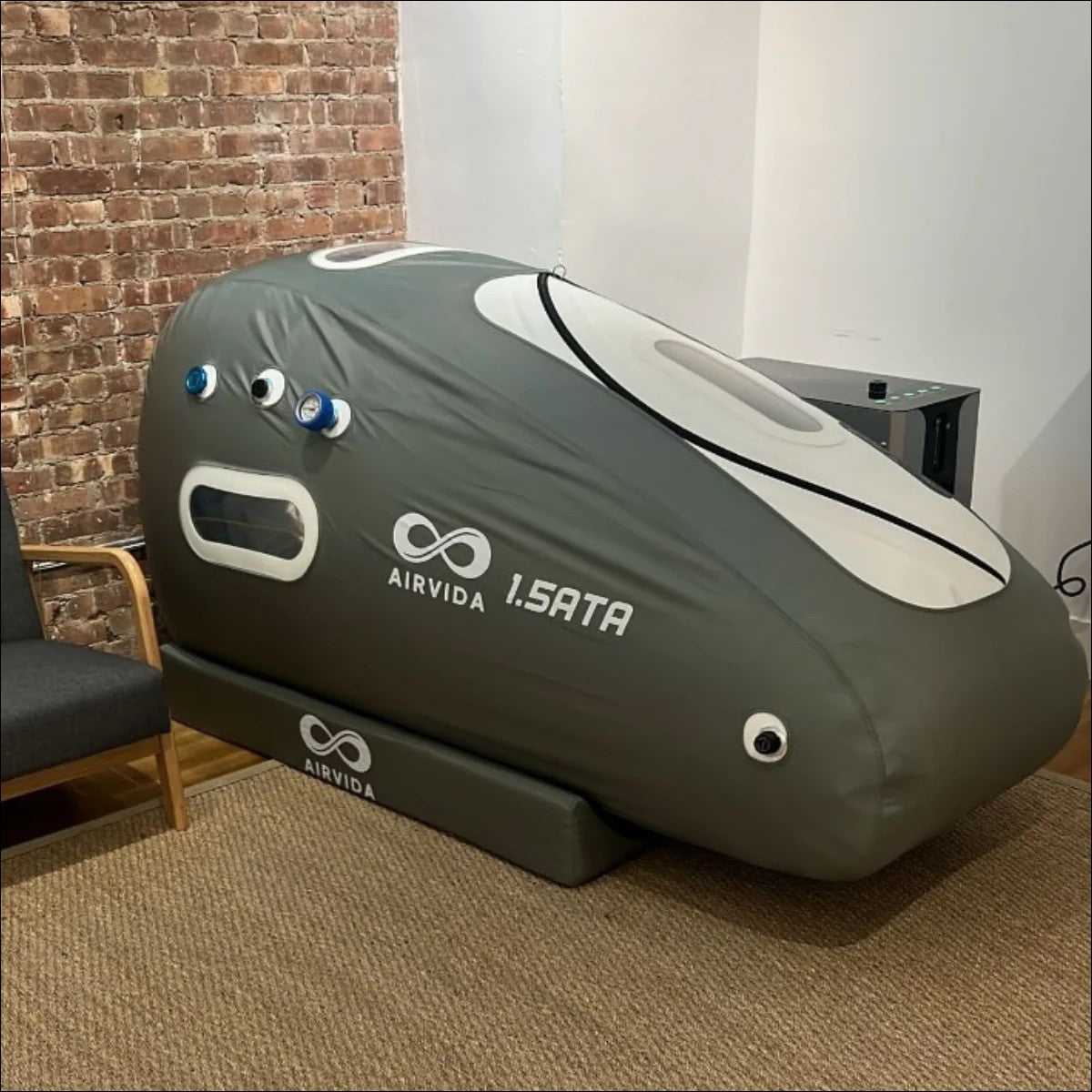
Home wellness chambers, like those offered by Airvida Chambers, operate at lower pressures between 1.3 and 2.0 ATA. Our 1.5 ATA sitting chamber represents this gentle, wellness-focused approach.
These mild hyperbaric chambers are designed for general wellness support and recovery, not for treating acute medical emergencies. They provide a safe, comfortable way to incorporate oxygen therapy into your daily routine without medical supervision.
Can Hyperbaric Oxygen Therapy Help Depression: What Research Shows
The relationship between hyperbaric oxygen therapy and depression is an emerging area of research. While HBOT is not FDA-approved specifically for depression treatment, several studies have examined its potential effects on mood and mental health.
Current Research on HBOT and Mental Health
Recent studies have explored how HBOT might influence depression through several mechanisms. Research published in peer-reviewed journals suggests that increased oxygen delivery to the brain may support areas involved in mood regulation.
One proposed mechanism involves neuroinflammation. Depression has been linked to inflammatory processes in the brain, and HBOT appears to have anti-inflammatory effects. By reducing inflammation, the therapy may indirectly support better mood regulation.
Another area of interest is neuroplasticity, which is the brain's ability to form new neural connections. Some research indicates that HBOT may promote neuroplasticity, potentially supporting the brain's capacity to recover from mood disorders.
Studies on veterans with post-traumatic stress disorder (PTSD) and traumatic brain injury (TBI) have shown promising results when HBOT is used alongside standard treatments. Since depression often co-occurs with these conditions, the mood improvements observed may offer insights into HBOT's potential benefits.
Hyperbaric Chambers You May Want to Explore


How HBOT May Support Mood and Brain Health
HBOT's potential benefits for depression likely stem from multiple pathways:
Improved Oxygen Delivery: Enhanced oxygen levels in brain tissues may support the energy production needed for optimal neurotransmitter function. Neurotransmitters like serotonin and dopamine play crucial roles in mood regulation.
Reduced Inflammation: Chronic inflammation has been associated with depression. HBOT's anti-inflammatory properties may help create a more favorable environment for brain health.
Enhanced Blood Flow: The therapy may promote the development of new blood vessels, improving circulation to brain regions that regulate mood and emotion.
Cellular Repair: Increased oxygen availability can support the body's natural healing processes, potentially helping repair damage from oxidative stress or other factors that contribute to depression.
Better Sleep Quality: Some users report improved sleep after HBOT sessions, and better sleep is closely linked to mood improvement and depression management.
Important Limitations and Considerations
While research is promising, it's crucial to maintain realistic expectations. HBOT should not be viewed as a cure for depression or a replacement for evidence-based treatments like psychotherapy and medication.
Most studies on HBOT and depression involve small sample sizes or combine HBOT with other treatments, making it difficult to isolate its specific effects. Larger, more rigorous clinical trials are needed to establish clear guidelines for using HBOT in depression care.
Additionally, individual responses to HBOT vary widely. What works for one person may not work for another, and factors like the severity of depression, overall health, and concurrent treatments all play a role.
Learn more about the broader applications of this therapy in our guide to hyperbaric chamber benefits.
Who Might Benefit From HBOT for Depression Support
Not everyone with depression will experience the same results from hyperbaric oxygen therapy. Understanding who might benefit most can help set appropriate expectations.
Conditions Where HBOT May Offer Additional Support
Certain groups may find HBOT particularly helpful as a complementary approach:
Individuals with Treatment-Resistant Depression: People who haven't responded well to traditional antidepressants or therapy might explore HBOT as an adjunct treatment to support their existing care plan.
Those with Co-occurring Conditions: Depression often occurs alongside conditions like chronic fatigue, fibromyalgia, or post-concussion syndrome. HBOT's effects on inflammation and tissue healing may address multiple concerns simultaneously.
People with Inflammatory Markers: If blood tests show elevated inflammatory markers, HBOT's anti-inflammatory properties might be particularly relevant to your situation.
Veterans with TBI or PTSD: Research on military populations has shown some of the most promising results, particularly when depression occurs alongside traumatic brain injury or post-traumatic stress.
When HBOT May Not Be Appropriate
HBOT is not suitable for everyone. Certain medical conditions make hyperbaric therapy inadvisable or require special precautions:
People with untreated pneumothorax (collapsed lung), certain types of lung disease, or recent ear surgery should avoid HBOT. Those with claustrophobia may find chamber-based therapy uncomfortable, though some chamber designs offer more spacious environments.
Pregnancy, active cancer treatment, and severe congestive heart failure are also contraindications that require medical consultation before considering HBOT.
Always discuss HBOT with your healthcare provider, especially if you're currently taking medication or receiving treatment for depression. Your doctor can help determine whether HBOT might safely complement your existing treatment plan.
HBOT vs. Traditional Depression Treatments: A Comparison
Understanding how HBOT compares to established depression treatments helps clarify where it might fit into a comprehensive mental health strategy.
|
Treatment Approach |
How It Works |
Evidence Level |
Best Used For |
Time to See Results |
|
Psychotherapy (CBT, DBT) |
Changes thought patterns and behaviors |
Strong, extensive research |
Most types of depression; first-line treatment |
6-12 weeks typically |
|
Antidepressant Medication |
Alters brain chemistry (neurotransmitters) |
Strong, FDA-approved |
Moderate to severe depression |
4-8 weeks for full effect |
|
Hyperbaric Oxygen Therapy |
Increases oxygen delivery to tissues |
Emerging, limited studies |
Adjunct support, particularly with inflammation or TBI |
Variable; some report benefits within weeks |
|
Exercise Programs |
Releases endorphins, reduces inflammation |
Strong evidence as adjunct |
Mild to moderate depression |
2-4 weeks of consistent activity |
|
Light Therapy |
Regulates circadian rhythms |
Moderate to strong |
Seasonal affective disorder |
1-2 weeks |

HBOT as a Complementary Approach
HBOT works differently from traditional depression treatments. While antidepressants target neurotransmitter systems and therapy addresses thought patterns, HBOT focuses on improving the physiological environment in which the brain operates.
This makes HBOT most valuable as a complementary therapy rather than a standalone treatment. It may enhance the effectiveness of other approaches by supporting overall brain health and reducing inflammation.
Think of it like creating better soil for a garden. Medication and therapy are the seeds and water, while HBOT helps prepare the ground where healing can take place.
What to Expect During HBOT Sessions
If you're considering hyperbaric oxygen therapy for depression support, knowing what to expect can help you prepare for the experience.
The Treatment Process
A typical HBOT session involves entering a pressurized chamber where you'll breathe concentrated oxygen. Sessions usually last between 60 and 90 minutes, and many treatment protocols recommend multiple sessions per week over several weeks.
During the session, you'll simply relax inside the chamber. Many people read, listen to music, or rest during this time. The sensation is similar to being in an airplane during takeoff and landing, with some pressure changes in your ears that can be relieved by yawning or swallowing.

Home wellness chambers like our home hyperbaric chamber offer the convenience of conducting sessions in the comfort of your own space, on your own schedule.
Treatment Duration and Frequency
Research on HBOT for mental health varies in protocol, but many studies use 20 to 60 sessions over several weeks. Some individuals report noticing changes within the first few weeks, while others require longer treatment periods.
The frequency of sessions typically ranges from three to five times per week. Consistency appears important for achieving results, which is why home chambers can offer advantages by making regular sessions more accessible.
|
Session Aspect |
Typical Parameters |
What You'll Experience |
|
Session Length |
60-90 minutes |
Relaxation time; bring a book or music |
|
Frequency |
3-5 times per week |
Consistent schedule yields best results |
|
Pressure Level |
1.3-2.0 ATA (home wellness) |
Mild ear pressure, easily managed |
|
Treatment Course |
20-60 sessions |
Benefits may accumulate over time |
|
Comfort Level |
Varies by chamber design |
Spacious chambers like sitting models offer more comfort |
Potential Side Effects and Safety
HBOT is generally considered safe when used appropriately. The most common side effects are minor and include ear discomfort from pressure changes, temporary vision changes, and fatigue after sessions.
Serious complications are rare but can include oxygen toxicity if pressures are too high or sessions too long. This is why following manufacturer guidelines and consulting healthcare providers is essential.
Home wellness chambers operating at mild pressures (1.3-2.0 ATA) have an excellent safety profile when used according to instructions. These lower pressures significantly reduce the risk of side effects compared to medical-grade high-pressure systems.
Discover how HBOT fits into broader wellness strategies in our article on healing benefits of hyperbaric chambers.
Making an Informed Decision About HBOT for Depression
Deciding whether to try hyperbaric oxygen therapy for depression support requires careful consideration of your individual situation.
Questions to Ask Your Healthcare Provider
Before starting HBOT, discuss these points with your doctor or mental health professional:
-
How might HBOT interact with my current medications or treatments?
-
Are there any medical conditions that would make HBOT unsafe for me?
-
Should I adjust my treatment plan if I add HBOT sessions?
-
What specific outcomes should I monitor to evaluate whether HBOT is helping?
-
How long should I try HBOT before deciding if it's beneficial?
Setting Realistic Expectations
HBOT is not a quick fix or miracle cure for depression. It requires commitment, time, and often significant financial investment since insurance rarely covers HBOT for mental health purposes.
View HBOT as one potential tool in a comprehensive approach to mental wellness. Continue working with mental health professionals, maintain medication if prescribed, and don't discontinue proven treatments in favor of HBOT alone.
Track your mood, energy levels, and other symptoms throughout your HBOT experience. This data can help you and your healthcare team assess whether the therapy is providing meaningful benefits.
Cost and Accessibility Considerations
Medical-grade HBOT at specialized clinics can be expensive, often costing hundreds of dollars per session. A full treatment course might run into thousands of dollars.
Home wellness chambers require an upfront investment but can become more cost-effective over time, especially if multiple family members use them or if you anticipate needing long-term treatment. Our chambers are designed for durability and regular use, making them a practical option for ongoing wellness support.
Some people find that the convenience and privacy of home treatment justify the investment, particularly if they live far from HBOT facilities or have scheduling constraints.
For detailed information on treatment protocols and applications, read our comprehensive guide to hyperbaric chamber treatment.

Your Path Forward with Depression and Wellness
Can hyperbaric oxygen therapy help with depression? The research suggests it may offer supportive benefits as part of a broader treatment approach, particularly for individuals with treatment-resistant depression, co-occurring conditions, or elevated inflammation. However, HBOT should complement rather than replace proven treatments like psychotherapy and medication.
The key to successfully managing depression lies in finding the right combination of approaches that work for your unique situation. Whether that includes HBOT, traditional treatments, lifestyle changes, or all of the above, working closely with healthcare professionals ensures you're making safe, informed decisions.
At Airvida Chambers, we pride ourselves on offering the highest quality of hyperbaric chambers on the market, backed by only working with the most reliable partners in the industry. With over 10 years of manufacturing experience, we provide wellness-focused solutions that integrate seamlessly into your daily routine. Our chambers are designed for safety, comfort, and consistent performance, giving you peace of mind as you explore this supportive therapy.
Remember that healing from depression is a journey, not a destination. Be patient with yourself, stay open to different approaches, and keep communication open with your care team as you navigate your path to better mental health.
Explore Related Articles
Frequently Asked Questions
What is the best therapy for depression?
The best therapy for depression varies by individual, but cognitive behavioral therapy (CBT) and interpersonal therapy (IPT) have the strongest research support. Many people benefit from combining psychotherapy with antidepressant medication, especially for moderate to severe depression. Other effective approaches include behavioral activation, mindfulness-based therapies, and lifestyle changes like regular exercise and sleep improvements. The most successful treatment plan is often personalized to your specific symptoms, preferences, and circumstances, developed in collaboration with a qualified mental health professional.
Is a hyperbaric chamber good for depression?
A hyperbaric chamber may offer supportive benefits for some individuals with depression, particularly as a complementary approach alongside traditional treatments. Research suggests HBOT might help by improving oxygen delivery to the brain, reducing inflammation, and supporting neuroplasticity. However, it should not replace proven treatments like therapy or medication. Results vary widely between individuals, and more research is needed to establish clear guidelines. If you're considering HBOT for depression, discuss it with your healthcare provider to determine if it's appropriate for your situation and how it might fit into your overall treatment plan.
How long do the benefits of hyperbaric oxygen therapy last?
The duration of HBOT benefits varies significantly depending on the condition being addressed and individual factors. Some people report sustained improvements lasting weeks to months after completing a treatment course, while others may need periodic maintenance sessions to maintain benefits. For depression support, effects may be cumulative and require ongoing sessions for sustained results. Factors affecting duration include the severity of your condition, overall health status, lifestyle habits, and whether you continue other treatments. Maintaining healthy habits like good nutrition, exercise, and stress management may help extend the benefits you experience from HBOT.
What are the risks of hyperbaric chamber therapy?
Hyperbaric chamber therapy is generally safe when used properly, but some risks exist. The most common side effects include ear discomfort or barotrauma from pressure changes, temporary vision changes, sinus discomfort, and fatigue after sessions. Rare but serious risks include oxygen toxicity (from too much oxygen at high pressure), lung damage, and claustrophobia-related anxiety. People with certain conditions, like untreated pneumothorax, severe lung disease, or recent ear surgery, should avoid HBOT. Home wellness chambers operating at lower pressures (1.3-2.0 ATA) have significantly fewer risks than medical-grade high-pressure systems. Always follow the manufacturer's instructions and consult your doctor before starting treatment.
What is the most successful depression medication?
There is no single "most successful" depression medication, as effectiveness varies greatly between individuals. Selective serotonin reuptake inhibitors (SSRIs) like sertraline, escitalopram, and fluoxetine are often prescribed first due to their effectiveness and relatively mild side effect profiles. Serotonin-norepinephrine reuptake inhibitors (SNRIs) like venlafaxine and duloxetine work well for many people, especially those with both depression and anxiety or pain. Newer medications like bupropion or mirtazapine may be effective for those who don't respond to SSRIs. Finding the right medication often involves trial and adjustment under medical supervision, and what works best for you depends on your specific symptoms, medical history, and how your body responds.
What is the new therapy for depression?
Several newer therapies have emerged for depression treatment in recent years. Ketamine and esketamine (Spravato) therapy show rapid results for treatment-resistant depression, though it requires medical supervision. Transcranial magnetic stimulation (TMS) uses magnetic fields to stimulate brain areas involved in mood regulation and is FDA-approved for depression. Psychedelic-assisted therapy using psilocybin is being researched in clinical trials with promising early results. Digital therapeutics, like app-based cognitive behavioral therapy programs, offer accessible options. Newer medications targeting different brain pathways continue to be developed. While these approaches show promise, they're typically reserved for cases where traditional treatments haven't worked or require participation in research studies.
Disclaimer
Airvida and partners' advice does not constitute medical advice and is intended for informative and educational purposes only, with no medical or non-medical claims being made. While research & studies show the potential Hyperbaric Oxygen Therapy (HBOT) and Hyperbaric Air Therapy (HBAT) may have implied benefits, individual results may vary. It is required by Airvida & Partners to consult with doctors before being approved for Hyperbaric Therapy (HBOT & HBAT). Read More HERE