


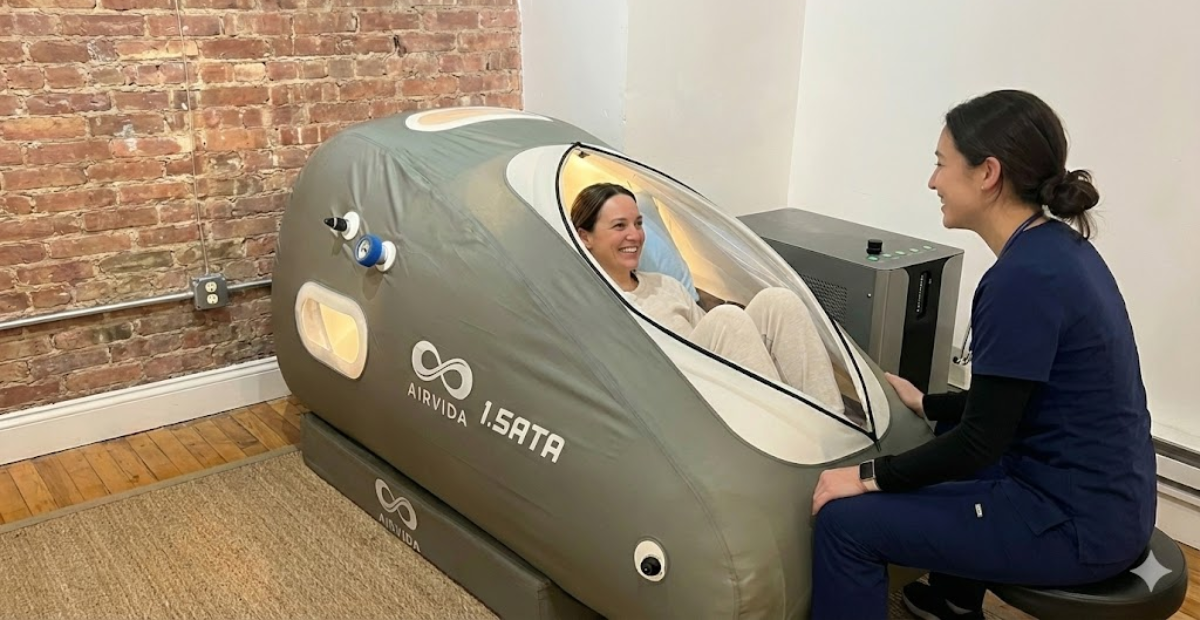
Hyperbaric oxygen treatment for cerebral palsy is frequently considered by parents looking for additional support to improve mobility, cognition, and muscle control in their children. Families are often curious about whether this therapy provides measurable benefits, how it interacts with existing therapies, and its potential role in a child’s comprehensive long-term care plan.
Hyperbaric oxygen treatment for cerebral palsy functions by increasing oxygen delivery to injured or under-functioning areas of the brain. This enhanced oxygenation may support neuroplasticity, reduce inflammation, and promote functional gains. While outcomes can vary, HBOT is explored as a complementary approach to conventional therapies, aiming to support overall neurological and physical development.
Cerebral palsy affects muscle tone, movement patterns, balance, and motor skills. That’s why many caregivers look for safe, complementary treatments that may support traditional therapies. In this guide, you’ll learn what HBOT is, how it works, why some families consider it, and which situations may be the most appropriate.
Before diving in, explore the hyperbaric chamber San Antonio collection for local options.
What Is Hyperbaric Oxygen Therapy (HBOT)?
Hyperbaric oxygen therapy is a non-invasive treatment that involves breathing pure oxygen inside a pressurized chamber. The pressure helps oxygen dissolve more efficiently into the bloodstream, delivering it to tissues that may have limited function.
In children with cerebral palsy, specific regions of the brain may experience reduced oxygen flow due to early injury or developmental differences. Hyperbaric oxygen therapy may help enhance circulation, deliver more oxygen to these areas, and support cellular recovery, potentially promoting improved brain function and overall physical and cognitive development.
How HBOT Works Inside the Body

When pure oxygen is delivered at increased pressure, the body receives a higher concentration than normal breathing can provide. This can:
-
Increase blood oxygen levels
-
Reduce inflammation
-
Support neuroplasticity
-
Improve cellular repair
These biological changes induced by hyperbaric oxygen therapy can gradually support improved function over time. When combined with standard therapies such as physical therapy, occupational therapy, and speech therapy, HBOT may enhance mobility, coordination, and communication skills, offering a complementary approach that supports a child’s overall developmental progress and quality of life.
Why Parents Consider HBOT for Cerebral Palsy
Many families turn to hyperbaric oxygen therapy hoping to enhance their child’s physical function, reduce muscle tightness, and support overall developmental progress. By potentially improving oxygen delivery to under-functioning areas of the brain and tissues, HBOT is considered a complementary approach that may work alongside traditional therapies to optimize outcomes.
Hyperbaric Chambers You May Want to Shop


Below is an overview of the most common reasons caregivers choose this therapy.
Potential Benefits
While every child’s case is unique, parents often report improvements in areas such as:
-
Fine motor coordination
-
Gross motor skills
-
Balance and walking stability
-
Speech clarity and cognitive engagement
Some families also note better sleep, reduced irritability, or improved attention.
Evidence and Realistic Expectations
Hyperbaric oxygen therapy does not cure cerebral palsy, but it may provide supportive benefits for brain health and overall function. Any improvements are typically gradual and occur in conjunction with other established therapies. HBOT is best viewed as a complementary approach that may enhance the effects of ongoing treatment plans.
Research findings remain mixed, but many clinicians agree that HBOT shows the most promise for:
-
Children with mild to moderate motor involvement
-
Cases involving hypoxic brain injury at birth
-
Children showing steady gains with traditional therapy
Table: Key Factors to Consider Before Starting HBOT
|
Factor |
What It Means |
Why It Matters |
|
Child’s medical history |
Severity, type of CP, past treatments |
Helps determine whether HBOT is appropriate |
|
Goals of therapy |
Mobility, cognition, speech |
Sets realistic expectations for outcomes |
|
Session length and frequency |
Usually 60–90 minutes |
Impacts commitment level |
|
Chamber type |
Hard chamber vs. soft chamber |
Affects pressure levels and experience |
How HBOT Sessions Work for Kids

For children with cerebral palsy, sessions are designed to be comfortable and predictable. Most clinics provide a calm, private space where your child can relax, watch a video, or sit with a caregiver.
Typical Session Structure
-
The child enters the chamber with assistance if needed.
-
Pressure increases slowly
-
The child breathes pure oxygen for the duration of the session.
-
Pressure decreases gradually before exiting.
Many facilities allow parents to stay in the chamber, especially in soft chambers.
Choosing the Right Chamber Type
Hyperbaric Collections You May Want to Shop

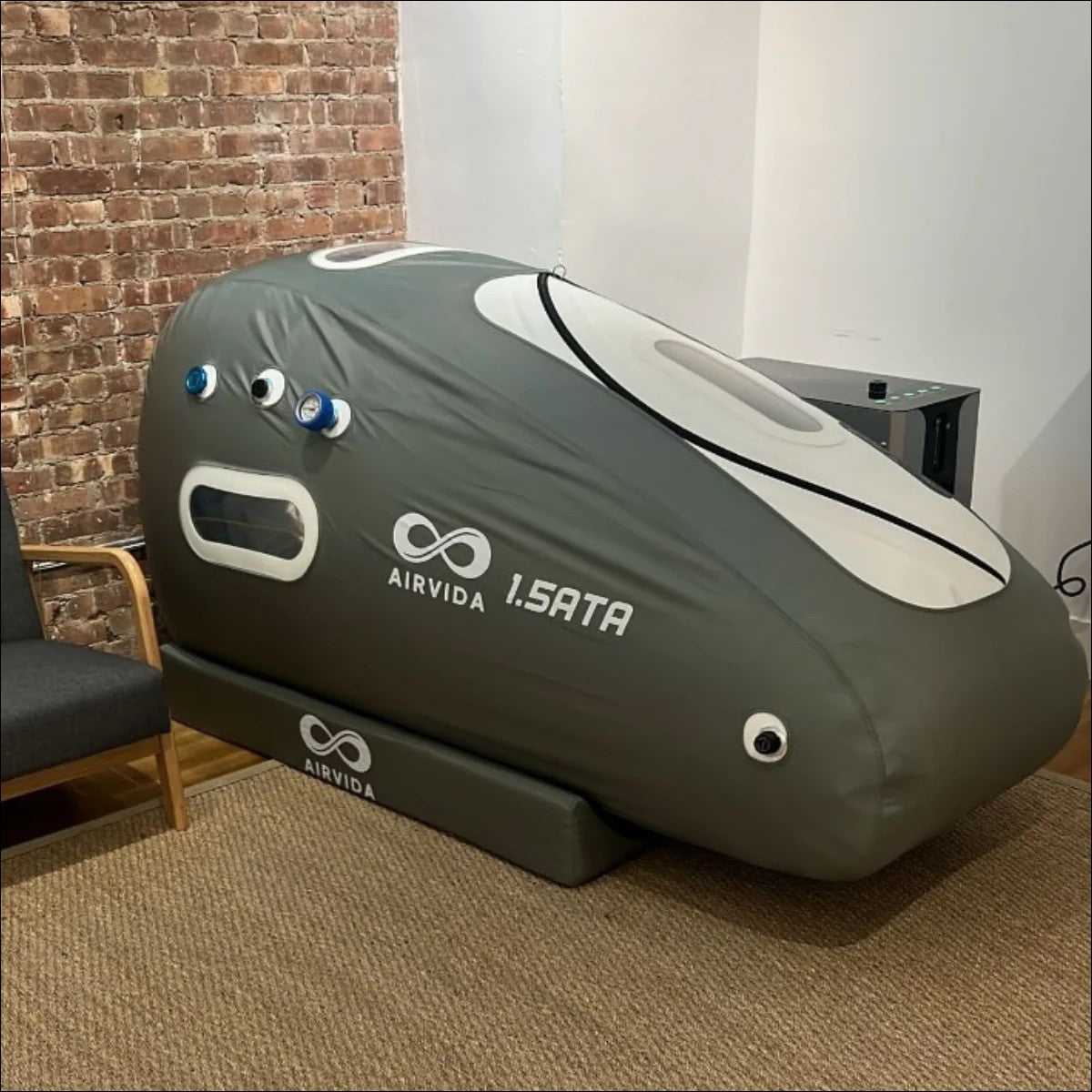
For families comparing options, understanding the difference between chamber types is helpful.
Table: Hard Chamber vs. Soft Chamber
|
Chamber Type |
Features |
Best For |
|
Hard Chamber |
High-pressure, certified medical-grade oxygen |
Families seeking clinical-level treatment |
|
Soft Chamber |
Mild pressure, suitable for home use |
Flexible schedules and supplemental therapy |
If you’re exploring home-based solutions, see our hyperbaric chamber bed collection.
Safety, Preparation, and What to Expect
option for supportive care. However, proper preparation can help ensure sessions go smoothly. This includes familiarizing the child with the process, following safety guidelines, and coordinating with medical professionals to maximize comfort, safety, and potential therapeutic benefits.
Safety Considerations
HBOT is widely considered safe for children with CP when used under professional guidance. The most common mild effects include:
-
Temporary ear pressure
-
Mild fatigue
-
Warmth or slight discomfort during pressurization
Clinics offering hyperbaric oxygen therapy provide ongoing monitoring to ensure your child remains comfortable and safe throughout each session. Staff carefully observe for any signs of discomfort or adverse effects, adjust the treatment as needed, and maintain a supportive environment, helping families feel confident and secure during the therapy process.
Tips for Parents Preparing for a Session
Preparing a child for a hyperbaric oxygen therapy session can make the experience smoother and more comfortable. With thoughtful planning, clear communication, and simple, practical steps, parents can help their child feel relaxed and confident. The following tips offer guidance to ensure sessions are safe, supportive, and effective.
-
Keep your child hydrated.
-
Dress them in comfortable cotton clothing.
-
Bring a comfort item or video for relaxation.
-
Inform the clinic of recent colds or congestion.
These small steps can improve your child’s experience significantly. For related reading, check out our guide on the benefits of a hyperbaric chamber bed
How Hyperbaric Oxygen Treatment Supports Brain Function
Hyperbaric oxygen treatment for cerebral palsy may help improve the brain’s ability to communicate with muscles and coordinate movement. The increased oxygen delivery encourages healing in tissue that may have been damaged or underdeveloped.
Neuroplasticity and Motor Skills
HBOT can help activate dormant neural pathways, supporting new motor patterns. This can translate to:
-
Better core strength
-
More stable gait
-
Improved fine motor coordination
Reduced Inflammation
Some children with cerebral palsy experience muscle tightness resulting from inflammation or overactivity in affected brain regions. By increasing oxygen supply through hyperbaric therapy, it may be possible to reduce this muscular response, supporting relaxation, improved mobility, and overall comfort, especially when used alongside conventional therapies like physical and occupational therapy.
Integrating HBOT With Other Therapies
Hyperbaric treatment works best when it’s part of a well-rounded plan. Many families combine HBOT with:
-
Physical therapy
-
Speech therapy
-
Occupational therapy
-
Sensory integration activities
This multimodal approach can enhance results. If you’re interested in neurological benefits, read our hyperbaric chamber for brain fog guide.
Is HBOT Right for Your Child?
Determining suitability depends on medical history, functional goals, and the doctor's recommendations. In general, HBOT may be most effective for children with:
-
Hypoxic-ischemic encephalopathy (HIE)
-
Motor delays from early brain injury
-
Cognitive or behavioral challenges that respond to oxygen therapy
Your child’s care team plays a crucial role in evaluating whether hyperbaric oxygen therapy is appropriate for their treatment program. By assessing medical history, current therapies, and individual needs, healthcare professionals can guide families in making informed decisions, ensuring that HBOT is safely and effectively integrated into a comprehensive care plan.
Closing Thoughts: Hyperbaric Oxygen Treatment for Cerebral Palsy in Real Life
Hyperbaric oxygen therapy has become an option many families explore when looking for complementary support. While results vary, this therapy may improve oxygenation, support brain health, and enhance mobility or cognitive function.
By learning how hyperbaric oxygen therapy works and thoughtfully integrating it with your child’s existing therapies, you can make informed, confident decisions about its potential role. Understanding its mechanisms, benefits, and limitations helps families determine whether HBOT complements treatment plans and supports their child’s individual developmental, physical, and functional goals.
Frequently Asked Questions
Can HBOT help with cerebral palsy?
Hyperbaric oxygen treatment for cerebral palsy may help improve brain oxygenation, which supports neuroplasticity and cellular repair. While it is not a cure, some children may experience better coordination, reduced spasticity, or improvements in fine motor skills. Many families find that the best outcomes occur when HBOT is combined with physical therapy, speech therapy, and daily functional practice. Individual results vary, and a medical evaluation is recommended before beginning therapy.
What is the best therapy for cerebral palsy?
The best therapy for cerebral palsy depends on the child’s unique motor needs and developmental goals, but a multidisciplinary approach typically works best. Physical therapy is foundational because it improves strength, posture, and mobility. Occupational therapy helps with daily activities and fine motor skills. Speech therapy supports communication and swallowing. Some families also add HBOT, aquatic therapy, or constraint-induced movement therapy to enhance progress. A customized care plan ensures the greatest benefits.
Is hyperbaric oxygen therapy good for brain injury?
Hyperbaric oxygen therapy can be helpful for certain types of brain injury, particularly those involving reduced oxygen flow or inflammation. Increased oxygen levels may support tissue repair, reduce swelling, and help the brain form new neural connections. Many patients report improvements in focus, cognition, or motor control after a series of sessions. However, the effectiveness varies depending on the severity and timing of the injury, so medical guidance is important.
Who cannot use hyperbaric oxygen therapy?
Hyperbaric oxygen therapy is not suitable for individuals with certain medical conditions, including untreated pneumothorax, severe respiratory infections, or specific ear pressure disorders. People with chronic sinus issues, certain lung diseases, or recent upper respiratory infections may also require additional medical clearance. Pregnant individuals and those taking certain medications should consult their doctor before beginning treatment. Proper screening ensures safe and effective therapy.