


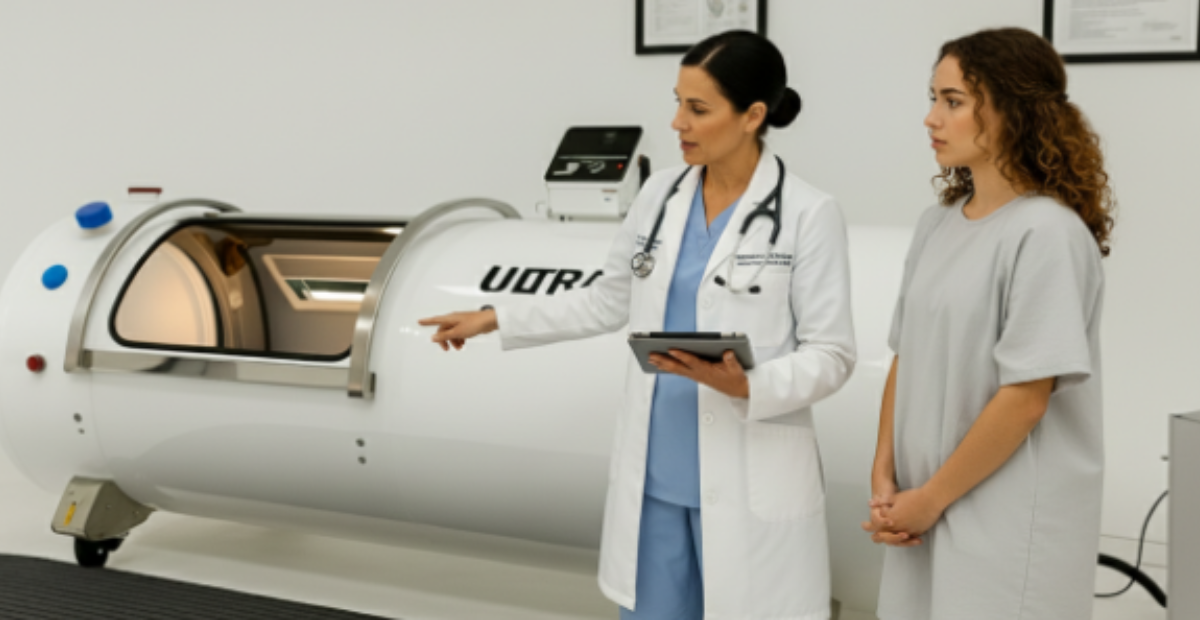
Hyperbaric chamber indications refer to the medical and wellness conditions where hyperbaric oxygen therapy is commonly used to support healing, recovery, and oxygen delivery. In simple terms, a hyperbaric chamber is indicated when the body needs higher oxygen levels to repair tissue, reduce inflammation, or improve cellular function.
Understanding these indications helps patients, athletes, and wellness-focused individuals decide if hyperbaric oxygen therapy is the right option for their needs.
Understanding Hyperbaric Oxygen Therapy Basics

Hyperbaric oxygen therapy, often shortened to HBOT, involves breathing pure oxygen in a pressurized chamber. This increased pressure allows oxygen to dissolve more efficiently into the bloodstream and reach tissues that may not receive adequate oxygen under normal conditions.
When the body receives higher oxygen concentrations, it can accelerate natural healing processes. Cells rely on oxygen to produce energy, repair damage, and fight infection. Under pressure, oxygen penetrates deeper into tissues, including areas with reduced blood flow.
Hyperbaric therapy is used in both medical settings and wellness environments. While hospitals focus on treating specific medical conditions, wellness centers such as those offering a Hyperbaric Chamber in Orange County use it to support recovery, performance, and overall health optimization.
How Hyperbaric Chambers Work
Inside a hyperbaric chamber, air pressure increases to levels higher than normal atmospheric pressure. At the same time, the user breathes concentrated oxygen. This combination dramatically increases oxygen availability in the blood plasma.
Instead of relying only on red blood cells, oxygen dissolves directly into plasma. This allows oxygen to reach injured or inflamed tissues more efficiently.
The result is improved circulation, reduced swelling, faster healing, and enhanced cellular repair. These mechanisms form the foundation for many hyperbaric chamber indications.
Hyperbaric Chambers You May Want to Shop
Explore More


What Are Hyperbaric Chamber Indications?
Hyperbaric chamber indications describe the situations where hyperbaric oxygen therapy may be recommended or beneficial. These indications can be grouped into medical, recovery, and wellness categories.
Some indications are widely recognized in clinical medicine, while others are commonly used in integrative health and performance settings. The goal remains the same: deliver oxygen more effectively to support healing and recovery.
Medical and Clinical Indications
In clinical practice, hyperbaric therapy is often used when tissues are damaged, infected, or deprived of oxygen. These scenarios may include wounds that are slow to heal, injuries with swelling, or conditions where oxygen delivery is compromised.
Medical indications typically involve supervision by trained professionals and structured treatment protocols.
Wellness and Performance-Based Indications
Outside of hospitals, hyperbaric chambers are used for recovery, stress management, and cognitive support. Athletes, busy professionals, and individuals seeking improved energy levels often turn to HBOT as part of a wellness routine.
These uses are based on the same physiological principles, even if the context is non-clinical.
Common Conditions Associated With Hyperbaric Chamber Use

Many people explore hyperbaric therapy because traditional recovery methods have not provided enough relief. The following conditions are commonly associated with hyperbaric chamber use.
Brain and Cognitive Support
Increased oxygen delivery to the brain may support focus, clarity, and mental stamina. Reduced inflammation and improved blood flow play an important role here.
Some users explore hyperbaric therapy as part of a cognitive wellness routine. You can learn more about this connection in our detailed guide on hyperbaric chamber for brain fog, which explains how oxygen exposure may support mental clarity.
Bone and Tissue Healing
Oxygen is essential for bone regeneration and tissue repair. Hyperbaric therapy is often explored for recovery after injuries, fractures, or surgeries.
Soft Tissue Injuries and Inflammation
Muscle strains, ligament injuries, and joint inflammation may benefit from improved oxygen flow. Hyperbaric therapy may help reduce swelling and promote faster recovery times. Athletes often include hyperbaric sessions in their recovery routines to support training and reduce downtime.
For those experiencing cognitive fatigue, learn more in our guide on Hyperbaric Chamber for Brain Fog: What You Need to Know Before You Start.
Why Oxygen Plays a Central Role in Healing
Oxygen is not just a basic requirement for survival. It is a critical component of healing at the cellular level. When tissues are injured, oxygen demand increases. Under normal conditions, swelling or damaged blood vessels can limit oxygen delivery. Hyperbaric therapy overcomes this limitation by flooding tissues with oxygen under pressure.
This process supports new blood vessel formation, collagen production, and immune response activation. These effects explain why oxygen therapy appears in many hyperbaric chamber indications.
Medical vs. Wellness Hyperbaric Indications
It is important to understand the difference between medical-grade and wellness-based hyperbaric use. Medical hyperbaric therapy typically occurs in hospital settings using higher pressure chambers. These treatments follow strict protocols and are often covered under specific diagnoses.
Wellness hyperbaric therapy is commonly delivered in soft or mild chambers at lower pressures. These sessions focus on recovery, performance, and overall health support.
Both approaches rely on the same biological principles but differ in intensity, oversight, and application.
Table: Common Hyperbaric Chamber Indications by Category
|
Category |
Indication Focus |
Primary Benefit |
|
Medical |
Non-healing wounds |
Enhanced tissue repair |
|
Medical |
Radiation injury |
Reduced tissue damage |
|
Recovery |
Sports injuries |
Faster recovery time |
|
Recovery |
Post-surgical healing |
Reduced swelling |
|
Wellness |
Cognitive support |
Improved clarity |
|
Wellness |
General recovery |
Increased energy |
Which Conditions Benefit Most From Hyperbaric Therapy?

Not every condition responds the same way to hyperbaric therapy. The best outcomes are often seen when oxygen delivery is limited due to injury, inflammation, or circulation issues.
Conditions involving poor blood flow, chronic inflammation, or tissue damage tend to respond more favorably. Oxygen-dependent processes such as collagen formation and immune defense are enhanced under pressure.
People considering hyperbaric therapy should always evaluate their goals and consult qualified professionals when needed.
How Hyperbaric Therapy Is Used in Practice
A typical session involves relaxing inside the chamber while pressure gradually increases. Sessions usually last between 60 and 90 minutes. During treatment, users may read, listen to music, or rest. The experience is often described as calming and restorative.
Frequency depends on the indication. Some people use hyperbaric therapy occasionally for recovery, while others follow structured multi-session programs.
Table: Hyperbaric Chamber Use by Goal
|
Goal |
Session Frequency |
Expected Outcome |
|
Injury recovery |
3–5 per week |
Reduced healing time |
|
Cognitive support |
2–3 per week |
Improved focus |
|
Athletic recovery |
Post-training |
Faster muscle repair |
|
General wellness |
Weekly |
Ongoing support |
Hyperbaric Collections You May Want to Shop

Choosing the Right Hyperbaric Chamber Location
Access to a quality hyperbaric chamber is an important factor. Location, equipment quality, and professional oversight all matter.
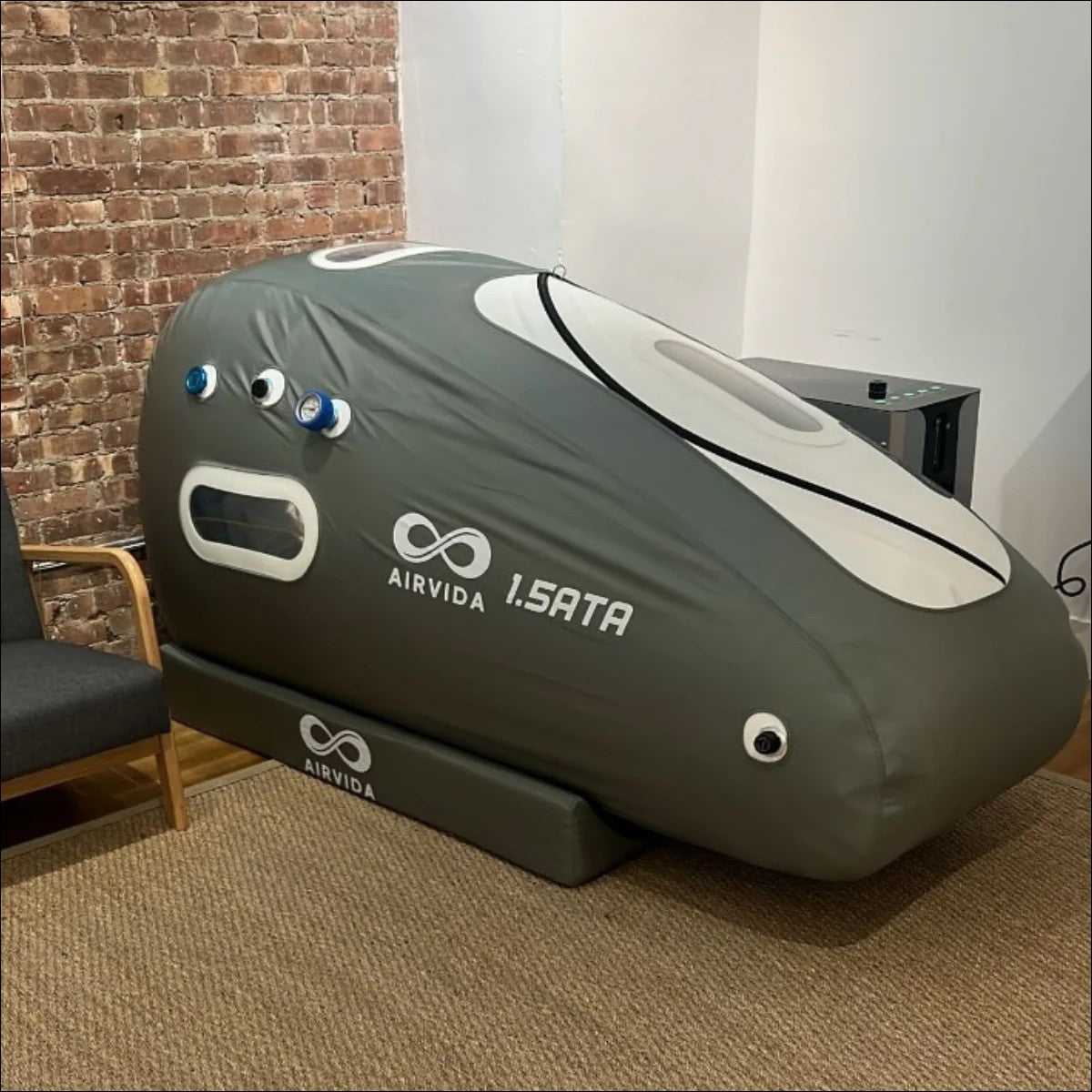
If you are exploring hyperbaric therapy in California, you may want to review options available in different regions. Explore Airvida’s collection of Hyperbaric Chambers in Troy, providing convenient options for those seeking local solutions.
Selecting a trusted provider ensures safety, comfort, and consistent results.
Safety Considerations and Who Should Avoid HBOT
While hyperbaric therapy is generally well tolerated, it is not suitable for everyone. Certain medical conditions may require caution or medical clearance. Individuals with untreated lung issues, severe ear problems, or specific medical implants should consult healthcare providers before use.
Following proper guidelines and using professionally maintained chambers minimizes risks and enhances the experience.
Real-World Examples of Hyperbaric Chamber Use
Athletes often use hyperbaric therapy during heavy training cycles to manage inflammation. Professionals under high stress may use it to support recovery and focus.
Some users integrate sessions after travel to reduce fatigue and improve energy levels. These practical applications highlight the flexibility of hyperbaric therapy across different lifestyles.
Practical Tips Before Starting Hyperbaric Therapy
Preparation can enhance results. Staying hydrated supports oxygen circulation. Wearing comfortable clothing improves relaxation during sessions. Consistency is key. Results are typically cumulative rather than immediate. Tracking how you feel over multiple sessions helps determine effectiveness.
Understanding potential benefits can guide expectations. For individuals recovering from fractures, see our detailed guide, Do Hyperbaric Chambers Help Broken Bones?, to learn how therapy may support bone healing and overall recovery.
Final Thoughts on Hyperbaric Chamber Indications

Hyperbaric chamber indications cover a wide range of medical, recovery, and wellness applications. By improving oxygen delivery at the cellular level, hyperbaric therapy supports healing, performance, and overall recovery.
Understanding why and how oxygen therapy works allows individuals to make informed decisions. When used appropriately, hyperbaric therapy can be a valuable addition to a comprehensive health and recovery plan.
Frequently Asked Questions About Hyperbaric Chamber Indications
What are the indications for hyperbaric chamber?
Hyperbaric chamber indications include conditions where increased oxygen delivery supports healing and recovery. These commonly involve tissue damage, inflammation, slow-healing wounds, cognitive fatigue, and recovery after injury or surgery. The therapy is used when the body benefits from higher oxygen availability, which helps cells repair, reduces swelling, and supports circulation. Both medical and wellness applications rely on this same principle of enhanced oxygen absorption.
Why would someone need a hyperbaric chamber?
Someone may need a hyperbaric chamber when their body requires additional oxygen to heal or recover efficiently. This includes people with injuries, chronic inflammation, or high physical or mental demands. Athletes, individuals recovering from surgery, or those experiencing cognitive fatigue often explore hyperbaric therapy to support faster recovery and improved function by enhancing oxygen delivery to stressed tissues.
What are the four indications of oxygen therapy?
The four common indications of oxygen therapy include hypoxia, tissue injury, inflammation, and impaired circulation. Oxygen therapy is used when tissues are not receiving enough oxygen under normal conditions. By increasing oxygen availability, therapy supports cellular repair, immune response, and energy production. These indications form the foundation for many uses of hyperbaric and supplemental oxygen treatments.
What is the FDA approved indication for HBOT?
The FDA approved indication for HBOT includes specific medical conditions such as non-healing wounds, radiation injuries, and certain infections. These approvals are based on clinical evidence demonstrating improved outcomes with pressurized oxygen therapy. FDA-approved uses typically occur in medical settings under supervision, while wellness applications follow the same principles but are not classified as medical treatments.