


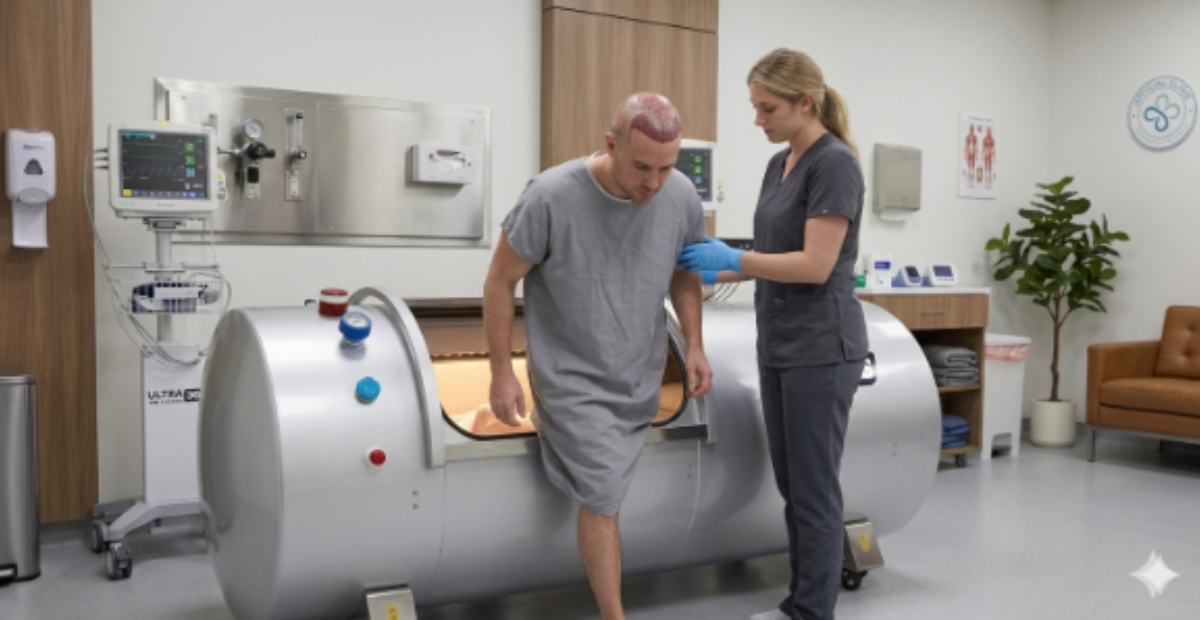
Hyperbaric oxygen therapy after hair transplant helps improve healing by delivering higher levels of oxygen to the scalp. This increased oxygen supply supports tissue repair, reduces inflammation, and may improve graft survival during recovery.
Many patients explore hyperbaric oxygen therapy after hair transplant because recovery plays a major role in the final results. After a transplant procedure, the newly implanted follicles need time, oxygen, and nutrients to establish blood supply in the scalp.
In recent years, HBOT (hyperbaric oxygen therapy) has gained attention among surgeons, athletes, and celebrities for its potential recovery benefits. But how exactly does it help after a hair transplant?
In this guide, you’ll learn how hyperbaric therapy works, why it may support graft healing, and which options might be the best if you’re considering this treatment.
Understanding Hair Transplant Recovery

Hair transplant surgery involves moving healthy hair follicles from a donor area to thinning or bald areas of the scalp. While the procedure itself is precise, recovery is critical for ensuring those follicles survive and grow.
What Happens After a Hair Transplant
During procedures such as Follicular Unit Extraction (FUE) or Follicular Unit Transplantation (FUT), surgeons implant thousands of hair grafts into tiny incisions. Each graft contains follicles that must establish blood supply in their new location.
For the first few days, the scalp goes through several healing stages:
-
mild swelling and redness
-
small scabs around grafts
-
gradual healing of tiny incisions
The body begins repairing tissue almost immediately. Oxygen plays a key role in this process because it supports cellular repair and collagen production. Without enough oxygen reaching the transplanted area, healing may take longer or graft survival rates could be lower. Some clinicians also explore oxygen-based therapies in neurological recovery, as discussed in Hyperbaric Oxygen Treatment for Vascular Dementia, which highlights how improved oxygen delivery may support tissue function and repair.
Common Post-Transplant Challenges
Even with advanced surgical techniques, patients often experience temporary side effects during recovery. These may include swelling, scalp tightness, and inflammation. In some cases, the body’s healing response can slow the growth cycle of transplanted follicles.
This is why recovery support therapies are increasingly discussed. The table below outlines typical recovery factors after a hair transplant.
|
Recovery Factor |
What Happens |
Why It Matters |
|
Oxygen supply |
Tissue needs oxygen to repair |
Supports graft survival |
|
Blood circulation |
Blood vessels reconnect to follicles |
Enables nutrients to reach grafts |
|
Inflammation |
Body reacts to surgical incisions |
Controlled inflammation helps healing |
|
Cellular repair |
Skin regenerates around grafts |
Determines recovery speed |
When oxygen delivery improves, many of these processes can occur more efficiently. Tissues may receive the oxygen they need to support repair, circulation, and cellular activity. For individuals exploring therapy options, visiting a hyperbaric chamber Studio City location may provide insight into how oxygen-based wellness technologies are used in supportive recovery routines.
Hyperbaric Chambers You May Want to Shop
Explore More


What Is Hyperbaric Oxygen Therapy
Hyperbaric oxygen therapy is a treatment where a person breathes pure oxygen inside a pressurized chamber. The increased pressure allows oxygen to dissolve into the bloodstream at higher levels than normal.
This therapy has been used in medical settings for decades to treat conditions such as wounds that heal slowly, infections, and decompression sickness.
Today, it is also used for wellness and recovery.
How Hyperbaric Therapy Works

Inside a hyperbaric chamber, atmospheric pressure increases while you breathe concentrated oxygen.
Under these conditions:
-
oxygen dissolves more easily into blood plasma
-
tissues receive higher oxygen levels
-
healing cells function more efficiently
The therapy enhances oxygen delivery to areas that normally receive limited blood flow, including injured tissue. Because hair transplant grafts rely on small blood vessels reconnecting after surgery, increased oxygen availability may support this process. For individuals exploring other wellness technologies that may support recovery and circulation, this article on the best vibration plate for bone density also discusses how mechanical stimulation may complement overall musculoskeletal health.
Why Oxygen Matters for Tissue Healing
Oxygen is essential for many biological functions related to recovery.
It helps stimulate collagen formation, supports immune cells that fight infection, and assists in building new blood vessels. These mechanisms are important after hair transplant surgery because the scalp must regenerate around each implanted follicle.
This is one reason some surgeons and clinics suggest hyperbaric oxygen therapy after hair transplant as part of post-procedure recovery plans.
Hyperbaric Collections You May Want to Shop

Benefits of Hyperbaric Oxygen Therapy After Hair Transplant
Many patients explore HBOT as an optional recovery method to support scalp healing.
While results can vary depending on the individual, several potential benefits have been observed.
Improved Graft Survival
Hair grafts rely on oxygen and nutrients during the early stages after implantation.
If oxygen levels are higher in surrounding tissue, grafts may have a better chance of surviving and growing successfully.
Hyperbaric therapy may support the formation of new micro-blood vessels that nourish transplanted follicles.
Reduced Swelling and Inflammation
Swelling is common during the first few days after surgery.
Higher oxygen concentrations can help reduce inflammation and improve circulation, which may shorten the time needed for swelling to disappear.
This can make recovery more comfortable for patients.
Faster Tissue Repair
Oxygen helps the body produce collagen and regenerate skin tissue.
In a hyperbaric chamber, oxygen delivery increases significantly, potentially speeding the healing process around graft sites.
The table below summarizes potential effects.
|
Potential Benefit |
How HBOT May Help |
|
Faster healing |
Increased oxygen supports tissue repair |
|
Reduced swelling |
Improved circulation may reduce inflammation |
|
Better graft survival |
Oxygen may support follicle adaptation |
|
Reduced infection risk |
Oxygen supports immune cell activity |
These benefits explain why some clinics include hyperbaric therapy as part of recovery programs.
How to Use Hyperbaric Oxygen Therapy After Hair Transplant
If you are considering this treatment, timing and equipment quality are important.
When Patients Typically Start HBOT
Doctors often recommend waiting a short period after surgery before beginning therapy. This allows the scalp to stabilize after the procedure. In many cases, sessions may begin within several days after the transplant.
Sessions usually last between 60 and 90 minutes depending on the clinic and treatment plan. Some patients complete several sessions during the first weeks of recovery. However, it is essential to follow your surgeon’s recommendations before starting therapy.
Types of Hyperbaric Chambers
Hyperbaric chambers come in different forms depending on clinical or personal use.
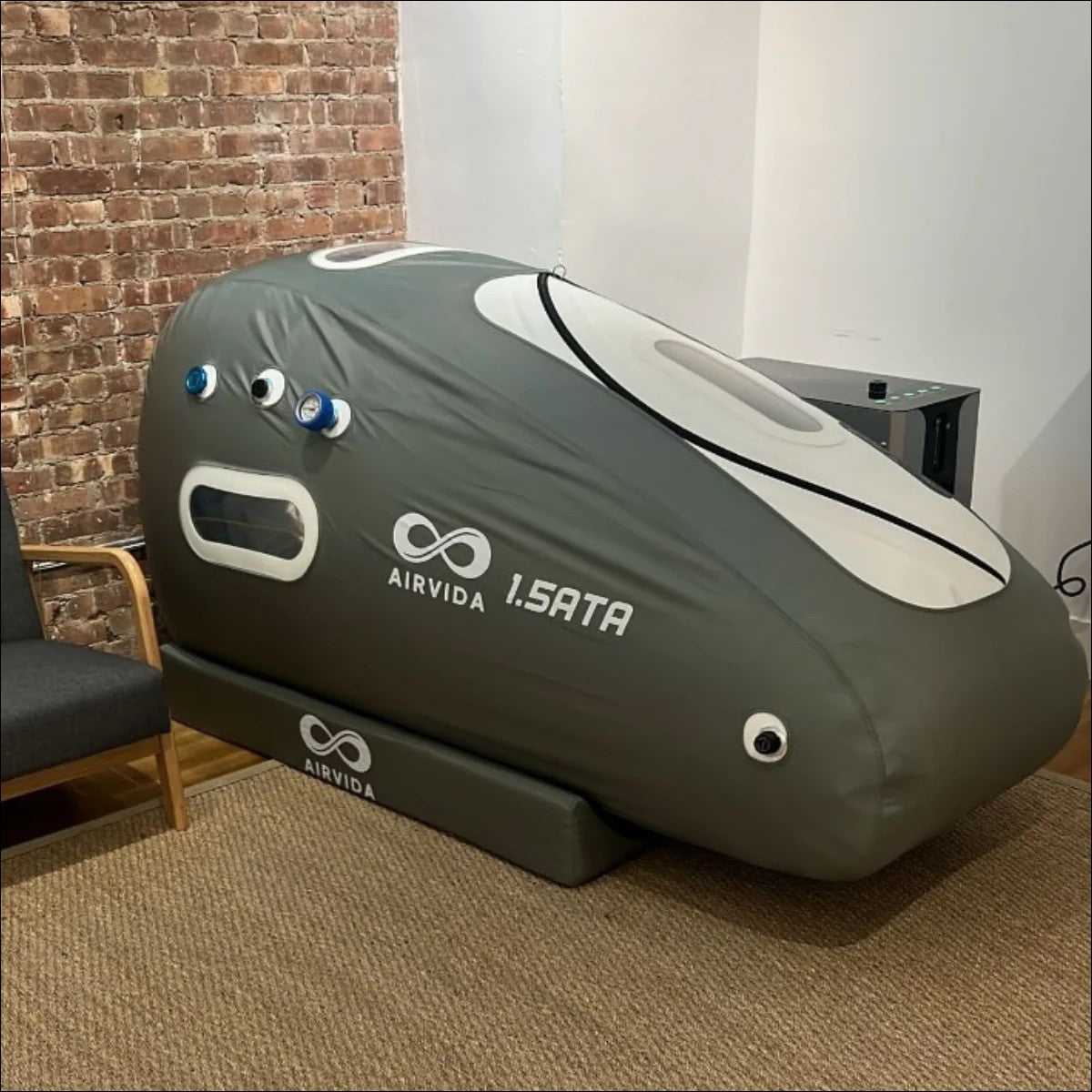
Medical centers typically use large chambers that treat multiple patients simultaneously. For private clinics or wellness studios, smaller chambers designed for one or two people are common. If you are exploring professional or private recovery options, some facilities offer specialized chambers such as a two-person hard shell hyperbaric chamber. Choosing the right chamber depends on treatment goals, supervision level, and the environment where therapy will take place.
Who May Benefit Most From Hyperbaric Therapy

Not every hair transplant patient needs hyperbaric therapy, but certain individuals may benefit more from additional recovery support.
Patients With Larger Transplants
People receiving a high number of grafts, such as 2000 to 4000 follicles, may experience more extensive healing areas.
Additional oxygen delivery may help the scalp recover faster and support graft survival in these cases.
Individuals With Slower Healing
Some people naturally heal slower due to age, circulation issues, or lifestyle factors. Increased oxygen availability can help support cellular repair and tissue regeneration.
Patients Seeking Enhanced Recovery
Many people simply want to maximize their transplant results. In addition to following proper post-surgery care, therapies like HBOT may help optimize the healing environment. If you are interested in other potential health benefits of hyperbaric therapy, you may also explore related topics such as Can Hyperbaric Oxygen Therapy Help Depression?
While these conditions differ from hair transplant recovery, they demonstrate the broader applications of oxygen therapy in medicine.
Practical Tips for Recovery After Hair Transplant

Hyperbaric therapy can complement traditional recovery practices. However, it should not replace proper post-surgical care.
Follow Your Surgeon’s Instructions
Every transplant procedure is different. Surgeons provide detailed instructions regarding washing, medication, and physical activity.
Following these guidelines is essential to protect grafts during the first few weeks.
Maintain Healthy Circulation
Good circulation supports oxygen delivery to scalp tissues.
Simple habits like staying hydrated, eating nutrient-rich foods, and avoiding smoking can help improve recovery conditions.
Consider Complementary Recovery Methods
Patients sometimes combine HBOT with other supportive strategies such as gentle scalp care, stress reduction, and proper sleep. Because healing requires both oxygen and nutrients, maintaining overall health can significantly influence transplant results.
Final Thoughts on Hyperbaric Oxygen Therapy After Hair Transplant
Hyperbaric oxygen therapy after hair transplant has become an increasingly discussed recovery option for patients who want to support healing and graft survival. By increasing oxygen levels in the bloodstream, the therapy may help reduce inflammation, encourage tissue repair, and create better conditions for transplanted follicles to establish blood supply.
While it is not mandatory for every patient, many clinics view it as a helpful complementary treatment. If you are considering a hair transplant or recovering from one, discussing oxygen therapy with your surgeon can help determine whether this approach fits your recovery plan.
Frequently Asked Questions
Does hyperbaric chamber help hair transplant?
Yes, a hyperbaric chamber may help support hair transplant recovery by improving oxygen delivery to scalp tissues. Higher oxygen levels can enhance cellular repair, reduce inflammation, and support the formation of new blood vessels around transplanted follicles. This may improve graft survival during the early healing phase. However, results vary depending on the individual, the transplant method used, and how well post-surgery care instructions are followed.
How long after surgery can I do hyperbaric oxygen therapy?
Most patients can begin hyperbaric oxygen therapy a few days after surgery once the scalp stabilizes. Surgeons typically recommend waiting until the initial swelling and bleeding risk decrease. Treatment timing depends on the procedure type, number of grafts, and individual healing progress. Always consult your hair transplant surgeon before starting therapy to ensure the treatment schedule supports safe and effective recovery.
Why does Justin Bieber sleep in a hyperbaric chamber?
Justin Bieber reportedly uses a hyperbaric chamber to support recovery, energy levels, and overall wellness. Athletes and celebrities sometimes use HBOT because higher oxygen levels may help reduce fatigue, support tissue repair, and improve physical recovery. While sleeping in a chamber is not common medical practice, wellness enthusiasts use it as part of recovery routines for intense schedules, travel, and performance demands.
How many hairs are 3000 grafts?
Three thousand grafts typically contain between 6000 and 9000 hairs depending on follicle composition. Each graft may include one to four hair follicles. On average, surgeons estimate about two to three hairs per graft. This means a 3000-graft transplant can provide significant coverage, particularly for restoring the hairline or crown area. The exact number varies based on hair density and donor hair characteristics.