


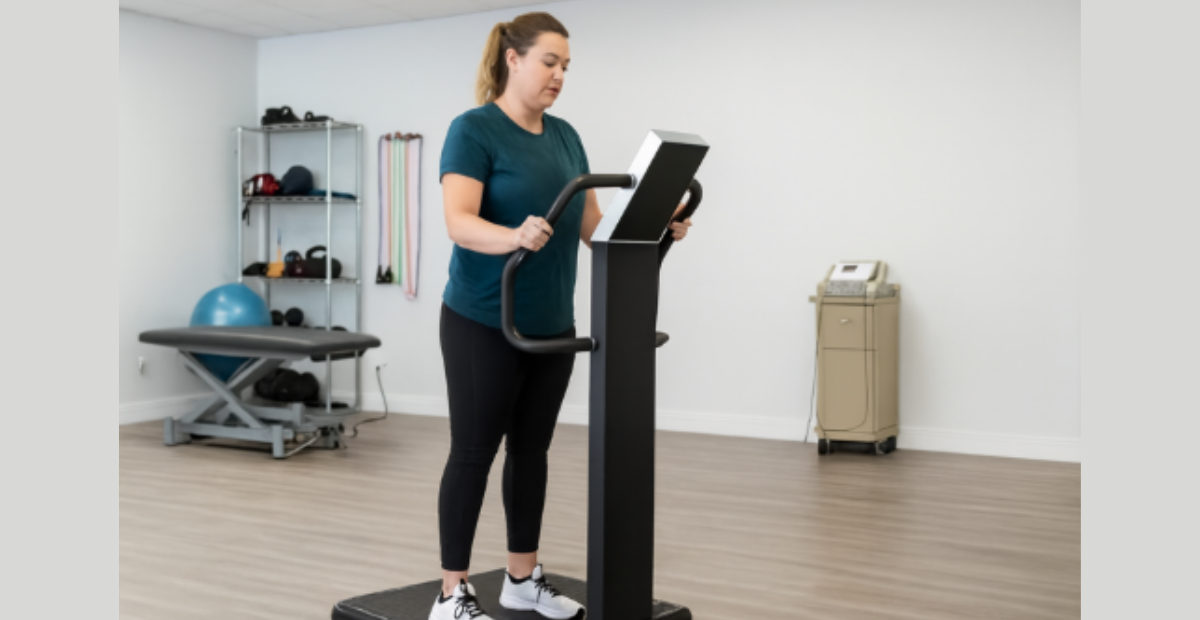
The best setting on vibration plate for weight loss is typically a medium frequency between 25 to 35 Hz combined with 10 to 20 minutes of active movement. This range activates muscles deeply while keeping your heart rate elevated enough to support fat burning.
If you are using a vibration plate to slim down, choosing the right intensity and routine makes all the difference. Below, you will learn exactly how to set your machine, why frequency matters, and which program works best for real results.
Why Settings Matter for Fat Loss Results

Not all vibration plate sessions produce the same outcome. Simply standing on the machine at low speed will not maximize calorie burn. The vibration frequency determines how many times per second your muscles contract. Higher speeds mean more muscle activation, but too high can reduce control and shorten your session.
When you use the correct setting, your muscles contract up to 30 to 50 times per second. That repeated activation increases circulation, improves lymphatic drainage, and boosts metabolic demand.
Choosing the correct vibration plate settings ensures:
-
Higher calorie burn
-
Better muscle engagement
-
Improved circulation
-
Reduced cellulite appearance
-
Safer long term use
If your goal is fat reduction, you need a balance between intensity and sustainability.
You can explore advanced machines designed for adjustable frequencies inside the Vibration Plate Exercise Machine Collection.
Understanding Vibration Frequency and Speed Levels
Most vibration plates allow speed levels ranging from low to high, giving users flexibility based on comfort and goals. These speed levels correspond to vibration frequency measured in Hertz (Hz), which determines how many times per second the platform oscillates. Higher frequencies typically create more intense muscle stimulation and engagement.
Low Setting (5 to 15 Hz)
Low intensity is ideal for:
-
Beginners
-
Warm ups
-
Recovery sessions
-
Lymphatic drainage
This setting improves circulation but does not significantly elevate calorie burn.
Medium Setting (25 to 35 Hz)
This is the sweet spot for weight loss. It:
-
Activates muscle fibers deeply
-
Raises heart rate moderately
-
Encourages fat metabolism
-
Supports toning
For most users, this range is the best starting point for structured sessions.
High Setting (40+ Hz)
High intensity produces strong muscle contractions. It is ideal for:
-
Advanced users
-
Short bursts of HIIT style training
-
Muscle endurance building
However, beginners may fatigue quickly at this level.
Vibration Therapy Machines You May Want to Shop
Explore More


Recommended Settings Based on Experience Level
Choosing the correct starting point reduces injury risk and improves consistency over time. Beginning at an appropriate intensity allows your muscles, joints, and connective tissues to adapt gradually to vibration stimulus. This measured approach supports better balance, coordination, and endurance, making it easier to maintain a sustainable, long-term fitness routine.
|
Experience Level |
Frequency Range |
Duration |
Recommended Focus |
|
Beginner |
15 to 25 Hz |
10 minutes |
Stability and balance |
|
Intermediate |
25 to 35 Hz |
15 minutes |
Fat burning and toning |
|
Advanced |
35 to 45 Hz |
20 minutes |
Strength and endurance |
Consistency matters more than extreme intensity. Start with moderate settings and gradually increase as your strength, balance, and recovery capacity improve. This steady progression supports safer adaptation and long-term results. For those managing swelling concerns, explore our article: Best Vibration Plate for Lipedema: Support Lymphatic Health & Reduce Swelling, which explains how structured use may enhance lymphatic flow and comfort over time.
How to Use a Vibration Plate for Maximum Fat Burn

Standing still limits results because passive exposure does not fully activate major muscle groups or elevate heart rate. To maximize weight loss benefits, add dynamic movements such as squats, lunges, calf raises, or light resistance exercises. Engaging multiple muscles simultaneously increases calorie burn, improves circulation, and enhances overall metabolic response.
Step 1: Start with Warm Up
Begin at low frequency for 2 to 3 minutes.
Simple movements:
-
Light squats
-
Marching in place
-
Arm raises
This prepares joints and muscles.
Step 2: Move Into Fat Burning Zone
Increase to 25 to 35 Hz. Perform controlled movements:
-
Squats
-
Lunges
-
Calf raises
-
Planks
These compound exercises recruit multiple muscle groups and raise metabolic output.
Step 3: Add Intervals
Alternate between 30 seconds moderate and 30 seconds higher intensity.
Example:
-
30 seconds squats at 30 Hz
-
30 seconds high knees at 35 Hz
Repeat for 10 minutes.
This combination often produces the best setting on vibration plate for weight loss because it balances intensity with sustainability.
How Long Should You Use It Per Session
Most research and user experience suggest that moderate vibration frequencies paired with controlled, active movements tend to deliver more consistent and sustainable results than extremely high settings alone. Gradual progression, proper posture, and session consistency appear to play a greater role in long-term benefits than intensity spikes or brief, aggressive workouts.
-
10 to 20 minutes per session
-
3 to 5 times per week
-
Rest day between intense sessions
Longer sessions do not always mean more fat loss. Muscle fatigue reduces output quality.
10 effective minutes with movement often outperform 30 passive minutes.
Sample Weekly Weight Loss Routine
Here is a structured weekly plan you can follow.
|
Day |
Frequency |
Workout Type |
Duration |
|
Monday |
30 Hz |
Squats + Lunges |
15 min |
|
Wednesday |
25 Hz |
Core + Planks |
15 min |
|
Friday |
35 Hz |
Interval HIIT |
20 min |
|
Sunday |
15 Hz |
Recovery + Stretch |
10 min |
Pairing structured sessions with a balanced diet increases results significantly.
Targeting Belly Fat and Cellulite
Fat loss happens systemically, meaning the body burns fat from multiple areas rather than targeting one spot. However, engaging and activating specific muscles can help tone and strengthen particular regions. For stomach toning, combining core-focused exercises like planks, crunches, or standing twists on a vibration plate enhances abdominal definition while supporting overall fat reduction.
-
Planks
-
Standing crunches
-
Side twists
For thighs and cellulite reduction:
-
Deep squats
-
Wall sits
-
Step ups
The Vibration Plate Cellulite Collection includes models designed to support circulation and skin smoothing.
Does Vibration Plate Training Burn Calories

Yes, but results depend on effort level, body weight, and exercise intensity. Ten minutes of active vibration training can approximate light cardio, such as brisk walking, when dynamic movements are consistently included. However, calorie expenditure varies significantly between individuals. Factors affecting calorie burn include frequency level, posture, muscle engagement, and workout consistency.
-
Body weight
-
Frequency setting
-
Movement intensity
-
Muscle engagement
It is not magic. It is a tool that enhances muscle activation.
Supporting Your Nervous System for Better Fat Loss
Stress and nervous system imbalance can interfere with weight loss. Many users combine vibration therapy with nervous system support techniques. You may want to read about how vagus nerve disorders affect the body and explore strategies for healing.
For deeper recovery techniques, check this guide on how to heal the vagus nerve naturally and safely. Improving stress response can support hormone balance and metabolic function.
Common Mistakes That Slow Results

Many people unknowingly hinder their progress with vibration plate training. Understanding common mistakes like improper posture, excessive intensity, or stagnant routines can help you optimize workouts, avoid setbacks, and achieve faster, more consistent results. Avoid these errors:
-
Standing still the entire session
-
Using maximum intensity too soon
-
Skipping warm ups
-
Using it daily without recovery
-
Ignoring posture
Correct posture:
-
Slight bend in knees
-
Core engaged
-
Shoulders relaxed
This prevents joint strain.
Safety Tips Before You Begin
Consult a healthcare provider if you have:
-
Heart conditions
-
Pregnancy
-
Joint replacements
-
Severe osteoporosis
Start gradually. Let your body adapt.
Final Thoughts on the Best Setting on Vibration Plate for Weight Loss
Finding the best setting on vibration plate for weight loss depends on your fitness level, body composition, and overall conditioning. In most cases, a medium frequency combined with active movements like squats, lunges, or core exercises produces the most consistent and sustainable fat-burning results while supporting muscle engagement and metabolic efficiency over time.
Combine structured sessions, proper posture, and progressive intensity to improve fat burning, tone muscles, and support circulation. When used correctly, vibration training becomes an efficient addition to your weekly fitness plan.
Frequently Asked Questions
What setting should my vibration plate be on?
The ideal setting for most users is between 25 and 35 Hz if your goal is fat loss and toning. This range activates muscle fibers deeply without overwhelming beginners. If you are new, start at 20 Hz and increase gradually over several sessions. Avoid jumping to maximum speed immediately, as fatigue can reduce workout quality and consistency.
How should I use my vibration plate to lose weight?
You should combine moderate frequency with active exercises rather than standing still. Squats, lunges, planks, and light cardio movements increase calorie burn significantly. Aim for 10 to 20 minutes per session, three to five times per week. Consistency, movement variety, and gradual intensity progression are key to long term weight loss results.
How do I tone my stomach on a vibration plate?
Core focused movements like planks and standing crunches are the most effective for stomach toning. Keep your knees slightly bent and engage your abdominal muscles during every movement. Use medium frequency for 10 to 15 minutes and maintain proper posture. Pairing this with a balanced diet helps reduce overall body fat, revealing muscle definition.
What is 10 minutes on a vibration plate equal to?
Ten active minutes can be comparable to light cardio such as brisk walking, depending on intensity. If you perform controlled squats, lunges, or planks at moderate frequency, your muscles contract rapidly and elevate heart rate. Passive standing does not provide the same metabolic benefit, so movement makes the difference.