


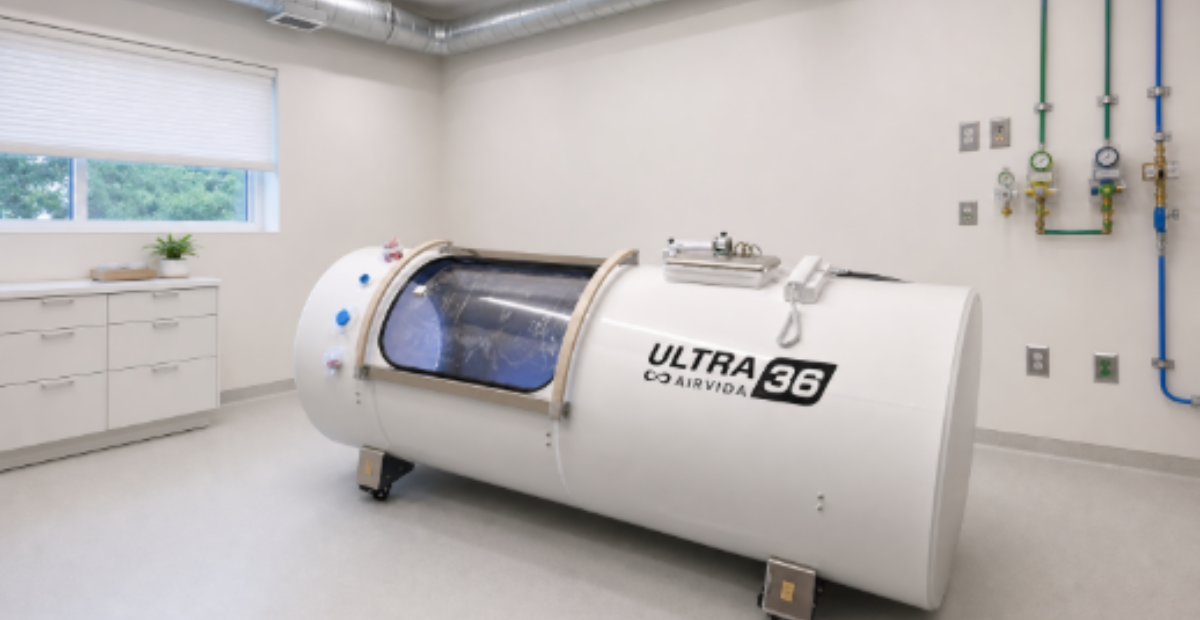
Hyperbaric chamber installation requirements cover everything from room dimensions and electrical capacity to ventilation standards and fire safety protocols. Meeting these requirements before you bring a chamber into your facility or home protects both the occupant and the investment you're making in the equipment.
Key Takeaways
-
Installation requirements vary significantly between hard shell and soft shell chambers, affecting room size, electrical load, and safety protocols.
-
Most hard shell units require dedicated electrical circuits, oxygen-compatible ventilation, and compliance with NFPA 99 and ASME PVHO-1 standards.
-
Soft shell portable chambers have fewer structural demands but still require proper oxygen management and adequate floor space.
-
A professional site assessment before purchase can prevent costly retrofits or code violations.
-
Local building permits may be required depending on your state, chamber type, and whether the installation is residential or commercial.
-
Choosing the right chamber type upfront is the single most important decision that shapes all downstream installation decisions.
Hyperbaric Collections You May Want to Shop

Why Installation Planning Matters More Than Most Buyers Expect
Many buyers research chamber brands and pressure ratings extensively but spend very little time thinking about where the unit will actually live. That oversight leads to expensive surprises. A hard shell monoplace chamber, for example, can weigh anywhere from 1,500 to over 3,000 lbs when fully assembled, which immediately raises questions about floor load capacity. A residential floor typically supports 40 lbs per square foot, while some chambers require reinforcement to handle concentrated weight loads.
Beyond structural concerns, you're introducing a pressurized vessel into a space alongside oxygen. The National Fire Protection Association's NFPA 99: Health Care Facilities Code sets the standard for hyperbaric facility design in the U.S., and it specifies strict rules about ignition sources, room materials, and ventilation rates. Even if you're setting up a private wellness suite rather than a clinical facility, understanding this framework tells you what best practices look like.
The type of chamber you choose shapes every other installation decision. Reviewing the differences in a hard shell vs soft shell hyperbaric chamber comparison early in your planning process helps you map requirements accurately before you've committed to a specific unit.
Space and Structural Requirements

Minimum Room Dimensions
Room size is one of the first concrete numbers you need. A monoplace hard shell chamber typically requires a room at least 10 feet wide by 14 feet long to allow safe access on all sides and enough clearance for the door swing and stretcher or gurney movement. Multiplace chambers, which can accommodate two or more occupants, require substantially more space, sometimes 400 to 600 square feet or more.
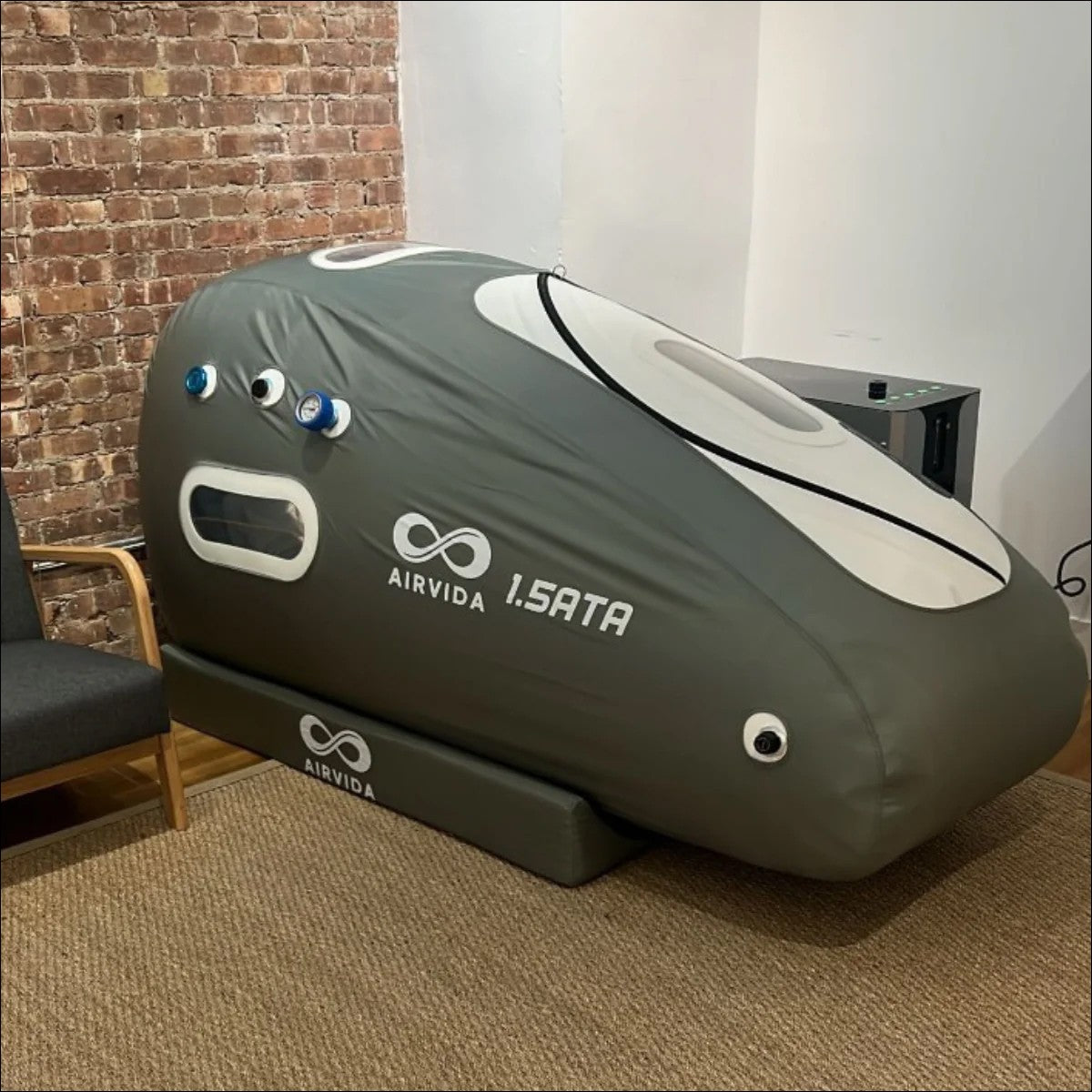
Soft shell portable units are far more compact. Many can operate in a 10 ft x 10 ft space, though you still need clear pathways for emergency exit and equipment access.
Key dimensional considerations include:
-
Minimum 3 feet of clearance on the entry side of the chamber door
-
At least 18 inches of clearance on the remaining three sides for inspection and maintenance access
-
Ceiling height of at least 8 feet for hard shell units with vertical components or monitoring equipment
-
Non-slip, non-spark flooring (no carpet in hard shell rooms)
Floor Load and Structural Integrity

Before finalizing a location, have a structural engineer verify that the floor can handle the concentrated load. If you're on a ground-floor concrete slab, this is rarely a problem. Upper floors in older buildings often require reinforcement. Some clinics pour a dedicated concrete pad or use steel plate distribution systems to spread the load.
Electrical Requirements for Hyperbaric Systems
Circuit Specifications
Hard shell chambers and their associated compressors demand significant electrical capacity. Most single-place clinical chambers require a dedicated 208V or 240V, 30-amp circuit at minimum. Larger systems with integrated control panels, monitoring equipment, and external oxygen storage may require multiple dedicated circuits. A licensed electrician who has worked with medical equipment should conduct the assessment and installation.
Soft shell chambers used at lower pressures (typically 1.3 to 1.5 ATA) often run on standard 110V/15-amp circuits, making home installation far less demanding. However, the air compressor that pressurizes the chamber still needs a dedicated outlet to prevent tripping breakers under sustained load.
Grounding and Static Electricity
Because oxygen-enriched environments dramatically lower the ignition threshold for fires, NFPA 99 requires that all electrical equipment in a hyperbaric room be properly grounded. Antistatic materials should be used for chamber accessories, bedding, and clothing. Personal electronics with lithium batteries are prohibited inside the chamber during sessions because of fire risk.
Understanding hyperbaric chamber pressure levels is also relevant here. Higher operating pressures, such as those used in clinical wound care at 2.0 to 3.0 ATA, increase oxygen concentration risks and demand stricter electrical controls than wellness chambers operating below 1.5 ATA.
Ventilation, Oxygen Supply, and Fire Safety

Ventilation Rates and Exhaust Systems
Oxygen venting is one of the most technically demanding aspects of hyperbaric chamber installation requirements. Chambers that use 100% oxygen (typical in clinical settings) must exhaust to the exterior of the building. NFPA 99 specifies that exhaust systems should prevent oxygen accumulation in the room and that room oxygen concentration should not exceed 23.5% by volume.
For hard shell clinical chambers, dedicated ventilation systems with exhaust rates calculated by a mechanical engineer are standard. For air-pressurized soft shell chambers, ventilation requirements are less severe, but the room still needs adequate air circulation to manage heat generated by the compressor.
Ventilation checklist for hard shell installations:
-
Dedicated exhaust duct connected to exterior
-
Room air exchange rate calculated per NFPA 99 guidelines
-
Oxygen monitors with audible alarms installed at breathing level
-
No recirculating HVAC in the hyperbaric room without proper filtration
Fire Safety and Suppression

Hyperbaric rooms in clinical facilities require fire suppression systems compatible with oxygen-enriched environments. Standard sprinkler systems can be used, but many facilities opt for specialized systems. All materials inside the room, including paint, furniture, and flooring, should meet flame-spread ratings specified by NFPA 99 Class I or Class II.
If you're sourcing equipment from established hyperbaric chamber manufacturers, their technical teams can provide facility design guidelines specific to their equipment models. This documentation is useful when working with your local fire marshal or AHJ (Authority Having Jurisdiction) for permitting approvals.
Regulatory Compliance and Permitting
Federal and Industry Standards
In the U.S., clinical hyperbaric chambers used for FDA-cleared indications must comply with ASME PVHO-1 (Safety Standard for Pressure Vessels for Human Occupancy). This standard governs vessel design, materials, and testing. Chambers that meet this certification carry a formal nameplate indicating compliance.
If you're evaluating purchase options, asme pvho 1 hyperbaric chambers that carry this certification provide a documented safety baseline that simplifies interactions with regulators, insurers, and accreditation bodies.
State and Local Permits
Permitting requirements vary widely by state. In California, New York, and Texas, for example, medical hyperbaric facilities must register with the state health department and may require inspection before opening. Some states classify even wellness-use chambers under specific equipment licensing requirements.
For residential installations, local building departments may require permits for the electrical work and any structural modifications, even if they don't specifically regulate the chamber itself. Always check with your local AHJ before beginning any installation work.
Things to Know
-
Soft shell chambers are generally exempt from ASME PVHO-1 requirements, but they still must meet electrical safety codes and oxygen handling guidelines if supplemental oxygen is used.
-
Some home insurance policies exclude coverage for injuries related to hyperbaric equipment unless the installation meets specific standards. Verify your policy before setup.
-
The room temperature matters. Chambers generate heat during pressurization, and rooms without adequate climate control can create discomfort or equipment issues, especially in warmer climates.
-
Used or reconditioned chambers require a full inspection by a certified hyperbaric technician before installation, regardless of the seller's representations.
-
If you plan to bill insurance for hyperbaric treatments, your facility must meet Joint Commission or UHMS (Undersea and Hyperbaric Medical Society) accreditation standards, which include specific installation criteria.
-
Always request chamber-specific installation manuals from the manufacturer before signing a lease or purchasing a building space.
Hyperbaric Chambers You May Want to Shop
Explore More


Choosing the Right Chamber Before You Plan the Space
Your installation requirements are almost entirely determined by which chamber you select. A soft shell air-pressurized unit for home wellness use has a fundamentally different site checklist than a clinical-grade hard shell monoplace chamber. Getting this sequence right, selecting the chamber first and then designing the space around it, saves significant time and cost.
When you choose the best oxygen chamber for sale for your specific use case, consider not just the therapeutic goals and pressure range but also the physical footprint, power requirements, and whether the chamber requires a dedicated operator. All three factors directly feed into your installation plan.
Browsing hard shell hyperbaric chambers for sale with installation specifications listed alongside each model makes it easier to cross-reference room dimensions, electrical specs, and compliance certifications before committing.
Installation Requirement Comparison Table
|
Requirement |
Soft Shell (Home/Wellness) |
Hard Shell (Clinical) |
|
Minimum Room Size |
10 x 10 ft |
10 x 14 ft (minimum) |
|
Electrical Circuit |
110V / 15-20 amp |
208-240V / 30+ amp dedicated |
|
ASME PVHO-1 Required |
No |
Yes (clinical use) |
|
Ventilation System |
Standard room airflow |
Dedicated exterior exhaust |
|
Oxygen Monitor Required |
Recommended |
Required (NFPA 99) |
|
Fire Suppression |
Not typically required |
Required in clinical settings |
|
Floor Load Assessment |
Rarely needed |
Required |
|
Local Permit Likely |
Sometimes (electrical) |
Usually required |
Ready to Assess Your Installation Site?

Before you finalize any purchase, schedule a site assessment with a certified hyperbaric technician or your chamber manufacturer's installation team. Bring your room dimensions, electrical panel specs, and local building code requirements to the conversation. Most reputable manufacturers offer pre-purchase consultation at no cost, and this single conversation can prevent months of retrofitting delays. Ask specifically for the chamber's installation manual, weight specifications, and any facility compliance documentation they provide to buyers.
Frequently Asked Questions
Do I need a building permit to install a hyperbaric chamber at home?
Whether a permit is required depends on your local jurisdiction and the scope of the installation work.
Most residential installations require at minimum an electrical permit for the dedicated circuit work. If structural modifications are involved, a building permit is also likely. Contact your local building department early in the process.
Can I install a hard shell hyperbaric chamber in a finished basement?
A finished basement can work, but floor load capacity and egress requirements must be carefully evaluated first.
Basements often have concrete slab floors that handle weight well, but the ceiling height, emergency exit access, and ventilation exhaust routing all need professional review. Moisture control is also a concern in basement environments.
How much does it typically cost to prepare a room for a clinical hyperbaric installation?
Room preparation costs for a clinical installation commonly range from $15,000 to $50,000 or more depending on the facility's existing condition.
Costs include electrical upgrades, ventilation systems, fire suppression additions, oxygen monitoring equipment, and any structural modifications. Urban markets and older buildings trend toward the higher end of that range.
Does a soft shell hyperbaric chamber require the same oxygen safety rules as a hard shell unit?
Soft shell chambers operated with supplemental oxygen still require oxygen safety protocols, even though structural requirements are less stringent.
If you're using a soft shell chamber with 100% oxygen supplementation rather than ambient air pressurization, NFPA oxygen handling guidelines still apply. Pure air-pressurized soft shell chambers have a more relaxed safety profile.
Who inspects and approves a hyperbaric chamber installation in the U.S.?
The Authority Having Jurisdiction (AHJ), typically your local fire marshal or building official, conducts inspections and issues approval for most commercial hyperbaric installations.
For clinical facilities seeking accreditation, the UHMS or Joint Commission may also conduct facility reviews. Some states have a state health department layer of oversight on top of local AHJ approval.
The Bottom Line on Hyperbaric Chamber Installation Requirements
Hyperbaric chamber installation requirements are specific, interconnected, and non-negotiable when it comes to safety and code compliance. The chamber type you select drives the entire checklist, from room dimensions and electrical capacity to ventilation design and regulatory approvals. Skipping the planning phase rarely saves time. It almost always costs more in retrofits, delays, and potential liability than a thorough upfront assessment would have.
Start with a clear picture of your intended use, whether clinical treatment, athletic recovery, or personal wellness. Then work backward from the chamber's technical specifications to determine what your space needs to support it. Involve licensed professionals for electrical, structural, and mechanical elements, and engage your local AHJ before breaking ground on any modifications.