


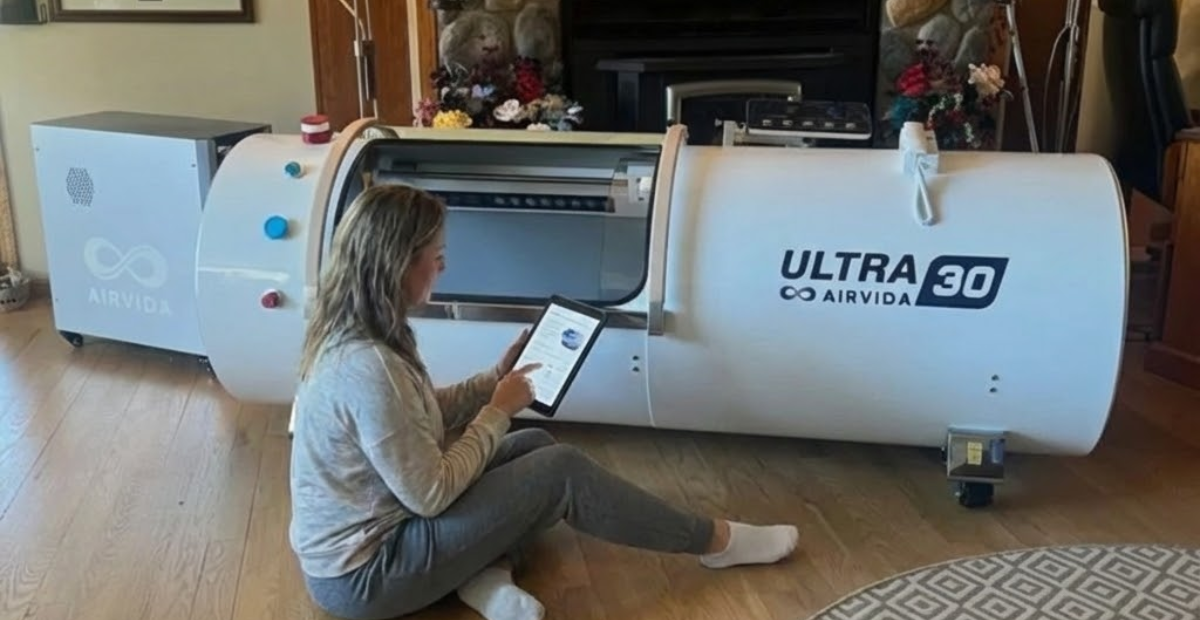
Hyperbaric chamber therapy for fibromyalgia works by delivering concentrated oxygen under pressure to support pain relief, reduce inflammation, and improve energy levels. This process may enhance oxygen delivery to tissues, support cellular repair, improve circulation, and potentially help manage fatigue, muscle soreness, brain fog, and overall quality of life safely.
For many people with fibromyalgia, hyperbaric chamber therapy is explored as a complementary option to help manage widespread pain, persistent fatigue, and cognitive symptoms like brain fog. When traditional treatments fall short, this therapy may provide additional support, promoting relaxation, improved circulation, enhanced oxygen delivery, and overall better daily functioning and well-being.
Understanding Fibromyalgia and Chronic Pain

Fibromyalgia is a complex condition characterized by widespread musculoskeletal pain, fatigue, sleep disruption, and cognitive difficulties often referred to as “fibro fog.” It affects how the brain and nervous system process pain signals, making normal sensations feel intense or overwhelming.
Unlike inflammatory arthritis or autoimmune disorders, fibromyalgia does not show clear damage in blood tests or imaging. This often leaves patients feeling misunderstood or frustrated when searching for effective treatments.
Common Symptoms That Impact Daily Life
People with fibromyalgia often experience fluctuating symptoms that impact both physical and mental well-being, including chronic pain, fatigue, sleep disturbances, and cognitive challenges. These unpredictable patterns can make daily activities difficult and emotionally draining, highlighting the importance of comprehensive management strategies, such as lifestyle adjustments, medical guidance, and complementary therapies, to support overall health.
-
Persistent body-wide pain and tenderness
-
Deep muscle aches or burning sensations
-
Chronic fatigue even after rest
-
Sleep disturbances and unrefreshing sleep
-
Brain fog, memory issues, and poor focus
These symptoms can vary daily and are often worsened by stress, poor sleep, or overexertion.
Why Fibromyalgia Is Difficult to Treat
Fibromyalgia is not caused by a single issue. Instead, it involves a combination of factors, including altered pain processing in the central nervous system, reduced oxygen delivery to tissues, nervous system hypersensitivity, chronic inflammation, and often mitochondrial dysfunction. These complex mechanisms contribute to widespread pain, fatigue, and other persistent symptoms experienced by patients.
Traditional treatments like medications, physical therapy, and lifestyle changes help some people but not all. This has led many patients to explore supportive therapies that address cellular oxygenation and recovery.
Hyperbaric Collections You May Want to Shop

What Is Hyperbaric Oxygen Therapy?
Hyperbaric oxygen therapy, often called HBOT, involves breathing near-100 percent oxygen inside a pressurized chamber. The increased pressure allows oxygen to dissolve more efficiently into the blood plasma, reaching tissues that may be oxygen-deprived.
HBOT has long been used for wound healing, decompression sickness, and certain neurological conditions. More recently, it has gained attention for chronic pain and fatigue-related disorders.
How a Hyperbaric Chamber Works
Inside the chamber, air pressure is increased above normal atmospheric levels. This allows oxygen to:
-
Penetrate deeper into tissues
-
Support cellular repair and energy production
-
Reduce inflammation and swelling
-
Improve circulation and oxygen diffusion
Unlike breathing oxygen at normal pressure, hyperbaric oxygen therapy (HBOT) enhances oxygen availability even in areas with reduced blood flow. By increasing the amount of dissolved oxygen in the bloodstream, HBOT supports tissue repair, reduces inflammation, promotes healing, and may improve energy levels, overall circulation, and cellular function in affected regions.
Types of Hyperbaric Chambers
There are different chamber designs available depending on use and comfort needs.
|
Chamber Type |
Pressure Range |
Common Use |
|
Soft-shell chamber |
1.3–1.5 ATA |
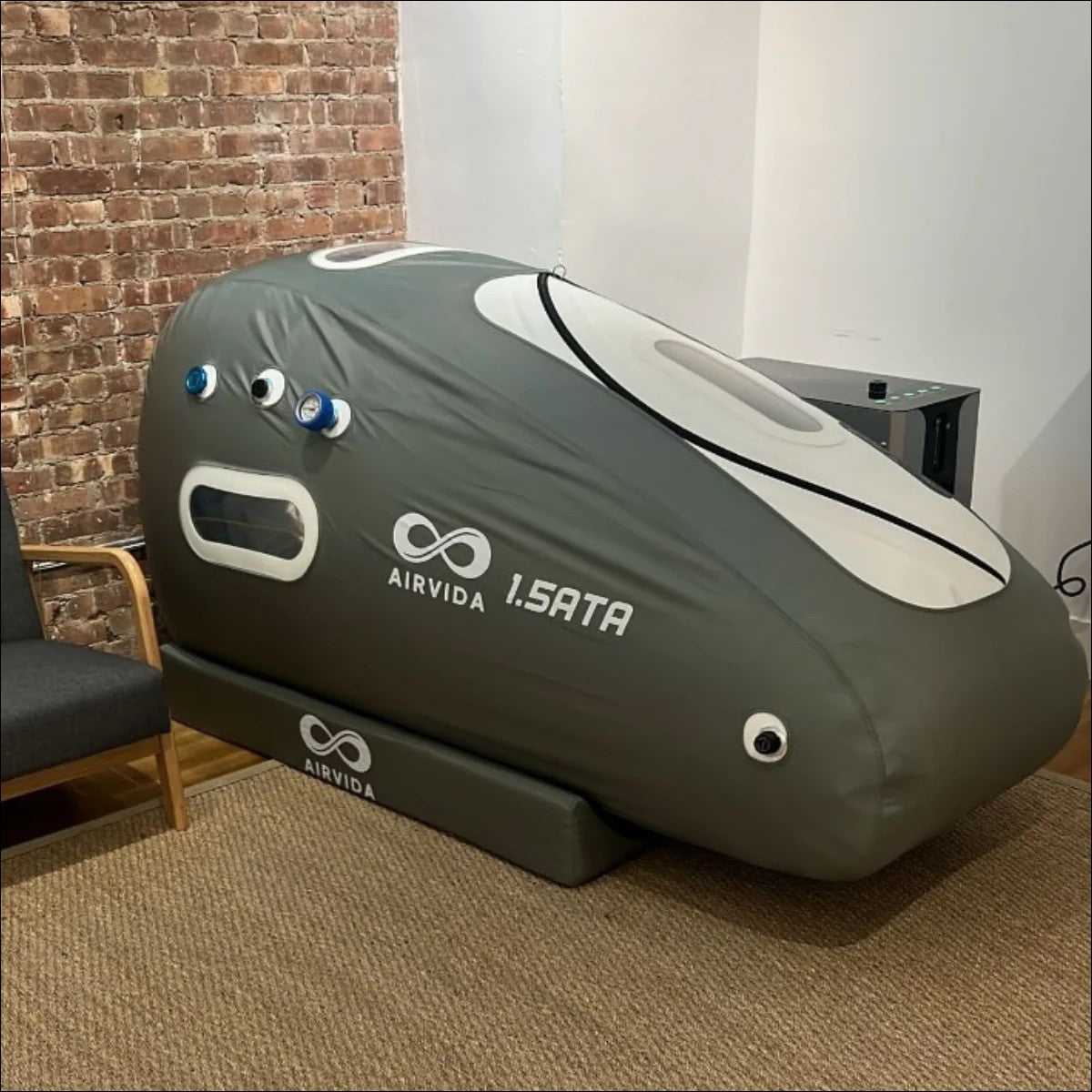
Home and wellness use |
|
Hard-shell chamber |
2.0+ ATA |
Medical facilities |
Many people with fibromyalgia explore mild hyperbaric chambers for consistent, long-term support.
How Hyperbaric Chamber Therapy May Help Fibromyalgia
Hyperbaric chamber therapy for fibromyalgia is explored because it targets multiple underlying factors associated with chronic pain, fatigue, and cognitive challenges. By improving oxygen delivery, supporting tissue repair, reducing inflammation, and enhancing cellular function, this therapy may provide complementary benefits alongside conventional treatments, potentially helping patients achieve better symptom management and overall well-being.
Oxygenation and Pain Processing
Research suggests that people with fibromyalgia may experience altered oxygen metabolism and reduced blood flow to specific brain regions responsible for pain regulation. These changes can contribute to heightened pain sensitivity, fatigue, and cognitive difficulties. Understanding these underlying mechanisms helps explain why therapies like hyperbaric oxygen treatment may offer potential benefits for symptom management.
By increasing oxygen availability, HBOT may support:
-
Improved neural signaling
-
Reduced pain sensitivity
-
Better muscle recovery
This can help explain why some individuals report reduced pain intensity after consistent sessions.
Inflammation and Nervous System Support
Fibromyalgia is associated with low-grade neuroinflammation rather than classic joint inflammation.
HBOT has been studied for its potential to:
-
Modulate inflammatory responses
-
Support nervous system repair
-
Improve autonomic nervous system balance
This may help reduce flare-ups triggered by stress or overexertion.
Energy Production and Fatigue Reduction
Chronic fatigue in fibromyalgia is often linked to impaired mitochondrial function, which reduces the body’s ability to efficiently produce energy. Oxygen plays a crucial role in cellular energy production, and therapies that enhance oxygen availability, like hyperbaric oxygen treatment, may support mitochondrial function, improve energy levels, and help alleviate persistent fatigue.
By improving oxygen delivery at the cellular level, some users report:
-
Increased daily stamina
-
Less post-exertional fatigue
-
Improved recovery after activity
What Studies and Real-World Use Suggest

While fibromyalgia research is still evolving, several studies and patient reports highlight promising outcomes with therapies like hyperbaric oxygen treatment. Evidence suggests potential improvements in pain relief, fatigue reduction, cognitive function, and overall quality of life. Continued research is needed, but early findings offer hope for complementary approaches to symptom management.
Some clinical studies have observed improvements in pain thresholds, sleep quality, and cognitive symptoms after structured HBOT protocols. Real-world users often describe gradual improvements rather than immediate relief.
Typical Therapy Timeline
HBOT is not a one-session solution. Consistency matters.
|
Timeframe |
Common Observations |
|
First 5–10 sessions |
Mild relaxation, better sleep |
|
20–40 sessions |
Reduced pain and fatigue |
|
Ongoing use |
Sustained symptom management |
Results vary, but many report cumulative benefits over time.
Hyperbaric Chambers You May Want to Shop
Explore More


Who Is Hyperbaric Therapy Best Suited For?
Hyperbaric therapy is generally explored by individuals who:
-
Have persistent fibromyalgia symptoms
-
Have not achieved relief from medications alone
-
Are seeking non-pharmaceutical support
-
Can commit to consistent sessions
Those managing fibromyalgia symptoms holistically often combine hyperbaric oxygen therapy (HBOT) with gentle exercise, proper sleep optimization, and effective stress management techniques. This integrated approach may help reduce pain, improve energy levels, enhance mood, and support overall well-being, providing a more balanced and sustainable strategy for managing chronic symptoms and daily challenges.
To explore available options, view hyperbaric chamber solutions in the hyperbaric chamber San Antonio, Texas collection, or consider space-efficient designs from the hyperbaric chamber bed collection.
Safety Considerations and Best Practices
Although hyperbaric oxygen therapy (HBOT) is generally well tolerated, proper guidance from trained medical professionals is essential to ensure safety and effectiveness. Individual health conditions, treatment duration, and pressure settings must be carefully monitored. Following professional recommendations helps minimize risks, prevent complications, and maximize potential benefits for fibromyalgia symptom management.
Common Safety Guidelines
-
Start with lower pressure levels
-
Stay hydrated before and after sessions
-
Equalize ear pressure gradually
-
Follow recommended session durations
Most mild side effects, such as ear pressure or temporary fatigue, resolve quickly.
Integrating Hyperbaric Therapy Into Daily Life
Consistency and routine matter more than intensity. Many people with fibromyalgia find that shorter, regular sessions fit better into their lifestyle than infrequent long sessions.
Pairing HBOT with calming breathing techniques, gentle stretching, and consistent sleep schedules can enhance results.
Comparing Hyperbaric Therapy With Other Fibromyalgia Approaches
|
Approach |
Focus |
Limitations |
|
Medication |
Pain suppression |
Side effects, tolerance |
|
Physical therapy |
Mobility |
Limited pain relief |
|
HBOT |
Cellular oxygenation |
Requires consistency |
Many patients view HBOT as a supportive tool rather than a replacement for medical care.
Helpful Resources to Explore Next
If you are researching options, you may also find value in learning about current HBOT promotions in the best HBOT holiday sale guide or understanding neurological benefits in is HBOT good for the brain.
Final Thoughts on Hyperbaric Chamber Therapy for Fibromyalgia
Hyperbaric chamber therapy for fibromyalgia is gaining attention as a supportive option for managing chronic pain, fatigue, and brain fog. By improving oxygen delivery and supporting cellular repair, it may offer meaningful relief for those seeking alternatives beyond medication alone.
While results of hyperbaric oxygen therapy (HBOT) for fibromyalgia vary, consistency, proper setup, and realistic expectations are essential for effectiveness. Integrating HBOT into a broader wellness strategy that includes exercise, stress management, and healthy sleep habits may gradually support symptom relief, improved energy, and an overall better quality of life over time.
Frequently Asked Questions
Does a hyperbaric chamber help fibromyalgia?
Hyperbaric therapy may help fibromyalgia by improving oxygen delivery and supporting nervous system balance. Many people with fibromyalgia experience reduced circulation and altered pain processing. By increasing oxygen availability at the cellular level, HBOT may help lower pain sensitivity, improve sleep quality, and reduce fatigue. Results are typically gradual and depend on consistency, overall health, and how the therapy is combined with lifestyle adjustments.
Who cannot use hyperbaric oxygen therapy?
Certain medical conditions may limit who can safely use hyperbaric oxygen therapy. Individuals with untreated pneumothorax, severe lung disease, or uncontrolled ear and sinus issues are often advised against HBOT. Some medications and recent surgeries may also require caution. Consulting a healthcare provider before starting therapy is essential, especially for those with complex medical histories.
What is the new breakthrough for fibromyalgia?
New fibromyalgia breakthroughs focus on nervous system regulation and cellular health. Emerging approaches include neuromodulation techniques, oxygen-based therapies, and personalized lifestyle interventions. Rather than targeting pain alone, these strategies aim to address underlying dysfunction in pain processing, inflammation, and energy production. HBOT is often discussed as part of this broader shift toward whole-system support.
Does deep breathing help fibromyalgia?
Deep breathing can help fibromyalgia by calming the nervous system and reducing stress-related flare-ups. Controlled breathing supports oxygen intake, lowers cortisol levels, and activates the parasympathetic nervous system. While it does not replace medical or supportive therapies, deep breathing combined with relaxation practices may enhance the benefits of treatments like hyperbaric oxygen therapy and improve overall symptom management.