


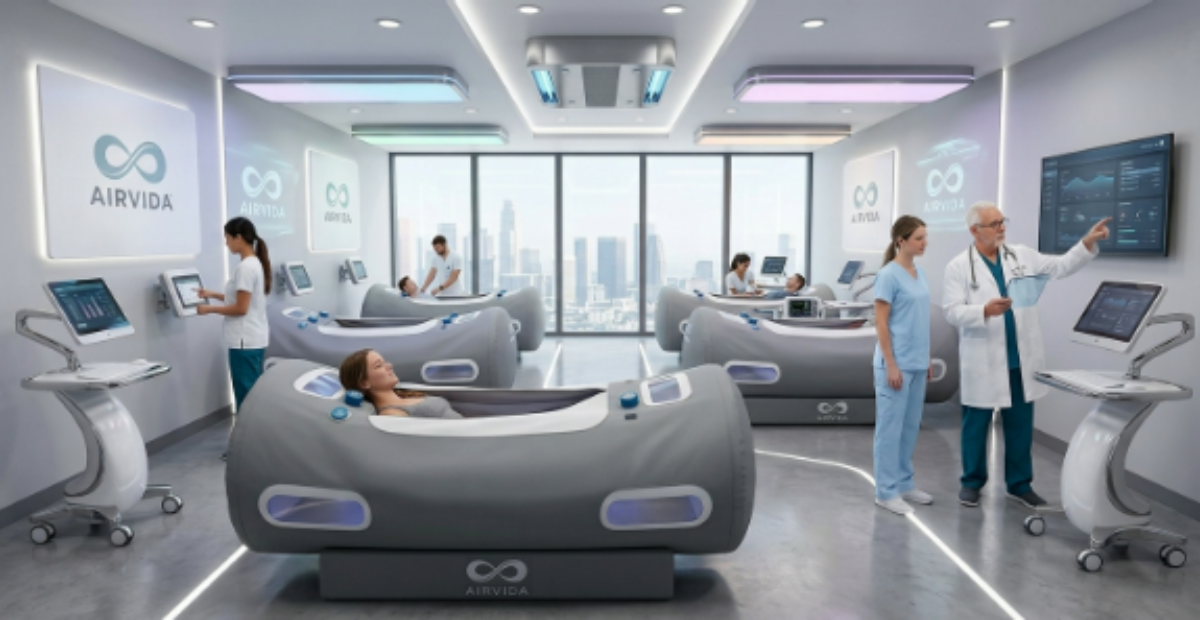
A hyperbaric chamber for a wellness center is a pressurized enclosure that delivers concentrated oxygen to clients at above-atmospheric pressure, typically between 1.3 and 2.4 ATA, with the goal of supporting recovery, reducing inflammation, and promoting tissue repair. The FDA has cleared 14 specific medical indications for hyperbaric oxygen therapy (HBOT), and growing peer-reviewed research supports additional wellness-adjacent applications, though several popular claims remain unproven. If you are evaluating HBOT for a wellness facility, understanding the regulatory landscape, chamber types, and clinical evidence is essential before investing.
Key Takeaways
-
Hyperbaric oxygen therapy is FDA-cleared for 14 medical indications, including non-healing wounds, carbon monoxide poisoning, and diabetic foot ulcers, but claims for cancer, autism, and Alzheimer's disease are not FDA-approved.
-
Hard chambers operating at 2.0 ATA or higher deliver clinical-grade HBOT, while soft chambers typically operate at 1.3 to 1.5 ATA and have a more limited evidence base.
-
The adverse event rate in monitored HBOT sessions is approximately 0.4%, making it a relatively safe therapy when properly administered.
-
Wellness center HBOT sessions range from $100 to $450 per session, depending on chamber type, pressure level, and geographic market.
-
HBOT has demonstrated measurable neurological and post-COVID benefits in randomized controlled trials, though these findings are still being replicated across larger study populations.
-
The HBOT market was valued at $34.5 billion in 2023 and is projected to grow at a compound annual rate of 6.51% through 2032, reflecting strong commercial demand.
What Is Hyperbaric Oxygen Therapy and How Does It Work?
Hyperbaric oxygen therapy is a medical treatment in which you breathe 100% pure oxygen inside a pressurized chamber at above-atmospheric pressure levels. Air pressure inside the chamber is increased up to two and a half times normal atmospheric pressure, according to the Cleveland Clinic. The extra pressure allows your lungs to absorb significantly more oxygen than would be possible under normal conditions.
That elevated oxygen concentration drives oxygen from your bloodstream into surrounding tissues, organs, and fluids. This process supports cellular repair, reduces oxidative inflammation, and promotes angiogenesis, which is the growth of new blood vessels. According to a review published in PMC/NCBI, HBOT modulates key pathways including mitochondrial function, neurogenesis, synaptogenesis, and anti-inflammatory signaling.
For a wellness center context, these mechanisms translate into applications around recovery acceleration, cognitive support, and tissue healing. The key point is that the therapeutic effect depends heavily on both pressure level and oxygen concentration, which is why chamber selection directly impacts clinical outcomes.
What Are the FDA-Approved and Evidence-Supported Uses?
The FDA has cleared HBOT for 14 specific medical indications, all of which involve established clinical evidence and peer-reviewed validation. These FDA-cleared conditions, as confirmed by the Undersea and Hyperbaric Medical Society (UHMS) and UCLA Health, include:
-
Air or gas embolism
-
Carbon monoxide poisoning and cyanide poisoning
-
Clostridial myositis and myonecrosis (gas gangrene)
-
Crush injury, compartment syndrome, and acute traumatic ischemia
-
Decompression sickness
-
Arterial insufficiencies, including diabetic foot ulcers and non-healing wounds
-
Severe anemia from exceptional blood loss
-
Intracranial abscess
-
Necrotizing soft tissue infections
-
Osteomyelitis (refractory)
-
Delayed radiation injury (soft tissue and bony necrosis)
-
Compromised skin grafts and flaps
-
Acute thermal burn injury
-
Idiopathic sudden sensorineural hearing loss
Beyond these cleared indications, emerging peer-reviewed evidence supports applications in post-COVID condition, traumatic brain injury, and neurocognitive decline. A randomized, sham-controlled, double-blind trial published in Scientific Reports (Nature, 2022) found that 40 daily HBOT sessions significantly improved neurocognitive function and post-COVID symptoms in participants with ongoing symptoms for at least three months.
The FDA has explicitly stated it is aware of wellness centers promoting HBOT for unapproved conditions including cancer, Lyme disease, autism, and Alzheimer's disease. Marketing HBOT for these conditions carries regulatory risk and undermines client trust. The bottom line is that your facility should position HBOT around FDA-cleared indications and peer-reviewed emerging evidence, not speculative claims.
Hyperbaric Collections You May Want to Shop

Hard Chamber vs. Soft Chamber: Which Is Right for Your Wellness Center?
The choice between hard and soft hyperbaric chambers is one of the most consequential decisions a wellness center operator will make, because it directly determines the pressure range you can achieve and the depth of clinical evidence supporting your sessions. Here is a direct comparison:
|
Feature |
Hard (Monoplace/Multiplace) Chamber |
Soft (Mild) Chamber |
|
Pressure range |
1.5 to 3.0 ATA |
1.3 to 1.5 ATA |
|
Oxygen delivery |
100% medical-grade oxygen |
Ambient air or supplemental oxygen |
|
FDA-cleared uses |
All 14 approved indications |
Limited; not cleared for most indications |
|
Evidence base |
Extensive peer-reviewed literature |
Emerging, limited comparative data |
|
Cost (purchase) |
$50,000 to $250,000+ |
$5,000 to $30,000 |
|
Session cost to client |
$200 to $650 |
$100 to $250 |
|
Installation complexity |
High; requires medical oversight |
Low to moderate |
|
Ideal setting |
Medical spas, clinics, recovery centers |
Wellness studios, home use |
Hard chambers operating at 2.0 ATA or higher are the standard used in all FDA-cleared clinical trials. They require a licensed medical director in most states and carry stricter facility requirements. Research published in Frontiers in Neurology (2024) consistently used hard-chamber protocols to document neurological benefits.
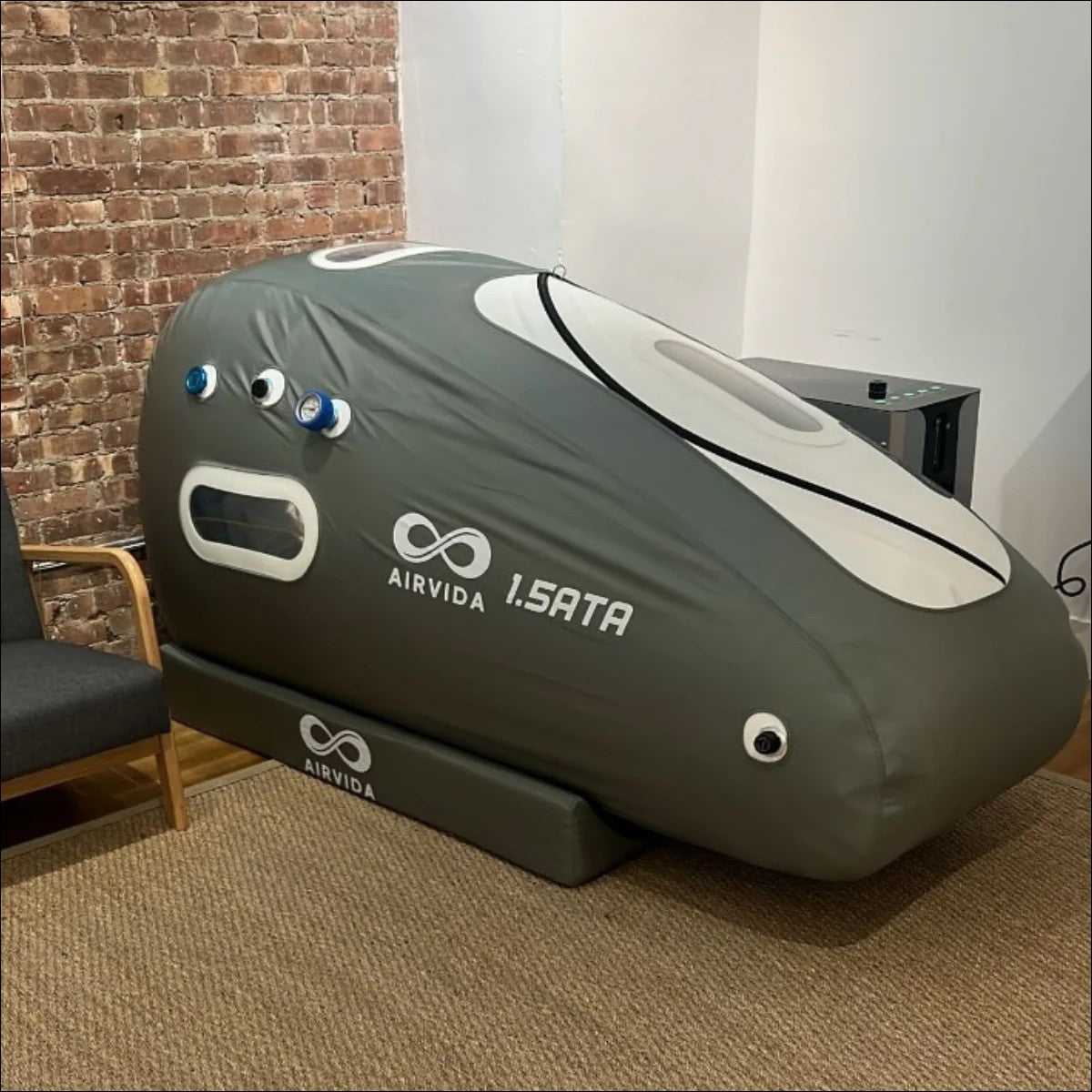
Soft chambers operate at mild pressure, typically 1.3 ATA, using ambient air rather than 100% oxygen. Their evidence base is more limited, and they are not capable of replicating the pressure or oxygen exposure used in most clinical studies. One review from the European Society of Medicine noted that mild chambers "are not capable and have not been studied to provide therapeutic exposure to either pressure or oxygen" at levels used in clinical research.
The bottom line is that hard chambers deliver stronger clinical evidence but require greater capital investment and regulatory compliance, while soft chambers offer lower cost and easier installation with a more limited evidence profile.
What Does the Research Say About HBOT for Neurological and Cognitive Wellness?

HBOT has emerged as a clinically studied neuromodulatory tool, with peer-reviewed evidence supporting improvements in brain function, inflammation reduction, and neuroplasticity. A review published in PMC/NCBI (2024) identified multiple pathways through which HBOT supports neurological recovery, including upregulation of vascular endothelial growth factor (VEGF), mitochondrial biogenesis, and reduction of pro-inflammatory cytokines like TNF-alpha and IL-6.
For post-COVID cognitive symptoms, the 2022 Scientific Reports randomized controlled trial found that HBOT participants showed significant improvements in attention, executive function, and energy levels compared to a sham control group. The treatment protocol consisted of 40 daily sessions at 2.0 ATA with 100% oxygen. These results represent some of the strongest controlled evidence available for a wellness-adjacent HBOT application.
Research published in PMC (2021) also found improvements in cognitive processing speed and attention following HBOT protocols in aging adults. These findings make HBOT particularly relevant for wellness centers focused on healthy aging populations. The key point is that neurological benefits are documented at higher pressure levels in hard chambers, not in soft-chamber mild HBOT protocols.
What Are the Safety Risks and Who Should Not Use HBOT?
HBOT has a well-established safety profile, with an adverse event rate of approximately 0.4% in monoplace chamber studies, as reported in NCBI StatPearls. Most adverse events are mild and manageable. Documented risks include:
-
Middle ear barotrauma: the most common complication, caused by pressure changes affecting the Eustachian tube
-
Sinus discomfort or pain: resulting from sinus cavity pressure equalization
-
Temporary vision changes: myopic shift that typically resolves after completing the treatment course
-
Oxygen toxicity seizure: rare but possible, most associated with prolonged sessions above 2.0 ATA
-
Pulmonary barotrauma: rare, linked to pre-existing lung conditions
According to a systematic review and meta-analysis published in PMC (2023), adverse effects are more likely when chamber pressure exceeds 2.0 ATA and when treatment courses extend beyond 10 sessions without medical oversight.
Absolute contraindications include untreated pneumothorax (collapsed lung). The Cleveland Clinic also identifies COPD, cystic fibrosis, and emphysema as conditions that may increase pneumothorax risk under pressure. Relative contraindications that require physician evaluation include congestive heart failure, uncontrolled fever, and certain chemotherapy regimens.
For a wellness center operating without on-site medical staff, requiring a physician clearance form before HBOT sessions is a practical risk management measure. The bottom line is that HBOT is safe for the large majority of clients when pre-screening protocols are followed and sessions are properly monitored.
Hyperbaric Chambers You May Want to Shop
Explore More


How Should You Select and Configure a Hyperbaric Chamber for Your Facility?
Selecting the right hyperbaric chamber for your wellness center involves evaluating six core factors: pressure capacity, oxygen delivery system, chamber size, regulatory compliance, maintenance requirements, and target client population. Here is a practical decision framework:
Step 1: Define your client population. Identify whether your primary clients are recovery athletes, aging adults, families, or biohacking enthusiasts. This shapes chamber specifications, session protocols, and marketing positioning.
Step 2: Determine your pressure and oxygen targets. If your wellness center partners with a medical director and targets clinical outcomes, a hard chamber at 2.0 ATA or higher is appropriate. For general wellness and recovery, a soft chamber at 1.3 to 1.5 ATA is easier to operate.
Step 3: Assess your facility space and ventilation. Hard chambers require reinforced flooring, dedicated electrical circuits, and oxygen supply infrastructure. Soft chambers are portable and require minimal installation. Both require adequate ventilation and fire safety compliance for oxygen-enriched environments.
Step 4: Verify state-level regulatory requirements. Requirements for medical director oversight, staff certification, and facility licensure vary by state. The UHMS recommends using only UHMS-accredited hyperbaric facilities for medical-grade treatment.
Step 5: Plan for maintenance costs and operational continuity. Ongoing operational costs include oxygen supply, chamber seals, compressor maintenance, and annual safety inspections. Before purchasing, review detailed guidance on hyperbaric chamber maintenance costs to budget accurately for the full cost of ownership.
Step 6: Match chamber features to your brand positioning. Chambers with large windows improve the client experience by reducing claustrophobia and making sessions more marketable. You can explore hyperbaric chambers with large windows designed specifically for client comfort. For facilities targeting performance-focused clients, hyperbaric chambers for biohackers offer specifications optimized for advanced wellness protocols.
The bottom line is that matching chamber specifications to your client population and operational capacity is more important than choosing the most expensive unit available.
How Does HBOT Support Specific Wellness Center Client Populations?

Different client segments respond differently to HBOT, and positioning your chamber around specific populations allows for targeted service offerings and clearer informed consent practices.
Athletes and active recovery clients benefit from HBOT's documented ability to reduce inflammation and support soft tissue repair. A systematic review published in PMC (2025) found evidence supporting HBOT for musculoskeletal pain syndromes. If your facility serves training athletes or post-surgical recovery clients, hyperbaric chambers for athletes with higher pressure tolerances are worth evaluating.
Older adults represent a growing segment for HBOT wellness services, given research on cognitive aging and circulation. A study published in ScienceDirect (2022) examined HBOT as a therapeutic tool for healthy aging, finding improvements in telomere length and senescent cell markers. Facilities serving this demographic can find dedicated options in the hyperbaric chambers for seniors category.
Families and multi-user facilities require chambers sized and configured for flexible use across age groups and body types. Hyperbaric chambers for families address this with multiplace and larger-format chamber designs. The key point is that a single chamber model rarely serves all client segments optimally, and operators of high-volume facilities often benefit from offering more than one chamber format.
What Are the Costs and Revenue Considerations for Wellness Center HBOT?
Operating a hyperbaric chamber in a wellness center involves both capital costs and ongoing session economics that must be evaluated carefully before launch. Here is a breakdown of current market data:
Equipment costs:
-
Soft chambers (1.3 to 1.5 ATA): $5,000 to $30,000
-
Hard monoplace chambers (2.0 ATA and above): $50,000 to $150,000+
-
Hard multiplace chambers: $150,000 to $500,000+
Session pricing in the current U.S. market:
-
Soft-chamber wellness sessions: $100 to $250 per session
-
Hard-chamber clinic sessions: $200 to $450 per session
-
Hospital-based programs: $400 to $650 per session before insurance
Revenue potential per chamber: A chamber running eight sessions per day at $150 average generates roughly $360,000 in annual gross revenue at full utilization. Factoring in consumables, staffing, and maintenance, net margins typically range from 40% to 60% at well-run wellness facilities.
Insurance reimbursement applies only to FDA-cleared medical indications and requires a supervising physician. Medicare Part B covers approved HBOT with a 20% patient co-pay after the annual deductible. Wellness-only facilities without medical director oversight typically operate on a cash-pay model. The bottom line is that HBOT can be financially viable as a wellness offering, but realistic utilization projections and full cost-of-ownership modeling are essential before committing capital.
What Is the Role of Medical Oversight in a Wellness Center HBOT Program?
Medical oversight is a regulatory requirement in most states for HBOT sessions above 1.5 ATA, and it is a best practice even for mild-pressure soft-chamber programs. The UHMS recommends that hyperbaric facilities treating medical conditions operate under the supervision of a trained hyperbaric medicine physician.
For wellness centers not billing insurance and operating soft chambers below 1.5 ATA, the regulatory threshold is lower, but pre-screening clients for contraindications remains essential. A documented intake process, informed consent form, and clear contraindication checklist protect both clients and your facility from adverse event liability.
Working with a hyperbaric medicine consultant, even part-time, allows your wellness center to offer evidence-based protocols with appropriate clinical oversight. This also positions your facility to potentially bill for FDA-cleared indications if you later expand to hard chambers. The key point is that the level of medical oversight your facility requires scales with the pressure level, oxygen concentration, and client health complexity of your HBOT program.
Is a Hyperbaric Chamber a Viable Long-Term Investment for a Wellness Center?

A hyperbaric chamber is a viable long-term investment for a wellness center when three conditions are met: your client population has a documented interest in recovery or performance optimization, you have the physical space and budget for proper installation, and your team has access to ongoing clinical education and regulatory guidance. The HBOT market is expanding, with a valuation of $34.5 billion in 2023 and a projected compound annual growth rate of 6.51% through 2032, reflecting sustained commercial and clinical momentum.
The most successful wellness center HBOT programs combine realistic client education, documented safety protocols, and chamber specifications that match actual client needs. Facilities that overstate unproven benefits or operate without proper pre-screening face both regulatory risk and reputational damage. Centers that position HBOT accurately, around its genuine peer-reviewed evidence base, tend to build stronger client retention and referral networks.
The bottom line: A hyperbaric chamber for a wellness center delivers measurable value when selected, operated, and marketed in alignment with FDA guidance, peer-reviewed evidence, and proper safety protocols — and the evidence base supporting clinical and wellness applications continues to grow.
Frequently Asked Questions
What are hyperbaric chambers used for
Hyperbaric chambers are used to deliver 100% oxygen at above-atmospheric pressure to treat conditions including carbon monoxide poisoning, non-healing diabetic wounds, decompression sickness, radiation injury, and necrotizing infections, all of which are FDA-cleared indications. Wellness centers also use hyperbaric chambers for recovery support, cognitive performance, and anti-aging protocols, though these applications have varying levels of peer-reviewed evidence and are not FDA-approved indications.
Best hyperbaric chamber for home use
The best hyperbaric chamber for home use is typically a soft-shell chamber operating at 1.3 to 1.5 ATA, which offers a manageable size, lower cost, and minimal installation requirements compared to hard chambers. Soft chambers range from $5,000 to $30,000 and do not require a medical gas supply, making them practical for home environments, though they operate at lower pressures than clinical-grade units.
Multiplace hyperbaric chamber
A multiplace hyperbaric chamber is a large pressurized enclosure that accommodates two or more people simultaneously and typically operates at pressures between 2.0 and 3.0 ATA while delivering 100% medical-grade oxygen through individual masks. Multiplace chambers are most common in hospital and clinical settings, cost between $150,000 and $500,000 or more, and require dedicated medical staff and infrastructure, making them a significant investment for wellness center operators.
Home hyperbaric chamber price
Home hyperbaric chamber prices range from approximately $5,000 to $30,000 for soft-shell mild chambers and from $50,000 to $150,000 or more for hard monoplace chambers suitable for clinical-level pressure. The final cost depends on pressure capacity, chamber size, oxygen delivery system, and the manufacturer's warranty and support package.
Hyperbaric chamber for athletes
Hyperbaric chambers for athletes are used to accelerate recovery from soft tissue injuries, reduce exercise-induced inflammation, and support musculoskeletal repair through elevated oxygen delivery to damaged tissue. A systematic review published in PMC (2025) found evidence supporting HBOT for musculoskeletal pain syndromes, and many professional sports recovery programs have integrated HBOT sessions at pressures between 1.5 and 2.4 ATA into post-training and post-injury protocols.