


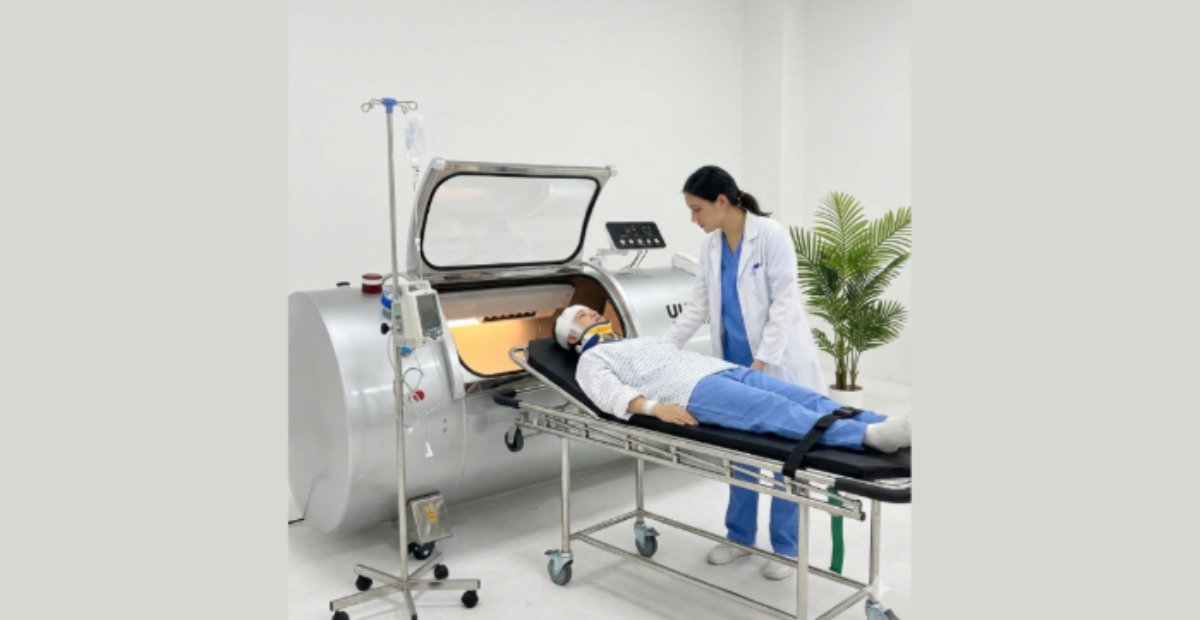
A hyperbaric chamber for traumatic brain injury is used to increase oxygen delivery to injured brain tissue, supporting cellular repair and neurological recovery. It works by combining pressurized air with concentrated oxygen to help the brain heal more efficiently.
Traumatic brain injuries vary widely in severity, but one common challenge remains: damaged brain tissue struggles to receive enough oxygen. Understanding how this therapy works, why it is considered, and which option fits best can help families and patients make informed decisions.
Understanding Traumatic Brain Injury and Oxygen Deprivation

Traumatic brain injury, often called TBI, occurs when a sudden impact, fall, or force disrupts normal brain function. This can happen during car accidents, sports injuries, military service, or even simple household falls.
While the initial injury causes immediate damage, secondary injury is often more harmful. After trauma, swelling, inflammation, and reduced blood flow limit oxygen supply to brain cells. Without adequate oxygen, neurons struggle to function and may die, slowing recovery.
This is where oxygen-focused therapies enter the conversation. By improving oxygen availability, the brain may regain function in areas that are dormant rather than permanently damaged.
Why Oxygen Matters for Brain Healing
The brain consumes roughly 20 percent of the body’s oxygen, despite accounting for only about 2 percent of body weight. After injury, oxygen demand increases while supply decreases.
Adequate oxygen supports:
-
Cellular energy production
-
Reduction of inflammation
-
Formation of new blood vessels
-
Activation of neuroplasticity
When oxygen delivery improves, areas surrounding the injury may gradually resume activity, which can support cognitive and physical recovery over time. Because consistent access is often important for maintaining these potential benefits, seasonal promotions like this HBOT Holiday Sale Collection can make long-term use more accessible for families seeking continuity.
Hyperbaric Chambers You May Want to Shop
Explore More


What Is Hyperbaric Oxygen Therapy and How It Works
Hyperbaric oxygen therapy, often shortened to HBOT, involves breathing concentrated oxygen in a pressurized environment. Pressure allows oxygen to dissolve directly into blood plasma, reaching tissues that red blood cells alone cannot supply effectively.
Inside a chamber, pressure typically ranges from 1.3 to 2.0 ATA depending on the protocol. This environment enables oxygen to reach compromised brain areas affected by reduced circulation or inflammation.
Unlike standard oxygen therapy, this approach targets diffusion at the cellular level rather than just increasing oxygen intake through the lungs.
Why This Therapy Is Considered for Brain Injuries

Brain injuries often leave pockets of tissue that are alive but inactive. These areas are sometimes called “idling neurons.” They are not dead, but they lack the oxygen and energy required to function normally.
By increasing oxygen saturation throughout the brain, therapy aims to:
-
Reactivate dormant neurons
-
Reduce neuroinflammation
-
Improve cerebral blood flow
-
Support mitochondrial repair
This combination explains why many clinicians explore oxygen-based approaches as part of a broader rehabilitation plan. Chronic pain patients often reference insights from Hyperbaric Chamber Therapy for Fibromyalgia, which highlights how improved oxygen delivery and inflammation modulation are also being explored in neurological recovery contexts.
How a Hyperbaric Chamber Supports Brain Recovery
A hyperbaric chamber for traumatic brain injury supports recovery through several physiological mechanisms rather than a single effect. This layered approach is why results are often gradual and cumulative.
Increased Oxygen Diffusion
Under pressure, oxygen reaches tissues beyond areas served by damaged capillaries. This is especially important after TBI, where blood vessels may be compromised.
Reduced Inflammation
Inflammation is a major contributor to ongoing symptoms such as headaches, dizziness, and brain fog. Oxygen under pressure has been shown to help regulate inflammatory responses in injured tissue.
Support for Neuroplasticity
The brain has the ability to reorganize itself by forming new neural connections. Improved oxygenation supports this process, allowing other areas of the brain to compensate for damaged regions.
Comparing Recovery Approaches for TBI
TBI recovery often requires multiple therapies working together. Oxygen therapy is not typically used alone but complements existing treatments.
Common Treatment Options Compared
|
Therapy Type |
Primary Focus |
Best Used For |
|
Physical therapy |
Motor skills and balance |
Mobility and coordination issues |
|
Occupational therapy |
Daily function |
Fine motor and life skills |
|
Cognitive therapy |
Memory and focus |
Attention and processing challenges |
|
Oxygen-based therapy |
Cellular repair |
Oxygen-deprived brain tissue |
Each approach addresses a different layer of recovery. Combining them often leads to more balanced outcomes.
Who May Benefit Most From This Therapy

Not every individual responds the same way, but certain patterns emerge among those who explore this option.
People often consider it when:
-
Symptoms persist months or years after injury
-
Traditional rehabilitation plateaus
-
Cognitive symptoms outweigh physical ones
-
Oxygen deprivation is suspected
It has been explored for mild, moderate, and severe injuries, as well as blast-related injuries in military populations.
Choosing the Right Chamber Type
There are different chamber designs available, each serving distinct needs. Understanding the differences helps determine which option is practical and effective.
Hyperbaric Collections You May Want to Shop

Soft vs. Hard Chambers
|
Feature |
Soft Chamber |
Hard Chamber |
|
Pressure range |
Lower |
Higher |
|
Typical setting |
Home or clinic |
Medical facility |
|
Comfort |
More flexible |
More structured |
|
Accessibility |
Easier daily use |
Clinician supervised |
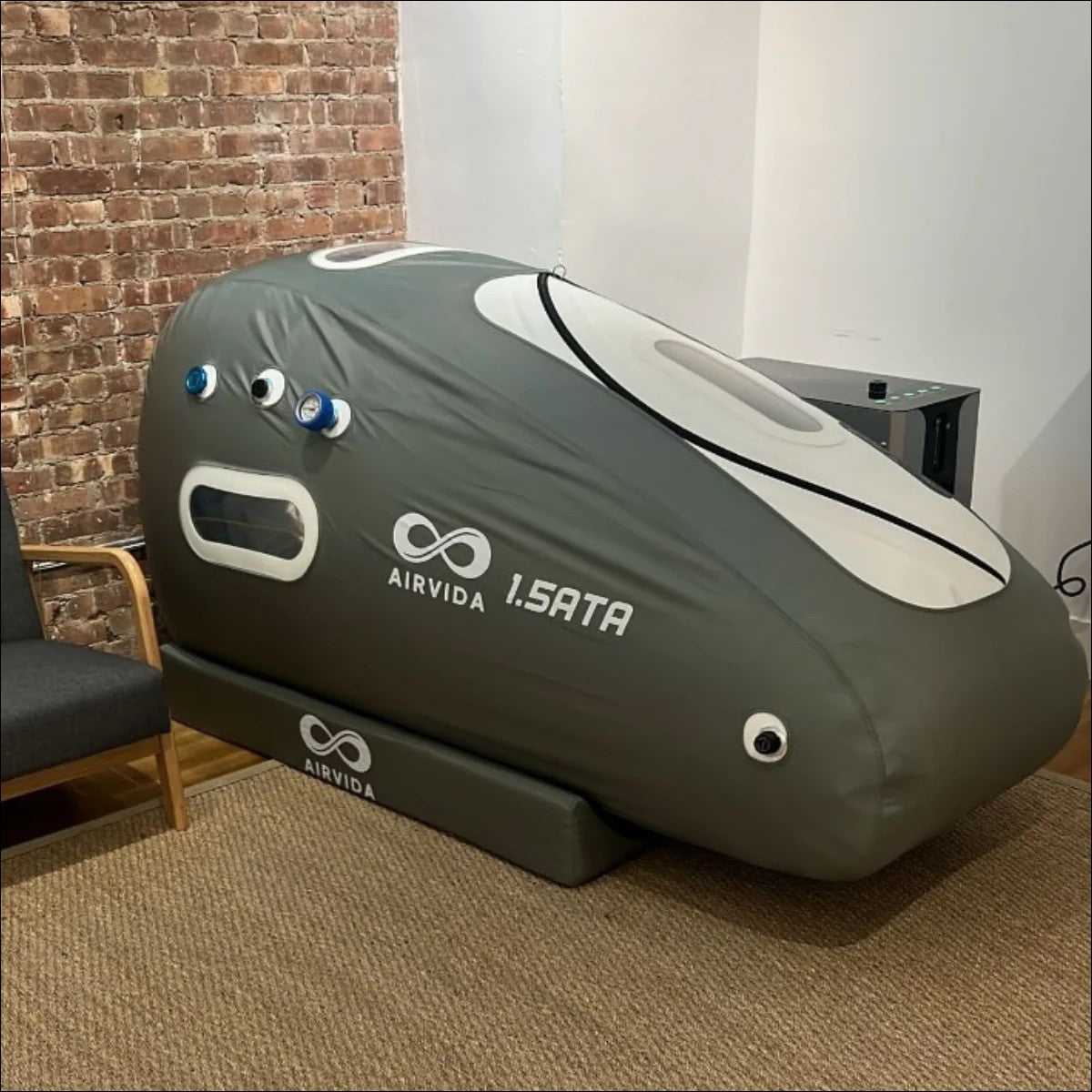
Soft chambers are often chosen for long-term or home-based use, while hard chambers are typically used in hospital settings.
Those exploring home-based oxygen therapy often look into curated options such as those found in this Pneumothorax Hypertension Oxygen Therapy Collection, which focuses on safety and targeted wellness needs.
How Long Does Recovery Take With Oxygen Support
Recovery timelines vary widely. Some people report subtle improvements within weeks, while others notice gradual changes over several months.
Factors influencing progress include:
-
Severity and age of injury
-
Frequency of sessions
-
Overall health and nutrition
-
Integration with other therapies
Consistency matters more than intensity. Structured protocols tend to deliver better outcomes than sporadic use.
Safety Considerations and Practical Tips
While generally well-tolerated, oxygen therapy should always be approached responsibly.
Practical Safety Tips
-
Follow recommended pressure guidelines
-
Stay hydrated before sessions
-
Avoid holding breath during pressurization
-
Work with trained professionals when possible
Individuals with certain conditions should consult healthcare providers before starting therapy.
Why Some People Choose Home-Based Therapy

Access and consistency play a major role in recovery. Home-based options remove travel barriers and allow users to maintain regular schedules. This convenience may support long-term adherence, reduce stress, and make therapy easier to integrate into daily routines, especially for individuals managing ongoing symptoms or mobility limitations.
Related Conditions Where Oxygen Therapy Is Explored
Research into oxygen-based therapy extends beyond brain injuries. It has also been studied for neurological and inflammatory conditions. For example, families exploring neurological support may find parallels in this guide on Hyperbaric Oxygen Treatment for Cerebral Palsy.
These related areas help explain why oxygen delivery plays a central role in neurological health.
Cost, Commitment, and Expectations
Cost varies depending on setting, session frequency, and equipment type. More importantly, expectations should remain realistic. This approach supports recovery, but it is not a standalone cure. Most users who report benefits view it as part of a comprehensive rehabilitation strategy rather than a quick fix.
Insurance coverage, accessibility, and personal health factors can also influence decisions when considering hyperbaric therapy. Consulting with healthcare professionals ensures safety and suitability, while integrating it with physical therapy, cognitive exercises, and lifestyle adjustments often provides the most meaningful support for recovery from traumatic brain injuries.
Final Thoughts on Hyperbaric Chamber for Traumatic Brain Injury
Choosing a hyperbaric chamber for traumatic brain injury is ultimately about supporting the brain’s natural healing processes with improved oxygen delivery. When used thoughtfully and consistently, it can complement rehabilitation and help individuals move forward with greater clarity and function.
While outcomes vary from person to person, this therapy is often considered as part of a broader recovery strategy rather than a standalone solution. Medical guidance, realistic expectations, and ongoing monitoring are essential to ensure it aligns with individual needs and existing treatment plans.
Frequently Asked Questions
Does hyperbaric oxygen therapy work for traumatic brain injury?
Hyperbaric oxygen therapy can support recovery for some people with traumatic brain injury by improving oxygen delivery to affected brain tissue. Research and clinical experience suggest it may help reduce inflammation, reactivate dormant neurons, and support neuroplasticity. Outcomes vary depending on injury severity, timing, and consistency of use. It is often most effective when combined with physical, cognitive, and occupational therapies rather than used alone.
What is the best treatment for TBI?
There is no single best treatment for traumatic brain injury because recovery usually requires a combination of therapies. Physical therapy addresses balance and movement, cognitive therapy focuses on memory and attention, and occupational therapy helps with daily tasks. Oxygen-based approaches are sometimes added to support cellular repair. A personalized plan guided by medical professionals typically delivers the best results.
How many HBOT sessions for TBI?
The number of HBOT sessions for traumatic brain injury varies widely based on individual needs and response. Some protocols suggest 20 to 40 sessions, while others may extend beyond that for chronic symptoms. Improvements are often gradual, and consistency plays a key role. Many people reassess progress after a structured block of sessions before deciding on continuation.
Is hyperbaric oxygen therapy good for the brain?
Hyperbaric oxygen therapy is generally considered supportive for brain health because it increases oxygen availability at the cellular level. This may help reduce inflammation, improve blood flow, and support neurological function. While results differ between individuals, many explore it as part of a broader brain wellness or recovery strategy rather than as a standalone solution.