


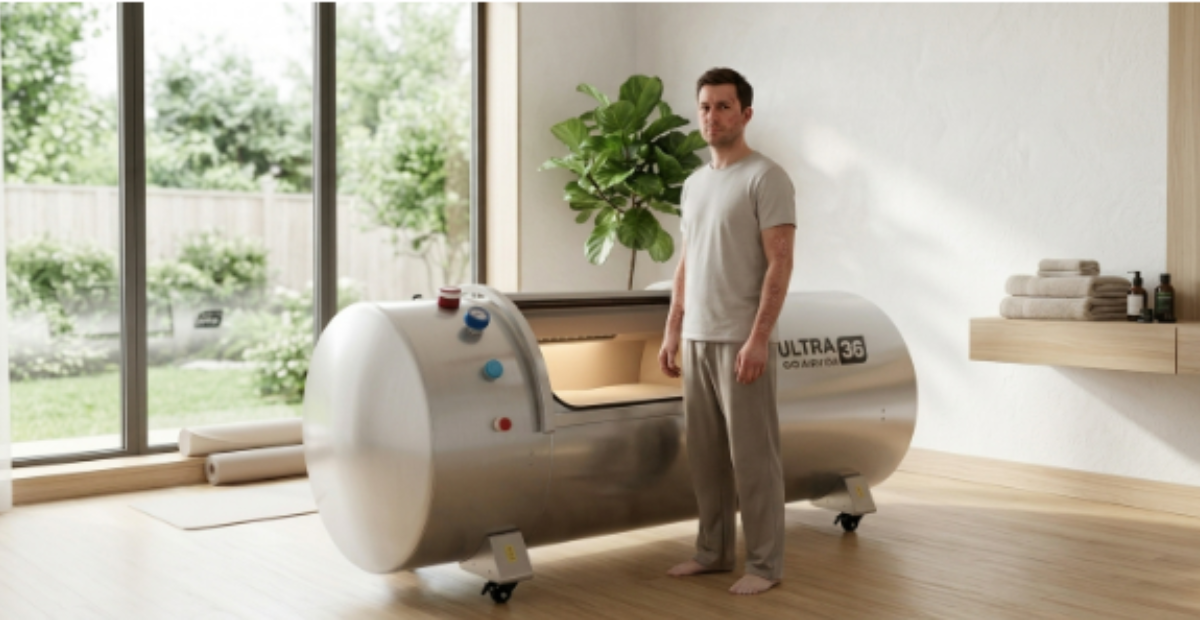
Hyperbaric oxygen therapy (HBOT) delivers 100% pressurized oxygen inside a sealed chamber, raising dissolved oxygen levels in the blood and tissues to support healing. Research shows HBOT has its strongest evidence in treating chronic wounds, including diabetic foot ulcers, while emerging studies suggest a supportive role in inflammatory skin conditions like atopic dermatitis and psoriasis. If you are exploring this therapy for a skin concern, the evidence varies significantly by condition.
Key Takeaways
-
HBOT increases dissolved oxygen in the blood and tissues, which can reverse localized hypoxia, reduce inflammation, and promote new blood vessel growth.
-
Diabetic foot ulcers have the strongest clinical evidence for HBOT, with peer-reviewed research showing significantly improved wound healing rates and reduced amputation risk.
-
Atopic dermatitis research is promising but still emerging, with 2025 studies indicating HBOT may play a meaningful supportive role alongside standard treatments.
-
Psoriasis case reports show potential therapeutic benefit, though large-scale controlled trials remain limited.
-
Adverse effects occur in roughly 30% of HBOT patients in clinical settings, with ear discomfort being the most commonly reported side effect.
-
HBOT is generally used as an adjunct therapy, meaning it supplements, rather than replaces, your primary dermatological treatment plan.
How Does a Hyperbaric Chamber Work on Skin?
Hyperbaric oxygen therapy is a treatment modality that works by dissolving high concentrations of oxygen into blood plasma, bypassing normal hemoglobin-bound transport to reach oxygen-deprived tissues directly. During a session, you breathe 100% oxygen inside a pressurized chamber, typically at pressures ranging from 1.4 to 3.0 atmospheres absolute (ATA). This elevated oxygen concentration diffuses deeply into tissues, including the skin and underlying structures.
The increased oxygen enters the mitochondria, which consume the majority of inhaled oxygen and serve as the primary site of HBOT's cellular effects. This process can reverse tissue hypoxia and reactivate the electron transport chain, restoring cellular energy production. Skin cells dependent on adequate oxygenation for repair and immune function benefit from this mechanism directly.
HBOT also triggers a secondary response: when sessions end, the body interprets the return to normal oxygen levels as relative hypoxia. This activates the HIF-1α pathway, stimulating angiogenesis (new blood vessel formation) and modulating inflammation, two processes central to skin healing and immune regulation. The key point is that HBOT acts on skin through both direct oxygenation and downstream signaling cascades that support tissue repair.
What Skin Conditions Does HBOT Research Support?

HBOT has documented clinical support across several skin-related conditions, with the strength of evidence ranging from robust randomized controlled trials to preliminary case reports depending on the specific condition. Understanding where the research is strong and where it is still developing helps you have a more informed conversation with your dermatologist or wound care specialist.
Chronic Wounds and Diabetic Foot Ulcers
Diabetic foot ulcers represent the most clinically established skin-related indication for HBOT. A 2021 systematic review and meta-analysis published in Scientific Reports analyzed 14 studies involving 768 participants and found HBOT was significantly effective in achieving complete wound healing, with reduced odds of major amputation. A 2024 review in the Journal of Cosmetic Dermatology further reported that HBOT was significantly superior to other treatments for wound healing rates eight or more weeks after final treatment, with a relative risk of 2.39.
Chronic wounds fail to heal partly because local tissue becomes hypoxic, preventing the cellular activity needed for repair. HBOT restores oxygen delivery to these tissues, promoting collagen synthesis, bacterial resistance, and vascular regrowth. If you are managing a diabetic ulcer, HBOT is most commonly considered alongside, not instead of, your existing wound care regimen.
Atopic Dermatitis
Atopic dermatitis (AD), also called eczema, is a chronic inflammatory skin condition characterized by a disrupted skin barrier, immune dysregulation, and persistent itch. A 2025 review published in the Journal of Clinical Medicine and indexed on PubMed Central outlined HBOT's potential as a supportive therapy for AD, noting its anti-inflammatory mechanisms and capacity to modulate the immune responses underlying the condition. The Global Report on Atopic Dermatitis 2022 estimated that approximately 223 million people worldwide were living with this condition, underscoring its significant clinical burden.
The standard approach to AD focuses on symptomatic management using topical corticosteroids and emollients. HBOT is being investigated as a complementary modality that may reduce the need for corticosteroid use over time by addressing underlying immune dysregulation. Evidence remains preliminary, and HBOT for AD is not yet considered a standard-of-care treatment.
Psoriasis
Psoriasis is an autoimmune skin condition where the immune system drives rapid, abnormal skin cell turnover, resulting in plaques, scaling, and inflammation. Case reports published in peer-reviewed literature, including work indexed on PubMed Central, have documented therapeutic effects of HBOT in psoriasis vulgaris. These reports describe reductions in plaque severity following HBOT sessions, attributed partly to the therapy's effect on reactive oxygen species and regulatory T-cell activity.
Large-scale randomized controlled trials for psoriasis and HBOT are not yet available. Current evidence is limited to case studies and small-series reports, meaning clinical guidance cannot be firmly established from existing literature alone. The key point is that psoriasis represents an area of active but early-stage investigation for HBOT.
Hyperbaric Collections You May Want to Shop

What Does the Research Say About HBOT for Inflammation?
HBOT modulates inflammation through multiple pathways, making it relevant to inflammatory skin conditions beyond wound healing alone. A 2025 review in Frontiers in Medicine reported that HBOT demonstrated an efficacy rate of 87.5% to 100% in treating rheumatic and autoimmune diseases, conditions that share immune dysregulation features with inflammatory skin disorders. This broad anti-inflammatory effect is mediated through oxygen-sensitive signaling pathways.
HBOT's effect on the HIF-1α pathway is particularly relevant to inflammatory skin conditions. Intermittent pressurization and depressurization cycles signal the cell to activate processes that regulate both angiogenesis and immune cell behavior, including T-regulatory cells that suppress excessive inflammatory responses. When the immune overactivation driving conditions like eczema or psoriasis is calmed, the skin barrier has a better opportunity to repair itself.
Research also points to HBOT's ability to reduce pro-inflammatory cytokines, the signaling molecules that sustain chronic skin inflammation. This mechanism aligns with the known pathophysiology of atopic dermatitis, where elevated cytokines like IL-4 and IL-13 perpetuate the inflammatory cycle. The bottom line is that HBOT's anti-inflammatory mechanisms are biologically plausible for skin conditions, but clinical confirmation through large trials is still ongoing.
Hyperbaric Chambers You May Want to Shop
Explore More


How Does HBOT Compare to Standard Dermatological Treatments?
HBOT is categorized as an adjunct therapy for most dermatological conditions, meaning it is designed to work alongside, not replace, established treatments like topical corticosteroids, biologics, or prescription emollients.
The table below summarizes how HBOT compares across key dimensions for common skin-related applications:
|
Condition |
Standard Treatment |
HBOT's Role |
Evidence Level |
|
Diabetic foot ulcers |
Wound debridement, offloading, antibiotics |
Adjunct to accelerate healing |
Strong (multiple RCTs) |
|
Atopic dermatitis |
Topical corticosteroids, emollients, biologics |
Supportive, investigational |
Emerging (2025 peer-reviewed review) |
|
Psoriasis |
Topical steroids, phototherapy, biologics |
Investigational, case reports only |
Preliminary |
|
Chronic wounds (non-diabetic) |
Standard wound care protocols |
Adjunct to promote oxygenation |
Moderate (observational data) |
|
Cosmetic skin aging |
Retinoids, sunscreen, filler procedures |
Investigational |
Limited evidence |
This comparison highlights that your decision to pursue HBOT should be condition-specific and made in partnership with a dermatologist or wound care physician who can evaluate the current clinical evidence relative to your case.
What Are the Risks and Downsides of Hyperbaric Chambers?
The primary downsides of hyperbaric chambers include a meaningful rate of adverse effects, contraindications for certain populations, and the practical burden of completing multiple sessions.
A 2023 systematic review and meta-analysis published in Frontiers in Medicine analyzed 24 randomized controlled trials involving 1,497 participants and found that the HBOT group reported adverse effects in approximately 30% of cases, compared to roughly 10% in control groups. The most frequently reported side effect was ear discomfort, with 113 documented cases across the studies reviewed. Adverse effects occurred more frequently when sessions exceeded 10 in number or when chamber pressure exceeded 2.0 ATA.
Common side effects and considerations include:a
-
Ear barotrauma: Pressure changes can cause ear pain or temporary hearing changes
-
Sinus discomfort: Similar pressure-related effects can affect the sinuses
-
Oxygen toxicity: At high pressures over extended sessions, central nervous system effects are possible
-
Claustrophobia: Enclosed chamber environments are uncomfortable for some individuals
-
Session burden: Clinical protocols typically require multiple sessions over several weeks
-
Noise exposure: Chamber equipment produces noise that some individuals find disruptive; understanding hyperbaric chamber noise levels can help you prepare for your first session
Absolute contraindications include untreated pneumothorax. Relative contraindications may include certain respiratory conditions, active ear infections, and some medications. You should complete a full medical history review with a qualified provider before beginning HBOT. The key point is that HBOT has a real, quantified risk profile that requires individualized assessment.
Who Is a Candidate for Hyperbaric Oxygen Therapy for Skin Conditions?

Candidacy for HBOT in the context of skin conditions depends on your specific diagnosis, the severity of your condition, and whether standard treatments have been tried first. HBOT is most commonly considered when primary therapies have produced insufficient results, particularly in chronic or refractory wound cases.
A healthcare provider will typically evaluate the following before recommending HBOT:
-
Diagnosis confirmation: The condition must be accurately identified, as HBOT's evidence base is condition-specific.
-
Prior treatment history: Evidence that standard approaches have been applied and produced inadequate results.
-
Tissue oxygenation assessment: In wound care, transcutaneous oximetry may be used to confirm that local hypoxia is present and HBOT-responsive.
-
Contraindication screening: Full review of respiratory, cardiovascular, and ear health before clearance.
-
Session planning: Agreement on a protocol that accounts for pressure, duration, and frequency relative to your condition.
Access to qualified hyperbaric facilities is also a practical consideration. If you are located in the central or northeastern United States, specialized providers are available in regions including Little Rock, Des Moines, Sioux Falls, and Portland, Maine. The bottom line is that candidacy is not self-determined; a qualified clinician must evaluate your full clinical picture before recommending this therapy.
What Does the Evidence Say About HBOT and Wound Healing Specifically?
HBOT accelerates wound healing by restoring oxygen to hypoxic tissue, stimulating collagen synthesis, promoting angiogenesis, and enhancing the body's ability to resist bacterial infection at the wound site. These mechanisms are particularly relevant for chronic wounds where standard care has stalled healing progression.
A systematic review published in Advances in Skin and Wound Care examined HBOT's clinical evidence in wound management and identified its primary roles as increasing fibroblast activity, supporting leukocyte bactericidal function, and driving growth factor release. Collagen synthesis, critical to wound closure, requires oxygen as a cofactor, making the hyperoxic state produced by HBOT directly relevant to tissue repair. In diabetic patients, where vascular compromise limits natural oxygen delivery, HBOT provides a meaningful supplemental source.
Studies examining HBOT combined with standard wound care have consistently shown superiority over standard wound care alone in specific patient populations, particularly those with moderate to severe diabetic foot ulcers. This outcome is more pronounced in wounds with confirmed tissue hypoxia than in wounds where oxygen delivery is already adequate. The key point is that the wound healing evidence for HBOT is strongest when there is a documented oxygen-delivery deficit in the target tissue.
Is Hyperbaric Oxygen Therapy Right for Your Skin Condition?

HBOT represents a well-studied modality for specific wound-related skin conditions and an emerging area of research for inflammatory skin diseases like atopic dermatitis and psoriasis. The clinical evidence base is not uniform: diabetic foot ulcers have the most robust support, while inflammatory skin conditions remain areas of active investigation with promising but preliminary findings.
If you are considering HBOT for a skin condition, the most productive step is a conversation with a board-certified dermatologist or wound care specialist who can review your diagnosis, prior treatment history, and current clinical evidence. Selecting an accredited facility, completing thorough contraindication screening, and maintaining realistic expectations about outcomes are all critical components of a responsible treatment approach.
The bottom line: a hyperbaric chamber can meaningfully support healing in specific skin conditions, particularly chronic wounds and potentially inflammatory diseases, but it works best as part of a comprehensive, clinician-supervised treatment plan.
Frequently Asked Questions
Can HBOT help with eczema?
HBOT may help with eczema by reducing inflammation and modulating the immune responses that drive atopic dermatitis flares. A 2025 peer-reviewed review in the Journal of Clinical Medicine identified HBOT as a potential supportive therapy for atopic dermatitis, noting its anti-inflammatory and immunomodulatory mechanisms. Evidence remains emerging, and HBOT is not a current standard-of-care treatment for eczema.
What conditions can hyperbaric chambers treat?
Hyperbaric chambers are used to treat conditions including chronic diabetic foot ulcers, severe anemia, carbon monoxide poisoning, decompression sickness, refractory osteomyelitis, radiation tissue injury, and necrotizing soft tissue infections, among others. The Undersea and Hyperbaric Medical Society has identified 15 conditions where HBOT is considered an established treatment. Emerging research is also exploring HBOT's role in inflammatory skin conditions and autoimmune diseases.
What is the downside of a hyperbaric chamber?
The main downsides of hyperbaric chambers include a roughly 30% rate of adverse effects reported in clinical trials, with ear discomfort being the most common side effect. Session burden, claustrophobia, and higher risk of adverse effects at pressures above 2.0 ATA or treatment courses exceeding 10 sessions are additional considerations. Contraindications exist for certain medical conditions, requiring thorough screening before starting therapy.
What is the miracle of hyperbaric oxygen therapy?
HBOT is not a miracle therapy, but it produces clinically meaningful outcomes through a well-documented biological mechanism: restoring oxygen to hypoxic tissues, stimulating angiogenesis, reducing inflammation, and supporting immune function simultaneously. Its most impressive documented outcomes are in diabetic foot ulcers, where peer-reviewed meta-analyses show significantly improved complete healing rates and reduced major amputation risk. These outcomes reflect real biochemical mechanisms rather than unexplained effects.
What heals eczema the fastest?
Topical corticosteroids remain the fastest-acting first-line treatment for acute eczema flares, providing symptomatic relief within days when applied correctly to affected areas. Emollients used consistently alongside corticosteroids help restore the skin barrier and reduce flare frequency. HBOT may offer supportive benefits for eczema over a longer treatment course, but it is not a rapid-relief option compared to established topical therapies.