



Hyperbaric oxygen therapy (HBOT) delivers measurable benefits for autoimmune conditions by reducing inflammatory cytokines, shifting the Treg/Th17 immune balance toward tolerance, and improving oxygen delivery to inflamed or poorly perfused tissues. A 2025 review published in PMC12756175 found efficacy rates of 87.5% to 100% for rheumatic and autoimmune diseases complicated by skin ulcers and fibromyalgia. HBOT is not a cure for autoimmune disease, but current peer-reviewed evidence consistently supports its role as an adjunct to conventional treatment.
Key Takeaways
-
Hyperbaric oxygen therapy modulates the immune system by enhancing tolerance-related pathways and reducing pro-inflammatory cytokines such as IL-1, IL-6, and TNF-alpha.
-
Fibromyalgia and autoimmune skin ulcers show the highest documented response rates, with efficacy ranging from 87.5% to 100% in a 2025 NIH-indexed review.
-
HBOT works by dissolving oxygen into blood plasma at elevated atmospheric pressure, allowing oxygen to reach tissues that are inflamed or poorly perfused.
-
Multiple autoimmune conditions have been studied, including lupus, inflammatory bowel disease, multiple sclerosis-related encephalomyelitis, and neuromyelitis optica spectrum disorder.
-
Randomized controlled trial data remains limited across most autoimmune indications, and HBOT is considered adjunctive rather than primary therapy.
-
Access to hyperbaric chambers is expanding, with options available in multiple U.S. cities and flexible acquisition models such as lease-to-own programs.
What Is Hyperbaric Oxygen Therapy and How Does It Work for Autoimmune Disease?
Hyperbaric oxygen therapy (HBOT) is a medical treatment that involves breathing near-pure oxygen inside a pressurized chamber at levels above normal atmospheric pressure, which increases the concentration of dissolved oxygen in blood plasma and tissues. Under standard conditions, oxygen binds primarily to hemoglobin. Under hyperbaric pressure, oxygen dissolves directly into plasma, allowing it to penetrate tissues that standard circulation may not adequately reach.
In autoimmune disease, tissues are frequently inflamed and poorly perfused due to immune-mediated damage to blood vessels and surrounding structures. HBOT addresses this by flooding those tissues with oxygen, which alters the local biochemical environment in ways that appear to suppress pathological immune activity. The elevated oxygen tension also produces reactive oxygen species at controlled levels, which act as signaling molecules rather than purely damaging agents.
A 2026 narrative review published in Frontiers in Immunology analyzed 39 relevant articles and identified three primary mechanistic axes: oxygen tension, immunometabolism, and peripheral immune tolerance. That framework helps explain why HBOT produces effects across multiple, seemingly unrelated autoimmune conditions. The key point is that HBOT's mechanism is systemic, not disease-specific, which gives it broad relevance across the autoimmune spectrum.
How Does HBOT Reduce Inflammation in Autoimmune Conditions?

HBOT reduces inflammation in autoimmune conditions by suppressing the production of key pro-inflammatory cytokines, including interleukin-1 (IL-1), interleukin-6 (IL-6), and tumor necrosis factor-alpha (TNF-alpha), while simultaneously increasing anti-inflammatory mediators. A 2024 review published in Precision Clinical Medicine (PMC10858389) confirmed this dual effect in the context of inflammatory bowel disease, with broader implications for other autoimmune conditions.
Cytokine imbalance is a central feature of most autoimmune diseases. When the immune system overproduces pro-inflammatory signals, it sustains tissue damage even in the absence of a genuine external threat. By attenuating these cytokines, HBOT interrupts a core driver of autoimmune pathology rather than simply masking symptoms.
The anti-inflammatory effect is not uniform across all conditions or all patients. Tissue type, disease stage, and baseline inflammation levels all influence how strongly HBOT suppresses cytokine activity. The bottom line is that HBOT's anti-inflammatory action is mechanistically grounded and consistently observed across multiple peer-reviewed studies, though response magnitude varies.
What Specific Autoimmune Conditions Have Been Studied With HBOT?
HBOT has been studied across several distinct autoimmune conditions, with the strongest evidence base currently in fibromyalgia, autoimmune skin ulcers, inflammatory bowel disease, autoimmune encephalomyelitis, lupus, and neuromyelitis optica spectrum disorder (NMOSD). The depth of evidence varies considerably across these conditions.
Conditions with documented research include:
-
Fibromyalgia syndrome (FMS): Pain relief rates of 87.5% to 100% were reported in a 2025 NIH-indexed clinical review.
-
Autoimmune skin ulcers: Efficacy rates of 87.5% to 100% in the same 2025 review, making this one of the most documented applications.
-
Inflammatory bowel disease (IBD): A 2024 Oxford Academic review confirmed HBOT's potential to reduce intestinal inflammation via cytokine suppression.
-
Autoimmune encephalomyelitis: A 2021 study published in PMC8391387 found HBOT reduced IL-17a and GM-CSF production by autoreactive T cells while increasing immunosuppressive IL-10 in CNS tissue lesions.
-
Systemic lupus erythematosus (SLE): Preclinical and case evidence suggests HBOT may enhance Treg responses and reduce Th17 activity when added to immunosuppressive therapy.
-
Neuromyelitis optica spectrum disorder (NMOSD): A retrospective cohort study (PMC12647099) of 36 patients found that HBOT combined with standard treatment reduced peripheral blood inflammatory markers compared to standard treatment alone.
-
Autoimmune myocarditis: A 2026 preclinical study (PMC12921730) provided translational evidence supporting HBOT's role in cardiac autoimmune conditions.
The key point is that no single autoimmune condition has yet been studied with enough large-scale randomized controlled trial data to establish HBOT as a primary therapy, but meaningful evidence exists across a wide range of diagnoses.
How Does HBOT Shift the Immune System Toward Tolerance?
HBOT shifts the immune system toward tolerance by altering the balance between regulatory T cells (Tregs) and T-helper 17 cells (Th17), a ratio that is frequently dysregulated in autoimmune disease. Tregs suppress excessive immune responses, while Th17 cells promote inflammation and autoimmune tissue attack. A 2026 Frontiers in Immunology narrative review confirmed that HBOT primarily enhances tolerance-related pathways in autoimmune and chronic inflammatory conditions.
The Treg/Th17 axis is central to self-tolerance. When Th17 activity dominates, the immune system is more likely to attack host tissues. HBOT appears to push this balance back toward Treg dominance, reducing autoreactive behavior without globally suppressing immune function the way many conventional immunosuppressants do.
This distinction matters clinically. Global immunosuppression raises infection risk and can impair other immune functions. A therapy that selectively promotes immune tolerance while preserving broader immune competence would represent a meaningful advantage in long-term autoimmune management. The bottom line is that HBOT's effect on peripheral immune tolerance is one of its most clinically relevant and mechanistically supported benefits for autoimmune conditions.
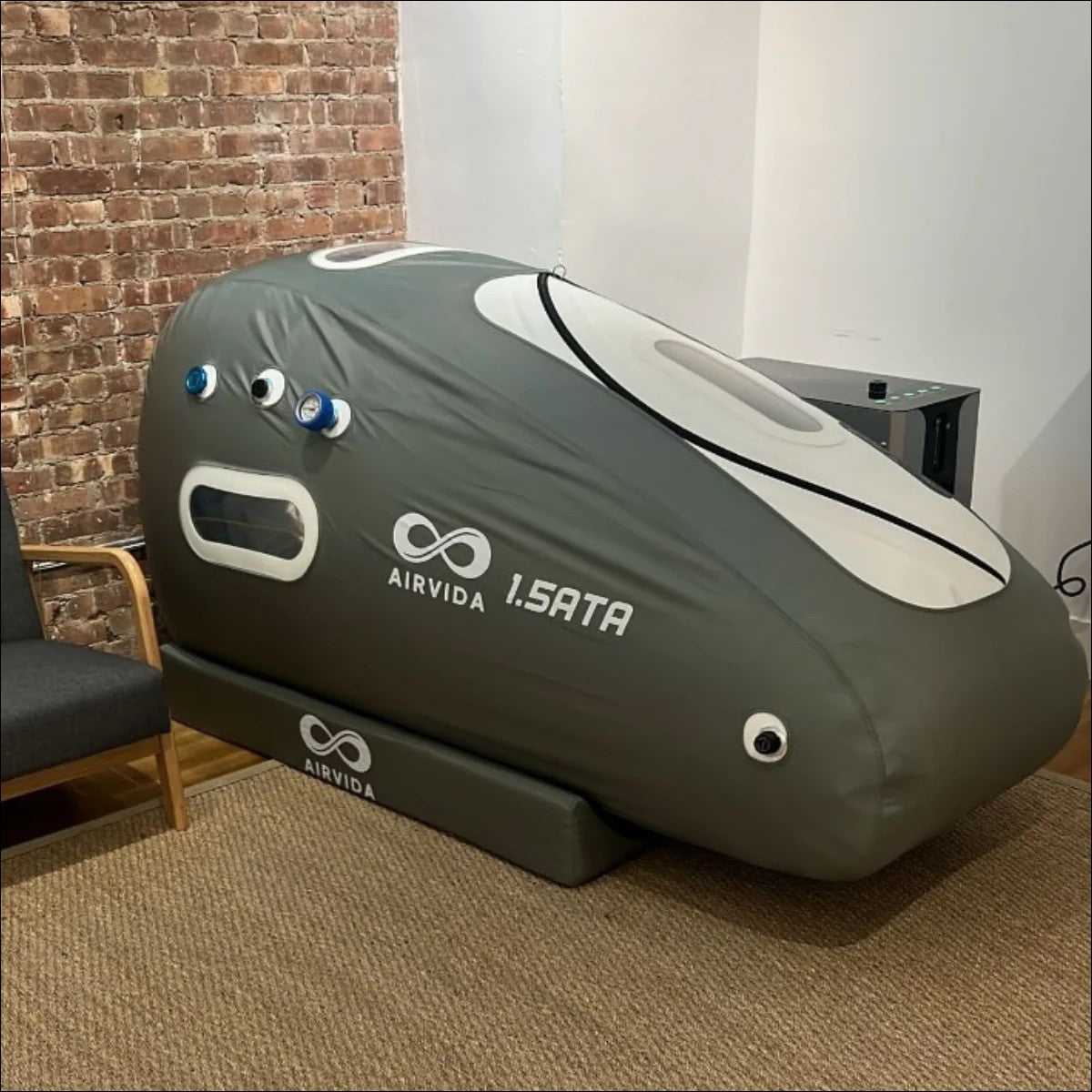
Hyperbaric Collections You May Want to Shop

Comparing HBOT's Documented Effects Across Key Autoimmune Conditions
The table below summarizes what peer-reviewed research has found for each major condition studied:
|
Condition |
Key Finding |
Source |
|
Fibromyalgia (FMS) |
Pain relief rate 87.5–100% |
PMC12756175, 2025 |
|
Autoimmune skin ulcers |
Efficacy rate 87.5–100% |
PMC12756175, 2025 |
|
Inflammatory bowel disease |
Reduced IL-1, IL-6, TNF-alpha; attenuated intestinal inflammation |
PMC10858389, 2024 |
|
Autoimmune encephalomyelitis |
Reduced IL-17a, GM-CSF; increased IL-10 in CNS lesions |
PMC8391387, 2021 |
|
Systemic lupus erythematosus |
Increased Treg, reduced Th17 in AMN cases with HBOT added to immunosuppression |
PMC12756175, 2025 |
|
NMOSD |
Reduced peripheral inflammatory markers vs. standard treatment alone |
PMC12647099, 2025 |
|
Autoimmune myocarditis |
Preclinical translational evidence supporting immune modulation |
PMC12921730, 2026 |
|
ME/CFS |
Improved clinical symptoms and functional capacity in preliminary study |
medRxiv preprint, 2025 |
The key point is that HBOT's documented benefits are real but vary by condition, and the strength of evidence differs substantially across diagnoses.
What Are the Limitations of the Current Evidence Base?
The current evidence base for HBOT in autoimmune disease has notable gaps, most significantly the limited number of large, prospective, randomized controlled trials with immune tolerance restoration as a primary outcome. A 2025 NIH-indexed narrative review explicitly noted that high-level evidence to support firm conclusions is lacking across several key autoimmune indications.
Most existing studies have additional methodological limitations worth understanding:
-
Small sample sizes that limit statistical power
-
Retrospective rather than prospective designs in many cohort studies
-
Limited measurement time points that prevent rigorous time-series analysis of causal pathways
-
Heterogeneity in HBOT protocols, including variation in pressure levels, session duration, and total treatment courses
-
Difficulty separating HBOT effects from concurrent conventional therapies in combination treatment designs
These limitations do not invalidate the existing evidence. They indicate that HBOT for autoimmune conditions is a genuinely promising area where early and intermediate research supports continued investigation. The bottom line is that you should discuss HBOT with a qualified clinician who can weigh the current evidence against your specific diagnosis and treatment history.
How Can You Access Hyperbaric Therapy in the United States?

Hyperbaric chambers are available through clinical facilities and direct acquisition models across the United States, giving you several pathways depending on your treatment goals, location, and budget. Clinical settings allow supervised sessions with trained staff, while personal or facility-owned chambers offer convenience and long-term cost efficiency for regular users.
Geographic access continues to expand. If you are located in the Pacific Northwest, a hyperbaric chamber in Tacoma may be the most convenient clinical option. Those in the South can explore a hyperbaric chamber in New Orleans for regional access.
If you are in the Southeast or Midwest, options include a hyperbaric chamber in Durham, NC or a hyperbaric chamber in Wichita, KS depending on your location. For those considering long-term personal use, a lease-to-own hyperbaric chamber program can reduce upfront cost while providing consistent access. The key point is that accessible options now exist across multiple U.S. regions and budget levels, making HBOT a practical consideration for ongoing autoimmune support.
Hyperbaric Chambers You May Want to Shop
Explore More


What Should You Discuss With Your Doctor Before Starting HBOT for Autoimmune Disease?
Before starting HBOT for an autoimmune condition, you should discuss your complete medication list, current disease activity, and treatment goals with a qualified physician. HBOT interacts with the immune system in ways that may complement or complicate existing immunosuppressive regimens, so clinical coordination is essential. Your physician can help determine whether the current evidence for your specific condition supports HBOT as an adjunct strategy.
Key questions to raise with your care team include:
-
Is there published evidence supporting HBOT for my specific autoimmune diagnosis?
-
How does HBOT interact with my current immunosuppressive or biologic therapy?
-
What pressure level and session frequency is appropriate for my condition?
-
How will we measure whether HBOT is producing a beneficial response?
-
Are there any contraindications based on my medical history, such as untreated pneumothorax or certain ear or sinus conditions?
Working within a collaborative care model is important because HBOT is currently best understood as adjunctive therapy. It is not a replacement for disease-modifying treatments that have strong controlled trial evidence behind them. The bottom line is that HBOT is most effective when integrated into a comprehensive autoimmune management plan under medical supervision.
What Does the Bottom Line Look Like for HBOT and Autoimmune Disease?

Hyperbaric oxygen therapy offers a biologically grounded set of benefits for autoimmune conditions, including cytokine suppression, Treg/Th17 rebalancing, and improved oxygen delivery to inflamed tissues. The strongest evidence currently supports its use as adjunctive therapy for fibromyalgia, autoimmune skin ulcers, inflammatory bowel disease, and autoimmune encephalomyelitis, with emerging data across lupus, NMOSD, and cardiac autoimmune disease.
The research is still maturing. Randomized controlled trials with immune tolerance as a primary endpoint remain scarce, and existing studies often involve small samples or retrospective designs. However, the mechanistic evidence is consistent, the safety profile in supervised settings is well-established for approved indications, and the breadth of conditions showing positive signals makes HBOT a topic worth serious consideration in autoimmune care planning.
The bottom line: hyperbaric chamber benefits for autoimmune conditions are supported by a growing body of peer-reviewed evidence showing immune modulation, inflammation reduction, and improved tissue oxygenation, making it a clinically meaningful adjunct to conventional autoimmune treatment.
Frequently Asked Questions
What is the best treatment for autoimmune disease?
No single best treatment exists for autoimmune disease because the optimal approach depends on the specific diagnosis, organ involvement, and disease severity. Most rheumatologists and immunologists recommend a combination of disease-modifying therapies, lifestyle interventions, and in some cases adjunctive treatments such as HBOT, tailored to the individual patient's clinical picture.
Does a hyperbaric oxygen chamber help with inflammation?
Yes, hyperbaric oxygen chambers reduce inflammation by suppressing pro-inflammatory cytokines including IL-1, IL-6, and TNF-alpha while promoting anti-inflammatory signals. A 2024 NIH-indexed review confirmed this dual anti-inflammatory effect, particularly in the context of inflammatory bowel disease. This mechanism is relevant across multiple autoimmune and chronic inflammatory conditions.
How to treat autoimmune disease holistically?
A holistic approach to autoimmune disease typically combines conventional medical therapy with dietary modification, stress reduction, sleep optimization, physical activity, and adjunctive therapies such as HBOT. Peer-reviewed evidence increasingly supports integrating these strategies alongside disease-modifying treatments rather than replacing them. Working with a multidisciplinary team that includes a rheumatologist and an integrative medicine practitioner provides the most comprehensive framework.
What is the biggest hope for curing autoimmune disease in humans?
Immune tolerance restoration remains the most promising long-term direction in autoimmune disease research, with emerging interest in regulatory T-cell therapies, antigen-specific desensitization, and therapies that selectively suppress autoreactive immune responses without global immunosuppression. HBOT's documented effect on peripheral immune tolerance aligns with this direction, though it is currently studied as a support tool rather than a curative intervention. This area remains an active field of investigation.
Can autoimmune problems be cured?
Most autoimmune conditions cannot currently be cured, but many can be controlled to the point of sustained remission with appropriate treatment. Some patients achieve long-term remission with disease-modifying therapies, and emerging research into immune tolerance restoration offers hope for more durable outcomes in the future. HBOT and other adjunctive therapies can support symptom control and immune modulation within a broader management strategy.