


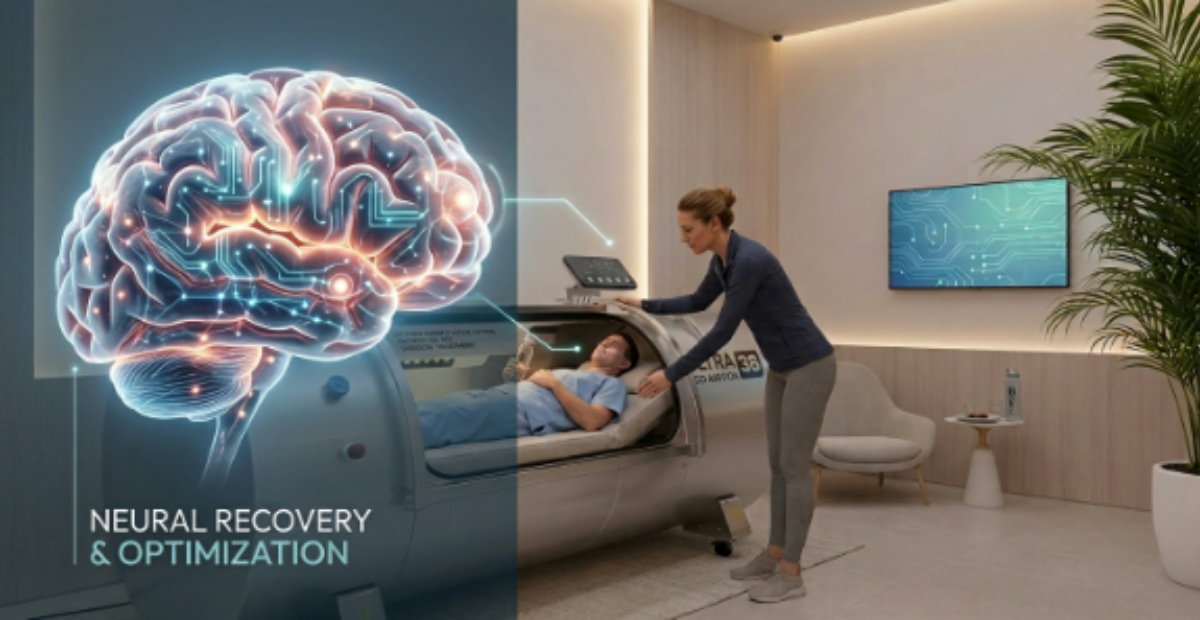
Hyperbaric oxygen therapy (HBOT) benefits the brain by delivering high-concentration oxygen at increased atmospheric pressure, which saturates plasma and tissues far beyond what normal breathing allows. This surge in dissolved oxygen supports neurological repair, reduces brain inflammation, promotes the growth of new blood vessels, and may improve cognitive performance, memory, and mental clarity. These effects are supported by a growing body of peer-reviewed research across multiple neurological conditions.
Key Takeaways
-
Hyperbaric oxygen therapy increases brain oxygen levels by delivering pure oxygen at elevated pressure, allowing it to dissolve directly into plasma and reach oxygen-deprived tissue.
-
HBOT has been shown to stimulate neuroplasticity, the brain's ability to form and reorganize neural connections, which supports recovery from injury and age-related decline.
-
Reduced neuroinflammation is one of the most consistently reported effects of HBOT in studies on traumatic brain injury and post-COVID cognitive symptoms.
-
Angiogenesis, or the growth of new blood vessels, is triggered by HBOT and helps restore circulation to areas of the brain with compromised blood flow.
-
Brain fog, memory difficulties, and concentration problems have all been investigated as potential targets for HBOT intervention in clinical settings.
-
HBOT is not a one-size-fits-all treatment, and the number of sessions, pressure level, and individual health factors all influence outcomes.
How Does a Hyperbaric Chamber Deliver Oxygen to the Brain?
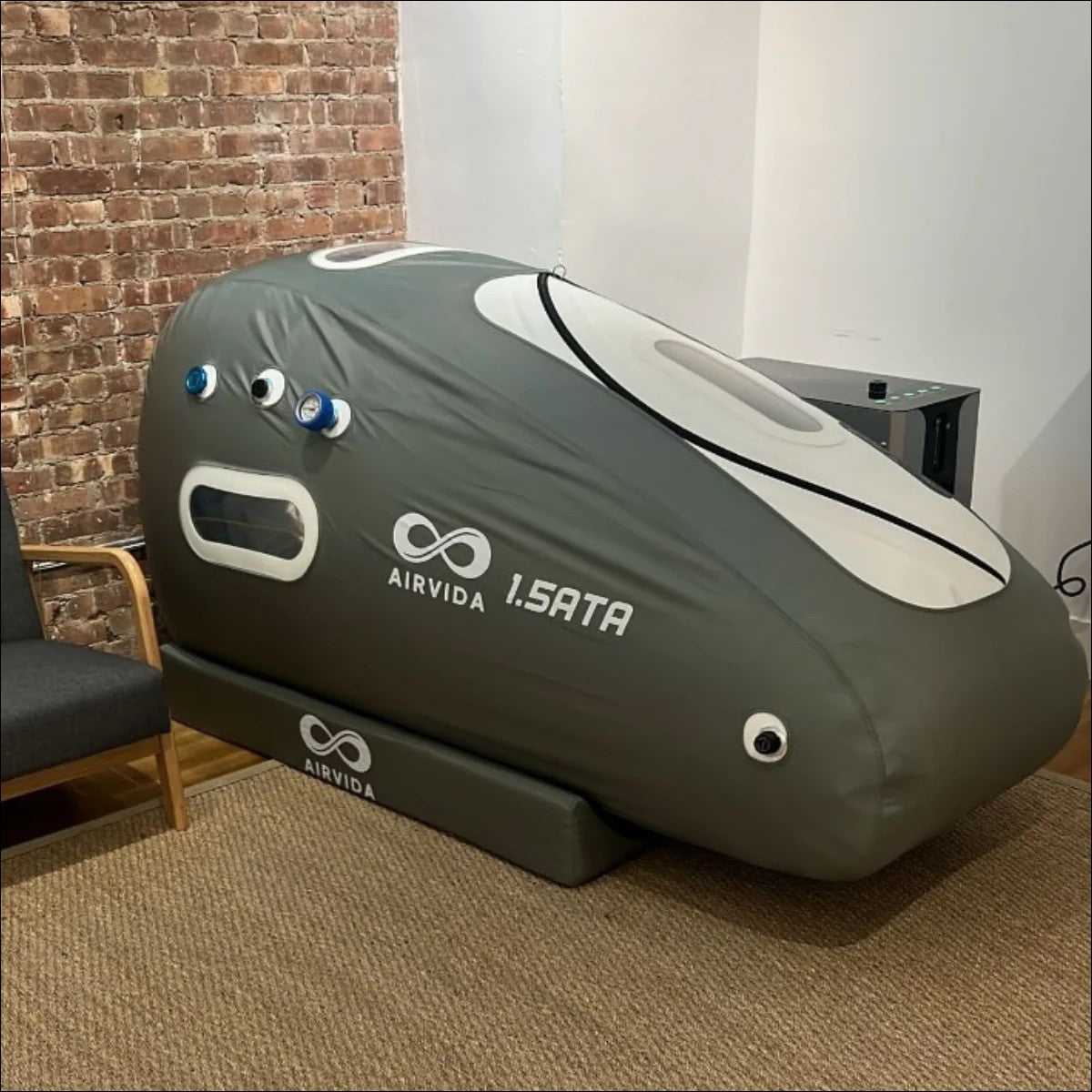
A hyperbaric chamber is a sealed, pressurized enclosure in which you breathe concentrated oxygen at atmospheric pressures typically ranging from 1.5 to 3.0 atmospheres absolute (ATA). At this elevated pressure, oxygen dissolves directly into blood plasma rather than binding only to hemoglobin, which is the standard transport mechanism under normal conditions. This dissolved oxygen can penetrate tissues, cerebrospinal fluid, and areas of the brain that have restricted blood flow.
Under normal atmospheric conditions, red blood cells carry the vast majority of oxygen throughout the body. When pressure increases inside the chamber, Henry's Law of physics applies: more gas dissolves into liquid at higher pressures. This means your plasma, lymph fluid, and cerebrospinal fluid all become oxygen-rich, reaching areas that compromised circulation cannot reliably supply.
The brain is among the most oxygen-dependent organs in the body, consuming roughly 20% of total oxygen intake despite representing only about 2% of body weight. Even short periods of reduced oxygen delivery can impair cognition, and chronic low-level oxygen deficiency in specific brain regions is associated with cognitive decline. HBOT addresses this deficit directly. The key point is that pressurized oxygen delivery bypasses the limitations of the hemoglobin system and reaches brain tissue through physical dissolution.
What Does Research Show About HBOT and Brain Recovery?

Clinical research on HBOT and neurological recovery has expanded substantially over the past two decades, with peer-reviewed studies examining its effects on traumatic brain injury, stroke, and post-COVID cognitive symptoms. Studies published in peer-reviewed journals have reported measurable improvements in memory, attention, processing speed, and executive function following structured HBOT protocols. Several of these studies used neuroimaging, including SPECT and MRI, to document changes in brain activity and perfusion.
Research on traumatic brain injury (TBI) has been particularly active. A study published in PLOS ONE examined veterans with chronic TBI symptoms and found that HBOT produced significant improvements in cognitive function and quality of life compared to a control group. Neuroimaging in that study revealed increased cerebral blood flow in regions associated with memory and attention.
Post-COVID cognitive dysfunction, commonly called "long COVID brain fog," has become another active research area. A randomized controlled trial published in Nature Communications reported that HBOT significantly improved cognitive performance, pain, fatigue, sleep quality, and psychiatric symptoms in long COVID patients, with neuroimaging confirming increased brain perfusion and neuroplasticity. The key point is that neuroimaging-confirmed changes, not just symptom reports, strengthen the mechanistic case for HBOT as a neurological intervention.
Hyperbaric Chambers You May Want to Shop
Explore More


What Are the Specific Brain Benefits Associated With HBOT?
The brain benefits of hyperbaric oxygen therapy span several biological mechanisms, each of which addresses a distinct aspect of neurological health. Understanding these mechanisms separately helps clarify why HBOT is studied across such a diverse range of neurological conditions.
Key brain-related benefits studied in the research include:
-
Neuroplasticity stimulation: Elevated oxygen levels support the production of brain-derived neurotrophic factor (BDNF) and other growth factors that promote synapse formation and neural reorganization.
-
Angiogenesis: HBOT triggers the growth of new capillaries in oxygen-deprived brain regions, restoring circulatory support to damaged tissue.
-
Mitochondrial function improvement: Oxygen is the terminal electron acceptor in mitochondrial respiration. HBOT enhances mitochondrial efficiency, which directly supports neuronal energy production.
-
Reduction of neuroinflammation: Hyperbaric oxygen has been shown to suppress inflammatory markers including TNF-alpha and interleukin-6 in brain tissue, reducing the chronic low-grade inflammation associated with cognitive decline.
-
Oxidative stress modulation: At appropriate pressure levels, HBOT appears to upregulate antioxidant enzyme systems, creating a net anti-inflammatory environment in the brain.
-
Improved cerebral blood flow: By increasing the oxygen gradient across vessel walls, HBOT can promote vasodilation and circulation in areas of the brain with reduced perfusion.
-
Stem cell mobilization: Research has documented that HBOT increases circulating stem cells and growth factors that contribute to tissue repair, including in neural tissue.
The bottom line is that HBOT's neurological effects are not attributable to a single mechanism but to a cascade of interconnected biological processes triggered by high-pressure oxygen exposure.
Can HBOT Help With Traumatic Brain Injury and Stroke?
Traumatic brain injury (TBI) and stroke represent two of the most extensively studied neurological applications of HBOT, and both involve mechanisms directly addressed by pressurized oxygen therapy. TBI often produces areas of hypoxic but still-viable brain tissue, sometimes called the "ischemic penumbra," where cells are damaged but not yet dead. HBOT targets exactly this zone by restoring oxygen supply before irreversible cell death occurs.
In the context of stroke, timing and chronicity matter. Acute HBOT administration following stroke may limit initial tissue damage by oxygenating penumbra cells. Chronic HBOT administered weeks or months after stroke has also shown promise in reactivating dormant neurons in regions of incomplete injury.
Multiple peer-reviewed trials have reported cognitive and functional gains in chronic stroke survivors treated with HBOT, including improvements in motor function, speech, and memory. These findings suggest the brain retains some capacity for repair long after the initial injury, and that HBOT can activate that latent potential. The key point is that HBOT is studied for both acute and chronic phases of brain injury, with different mechanistic rationales for each.
Does HBOT Improve Cognitive Function in Aging Adults?
Age-related cognitive decline is closely linked to reduced cerebral blood flow, accumulated neuroinflammation, mitochondrial dysfunction, and decreased neuroplasticity, all of which are mechanisms HBOT is proposed to address. A landmark study published in Aging (2020) by Shai Efrati and colleagues found that healthy aging adults who completed 60 sessions of HBOT showed significant improvements in attention, information processing speed, and executive function. The same study documented telomere lengthening and senescent cell clearance, two markers associated with biological aging at the cellular level.
This research introduced the concept that HBOT may not simply treat disease but could potentially slow or partially reverse aspects of brain aging. The study used objective cognitive testing and blood biomarker analysis rather than self-report alone, which strengthens its findings. This remains an area of ongoing investigation, and larger replication studies are underway.
If you are exploring local access to HBOT services, options are available in multiple regions, including hyperbaric chamber New Orleans, hyperbaric chamber Tacoma, and hyperbaric chamber Durham NC. The bottom line is that HBOT is one of very few interventions shown in controlled trials to produce measurable improvements in cognitive metrics alongside biological aging markers.
Hyperbaric Collections You May Want to Shop

How Does HBOT Compare to Other Brain Health Interventions?
|
Intervention |
Primary Mechanism |
Neuroimaging Evidence |
Targets Inflammation |
Promotes Angiogenesis |
|
Hyperbaric Oxygen Therapy |
Dissolved oxygen delivery, neuroplasticity |
Yes (SPECT, MRI) |
Yes |
Yes |
|
Aerobic Exercise |
Increased cerebral blood flow |
Yes |
Moderate |
Yes |
|
Cognitive Training |
Synaptic strengthening |
Limited |
No |
No |
|
Omega-3 Supplementation |
Anti-inflammatory lipid signaling |
Limited |
Yes |
No |
|
Mindfulness/Meditation |
Stress reduction, cortical thickness |
Limited |
Moderate |
No |
Aerobic exercise is among the most evidence-supported lifestyle interventions for brain health, primarily because it increases cerebral blood flow and stimulates BDNF production, mechanisms it shares with HBOT. The two interventions are not mutually exclusive and may be synergistic when combined within a structured protocol. Cognitive training builds specific neural pathways but does not address the vascular and inflammatory underpinnings of cognitive decline in the same systemic way that HBOT does.
HBOT is distinguished from most other brain health interventions by its ability to simultaneously address multiple biological targets: oxygenation, inflammation, circulation, mitochondrial function, and neuroplasticity. Other interventions typically target one or two of these domains. The key point is that HBOT's multi-mechanism profile makes it a distinct option, not a replacement for lifestyle fundamentals, but a complementary intervention with a different biological reach.
What Should You Know Before Starting HBOT for Brain Health?

Before beginning an HBOT protocol for brain health, you should consult with a qualified physician who can evaluate your specific neurological history, current medications, and baseline health status. Certain conditions, including untreated pneumothorax, some types of lung disease, and specific medication combinations, require careful medical screening before hyperbaric exposure. A thorough intake process is a standard component of responsible HBOT practice.
Key questions to discuss with your provider include:
-
What pressure level (ATA) is appropriate for your condition?
-
How many sessions are recommended, and at what frequency?
-
What cognitive or symptom metrics will be tracked to assess response?
-
Are there any contraindications based on your current health status?
The structure of your HBOT protocol matters significantly. Research protocols for cognitive outcomes typically involve 40 to 60 sessions, administered five days per week, at pressures between 1.5 and 2.0 ATA. Casual or sporadic use without a defined protocol is less likely to produce the sustained biological changes documented in clinical trials.
If you are located in Kansas and exploring access to structured HBOT services, hyperbaric chamber Wichita KS may be a resource worth reviewing. You may also be interested in how HBOT intersects with other health goals, such as the research on HBOT and fertility. The bottom line is that protocol design and medical supervision are as important as the therapy itself in determining whether you see meaningful neurological outcomes.
Is Hyperbaric Oxygen Good for Your Brain? What the Evidence Says
The evidence supporting HBOT as a beneficial intervention for brain health is more robust than for many wellness-oriented therapies, because it includes randomized controlled trials, neuroimaging data, and biomarker analysis rather than relying solely on subjective reports. The biological mechanisms are well-characterized: dissolved oxygen delivery, angiogenesis, neuroplasticity, and neuroinflammation reduction are all documented responses to hyperbaric exposure in peer-reviewed literature. The clinical question is not whether these mechanisms exist but how to best apply them for individual neurological goals.
Conclusion: Are Hyperbaric Chamber Benefits for the Brain Worth Exploring?

Hyperbaric oxygen therapy offers a scientifically grounded set of mechanisms for supporting brain health, including improved oxygen delivery to hypoxic tissue, reduction of neuroinflammation, stimulation of neuroplasticity, and promotion of new blood vessel growth. The research base spans traumatic brain injury, stroke recovery, post-COVID cognitive symptoms, and healthy aging, making it one of the more versatile neurological interventions currently under active investigation.
If you are dealing with cognitive symptoms, recovering from a neurological event, or seeking evidence-informed approaches to brain longevity, HBOT is a topic worth discussing with a knowledgeable medical provider. Protocol specifics, access to appropriately equipped facilities, and medical screening are all essential components of responsible use.
The bottom line: Hyperbaric oxygen therapy benefits the brain through multiple simultaneous biological mechanisms, and peer-reviewed research supports its investigation as a serious neurological intervention for a range of conditions involving cognitive impairment, inflammation, and compromised cerebral circulation.
Frequently Asked Questions
Is hyperbaric oxygen good for your brain?
Hyperbaric oxygen is beneficial for the brain by increasing dissolved oxygen in plasma, which reaches oxygen-deprived tissue, reduces neuroinflammation, and stimulates the growth of new blood vessels. Peer-reviewed studies using neuroimaging have confirmed increased cerebral blood flow and improved cognitive performance following structured HBOT protocols in populations including TBI patients, stroke survivors, and healthy aging adults.
Does HBOT make you look younger?
HBOT has been shown in at least one peer-reviewed study to lengthen telomeres and reduce senescent cell burden, which are biological markers associated with cellular aging. These changes were documented in healthy aging adults after 60 HBOT sessions, but whether they translate to visible changes in appearance is not established by current clinical evidence.
What is the miracle of hyperbaric oxygen therapy?
The most remarkable aspect of HBOT is its ability to simultaneously address multiple mechanisms of neurological damage, including hypoxia, inflammation, reduced circulation, and impaired neuroplasticity, in a single non-pharmacological intervention. No single drug or supplement currently matches that multi-target biological profile in controlled trial settings.
What's the best exercise to get oxygen to your brain?
Aerobic exercise, particularly sustained cardiovascular activity like brisk walking, cycling, or swimming, is the most evidence-supported form of exercise for increasing cerebral blood flow and oxygen delivery to the brain. Aerobic exercise also stimulates BDNF, a key neuroplasticity factor, making it a strong complement to HBOT rather than a substitute.
Does hyperbaric chamber help brain fog?
Hyperbaric oxygen therapy has shown measurable improvements in brain fog symptoms in clinical trials, most notably in long COVID patients where a randomized controlled trial published in Nature Communications reported significant cognitive gains alongside neuroimaging-confirmed increases in brain perfusion. Brain fog related to other causes, including TBI and chronic fatigue, is also an active area of HBOT research.