


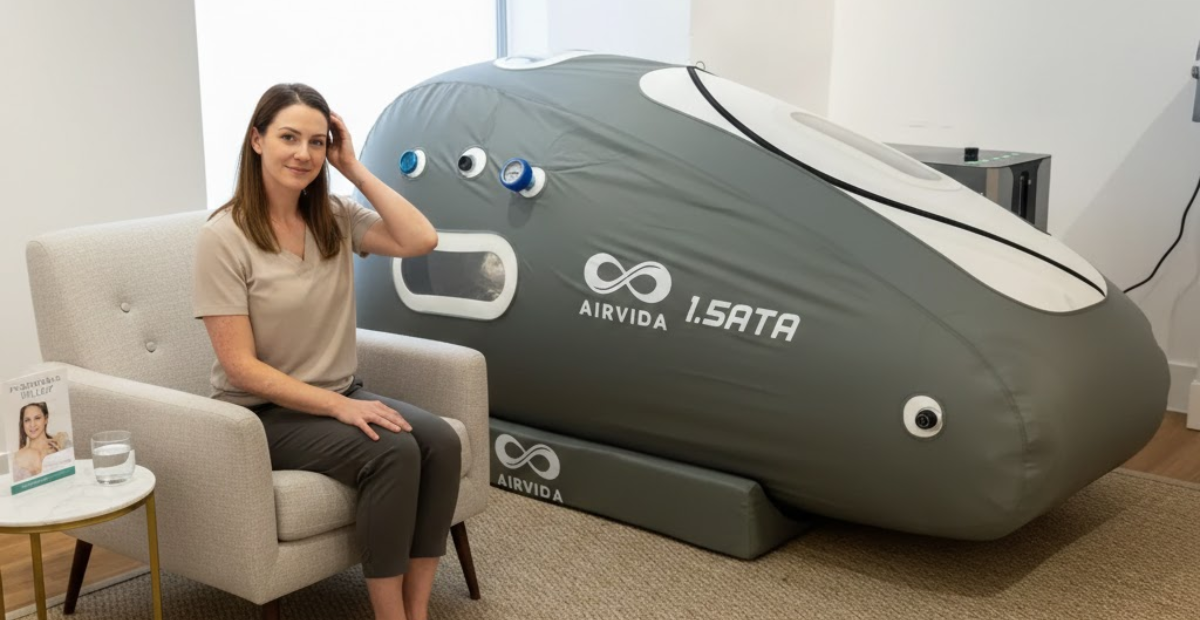
A hyperbaric chamber for psoriasis delivers concentrated oxygen in a pressurized environment, which may help reduce inflammation and support the body's natural healing process. This therapy works by increasing oxygen levels in your blood, potentially helping to calm overactive immune responses that trigger psoriasis flare-ups.
Psoriasis affects millions of people worldwide, causing red, scaly patches that can be painful and frustrating to manage. While traditional treatments help many patients, some seek additional options that work alongside their current care plan.
In this guide, we'll explore how hyperbaric oxygen therapy (HBOT) works for psoriasis, what the research shows, and whether this treatment option might fit into your wellness routine.
Discover oxygen therapy solutions tailored for home use. Explore our portable soft hyperbaric oxygen chambers designed for comfort and convenience.
What Is Psoriasis and How Does It Affect Your Skin

Psoriasis is an autoimmune condition where your immune system mistakenly attacks healthy skin cells. This causes skin cells to multiply much faster than normal, building up on the surface and creating thick, scaly patches.
These patches, called plaques, typically appear on the elbows, knees, scalp, and lower back. They can be itchy, painful, and sometimes crack and bleed. The condition goes through cycles of flare-ups and periods of improvement.
Your immune system plays the central role in psoriasis development. T-cells, which normally protect against infections, become overactive and attack healthy skin cells by mistake.
This immune response triggers inflammation throughout the body. The inflammation signals skin cells to grow rapidly, completing their life cycle in just days instead of weeks.
The result is a buildup of immature skin cells on the surface. These cells don't shed properly, creating the thick, scaly patches characteristic of psoriasis.
Inflammation also causes the redness and swelling around affected areas. This chronic inflammatory state affects not just your skin but can impact your overall health and increase risk for other conditions.
Common Symptoms and Types of Psoriasis
Psoriasis symptoms vary depending on the type, but most people experience raised, red patches covered with silvery scales. These areas often feel dry, cracked, and sore.
The condition can cause significant discomfort. Many people report burning, itching, or stinging sensations in affected areas. Nails may become thickened, pitted, or ridged.
Different types of psoriasis present unique symptoms:
-
Plaque psoriasis: Most common type, appearing as raised red patches with white buildup
-
Guttate psoriasis: Small, drop-shaped spots often triggered by bacterial infections
-
Inverse psoriasis: Smooth, red patches in skin folds like armpits and groin
-
Pustular psoriasis: White blisters surrounded by red skin
-
Erythrodermic psoriasis: Widespread redness and scaling covering large body areas
How Hyperbaric Oxygen Therapy Works
Hyperbaric oxygen therapy involves breathing pure oxygen in a pressurized chamber. The increased pressure allows your lungs to absorb much more oxygen than normal breathing at regular atmospheric pressure.
This extra oxygen dissolves into your blood plasma, reaching tissues throughout your body. The higher oxygen concentration supports cellular repair, reduces inflammation, and helps your immune system function more effectively.
The Science Behind HBOT and Inflammation
Hyperbaric oxygen therapy (HBOT) helps reduce inflammation through several proven biological processes. Increased oxygen levels help regulate cytokines, which are key drivers of inflammatory and autoimmune responses.
HBOT also supports mitochondrial function, allowing cells to produce energy more efficiently and manage inflammation better. Research shows that HBOT can lower oxidative stress, helping calm an overactive immune system often seen in autoimmune conditions like psoriasis. In addition, the pressurized oxygen environment stimulates new blood vessel formation, improving circulation.
Better blood flow enhances nutrient delivery to damaged tissues and speeds up the removal of inflammatory waste, supporting overall tissue repair and recovery.
Oxygen Delivery to Skin Tissue

Healthy skin depends on a steady supply of oxygen to repair and renew itself. Psoriasis often disrupts circulation, limiting oxygen delivery to affected areas. HBOT dramatically increases oxygen levels in the bloodstream beyond what normal breathing can achieve.
This oxygen-rich blood reaches areas with poor circulation, supporting skin healing from the inside out. Improved oxygen availability helps skin cells function more normally, supporting balanced cell growth and repair.
By improving oxygen delivery at the tissue level, HBOT may help reduce abnormal skin cell turnover associated with psoriasis and promote healthier-looking skin over time.
Enhanced oxygen delivery also supports collagen production and tissue repair. This can help strengthen the skin barrier, which is often compromised in people with psoriasis.
Learn more about the therapeutic applications of oxygen therapy. Read our guide on hyperbaric chamber treatment and its various health benefits.
Hyperbaric Chamber for Psoriasis: Research and Evidence
Studies on using a hyperbaric chamber for psoriasis show promising results, though research is still developing. Early findings suggest HBOT may help reduce inflammation and support skin healing in some patients.
A 2018 study found that hyperbaric oxygen therapy helped decrease psoriasis severity scores in participants. Patients reported improvements in skin appearance, reduced scaling, and less redness after completing treatment protocols.
Other research indicates HBOT may work by modulating the immune response. Since psoriasis stems from immune system dysfunction, this mechanism could explain why some patients experience symptom relief.
Clinical Studies and Patient Outcomes
Multiple case studies document positive outcomes when using HBOT for psoriasis management. One notable study tracked patients receiving 20-30 sessions over several weeks.
Participants showed measurable improvements in:
-
Skin lesion size and severity
-
Itching and discomfort levels
-
Overall quality of life scores
-
Reduced need for topical medications
However, not all patients respond equally to treatment. Individual results vary based on psoriasis severity, type, and overall health status.
Most studies use specific protocols: sessions lasting 60-90 minutes at 1.3 to 2.0 ATA pressure, repeated multiple times per week. Consistency appears important for seeing results.
Comparing HBOT With Traditional Psoriasis Treatments
Traditional psoriasis treatments include topical creams, light therapy, oral medications, and biologics. Each approach has benefits and limitations.
Here's how HBOT compares to conventional options:
|
Treatment Type |
How It Works |
Time to See Results |
Potential Benefits |
|
HBOT |
Increases oxygen to tissues, reduces inflammation |
4-8 weeks with consistent sessions |
Non-invasive, supports overall healing, no medications |
|
Topical Steroids |
Reduces inflammation directly on skin |
1-2 weeks |
Quick relief for mild cases, easy to apply |
|
Light Therapy (UVB) |
Slows skin cell growth |
2-4 weeks |
Effective for moderate cases, widely available |
|
Biologics |
Targets specific immune system proteins |
12-16 weeks |
Highly effective for severe cases, long-lasting |
HBOT stands out as a non-pharmaceutical option that addresses systemic inflammation. It can be used alongside traditional treatments, potentially enhancing their effectiveness.
Unlike medications that may cause side effects, HBOT primarily works by supporting your body's natural healing mechanisms. This makes it appealing for people seeking complementary approaches.
Hyperbaric Chambers You May Want to Shop
Explore More


Benefits of Using Hyperbaric Chamber for Psoriasis
Using a hyperbaric chamber for psoriasis offers several potential advantages beyond just treating skin symptoms. The therapy addresses underlying factors that contribute to the condition.
Many patients report improvements in their overall wellbeing during HBOT treatment. This goes beyond visible skin changes to include energy levels and general comfort.
Reducing Inflammation and Immune Response
HBOT helps manage psoriasis by reducing inflammation and calming an overactive immune system. Increased oxygen levels help regulate T-lymphocytes, the immune cells that drive psoriasis flare-ups.
HBOT also lowers pro-inflammatory molecules in the bloodstream, which may reduce redness, swelling, and irritation. These visible improvements reflect healthier immune regulation at the cellular level.
Supporting Skin Healing and Regeneration
HBOT boosts oxygen delivery to damaged skin, supporting normal cell function and repair. Improved circulation helps deliver nutrients, remove waste, and promote new blood vessel growth. This supports faster healing, balanced skin cell growth, and healthier skin regeneration over time.
The therapy helps strengthen your skin barrier function. A healthier barrier protects against triggers that can worsen psoriasis symptoms.
Some patients experience:
-
Faster clearing of psoriatic plaques
-
Reduced scaling and flaking
-
Improved skin texture and appearance
-
Less frequent flare-ups over time
Ready to explore oxygen therapy at home? Check out our portable sitting hyperbaric chamber for convenient daily sessions.
What to Expect During Hyperbaric Oxygen Therapy
Starting HBOT treatment involves several steps. Understanding the process helps you prepare and know what to expect during your sessions.
Most treatment protocols for psoriasis involve multiple sessions scheduled over weeks or months. Consistency matters for seeing the best results.
Session Duration and Treatment Frequency
A typical HBOT session lasts between 60 and 90 minutes. During this time, you'll breathe pure oxygen inside a pressurized chamber.
Treatment frequency varies based on your specific needs and the protocol your healthcare provider recommends. Common schedules include:
-
3-5 sessions per week for active treatment phases
-
1-2 sessions per week for maintenance
-
Total treatment courses ranging from 20-40 sessions
The chamber pressure typically ranges from 1.3 to 2.0 ATA for psoriasis treatment. This is higher than normal atmospheric pressure but comfortable for most people.
You may feel pressure in your ears during compression, similar to airplane takeoff. Simple techniques like yawning or swallowing help equalize pressure.
Hyperbaric Collections You May Want to Shop

Choosing Between Soft Shell and Hard Shell Chambers
Two main types of chambers are available for HBOT treatment. Each offers different benefits depending on your situation and preferences.
Hard shell chambers are typically found in clinical settings. They reach higher pressures and can accommodate multiple people. These chambers are often used for severe cases requiring intensive treatment.
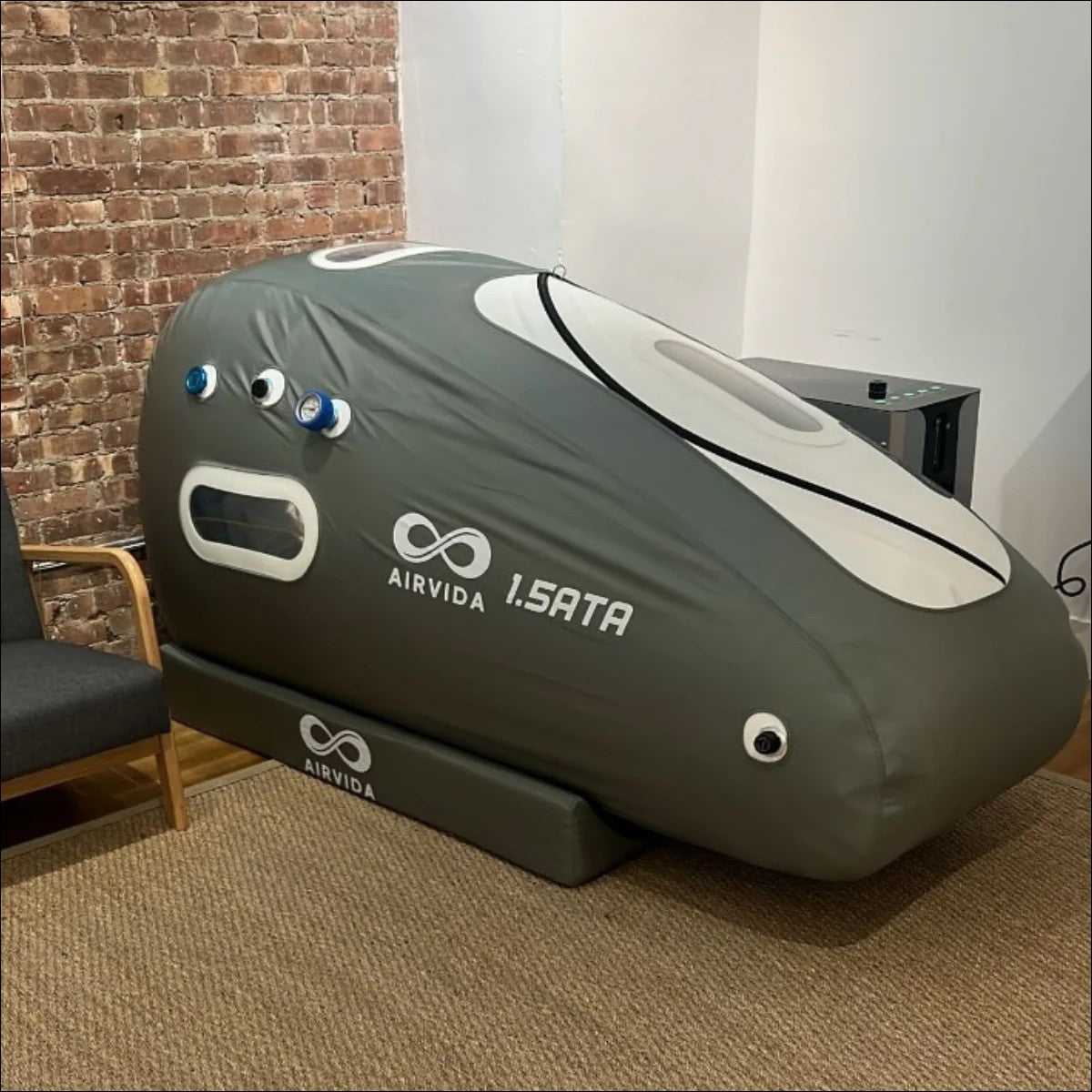
Soft shell chambers offer a more accessible option for home use. They operate at lower pressures (usually 1.3-1.5 ATA) but still provide therapeutic benefits.
For psoriasis management, many patients find success with soft shell chambers. These portable units allow you to maintain consistent treatment schedules at home.
|
Chamber Type |
Pressure Range |
Best For |
Location |
|
Hard Shell |
1.5-3.0 ATA |
Severe cases, intensive protocols |
Clinical facilities |
|
Soft Shell |
1.3-1.5 ATA |
Mild to moderate cases, maintenance |
Home use, clinics |
Prefer a lying position for your sessions? Discover our portable lying hyperbaric chamber designed for maximum comfort during treatment.
Integrating HBOT Into Your Psoriasis Management Plan
HBOT works best as part of a comprehensive approach to managing psoriasis. Combining therapies often produces better results than relying on a single treatment method.
Talk with your dermatologist before starting hyperbaric oxygen therapy. They can help integrate HBOT with your existing treatment plan and monitor your progress.
Combining HBOT With Other Treatments
Most people continue their regular psoriasis medications while adding HBOT. The therapy can complement topical treatments, light therapy, and systemic medications.
Some healthcare providers recommend adjusting medication doses as HBOT reduces inflammation. Always make changes under medical supervision.
Lifestyle modifications enhance HBOT effectiveness:
-
Following an anti-inflammatory diet
-
Managing stress through meditation or yoga
-
Getting adequate sleep
-
Avoiding known psoriasis triggers
-
Staying hydrated
Keep a symptom journal during treatment. Track changes in your skin, energy levels, and overall comfort. This information helps you and your healthcare team assess whether HBOT is working for you.
How Many Sessions Do You Need
The number of HBOT sessions needed varies significantly between individuals. Factors affecting treatment duration include psoriasis severity, how long you've had the condition, and your overall health.
Most protocols start with an initial intensive phase. This typically involves 20-30 sessions over 4-8 weeks. The concentrated approach helps build therapeutic benefits.
After the initial phase, many people transition to maintenance sessions. These less frequent treatments help sustain improvements and prevent flare-ups.
Some patients notice changes within the first 10 sessions. Others require longer before seeing significant results. Patience and consistency are important.
Wondering about optimal treatment duration? Learn more in our article on how many dives do you need in HBOT for various health conditions.
Safety Considerations and Who Should Avoid HBOT
HBOT is generally safe when used properly, but it's not suitable for everyone. Understanding contraindications and potential side effects helps you make informed decisions.
Most people tolerate hyperbaric oxygen therapy well. Serious complications are rare, especially at the lower pressures used in home chambers.
Potential Side Effects and Precautions
The most common side effect is ear or sinus discomfort from pressure changes. This usually resolves with simple equalization techniques.
Other possible side effects include:
-
Temporary vision changes (usually mild and reversible)
-
Fatigue after sessions
-
Lightheadedness
-
Claustrophobia in some chamber designs
People with certain conditions should avoid HBOT or use it only under close medical supervision:
-
Untreated pneumothorax (collapsed lung)
-
Recent ear surgery or injury
-
Severe chronic obstructive pulmonary disease
-
Current upper respiratory infections
-
Certain types of lung disease
Pregnancy requires special consideration. While HBOT has been used safely in pregnant women for specific medical emergencies, consult your doctor before starting treatment.
Medical Conditions That May Affect Treatment
Some health conditions require modifications to standard HBOT protocols. Your healthcare provider needs to know your complete medical history.
Conditions requiring careful evaluation include:
-
Active cancer or recent chemotherapy
-
Seizure disorders
-
Claustrophobia or severe anxiety
-
Recent thoracic surgery
-
Chronic sinusitis
People taking certain medications should discuss timing with their doctor. Some drugs may interact with the high-oxygen environment.
If you have concerns about safety, start with supervision at a clinical facility. Once you understand the process and confirm you tolerate it well, home treatment becomes more feasible.
Wrapping Up: Is Hyperbaric Chamber for Psoriasis Right for You
Using a hyperbaric chamber for psoriasis can be a powerful way to support skin healing and inflammation control at a deeper level. By delivering concentrated oxygen under pressure,
HBOT helps improve circulation, calm immune overactivity, and support faster tissue repair. While it is not a cure, many people use it to complement traditional treatments and improve overall skin comfort and quality of life.
With Airvida Chambers, you can bring consistent, clinic-level oxygen therapy into your home. Regular sessions, combined with medical guidance, give your body the support it needs to heal more effectively. Explore Airvida Chambers today and invest in long-term skin wellness.
If you're considering this approach, discuss it with your dermatologist. They can help determine whether HBOT is suitable for your specific situation and guide you through the process safely.
Want to learn about other applications of oxygen therapy? Explore our guide on hyperbaric chamber for brain fog and discover additional benefits.
Frequently Asked Questions
What is the strongest treatment for psoriasis?
Biologic medications are currently considered the strongest treatment for moderate to severe psoriasis. These drugs target specific parts of the immune system that drive psoriasis. However, "strongest" doesn't always mean "best" for every person. The right treatment depends on your psoriasis type, severity, overall health, and personal preferences. Some patients find success combining multiple approaches, including HBOT, for comprehensive management.
How did I naturally cure my psoriasis?
While psoriasis cannot be permanently cured, many people achieve long-term remission through natural approaches. Common strategies include identifying and avoiding triggers, following an anti-inflammatory diet rich in omega-3 fatty acids, managing stress effectively, getting regular sunlight exposure, and using gentle skin care products. Some people add complementary therapies like HBOT to support their body's healing processes. Results vary significantly between individuals.
What is the biggest trigger for psoriasis?
Stress ranks as one of the most common psoriasis triggers, causing flare-ups in many patients. Other major triggers include skin injuries (cuts, scrapes, or sunburn), infections (especially strep throat), certain medications (beta-blockers, lithium), cold and dry weather, smoking, and alcohol consumption. Triggers are highly individual, so keeping a symptom diary helps identify your specific patterns and avoid personal triggers.
Who should not use hyperbaric oxygen therapy?
People with untreated pneumothorax (collapsed lung) should not use HBOT as pressure changes can worsen the condition. Those with severe chronic obstructive pulmonary disease, recent ear surgery, current respiratory infections, or certain lung diseases should avoid treatment or proceed only with medical supervision. Individuals with severe claustrophobia may struggle with chamber confinement. Always consult a healthcare provider before starting HBOT, especially if you have pre-existing medical conditions.
Can hyperbaric oxygen therapy help autoimmune disease?
HBOT shows promise for various autoimmune conditions by reducing inflammation and modulating immune responses. Research suggests it may help with conditions like rheumatoid arthritis, inflammatory bowel disease, and multiple sclerosis by decreasing inflammatory markers and supporting tissue repair. For psoriasis specifically, an autoimmune condition, HBOT addresses the underlying immune dysfunction rather than just surface symptoms. However, more research is needed to fully understand its role in autoimmune disease management.
Can hyperbaric oxygen therapy be used for skin conditions?
Yes, HBOT has been used successfully for multiple skin conditions beyond psoriasis. It helps treat diabetic wounds, burns, radiation damage to skin, certain infections, and compromised skin grafts. The therapy works by increasing oxygen delivery to damaged tissues, promoting new blood vessel growth, reducing inflammation, and supporting natural healing processes. For inflammatory skin conditions like psoriasis and eczema, HBOT addresses both local and systemic factors contributing to symptoms.
Disclaimer
Airvida and partners advice does not constitute medical advice and is intended for informative and educational purposes only with no medical or non medical claims being made. While research & studies show the potential Hyperbaric Oxygen Therapy (HBOT) and Hyperbaric Air Therapy (HBAT) may have implied benefits, individual results may vary. It is required by Airvida & Partners to consult with doctors before being approved for Hyperbaric Therapy (HBOT & HBAT). Read More HERE