


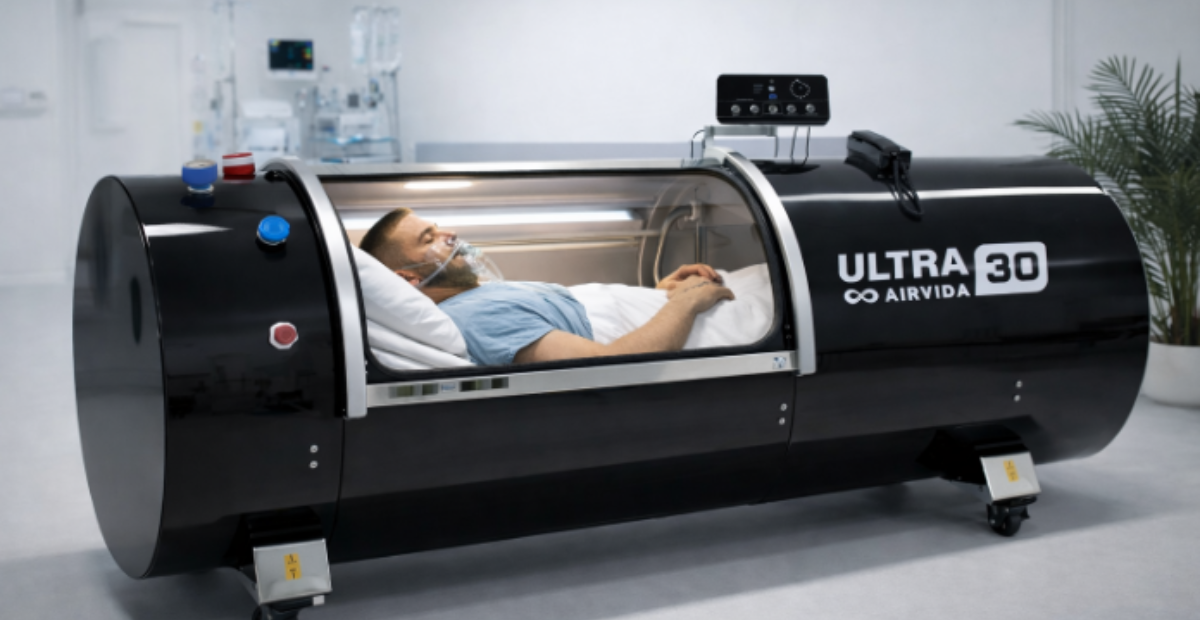
A hyperbaric chamber for smoke inhalation is a medical treatment that delivers 100% oxygen at increased atmospheric pressure to rapidly eliminate carbon monoxide from the bloodstream and repair smoke-damaged tissues. This therapy has become the gold standard for treating smoke inhalation injuries, particularly when carbon monoxide poisoning is involved.
Smoke inhalation injuries affect thousands of people each year, from firefighters to house fire victims. Understanding how hyperbaric oxygen therapy works for these cases can help you make informed decisions about treatment options and recovery strategies.
In this guide, we'll walk through how hyperbaric chambers treat smoke inhalation, which patients benefit most, and what to expect during treatment sessions.
Discover professional-grade options in our hard shell hyperbaric chambers for sale collection designed for clinical and home use.
How Smoke Inhalation Injuries Affect the Body

Smoke inhalation causes damage through three main mechanisms that affect the respiratory system and overall body function. These injuries can range from mild irritation to life-threatening complications that require immediate medical intervention.
The severity depends on factors like exposure duration, smoke composition, and whether the victim was in an enclosed space. Understanding these injury types helps explain why a hyperbaric chamber for smoke inhalation works so effectively.
Types of Smoke Inhalation Damage
Smoke inhalation creates multiple injury patterns that affect different body systems. The three primary categories are thermal burns to airways, chemical irritation from toxic gases, and systemic poisoning from absorbed toxins.
Thermal Injury: Hot smoke and gases burn the upper airways, including the nose, throat, and sometimes the trachea. This damage causes swelling that can block breathing passages within hours of exposure.
Chemical Irritation: Toxic chemicals in smoke irritate and inflame lung tissue. Common irritants include ammonia, chlorine, and various acids that form when synthetic materials burn. This inflammation reduces the lungs' ability to transfer oxygen into the bloodstream.
Carbon Monoxide Poisoning: This colorless, odorless gas binds to hemoglobin in red blood cells much more strongly than oxygen does. Carbon monoxide poisoning starves tissues of oxygen even when breathing seems normal, causing confusion, loss of consciousness, and potentially permanent brain damage.
Why Carbon Monoxide Is So Dangerous

Carbon monoxide (CO) has an affinity for hemoglobin that is 200-250 times stronger than oxygen. When CO molecules attach to hemoglobin, they form carboxyhemoglobin, which cannot carry oxygen to tissues and organs.
Standard oxygen therapy at normal atmospheric pressure can take 4-6 hours to reduce CO levels by half. During this time, vital organs suffer from oxygen deprivation. Brain cells are particularly vulnerable and can sustain permanent damage within minutes of severe CO exposure.
The hyperbaric chamber for smoke inhalation dramatically accelerates CO elimination. At 2.0 ATA (atmospheres absolute), the half-life of carboxyhemoglobin drops to approximately 20-30 minutes, meaning treatment can restore normal oxygen-carrying capacity up to 12 times faster than breathing room air.
Symptoms of carbon monoxide poisoning include headache, dizziness, nausea, confusion, and in severe cases, loss of consciousness. Many victims don't realize they've been poisoned because CO is undetectable without special monitoring equipment.
How Hyperbaric Chambers Treat Smoke Inhalation

Hyperbaric oxygen therapy addresses smoke inhalation injuries through multiple therapeutic mechanisms that work simultaneously to restore normal body function. The treatment uses a sealed chamber to deliver pure oxygen at pressures higher than normal atmospheric pressure.
This approach targets both the immediate crisis of carbon monoxide poisoning and the longer-term healing of damaged respiratory tissues. Understanding these mechanisms shows why the hyperbaric chamber for smoke inhalation has become standard care in many burn and trauma centers.
Oxygen Delivery at High Pressure
Inside a hyperbaric chamber, patients breathe 100% oxygen while the chamber pressure increases to 1.5-3.0 times normal atmospheric pressure. This combination produces oxygen concentrations in body tissues that are impossible to achieve any other way.
The high-pressure oxygen rapidly displaces carbon monoxide from hemoglobin. What normally takes 4-6 hours at sea level breathing room air can happen in 20-30 minutes inside a hyperbaric chamber. This speed is critical because every minute of CO poisoning increases the risk of permanent neurological damage.
Hard shell chambers can reach therapeutic pressures of 2.0 ATA or higher, which are necessary for treating severe smoke inhalation cases. Consider the Airvida Ultra 1.5-2.0 ATA hard shell lying hyperbaric chamber for facilities treating these critical cases.
Reducing Inflammation and Tissue Damage
Beyond carbon monoxide removal, hyperbaric oxygen therapy reduces inflammation in smoke-damaged airways and lungs. The high oxygen levels help control swelling that threatens to block breathing passages.
The therapy also promotes faster healing of burned and chemically damaged tissues. High oxygen levels stimulate growth of new blood vessels, increase production of growth factors, and enhance the body's natural repair mechanisms.
For patients who need ongoing treatment, the advanced sitting-position hard shell hyperbaric chamber provides comfortable access for multiple sessions during recovery.
Treatment Protocol for Smoke Inhalation
Medical teams follow established protocols when using a hyperbaric chamber for smoke inhalation to ensure safe and effective treatment. These protocols vary slightly based on injury severity, patient condition, and available equipment.
The standard approach involves immediate assessment, rapid treatment initiation, and careful monitoring throughout therapy sessions. Following proper protocols maximizes treatment benefits while minimizing risks.
Initial Assessment and Treatment Timing
Emergency responders check carbon monoxide levels immediately when smoke inhalation is suspected. A carboxyhemoglobin level above 25% typically indicates the need for hyperbaric treatment, though some patients benefit from therapy at lower levels if they show neurological symptoms.
Before entering the chamber, medical staff evaluate airway stability, breathing adequacy, and overall condition. Patients with severe burns or breathing difficulties may need breathing tube placement before treatment starts.
Pre-Treatment Checklist:
-
Measure carboxyhemoglobin levels
-
Assess neurological function
-
Check for other injuries or burns
-
Secure airway if needed
-
Remove petroleum-based products from skin
-
Establish IV access for medications
Standard Treatment Sessions

A typical hyperbaric chamber for smoke inhalation session lasts 90-120 minutes. The chamber pressure increases gradually to the target level (usually 2.0-3.0 ATA for CO poisoning), remains at that pressure for the majority of the session, then slowly decreases back to normal.
Patients breathe 100% oxygen throughout the session. In multi-place chambers, patients may wear oxygen masks. In single-person chambers, the entire space fills with pure oxygen.
Most smoke inhalation cases require 1-3 treatment sessions, though severe cases or those with complications may need additional sessions over several days. The medical team monitors CO levels between sessions to guide treatment decisions.
|
Treatment Parameter |
Typical Range |
Purpose |
|
Pressure |
2.0-3.0 ATA |
Displace CO, increase oxygen delivery |
|
Duration |
90-120 minutes |
Allow sufficient CO elimination |
|
Number of Sessions |
1-3 (sometimes more) |
Ensure complete CO removal and healing |
|
Oxygen Concentration |
100% |
Maximum therapeutic effect |
Who Benefits Most from Hyperbaric Treatment

Not every smoke inhalation case requires hyperbaric oxygen therapy, but certain patient groups show significantly better outcomes with this treatment. Understanding which cases benefit most helps medical teams make treatment decisions quickly.
The hyperbaric chamber for smoke inhalation is particularly valuable for patients with carbon monoxide poisoning, those showing neurological symptoms, and individuals with pre-existing conditions that increase vulnerability to smoke damage.
Patients with High CO Levels
Anyone with a carboxyhemoglobin level above 25% is generally considered a candidate for hyperbaric treatment. However, treatment decisions also consider symptoms and risk factors beyond just CO levels.
Pregnant women require special consideration because fetal hemoglobin binds CO even more tightly than adult hemoglobin. Even moderate CO exposure in pregnant patients can harm the developing baby, so hyperbaric treatment is often recommended at lower CO levels than for non-pregnant adults.
Children may also benefit from hyperbaric therapy at lower CO thresholds because their developing brains are more vulnerable to oxygen deprivation. Pediatric cases often receive treatment when CO levels exceed 15-20% or when any neurological symptoms appear.
Cases with Neurological Symptoms
Patients showing confusion, memory problems, vision changes, or loss of consciousness need immediate hyperbaric treatment regardless of measured CO levels. These symptoms indicate brain tissue is already suffering from oxygen deprivation.
Some neurological effects from CO poisoning appear days or weeks after exposure, a condition called delayed neurological sequelae. Early hyperbaric treatment reduces the risk of these delayed complications by 46% according to some studies.
High-risk groups include:
-
Loss of consciousness at any point
-
Abnormal mental status or confusion
-
Severe headache or dizziness
-
Vision or hearing problems
-
Chest pain or irregular heartbeat
-
Pregnant women with any CO exposure
-
Children with CO levels above 15%
Contraindications and Precautions
Some medical conditions require special precautions before using a hyperbaric chamber for smoke inhalation. The most serious contraindication is untreated pneumothorax (collapsed lung), which can worsen dangerously during pressure changes.
Patients with recent ear surgery, active upper respiratory infections, or chronic sinus problems may experience severe ear pain during treatment. However, these issues can often be managed with medications or slower pressure changes.
Certain medications increase seizure risk under high oxygen pressure. The medical team reviews all medications before treatment and may adjust doses or delay therapy if necessary.
Learn more about chamber types and their applications in our guide on the crucial differences between hard and soft hyperbaric chambers.
Expected Outcomes and Recovery Timeline
Recovery from smoke inhalation varies widely based on injury severity, treatment timing, and individual patient factors. Hyperbaric chamber for smoke inhalation therapy significantly improves outcomes when administered promptly and appropriately.
Most patients show measurable improvement within hours of treatment, though complete recovery may take weeks or months depending on the extent of lung and tissue damage.
Immediate Treatment Results
Carbon monoxide levels drop rapidly during the first hyperbaric session. Most patients experience relief from headaches, nausea, and confusion as CO clears from their bloodstream. Mental clarity usually returns within the first few hours after treatment.
Oxygen saturation improves immediately, though damaged lung tissue may continue affecting breathing efficiency for several days. Patients often notice easier breathing and reduced chest tightness after just one session.
Not all symptoms resolve immediately. Coughing, throat irritation, and shortness of breath may persist while respiratory tissues heal. These symptoms gradually improve over 1-2 weeks with supportive care.
Long-Term Recovery Expectations
Most patients with mild to moderate smoke inhalation recover completely within 2-4 weeks. Those who receive early hyperbaric treatment have better outcomes and fewer long-term complications.
Severe cases involving significant lung damage may require months of recovery. Some patients need ongoing respiratory therapy, medications, or supplemental oxygen at home during healing.
The risk of delayed neurological problems drops significantly with proper hyperbaric treatment. However, patients should monitor for new symptoms like memory issues, mood changes, or movement problems for several months after exposure.
|
Recovery Milestone |
Typical Timeline |
Signs of Progress |
|
CO Elimination |
During first session |
Headache relief, improved clarity |
|
Acute Symptoms |
1-3 days |
Reduced coughing, easier breathing |
|
Respiratory Function |
1-2 weeks |
Normal oxygen levels, less shortness of breath |
|
Complete Recovery |
2-4 weeks to several months |
Return to normal activities, no lingering symptoms |
Choosing the Right Hyperbaric Chamber
Medical facilities, fire departments, and specialized clinics need reliable equipment for treating smoke inhalation emergencies. The type of chamber affects treatment pressure, patient comfort, and clinical outcomes.
Hard shell chambers offer the high pressures necessary for effective CO poisoning treatment. Understanding chamber specifications helps organizations make informed equipment decisions.
Hyperbaric Collections You May Want to Shop

Hard Shell vs Soft Shell for Smoke Inhalation
Hard shell chambers can reach the 2.0-3.0 ATA pressures required for rapid carbon monoxide elimination. These chambers are constructed from steel or acrylic and can safely withstand the high-pressure environment needed for acute poisoning cases.
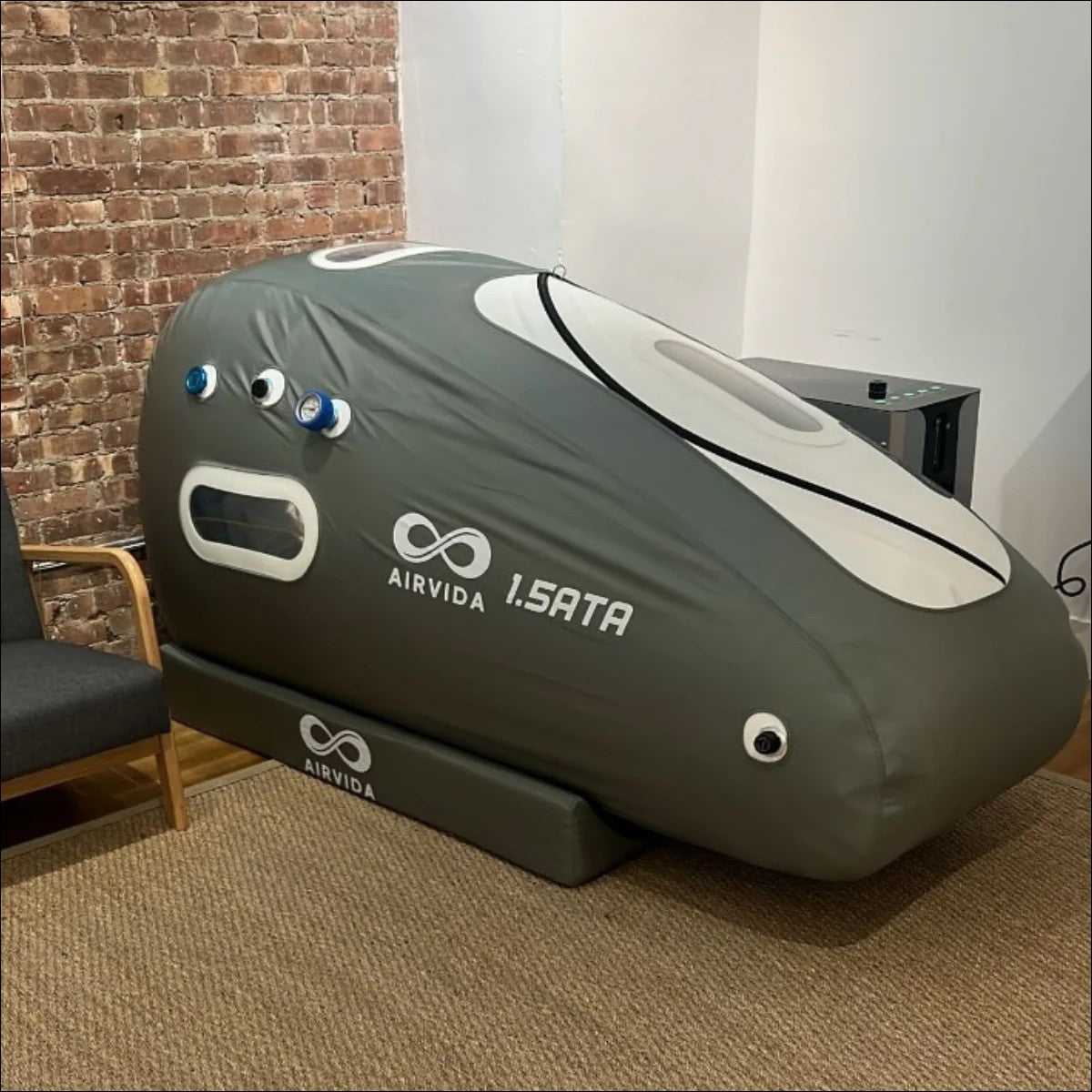
Soft shell chambers typically operate at lower pressures (1.3-1.5 ATA) that may not be sufficient for emergency smoke inhalation treatment. While useful for some recovery applications, they cannot deliver the therapeutic pressures needed to quickly displace CO from hemoglobin.
For smoke inhalation treatment, hard shell chambers are the clear choice. They provide the pressure range, safety features, and monitoring capabilities that emergency cases require.
Compare specifications in our detailed article on hard shell vs soft shell hyperbaric chamber differences.
Chamber Features for Clinical Use
Clinical hyperbaric chambers need specific features for emergency treatment protocols. Multiple viewports allow medical staff to monitor patients continuously during sessions. Communication systems let patients alert staff to problems immediately.
The premium high-pressure sitting HBOT chamber Airvida Elite offers advanced monitoring and safety features suitable for clinical environments treating smoke inhalation cases.
Essential chamber features include:
-
Pressure capability of 2.0 ATA minimum
-
Clear viewing windows for patient monitoring
-
Two-way communication system
-
Emergency pressure release
-
Oxygen monitoring equipment
-
Medical pass-through for IV lines and monitoring cables
Hyperbaric Chambers You May Want to Shop
Explore More


Safety Considerations During Treatment
Using a hyperbaric chamber for smoke inhalation requires strict safety protocols to protect both patients and operators. Proper training, equipment maintenance, and monitoring prevent complications during therapy sessions.
The high-pressure oxygen environment creates specific risks that medical teams must understand and manage. Following established safety guidelines ensures treatments remain safe and effective.
For those new to hyperbaric therapy, our hyperbaric oxygen therapy beginners guide provides comprehensive safety information.
Wrapping Up: Hyperbaric Treatment for Smoke Exposure
A hyperbaric chamber for smoke inhalation can be critical in reducing carbon monoxide poisoning, tissue damage, and long-term neurological risks. By delivering high-concentration oxygen under pressure, hyperbaric therapy helps the body eliminate carbon monoxide faster, restore oxygen to injured tissues, and reduce inflammation caused by smoke exposure.
Airvida Chambers are designed to bring this proven therapy closer to clinics, first responders, and recovery-focused homes. Built for reliability, comfort, and consistent performance, Airvida chambers support timely treatment when every minute matters.
Whether for emergency preparedness or advanced recovery care, investing in an Airvida hyperbaric chamber means having trusted, oxygen-driven protection when it counts most.
Frequently Asked Questions
Understanding common questions about hyperbaric treatment for smoke exposure helps patients and medical teams make informed decisions about this critical therapy.
Is a hyperbaric chamber good for smokers?
Hyperbaric chambers treat acute smoke inhalation injuries from fires, not chronic smoking damage. While HBOT may help some smoking-related conditions like non-healing wounds, it's not a standard treatment for regular tobacco use. The therapy specifically targets carbon monoxide poisoning and acute respiratory injuries from smoke exposure incidents.
What is the best treatment for smoke inhalation?
The best treatment combines supportive respiratory care with hyperbaric oxygen therapy when carbon monoxide poisoning is present. Treatment includes maintaining airway patency, providing supplemental oxygen, monitoring for complications, and using hyperbaric chambers when CO levels exceed 25% or neurological symptoms appear. Early intervention provides the best outcomes.
What is the protocol for smoke inhalation?
Standard protocol involves immediate oxygen administration, CO level testing, airway assessment, and rapid transfer to hyperbaric facilities for appropriate cases. Treatment typically includes 1-3 hyperbaric sessions at 2.0-3.0 ATA for 90-120 minutes each. Medical teams monitor neurological function, respiratory status, and carboxyhemoglobin levels throughout the treatment course.
Who should not use a hyperbaric chamber?
Patients with untreated pneumothorax (collapsed lung) should not undergo hyperbaric treatment until the condition is resolved. Other contraindications include certain chemotherapy medications, severe emphysema with CO2 retention, and uncontrolled high fever. Pregnant patients and children need special consideration but can receive treatment when benefits outweigh risks.
How long should smokers wait to use a hyperbaric chamber and why?
This question likely confuses tobacco smokers with smoke inhalation victims. For fire smoke exposure, treatment should begin immediately without delay. For tobacco smokers seeking HBOT for other conditions, they should abstain from smoking for at least 2-4 hours before treatment since nicotine constricts blood vessels and reduces the therapy's effectiveness. Carbon monoxide from cigarettes also interferes with treatment.
Disclaimer
Airvida and partners advice does not constitute medical advice and is intended for informative and educational purposes only with no medical or non medical claims being made. While research & studies show the potential Hyperbaric Oxygen Therapy (HBOT) and Hyperbaric Air Therapy (HBAT) may have implied benefits, individual results may vary. It is required by Airvida & Partners to consult with doctors before being approved for Hyperbaric Therapy (HBOT & HBAT). Read More HERE