



HBOT vs stem cell treatment is a common comparison among people looking for advanced healing options for chronic pain, neurological conditions, inflammation, and tissue recovery. While both therapies support the body’s natural repair process, they work in very different ways and may be used together depending on the condition being treated.
Hyperbaric oxygen therapy improves oxygen delivery to damaged tissues, while stem cell treatment focuses on regenerating or replacing damaged cells. Understanding the difference can help you choose the right therapy for your recovery goals.
Understanding HBOT and Stem Cell Therapy

Both treatments are considered regenerative therapies, but their mechanisms are completely different. One improves the body’s environment for healing, while the other introduces specialized cells designed to assist tissue repair.
What Is HBOT?
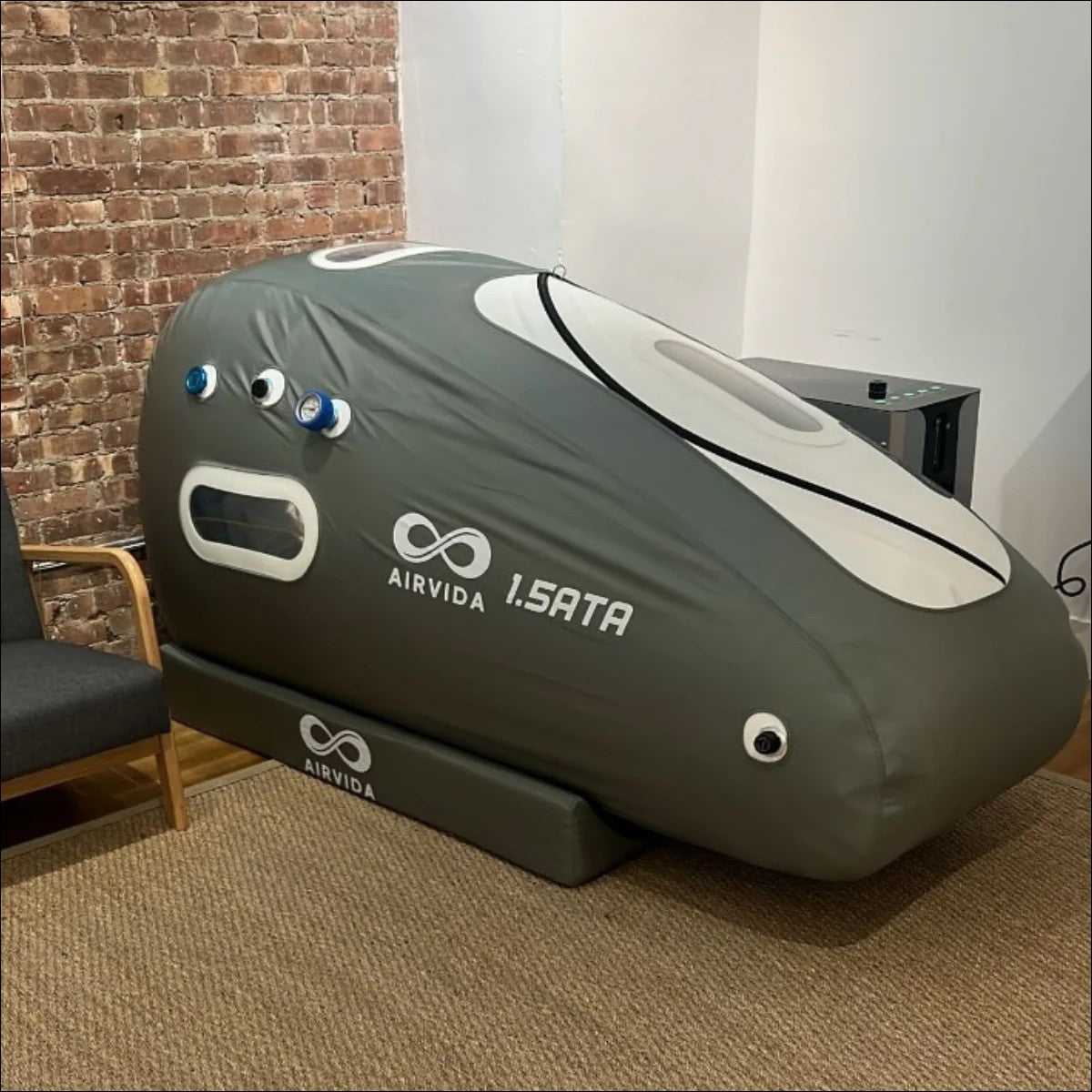
Hyperbaric oxygen therapy, commonly called HBOT, involves breathing pure oxygen inside a pressurized chamber. The increased pressure allows oxygen to dissolve more efficiently into the bloodstream and tissues.
This therapy is widely used to support healing in conditions involving poor oxygen circulation, inflammation, and tissue damage. Many clinics also use it as part of neurological recovery programs and wellness treatments, with some offering specialized HBOT treatment, East Northport NY, to make these benefits more accessible to local patients.
HBOT may help support:
-
Wound healing
-
Brain recovery support
-
Reduced inflammation
-
Improved oxygen circulation
-
Athletic recovery
-
Fatigue reduction
What Is Stem Cell Treatment?
Stem cell therapy uses special cells that can develop into different tissue types inside the body. These cells may help repair damaged tissues or stimulate healing responses.
Stem cells are commonly harvested from:
-
Bone marrow
-
Fat tissue
-
Umbilical cord tissue
The treatment often involves injections into damaged areas such as joints, muscles, or organs.
Stem cell therapy is commonly explored for:
-
Joint injuries
-
Degenerative diseases
-
Cartilage repair
-
Autoimmune conditions
-
Organ damage research
-
Neurological conditions
-
Hyperbaric Collections You May Want to Shop

HBOT vs Stem Cell Treatment: Main Differences
Although both therapies focus on healing, they differ in cost, procedure, invasiveness, and scientific application.
|
Feature |
HBOT |
Stem Cell Treatment |
|
Main Function |
Oxygen delivery and healing support |
Tissue regeneration |
|
Invasiveness |
Non-invasive |
Minimally invasive |
|
Procedure |
Chamber sessions |
Injection-based |
|
Recovery Time |
Usually none |
Mild downtime possible |
|
Cost Range |
Moderate |
Often expensive |
|
FDA Approved Uses |
Several approved conditions |
Limited approved applications |
|
Risk Level |
Generally low |
Varies depending on source and clinic |
One important thing to understand is that HBOT improves the healing environment throughout the body, while stem cell therapy focuses more directly on repairing specific tissues. For individuals seeking localized options, some clinics provide hyperbaric oxygen Bessemer, AL, to make this therapy more accessible for recovery and wellness.
How HBOT Supports Cellular Healing
The body needs oxygen for nearly every repair process. When tissues are inflamed, injured, or oxygen-deprived, healing slows down significantly.
HBOT works by saturating tissues with oxygen under pressure. This process may support:
-
Blood vessel formation
-
Reduced swelling
-
Collagen production
-
Immune system function
-
Cellular energy production
Research has also explored how HBOT may stimulate the body’s own stem cell mobilization. This is one reason the comparison of hbot vs stem cell treatment continues to grow in popularity.
Some neurological recovery discussions also connect HBOT to brain and nervous system support. Related reading includes:
HBOT and Stem Cell Activation
Some studies suggest hyperbaric oxygen exposure may temporarily increase circulating stem cells in the bloodstream. This does not mean HBOT replaces stem cell therapy, but it may help optimize the body’s repair systems naturally.
That distinction is important because many people assume these therapies compete directly when they may actually complement each other.
How Stem Cell Therapy Works in Regeneration

Stem cells are unique because they can transform into specialized cells under certain conditions. Depending on the treatment type, these cells may help repair damaged tissue or reduce inflammation signals.
For example:
-
Joint injections may support cartilage repair
-
Soft tissue injections may improve healing response
-
Experimental therapies may target organ damage
Stem cell treatment often involves:
-
Collecting stem cells
-
Processing the cells
-
Injecting them into target areas
Because the process is more invasive than HBOT, patients may experience soreness or recovery time afterward.
The effectiveness of stem cell therapy can vary based on:
-
Stem cell source
-
Patient age
-
Severity of condition
-
Clinic quality
-
Treatment protocol
-
Hyperbaric Chambers You May Want to Shop
Explore More


Which Conditions May Benefit More From HBOT?
HBOT is frequently chosen for conditions involving oxygen deprivation, inflammation, or slow healing.
Common Uses for HBOT
|
Condition |
Why HBOT May Help |
|
Chronic wounds |
Improves oxygen supply |
|
Concussions |
Supports brain oxygenation |
|
Fatigue |
Enhances cellular energy |
|
Radiation injury |
Supports damaged tissue repair |
|
Inflammation |
May reduce swelling |
|
Neurological support |
Helps oxygen delivery to tissues |
People looking for non-invasive therapies often prefer HBOT because there are no injections or surgical procedures involved.
Athletes also commonly use HBOT for faster recovery between training sessions.
Which Conditions May Benefit More From Stem Cell Therapy?
Stem cell therapy is often explored for structural tissue damage where regeneration is the main goal.
Examples Include:
-
Severe arthritis
-
Tendon injuries
-
Cartilage degeneration
-
Orthopedic injuries
-
Certain autoimmune conditions
Some clinics also investigate stem cell use for liver disease, neurological disorders, and degenerative illnesses, though many of these applications remain under active research.
Stem cell therapy is generally more expensive than HBOT because it involves harvesting, laboratory processing, and specialized procedures.
Can HBOT and Stem Cell Therapy Work Together?

Yes, some clinics combine both therapies.
HBOT may improve oxygen availability around healing tissues, which could potentially support stem cell survival and effectiveness. Better oxygen circulation may create a more favorable environment for tissue repair.
Some regenerative medicine clinics use HBOT:
-
Before stem cell treatment
-
After injections
-
During recovery phases
The goal is to improve cellular function while reducing inflammation and supporting tissue repair.
This combined approach is becoming more common in sports medicine and recovery-focused wellness clinics.
Risks and Safety Considerations
Both treatments should always be performed by qualified professionals.
HBOT Risks
HBOT is generally considered safe, but possible side effects include:
-
Ear pressure discomfort
-
Temporary vision changes
-
Fatigue after sessions
-
Rare oxygen toxicity
Most side effects are mild and temporary.
Stem Cell Therapy Risks
Stem cell therapy carries additional considerations because it involves biological materials and injections.
Possible risks include:
-
Infection
-
Injection site pain
-
Inconsistent results
-
Unregulated clinics
-
Ethical concerns depending on cell source
One major issue in regenerative medicine is the variation between clinics. Not all providers follow the same medical standards.
Cost Comparison: HBOT vs Stem Cell Treatment
Cost is often one of the biggest deciding factors when comparing therapies.
Average HBOT Costs
HBOT sessions may range from:
-
$100 to $400 per session
-
Multiple sessions often required
Average Stem Cell Therapy Costs
Stem cell therapy may range from:
-
$5,000 to $20,000+
-
Depends on condition and treatment type
Insurance coverage varies significantly for both therapies.
HBOT may receive coverage for certain FDA-approved medical conditions, while many stem cell therapies are considered experimental and may not qualify for insurance reimbursement.
How to Decide Between HBOT and Stem Cell Treatment
Choosing between these therapies depends heavily on your condition, goals, and budget.
You may prefer HBOT if you want:
-
Non-invasive treatment
-
Faster recovery support
-
Improved oxygen circulation
-
Lower treatment cost
-
Wellness-focused recovery
You may consider stem cell therapy if you need:
-
Structural tissue repair
-
Joint regeneration support
-
Orthopedic injury treatment
-
Advanced regenerative procedures
The best approach often involves consulting a qualified healthcare provider familiar with both therapies. For those exploring specific applications, resources such as can HBOT treat neurological condition can provide valuable insights into how this therapy may support recovery.
Final Thoughts on HBOT vs Stem Cell Treatment

When comparing hbot vs stem cell treatment, there is no universal winner because both therapies serve different purposes. HBOT focuses on improving oxygen delivery and creating better healing conditions, while stem cell therapy aims to regenerate or repair damaged tissues directly.
For some people, HBOT alone may provide meaningful recovery support. Others may benefit more from stem cell treatment or even a combination of both approaches. The right choice depends on your medical condition, recovery goals, and professional guidance. As regenerative medicine continues evolving, both therapies are likely to play important roles in future healing and recovery strategies.
Frequently Asked Questions
Does HBOT increase stem cells?
Yes, HBOT may help increase circulating stem cells naturally within the body. Some studies suggest that repeated hyperbaric oxygen sessions can stimulate stem cell mobilization from bone marrow into the bloodstream. This happens because increased oxygen levels may trigger repair mechanisms and growth factor activity. However, HBOT does not replace stem cell therapy itself because it does not inject or implant new stem cells directly into damaged tissues.
What's better than stem cell therapy?
There is no single treatment universally better than stem cell therapy because effectiveness depends on the condition being treated. For some people, non-invasive therapies like HBOT, physical rehabilitation, platelet-rich plasma (PRP), or lifestyle interventions may provide safer or more affordable benefits. Stem cell therapy may be more suitable for structural tissue damage, while HBOT may work better for inflammation, oxygen-related healing, and recovery support.
What are two disadvantages of using stem cells?
Two major disadvantages of stem cell therapy are high cost and inconsistent outcomes. Many stem cell procedures can cost thousands of dollars and are not covered by insurance. Another challenge is that results vary widely depending on the clinic, treatment method, and patient condition. Some treatments remain experimental, and not all clinics operate under the same medical standards or regulatory oversight.
Can stem cells cure liver cirrhosis?
Stem cells are not currently considered a proven cure for liver cirrhosis. Some early research suggests stem cell therapy may help improve liver function or reduce inflammation in certain patients, but results are still being studied. Cirrhosis causes permanent scarring of the liver, which can be difficult to reverse completely. Stem cell treatments for liver disease are generally considered experimental and should only be explored with qualified medical specialists.