


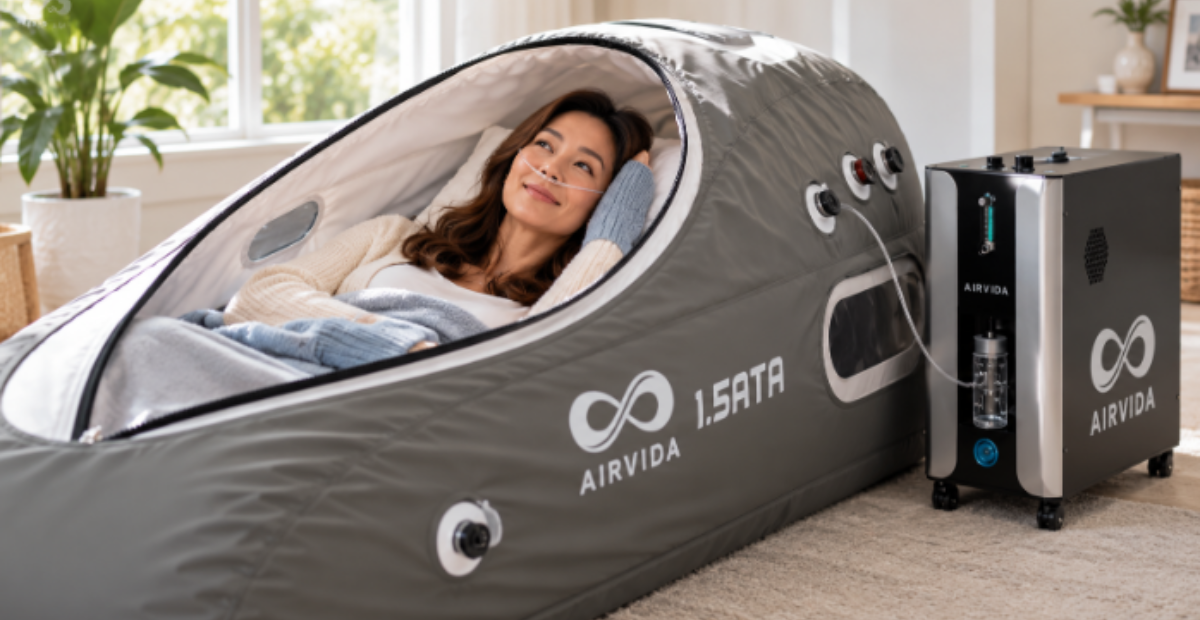
A hyperbaric chamber for CRPS may help lower pain, swelling, and stiffness by delivering extra oxygen to inflamed, oxygen-starved tissue under pressure. The strongest evidence comes from clinical hyperbaric oxygen therapy (HBOT) at 2.4 ATA, while mild home chambers work best as ongoing support alongside a doctor-led CRPS treatment plan.
Complex regional pain syndrome (CRPS) usually starts after an injury, fracture, or surgery. Then the pain grows far beyond what the original injury should cause. A light touch can burn, and the skin can change color, temperature, and texture. For many people, standard treatments only bring partial relief.
That is why more patients and pain specialists are looking at HBOT. In this guide, we'll explain why oxygen therapy is used for CRPS, how it works in the body, what the research actually shows, and which chamber option fits your situation best.
Quick Insights 💡:
-
HBOT raises oxygen levels in the blood plasma, which can reach swollen, poorly circulated tissue.
-
A 2004 randomized controlled trial found HBOT reduced pain and swelling and improved wrist movement in CRPS patients.
-
Clinical chambers (2.0 ATA and up) have the most research behind them.
-
Soft and hard-shell home chambers offer convenient, lower-pressure sessions for long-term support.
-
HBOT works best as part of a full treatment plan, not as a replacement for physical therapy or medical care.
Why Is Hyperbaric Oxygen Therapy Used for CRPS?
HBOT is used for CRPS because the condition creates a cycle of inflammation, swelling, and poor blood flow that leaves tissue short on oxygen. Breaking that cycle can ease pain and help the limb work again.
What Is CRPS?
CRPS is a chronic pain condition that most often affects an arm, hand, leg, or foot. Doctors diagnose it using the Budapest Criteria, which look at pain level, sensory changes, swelling, skin color, sweating, and movement problems.
There are two main types:

-
CRPS Type I: Develops without a confirmed nerve injury. It was once called reflex sympathetic dystrophy (RSD).
-
CRPS Type II: Develops after a confirmed nerve injury. It was once called causalgia.
Both types share the same core symptoms, including burning pain, sensitivity to light touch (allodynia), swelling, stiffness, and changes in skin and nail growth.
Why Oxygen Matters in CRPS
In the early stages, the affected limb often becomes warm, red, and swollen. Inflammatory chemicals build up, and swelling presses on small blood vessels. Less blood flow means less oxygen reaches the tissue, and low oxygen triggers even more inflammation and pain signals.
Over time, the nervous system can become oversensitized. This is called central sensitization, and it helps explain why CRPS pain often spreads or worsens.
What the Research Shows
The most cited study is a 2004 randomized controlled trial by Kiralp and colleagues in the Journal of International Medical Research. Seventy-one patients with CRPS of the wrist received either 15 daily HBOT sessions at 2.4 ATA or a control treatment. The HBOT group had significantly less pain and swelling and better wrist range of motion.
A 2013 Cochrane overview of CRPS treatments rated the overall evidence for HBOT as low quality, mostly because large trials are still missing. The results are encouraging, but honest expectations matter when you plan your care.
How Does HBOT Work for CRPS and Which Setup Is Best?

Inside a hyperbaric chamber, the air pressure rises above normal sea-level pressure. This lets your lungs absorb more oxygen, which dissolves directly into your blood plasma. Plasma can reach areas where swollen or narrowed vessels block red blood cells.
This is the same pressure principle behind using a hyperbaric chamber for the bends, where pressure shrinks gas bubbles and pushes oxygen into injured tissue. For CRPS the goal is different, but oxygen delivery works the same way.
1. Reduces Swelling
Higher oxygen levels cause mild narrowing of blood vessels while still delivering more oxygen overall. This helps fluid move out of swollen tissue.
💡 What this means for you: Less swelling can ease pressure on nerves and make movement and therapy less painful.
2. Calms Inflammation
HBOT has been shown to lower inflammatory markers and support the body's antioxidant defenses. This is also why many people explore hyperbaric chamber benefits for autoimmune conditions, where chronic inflammation drives symptoms.
💡 What this means for you: Calmer inflammation may mean fewer flares and less burning pain.
3. Improves Circulation
Repeated sessions encourage the growth of new small blood vessels (angiogenesis) in poorly supplied tissue.
💡 What this means for you: Better circulation can help with cold, discolored, or slow-healing skin in the affected limb.
4. Supports Nerve and Tissue Repair
Oxygen fuels cell repair and may support healthier nerve function. Research in this area is still early and mostly based on animal studies.
💡 What this means for you: HBOT may support recovery, but it should be paired with physical and occupational therapy to retrain the limb.
Which Setup Is Best?
For new, severe, or fast-changing CRPS, a clinical hard chamber at 2.0 ATA or higher matches the research most closely. For long-term management after the acute phase, a home chamber offers consistent, lower-pressure sessions without the travel.
Hyperbaric Collections You May Want to Shop

Which Hyperbaric Chamber Option Is Best for CRPS?
The best option depends on your symptoms, your doctor's guidance, your budget, and how often you need sessions. Here's how the main choices compare when picking a hyperbaric chamber for CRPS:
|
Chamber Type |
Typical Pressure |
Oxygen Source |
Best For |
Considerations |
|
Clinical hard chamber |
2.0 to 3.0 ATA |
100% medical oxygen |
Acute or severe CRPS, research-matched protocols |
Prescription, clinic visits, higher cost |
|
Hard-shell home chamber |
1.3 to 2.0 ATA (model dependent) |
Oxygen concentrator |
Long-term frequent use |
Larger footprint, higher upfront cost |
|
Soft portable chamber |
1.3 to 1.5 ATA |
Oxygen concentrator |
Ongoing support, travel, smaller spaces |
Lower pressure, lighter build |
|
Rental chamber |
1.3 to 1.5 ATA |
Oxygen concentrator |
Testing HBOT before buying |
Monthly fees add up over time |
1. Clinical Hyperbaric Chambers
Hospital and clinic chambers deliver 100% oxygen at 2.0 ATA or higher. This is the setting used in the Kiralp trial, so it's the most evidence-based route.
Best for: People in the early, inflammatory stage of CRPS or those whose doctors want a set protocol of 15 to 40 sessions.
2. Hard-Shell Home Chambers
Hard-shell models reach higher mild pressures and feel more spacious, which helps if you struggle with tight spaces.
Best for: People who plan to use HBOT several times a week for months as part of long-term pain management.
3. Soft Portable Chambers
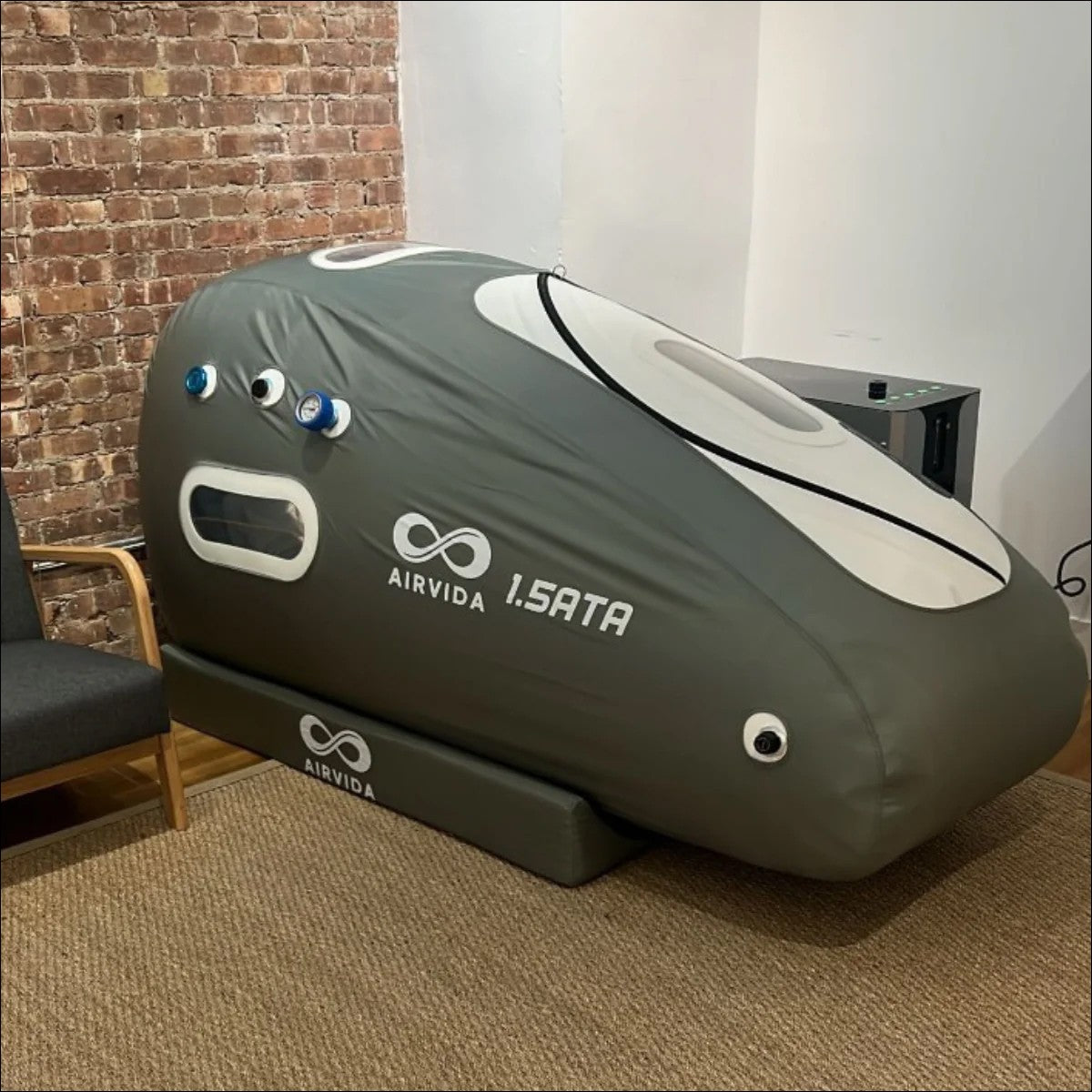
Soft hyperbaric chambers inflate to around 1.3 ATA and pair with an oxygen concentrator. They're lighter, easier to set up, and quieter than many people expect.
A portable hyperbaric chamber is also a practical choice if you travel or have limited room at home.
Best for: Daily, relaxing sessions that support circulation and recovery between therapy appointments.
4. Hyperbaric Chamber Rentals
If you're not sure how your body will respond, a hyperbaric chamber rental lets you try home HBOT for a few months before committing to a purchase.
Best for: First-time users who want to track their response with their care team first.
HBOT vs Other CRPS Treatments

HBOT is not a standalone cure. It works best alongside the treatments recommended in current CRPS guidelines, including the 5th edition practical guidelines published in Pain Medicine in 2022.
|
Treatment |
How It Helps |
Evidence or Guidance |
Role in CRPS Care |
|
Physical and occupational therapy |
Restores movement, desensitizes skin |
Guideline first-line |
Core of every plan |
|
Graded motor imagery and mirror therapy |
Retrains how the brain processes pain |
Moderate |
Early and ongoing |
|
Medications (NSAIDs, gabapentinoids, bisphosphonates, short steroid courses) |
Reduces pain, inflammation, and bone changes |
Varies by drug |
Symptom control |
|
Sympathetic nerve blocks |
Temporarily interrupts pain signals |
Mixed |
Helps patients tolerate therapy |
|
Spinal cord or DRG stimulation |
Blocks pain signals in stubborn cases |
Moderate for long-term CRPS |
Refractory cases |
|
Hyperbaric oxygen therapy |
Reduces swelling, improves oxygen delivery |
Low to moderate, promising |
Add-on support |
People with other chronic pain conditions often follow a similar combined approach, which is why many readers researching HBOT for CRPS also look into using a hyperbaric chamber for back pain.
Hyperbaric Chambers You May Want to Shop
Explore More


Is HBOT Safe for People With CRPS?
HBOT is generally well tolerated. The most common side effect is ear pressure, similar to flying. Less common effects include sinus discomfort, temporary vision changes after many sessions, fatigue, and, rarely, oxygen toxicity at high clinical pressures.
People with CRPS should also plan for comfort:
-
Wear loose, soft clothing that won't rub sensitive skin.
-
Bring a light blanket if temperature changes trigger pain.
-
Start with shorter sessions and build up slowly.
-
Tell your doctor if sessions seem to trigger flares.
Keep in mind that the FDA has not cleared mild home chambers specifically for CRPS. Soft chambers are cleared for acute mountain sickness, so always use HBOT for CRPS under medical guidance.
How to Get Started With HBOT for CRPS

-
Talk to your pain specialist. Share your diagnosis, current treatments, and goals.
-
Rule out contraindications. Your doctor will check your lungs, ears, sinuses, and medications.
-
Choose your setting. Decide between clinic sessions, a home chamber, or a rental.
-
Follow a consistent schedule. Most protocols use daily or near-daily sessions of 60 to 90 minutes.
-
Track your symptoms. Log pain scores, swelling, skin color, and range of motion each week for your care team.
Final Word on Using a Hyperbaric Chamber for CRPS
CRPS can feel relentless, but you have more options than you might think. HBOT offers a research-supported way to reduce swelling, calm inflammation, and deliver more oxygen to tissue that needs it. The best results come when it's paired with physical therapy, medical care, and steady daily habits.
Whether you start with clinic sessions, try a rental, or invest in your own chamber, choose equipment you can trust. At Airvida Chambers, we pride ourselves on offering the highest quality of hyperbaric chambers on the market, backed by only working with the most reliable partners in the industry. We ship worldwide, so you can build consistent oxygen therapy into your recovery from home.
Frequently Asked Questions About HBOT and CRPS
How much does one session in a hyperbaric chamber cost?
Prices vary by setting. Wellness centers offering mild HBOT often charge around $100 to $250 per session, while hospital-based clinical HBOT can cost several hundred dollars or more per session before insurance. Since CRPS protocols often call for 20 or more sessions, many people compare clinic costs with renting or owning a home chamber.
Who cannot use a hyperbaric chamber?
People with an untreated collapsed lung (pneumothorax) should not use HBOT. Extra caution is needed with certain chemotherapy drugs, severe COPD, recent ear or sinus surgery, active colds, uncontrolled seizures, high fever, pregnancy, and severe claustrophobia. A doctor should screen you before your first session.
Will insurance pay for a hyperbaric chamber?
Most plans, including Medicare, only cover HBOT for approved conditions like diabetic foot ulcers, carbon monoxide poisoning, and radiation injury. CRPS is not on that list, so sessions are usually self-pay. Home chambers are rarely covered, though some people use HSA or FSA funds with a doctor's letter. Check with your provider.
Does hyperbaric oxygen therapy help with nerve pain?
It may. HBOT reduces swelling and inflammation around nerves and improves oxygen delivery, which can ease burning and throbbing pain for some people. Results vary by condition and person. In CRPS, the Kiralp trial showed meaningful pain reduction, but larger studies are still needed.
What is the most successful treatment for CRPS?
No single treatment works for everyone. The most successful approach is early, multidisciplinary care that combines physical and occupational therapy, pain medication, psychological support, and targeted procedures when needed. Starting treatment within the first months of symptoms gives the best chance of improvement.
Can a hyperbaric chamber heal nerve damage?
HBOT can support the healing environment around nerves by improving oxygen supply and lowering inflammation. Animal studies suggest it may aid nerve regeneration, but human evidence is limited. Think of it as a tool that supports recovery rather than a guaranteed fix for damaged nerves.
How do you calm down a CRPS flare?
Start by removing the trigger if you know it, such as cold, tight clothing, or overuse. Gentle movement, elevating the limb, slow breathing, mirror therapy, and keeping a steady room temperature can help. Take medications as prescribed, and call your doctor if a flare brings new swelling, color changes, or spreading pain.
Does CRPS ever fully go away?
It can. Many people diagnosed and treated early see major improvement or remission within the first year. Others live with symptoms for years, and CRPS can return after a new injury. Early, consistent treatment gives you the best odds of lasting relief.