


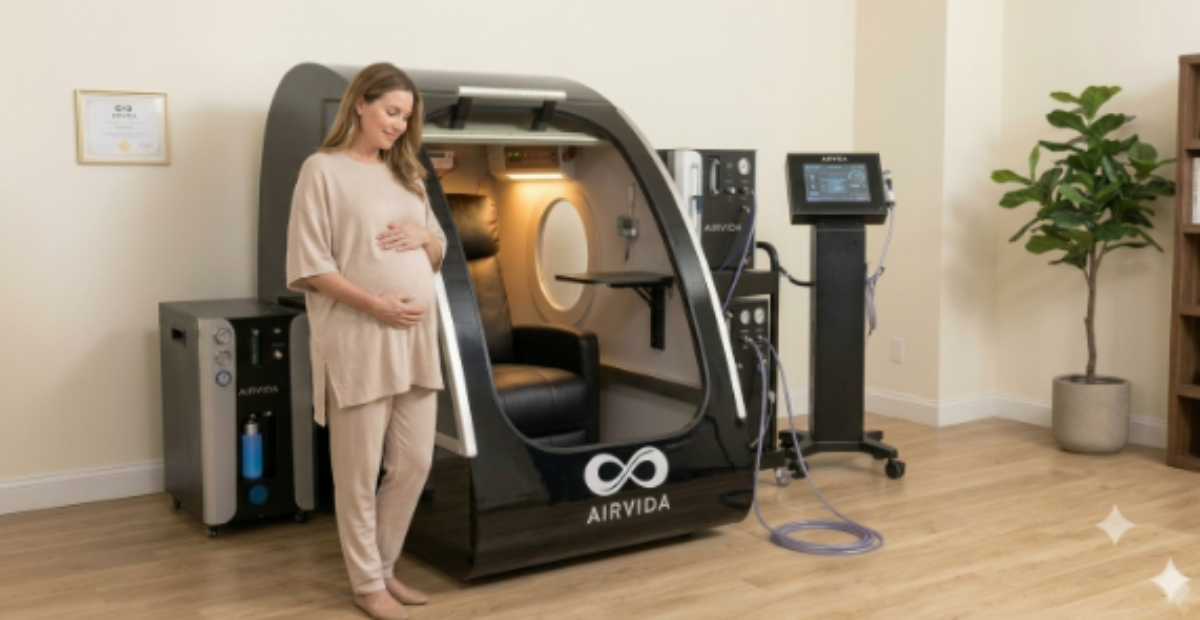
Hyperbaric oxygen therapy (HBOT) is an emerging adjunctive treatment for both male and female infertility, supported by a growing body of peer-reviewed research. Clinical studies show that breathing 100% oxygen at increased atmospheric pressure can improve sperm parameters, increase oocyte yield, enhance embryo quality, and support endometrial development in patients with poor response to conventional treatment. HBOT is not a standalone fertility cure, but current evidence positions it as a meaningful add-on to standard protocols.
Key Takeaways
-
Hyperbaric oxygen therapy significantly improved sperm survival, density, morphology, motility, and clinical pregnancy rates in a 2025 systematic review and meta-analysis published in Medical Gas Research.
-
A pre-post cohort study of 41 women with poor ovarian response found that 4 to 7 HBOT sessions combined with controlled ovarian stimulation increased oocyte number, fertilization rate, and available embryo count.
-
HBOT has shown promise for thin endometrium cases, where standard hormonal therapies have failed to achieve the minimum lining thickness required for embryo transfer.
-
Animal model research published in Reproductive Sciences found that HBOT reduced follicular apoptosis and improved oocyte maturation, fertilization, and blastocyst formation in aged female mice.
-
The World Health Organization estimates that 1 in 6 people globally will experience fertility problems, and male factor infertility accounts for up to 50% of cases.
-
HBOT is not appropriate for everyone, and contraindications including certain lung conditions, pregnancy complications, and recent ear surgery require evaluation before starting treatment.
What Is Hyperbaric Oxygen Therapy and How Does It Work for Fertility?
Hyperbaric oxygen therapy is a medical treatment in which you breathe 100% pure oxygen inside a pressurized chamber at levels above normal atmospheric pressure, typically between 2.0 and 2.4 atmospheres absolute (ATA). This process forces significantly more oxygen into your blood plasma, tissues, and organs than normal breathing allows. The result is a systemic increase in tissue oxygen tension that triggers several biological repair mechanisms.
For fertility specifically, the proposed mechanisms center on two key effects. First, elevated oxygen delivery supports cellular energy production in oxygen-sensitive reproductive tissues, including the ovaries, follicles, and endometrium. Second, HBOT increases concentrations of vascular endothelial growth factor (VEGF), which stimulates the formation of new blood vessels in poorly perfused or hypoxic tissue.
Poor blood flow to reproductive organs is a common underlying factor in unexplained infertility, poor ovarian response, and thin endometrium. By addressing tissue-level hypoxia, HBOT targets a physiological root cause rather than just managing surface symptoms. The key point is that HBOT's fertility applications are mechanistically grounded in oxygen-driven angiogenesis and cellular repair, not just generalized wellness claims.
What Does the Research Say About HBOT and Female Fertility?

Poor ovarian response (POR) is a condition in which a woman's ovaries produce fewer eggs than expected during controlled ovarian stimulation, representing one of the most difficult challenges in assisted reproduction. A pre-post cohort study published on PMC (PMC12621376) enrolled 41 women aged 20 to 45 diagnosed with POR and measured their outcomes before and after adding HBOT to their stimulation protocols.
The study found statistically significant improvements across multiple metrics after HBOT. Oocyte count, the follicle output rate (FORT), the follicle-to-oocyte index (FOI), two-pronuclear (2PN) embryo numbers, and the overall available embryo rate all increased meaningfully. Treatment was delivered at 2.0 ATA with a 120-minute session duration. Importantly, the study identified a nonlinear relationship between the number of sessions and oocyte yield, with 4 to 7 sessions appearing to represent the optimal range.
An earlier pilot study published in Fertility and Sterility examined 10 women undergoing IVF who were classified as poor prognosis candidates, defined as age 40 or older, or age 35 to 40 with a previously canceled IVF cycle. HBOT sessions ran for 2 hours daily at 2.4 ATA, Monday through Friday. The researchers confirmed that the therapy increased both tissue oxygen tension and VEGF concentrations, which are prerequisites for improved follicular blood supply. The bottom line is that peer-reviewed evidence supports HBOT as a plausible and investigated adjunct for women who have not responded well to conventional ovarian stimulation.
Can HBOT Help With Thin Endometrium?
Thin endometrium is a condition defined by an endometrial lining below 7 mm at the time of embryo transfer, which substantially reduces the probability of successful implantation and is one of the leading causes of canceled frozen embryo transfer (FET) cycles. A 2023 prospective cohort study published in Reproductive Biology and Endocrinology and indexed on PubMed (PMC10472734) enrolled patients who had experienced at least one canceled FET cycle due to thin endometrium that failed to respond to standard and adjuvant hormonal therapies.
The study was conducted at Xiangya Hospital, Central South University, and covered the period from October 2021 to December 2022. Researchers evaluated whether HBOT could increase endometrial thickness sufficiently to allow transfer to proceed. The rationale aligns with the known mechanism: hypoxic endometrial tissue with inadequate vascularization is a documented cause of treatment-resistant thin endometrium, and HBOT addresses this directly by promoting angiogenesis and oxygenation.
A 2006 study of 32 women with unexplained infertility treated HBOT at 2.3 ATA for 70-minute sessions over 7 consecutive days starting on day 5 of the menstrual cycle. Researchers used transvaginal color Doppler ultrasound to measure endometrial development and blood flow before and after the protocol. The key point is that for patients with treatment-resistant thin endometrium, HBOT represents an investigated option when standard hormonal protocols have been exhausted.
Hyperbaric Collections You May Want to Shop

How Does HBOT Affect Male Fertility and Sperm Quality?
Male factor infertility is a category of reproductive dysfunction that includes low sperm count (oligospermia), poor motility, abnormal morphology, and in some cases the complete absence of sperm (azoospermia), and it is implicated in up to 50% of all infertility cases worldwide. A 2025 systematic review and meta-analysis published in Medical Gas Research (Volume 15, Number 4) represents the most comprehensive synthesis of evidence to date. Researchers identified nine eligible studies and assessed their quality using the Jadad scale.
The meta-analysis found significant improvements across the following sperm parameters after HBOT:
-
Sperm survival rate
-
Sperm density (concentration)
-
Sperm morphology
-
Normal sperm rate
-
Sperm motility
-
Clinical pregnancy rate
The authors concluded that when combined with conventional treatments, HBOT significantly enhances sperm parameters and functions as an effective adjunctive therapy for male infertility. A recruiting clinical trial registered at ClinicalTrials.gov (NCT05842239), sponsored by Assaf-Harofeh Medical Center, is currently investigating HBOT specifically for men with oligospermia, with estimated completion in December 2030. The bottom line is that male fertility outcomes show consistent, measurable improvement in published HBOT research, making this one of the better-supported applications in reproductive medicine.
What Does Animal Research Reveal About HBOT and Age-Related Fertility Decline?
Age-related fertility decline in females is driven partly by increased follicular apoptosis, reduced oocyte quality, and falling anti-Mullerian hormone (AMH) levels, all of which reflect cumulative oxidative stress and reduced tissue oxygen delivery over time. A study published in Reproductive Sciences (June 2023, Volume 30, Number 6) from Nanjing Medical University's affiliated Changzhou No. 2 People's Hospital used an aged female mouse model to examine whether HBOT could reverse these changes.
Compared with untreated aged mice, the HBOT group showed:
-
Improved serum AMH levels
-
Reduced follicular apoptosis
-
Improved oocyte maturation rates
-
Higher fertilization rates
-
Better blastocyst formation
These findings are directionally consistent with the human cohort data showing improved oocyte yield and embryo quality. Animal models cannot be directly extrapolated to human outcomes, but they provide important mechanistic confirmation that oxygen-driven cellular protection is biologically plausible. The key point is that this research supports the hypothesis that HBOT may slow or partially reverse the reproductive tissue-level effects of aging, though human trials focused specifically on this population remain an area of ongoing investigation.
How Do HBOT Session Protocols Compare Across Fertility Studies?

Treatment protocols for HBOT in fertility research are not yet standardized, and the variation across studies matters when you are evaluating whether a specific clinic's approach matches the evidence base. The table below summarizes confirmed protocols from peer-reviewed sources.
|
Study / Source |
Pressure (ATA) |
Session Duration |
Sessions |
Population |
|
PMC12621376 (2024/2025) |
2.0 ATA |
120 minutes |
4 to 7 (optimal range) |
Women with poor ovarian response |
|
Fertility and Sterility Pilot (2003) |
2.4 ATA |
120 minutes |
Daily Mon-Fri (duration of stimulation) |
IVF poor prognosis women |
|
Unexplained Infertility Study (2006) |
2.3 ATA |
70 minutes |
7 consecutive days (from cycle day 5) |
Women with unexplained infertility |
|
Medical Gas Research Meta-Analysis (2025) |
Varied across included studies |
Varied |
Varied |
Men with infertility |
|
NCT05842239 (Ongoing Trial) |
Not yet published |
Not yet published |
Not yet published |
Men with oligospermia |
Session counts ranged from 4 to 7 in the oocyte quality study, while some protocols ran daily for the full ovarian stimulation window. Pressure settings clustered between 2.0 and 2.4 ATA across published human studies. The bottom line is that no single gold-standard protocol has been established for fertility applications, and you should confirm that any provider's approach is grounded in peer-reviewed parameters.
Where Can You Access Hyperbaric Chambers for Fertility Support?
Access to hyperbaric chambers for fertility-related purposes is growing across the United States as awareness of the research increases. If you are exploring HBOT as an adjunct to your fertility treatment plan, geographic availability is an important practical consideration.
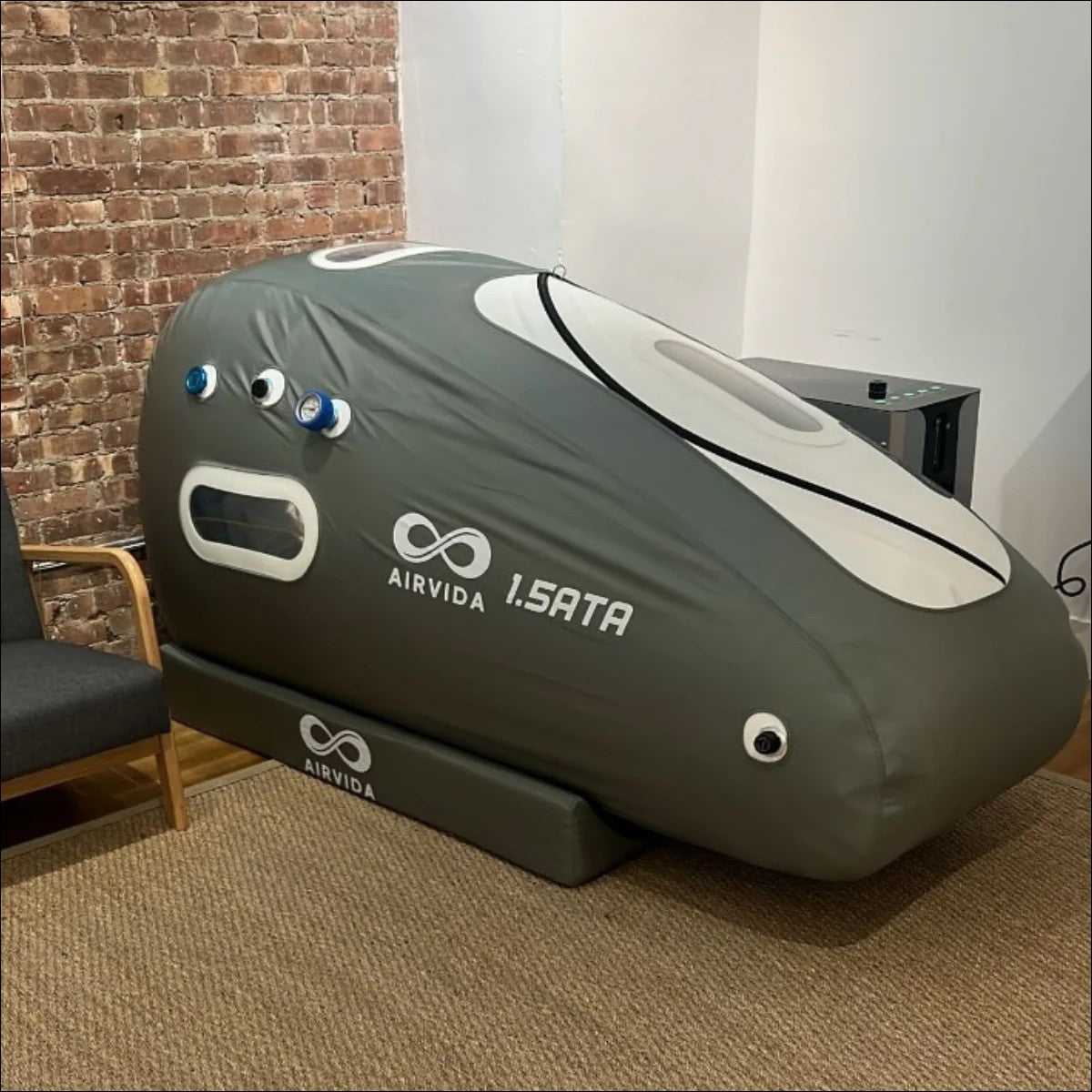
Airvida Chambers operates locations across multiple states, offering access to hyperbaric oxygen therapy for a range of wellness and clinical applications. You can explore hyperbaric chambers in Stamford CT if you are located in the Northeast, or access hyperbaric chambers in Sarasota FL for Southwest Florida coverage. Patients in Southeast Florida can find hyperbaric chambers in West Palm Beach FL, while Central Texas residents can access hyperbaric chambers in Round Rock TX.
If you are considering the equipment side, understanding the difference between new and pre-owned units matters for safety and calibration consistency. You can review a detailed comparison of new vs. used hyperbaric chambers before making any decisions. The key point is that geographic access and equipment quality are both meaningful variables when incorporating HBOT into a fertility protocol.
Hyperbaric Chambers You May Want to Shop
Explore More


Who Should Avoid Hyperbaric Chambers?
Contraindications for HBOT are specific medical conditions or circumstances that make hyperbaric oxygen therapy unsafe or inadvisable, and identifying them before starting treatment is essential. Not every person pursuing fertility treatment is a candidate for HBOT, and a medical evaluation should always precede any sessions.
Conditions and situations that are commonly recognized as contraindications or cautions include:
-
Untreated pneumothorax (collapsed lung) -- the most absolute contraindication
-
Certain pulmonary conditions, including emphysema with CO2 retention
-
Recent ear surgery or perforated eardrum, due to pressure equalization requirements
-
Active upper respiratory infections that impair pressure equalization
-
Uncontrolled high fever, which can be worsened by elevated oxygen environments
-
Certain chemotherapy agents that interact adversely with high-dose oxygen
-
Claustrophobia, which may require management strategies for single-person chambers
-
Pregnancy in specific complicated contexts, where risk-benefit requires clinical judgment
The risk of oxygen toxicity, while low at standard fertility-protocol pressures (2.0 to 2.4 ATA), is a real physiological consideration for sessions at higher pressures or longer durations. You should disclose your full medication list and medical history to both your fertility specialist and the HBOT provider before beginning any protocol. The bottom line is that HBOT is contraindicated in several specific medical situations, and independent self-assessment is not a substitute for clinical screening.
Is HBOT Right for You as Part of a Fertility Plan?

Hyperbaric oxygen therapy occupies a defined and evidence-supported role as an adjunctive treatment in reproductive medicine, not a primary or standalone fertility intervention. The research base spans male infertility, poor ovarian response, thin endometrium, and age-related oocyte decline, with peer-reviewed support from NIH-indexed journals and ongoing registered clinical trials. Results are consistently directional, showing improvements in the biological markers that matter most for conception.
Your decision to pursue HBOT should be made in close coordination with your reproductive endocrinologist or fertility specialist, who can assess whether your specific diagnosis aligns with the patient populations studied in the existing literature. Access to quality equipment and properly trained providers adds another layer of due diligence.
The bottom line: hyperbaric oxygen therapy shows meaningful, peer-reviewed evidence for improving sperm parameters, oocyte yield, embryo quality, and endometrial thickness in specific patient populations, making it a scientifically grounded option to discuss with your fertility care team.
Frequently Asked Questions
Can hyperbaric oxygen therapy improve fertility?
Yes, hyperbaric oxygen therapy can improve several measurable fertility markers in both men and women, based on current peer-reviewed research. A 2025 meta-analysis found significant improvements in sperm motility, density, morphology, and clinical pregnancy rates in men. In women with poor ovarian response, HBOT increased oocyte yield and embryo quality when combined with ovarian stimulation.
What is the most successful treatment for infertility?
In vitro fertilization (IVF) is the most consistently successful assisted reproductive technology for many infertility diagnoses, with outcomes depending heavily on age, diagnosis, and clinic protocols. For specific underlying conditions like poor ovarian response or thin endometrium, adjunctive approaches including HBOT are being studied to improve IVF success rates. No single treatment is universally "most successful," as the right protocol depends on your individual diagnosis.
How can I stimulate my ovaries to produce eggs?
Controlled ovarian stimulation (COS) using injectable gonadotropin medications is the standard medical approach to stimulating the ovaries to produce multiple eggs for IVF or IUI cycles. Emerging research suggests that adding HBOT sessions during the stimulation window may improve both the number and quality of eggs produced, particularly in women classified as poor ovarian responders. Your reproductive endocrinologist determines the stimulation protocol based on your hormone levels, age, and ovarian reserve testing.
Who should avoid hyperbaric chambers?
People with an untreated collapsed lung (pneumothorax), certain chronic lung conditions, recent ear surgery, active upper respiratory infections, or uncontrolled high fever should avoid hyperbaric oxygen therapy. Some chemotherapy agents also interact adversely with high-dose oxygen environments. A full medical evaluation by a qualified provider is required before starting any HBOT protocol.
What is the best fertility treatment to get pregnant?
The best fertility treatment to get pregnant depends entirely on your specific diagnosis, age, ovarian reserve, and whether male factor infertility is involved. IVF remains the highest-success-rate intervention for many couples, while timed intercourse with ovarian stimulation or IUI is appropriate for less complex cases. Adjunctive treatments like HBOT are being studied as add-ons to improve outcomes in specific populations, including poor responders and those with thin endometrium.