


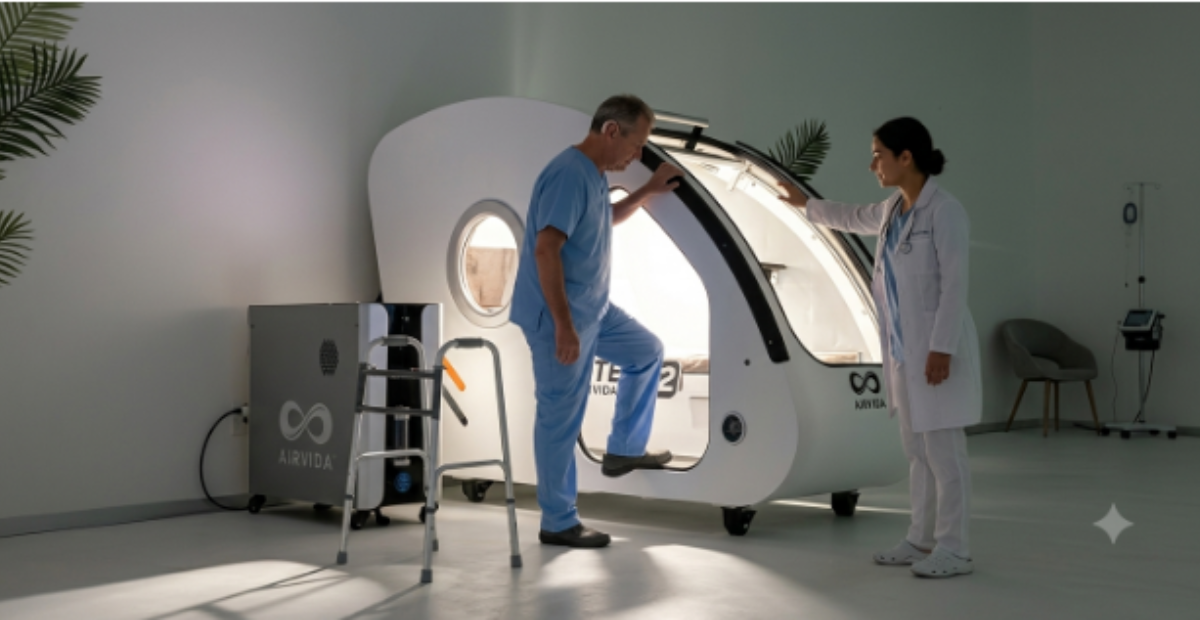
HBOT for sudden hearing loss may help improve recovery by delivering higher levels of oxygen to the inner ear, where oxygen deprivation is believed to contribute to hearing damage. When used early and alongside standard medical care, hyperbaric oxygen therapy has shown promising results for many patients.
For individuals experiencing sudden sensorineural hearing loss, timing matters. Understanding how HBOT works and when it may be most effective can help you make informed decisions about treatment options.
Sudden hearing loss can feel alarming. One moment your hearing seems normal, and the next you notice muffled sounds, ringing in the ears, or a significant reduction in hearing ability. While conventional treatments such as corticosteroids remain the standard approach, many specialists now consider hyperbaric oxygen therapy as a valuable complementary treatment.
This guide explains how hyperbaric oxygen therapy works, why it is used for sudden hearing loss, and what patients can realistically expect from treatment.
Understanding Sudden Hearing Loss

Sudden sensorineural hearing loss (SSNHL) is a rapid loss of hearing that typically occurs within hours or over a few days. It usually affects one ear and is considered a medical emergency.
Common symptoms include:
✅ Sudden decrease in hearing
✅ Ringing in the ear (tinnitus)
✅ Ear fullness or pressure
✅ Dizziness or vertigo
✅ Difficulty understanding speech
Although the exact cause is often unknown, several factors may contribute:
|
Potential Cause |
How It May Affect Hearing |
|
Viral infections |
May damage inner ear structures |
|
Reduced blood flow |
Limits oxygen delivery to the cochlea |
|
Autoimmune conditions |
Can attack hearing-related tissues |
|
Inflammation |
May impair auditory function |
|
Trauma |
Can injure delicate inner ear components |
One common theory suggests that reduced oxygen supply to the cochlea can contribute to hearing loss. This is where hyperbaric oxygen therapy becomes particularly relevant.
Hyperbaric Collections You May Want to Shop

What Is Hyperbaric Oxygen Therapy?
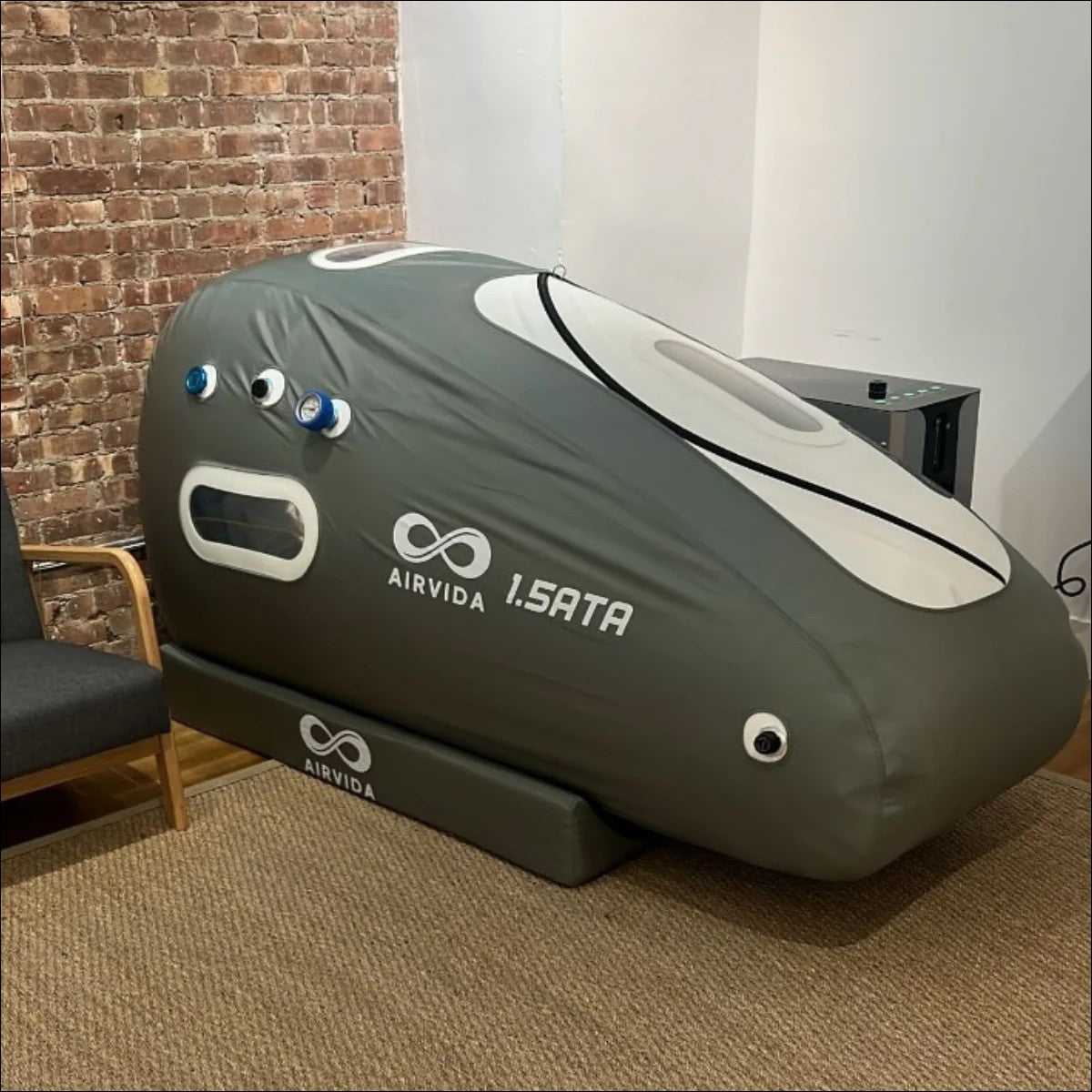
Hyperbaric oxygen therapy (HBOT) involves breathing nearly pure oxygen inside a pressurized chamber.
Under increased atmospheric pressure, the lungs absorb significantly more oxygen than normal. This oxygen-rich blood is then delivered throughout the body, including areas that may have limited circulation.
The therapy has been used for decades to support healing in various conditions involving oxygen deprivation, tissue injury, and impaired circulation.
For patients interested in treatment availability, explore our hyperbaric chamber options in El Paso.
Why HBOT Is Used for Sudden Hearing Loss
The inner ear relies heavily on a consistent oxygen supply to function properly. The cochlea contains highly specialized cells that convert sound vibrations into electrical signals for the brain.
Unlike many tissues in the body, these sensory cells have limited regenerative capacity. When oxygen delivery becomes compromised, damage can occur quickly.
HBOT aims to:
✅ Increase oxygen concentration in inner ear tissues
✅ Improve microcirculation
✅ Reduce inflammation
✅ Support cellular repair processes
✅ Enhance recovery alongside conventional treatments
Research suggests that increasing oxygen availability may help preserve or restore function in damaged auditory structures, particularly when treatment begins soon after symptom onset.
How HBOT for Sudden Hearing Loss Works
During treatment, patients sit or lie comfortably inside a hyperbaric chamber while breathing oxygen under pressure.
The increased pressure allows oxygen to dissolve more effectively into blood plasma, reaching tissues that may otherwise receive insufficient oxygen.
For sudden hearing loss, the goal is to improve oxygen delivery to:
-
The cochlea
-
Auditory nerve structures
-
Inner ear blood vessels
-
Damaged sensory cells
This enhanced oxygenation may create an environment that supports healing and recovery.
The Importance of Early Treatment
One of the most important factors influencing outcomes is how quickly treatment begins.
Many hearing specialists recommend considering HBOT within days or weeks of symptom onset. Earlier intervention may improve the likelihood of recovery because damaged tissues have had less time to undergo permanent changes.
Patients who seek prompt medical evaluation often have more treatment options available.
What a Typical HBOT Treatment Plan Looks Like

Treatment protocols vary depending on the severity of hearing loss and physician recommendations.
Most patients undergo a series of sessions rather than a single treatment.
|
Treatment Component |
Typical Range |
|
Session duration |
60–120 minutes |
|
Sessions per week |
5–7 |
|
Total sessions |
10–30+ |
|
Oxygen concentration |
Near 100% |
|
Chamber pressure |
Higher than normal atmospheric pressure |
Throughout treatment, healthcare providers monitor progress and adjust recommendations based on individual response.
Many patients combine HBOT with corticosteroid therapy as part of a comprehensive treatment strategy.
Hyperbaric Chambers You May Want to Shop
Explore More


Benefits Associated With Hyperbaric Oxygen Therapy
While outcomes vary between individuals, HBOT may offer several potential benefits for patients experiencing sudden hearing loss.
Enhanced Oxygen Delivery
The primary benefit involves delivering substantially more oxygen to tissues that may be deprived of adequate blood flow.
This increased oxygen availability can support cellular metabolism and healing.
Reduced Inflammation
Inflammation can contribute to tissue damage within the inner ear.
HBOT may help regulate inflammatory responses, potentially reducing additional injury.
Improved Circulation
Hyperbaric oxygen therapy can enhance microvascular function, helping oxygen reach areas that may otherwise receive limited circulation.
Support for Recovery
When integrated into a broader treatment plan, HBOT may improve the chances of hearing improvement for some patients.
Individuals interested in additional oxygen-based wellness therapies may also find value in reading: Anti Aging HBOT Tribeca.
Who May Be a Good Candidate for HBOT?
Not every patient with hearing loss will be a candidate for hyperbaric oxygen therapy.
Healthcare providers generally evaluate:
✅ Severity of hearing loss
✅ Time since symptom onset
✅ Overall health status
✅ Existing medical conditions
✅ Previous treatment response
People with sudden sensorineural hearing loss often receive the greatest consideration, particularly when treatment begins early.
A consultation with a qualified healthcare professional is essential to determine whether HBOT is appropriate for your situation.
HBOT Compared to Other Treatment Approaches

Hyperbaric oxygen therapy is typically not considered a replacement for standard medical treatment.
Instead, it is frequently used alongside established therapies.
Corticosteroids
Steroids remain one of the most commonly prescribed treatments for sudden hearing loss.
They help reduce inflammation and may improve hearing outcomes.
Intratympanic Steroid Injections
Some patients receive steroid injections directly into the middle ear to increase medication delivery to affected tissues.
Observation
In certain cases, partial spontaneous recovery can occur. However, waiting too long may reduce the effectiveness of available interventions.
Combination Therapy
Many specialists believe the best outcomes often come from combining treatments when medically appropriate.
HBOT may serve as an important component of this comprehensive approach.
What to Expect During a Session
Many first-time patients are surprised by how comfortable hyperbaric oxygen therapy sessions can be.
During treatment:
-
You enter the chamber and settle into a comfortable position.
-
The chamber gradually pressurizes.
-
You breathe oxygen while relaxing.
-
Staff monitor the session throughout.
-
Pressure slowly returns to normal at the end.
Some people read, watch videos, rest, or listen to entertainment during sessions.
Most patients adapt quickly after the first few treatments.
Factors That May Influence Recovery
Several factors can affect treatment outcomes.
Time to Treatment
Earlier intervention is often associated with better results.
Severity of Hearing Loss
Milder cases may have a greater chance of improvement.
Age and Overall Health
General health and circulation can influence tissue recovery.
Treatment Adherence
Completing the recommended number of sessions may improve the likelihood of positive outcomes.
For those interested in learning more about oxygen-based therapies for respiratory conditions, this related guide provides additional insights: Oxygen Therapy for Emphysema.
Choosing the Right Hyperbaric Oxygen Provider

When considering HBOT, selecting a reputable provider is important.
Look for:
✅ Experienced staff
✅ Appropriate medical oversight
✅ High-quality chamber systems
✅ Personalized treatment planning
✅ Strong safety protocols
Patients in California can explore available options here: Hyperbaric Oxygen Chamber San Francisco. Working with an experienced team helps ensure that treatment is delivered safely and effectively.
Key Takeaways About HBOT for Sudden Hearing Loss
Sudden hearing loss requires prompt medical attention. While conventional therapies remain the primary treatment approach, HBOT for sudden hearing loss continues to gain attention as a supportive therapy that may improve oxygen delivery to the inner ear and enhance recovery potential.
For patients seeking every reasonable opportunity to improve outcomes, discussing hyperbaric oxygen therapy with a qualified healthcare provider may be worthwhile. The sooner evaluation and treatment occur, the more options may be available.
By understanding the science behind HBOT for sudden hearing loss, patients can make informed decisions and work with their medical team to pursue the most appropriate path toward hearing recovery.
Frequently Asked Questions About HBOT for Sudden Hearing Loss
Does hyperbaric oxygen therapy work for sudden hearing loss?
Hyperbaric oxygen therapy may help improve hearing recovery in some patients with sudden sensorineural hearing loss, especially when treatment begins soon after symptoms appear. By increasing oxygen delivery to the inner ear, HBOT may support damaged tissues and improve circulation where oxygen deprivation may be contributing to hearing loss. Many healthcare providers use HBOT alongside corticosteroid therapy rather than as a standalone treatment. Individual results can vary based on severity, timing, and overall health.
How many HBOT sessions for sudden hearing loss?
Most treatment plans for sudden hearing loss involve between 10 and 30 HBOT sessions, although some patients may require more depending on their condition and response to therapy. Sessions typically last between 60 and 120 minutes and may be scheduled daily during the initial treatment period. A healthcare provider will assess hearing improvement throughout the process and determine whether additional sessions are appropriate.
What is the best treatment for sudden hearing loss?
Corticosteroids are generally considered the first-line treatment for sudden sensorineural hearing loss, but HBOT is often recommended as an adjunct therapy for eligible patients. The most effective treatment plan depends on the underlying cause, how quickly treatment begins, and the severity of hearing loss. Many specialists favor a combination approach that includes steroids, hearing evaluations, and potentially hyperbaric oxygen therapy to maximize recovery opportunities.
What are the side effects of HBOT?
Most people tolerate hyperbaric oxygen therapy well, but some temporary side effects can occur. Common effects include mild ear pressure, temporary changes in vision, sinus discomfort, or fatigue after treatment. More serious complications are uncommon when therapy is administered under proper medical supervision. Before starting treatment, healthcare providers review medical history and assess whether HBOT is appropriate based on individual health factors.