


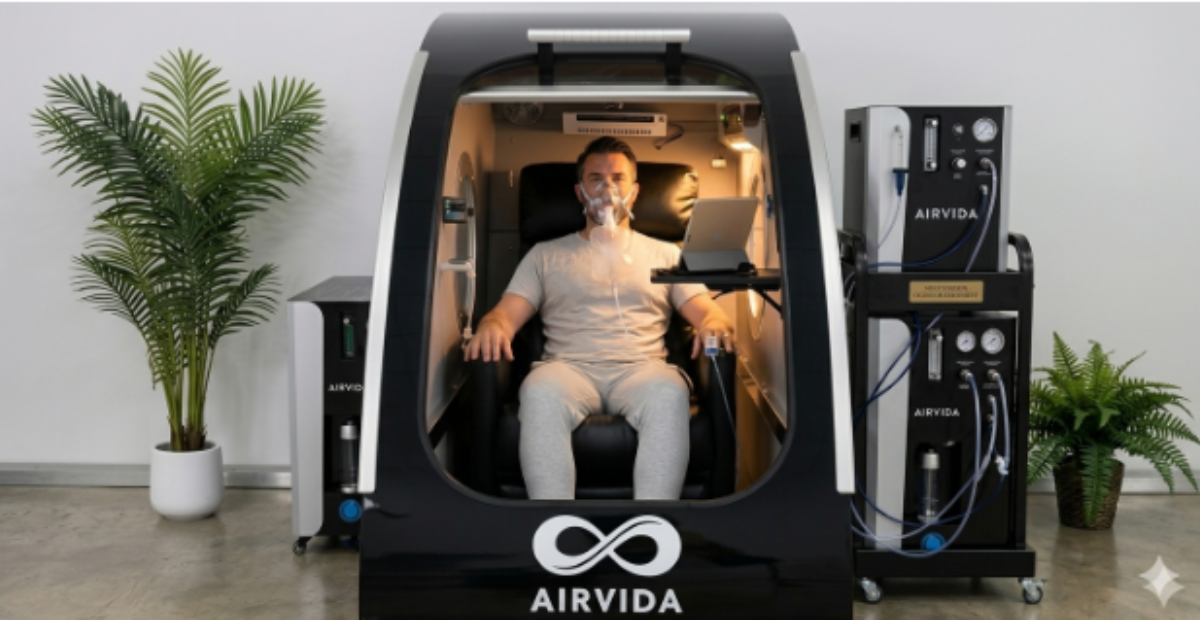
Oxygen therapy for emphysema helps increase oxygen levels in your blood, making breathing easier and reducing strain on your lungs. It is often recommended when oxygen saturation drops below healthy levels. By delivering supplemental oxygen, this treatment improves daily function, reduces fatigue, and supports long-term lung health for people with advanced emphysema.
Living with emphysema can feel overwhelming, especially when breathing becomes more difficult over time. Understanding how oxygen therapy works, when it is needed, and how to use it properly can make a huge difference in your quality of life.
What Is Oxygen Therapy for Emphysema?
Oxygen therapy is a medical treatment that delivers extra oxygen to your lungs through a mask or nasal cannula. It is designed for people whose lungs cannot absorb enough oxygen naturally due to damage caused by emphysema.
In emphysema, the air sacs in the lungs are damaged, making it harder for oxygen to pass into the bloodstream. This leads to low oxygen levels, fatigue, and shortness of breath. Oxygen therapy works by increasing the concentration of oxygen you breathe in, helping your body function more efficiently, especially when exploring advanced options like a hyperbaric oxygen chamber in Morgantown, WV.
Why Oxygen Therapy Is Important for Emphysema

When your body lacks oxygen, it affects nearly every organ. The brain, heart, and muscles rely on steady oxygen levels to function properly.
Key Benefits of Oxygen Therapy
|
Benefit |
Why It Matters |
|
Improves breathing |
Reduces shortness of breath during daily activities |
|
Boosts energy |
Helps reduce fatigue and weakness |
|
Protects organs |
Prevents damage caused by low oxygen levels |
|
Enhances sleep |
Improves oxygen levels during rest |
|
Extends life expectancy |
Long-term use can improve survival rates |
When oxygen levels drop, your body compensates by increasing heart rate and breathing effort. This added strain can gradually weaken the cardiovascular system. Over time, low oxygen may contribute to fatigue, organ stress, and a higher risk of complications, especially in individuals with underlying health conditions or respiratory issues.
How Oxygen Therapy Works
Oxygen therapy delivers concentrated oxygen through different systems depending on your needs. These may include nasal cannulas, face masks, or portable oxygen concentrators. The goal is to improve oxygen levels in the blood, helping your body function more efficiently and potentially reducing symptoms like shortness of breath, fatigue, and mental fog.
Common Oxygen Delivery Methods
|
Method |
Description |
Best For |
|
Nasal Cannula |
Small tubes placed in the nostrils |
Mild to moderate cases |
|
Oxygen Mask |
Covers nose and mouth |
Short-term or severe cases |
|
Portable Oxygen Concentrator |
Lightweight, battery-powered |
Active lifestyles |
|
Stationary Oxygen System |
Home-based oxygen supply |
Long-term daily use |
Each method ensures your body receives the oxygen it needs without overexerting your lungs. By delivering a steady and controlled supply, these systems help maintain optimal oxygen saturation levels. This support can ease breathing, reduce strain on vital organs, and improve overall comfort, especially during daily activities or periods of physical exertion.
Hyperbaric Collections You May Want to Shop

When Do You Need Oxygen Therapy?
Doctors usually recommend oxygen therapy when oxygen levels fall below normal. This is measured using a pulse oximeter or arterial blood gas test. These assessments help determine how well oxygen is being delivered to your tissues and guide the appropriate treatment plan based on your specific respiratory condition and overall health needs.
Signs You May Need Oxygen Therapy
-
Frequent shortness of breath
-
Fatigue even with minimal activity
-
Bluish lips or fingertips
-
Difficulty concentrating
-
Rapid heartbeat
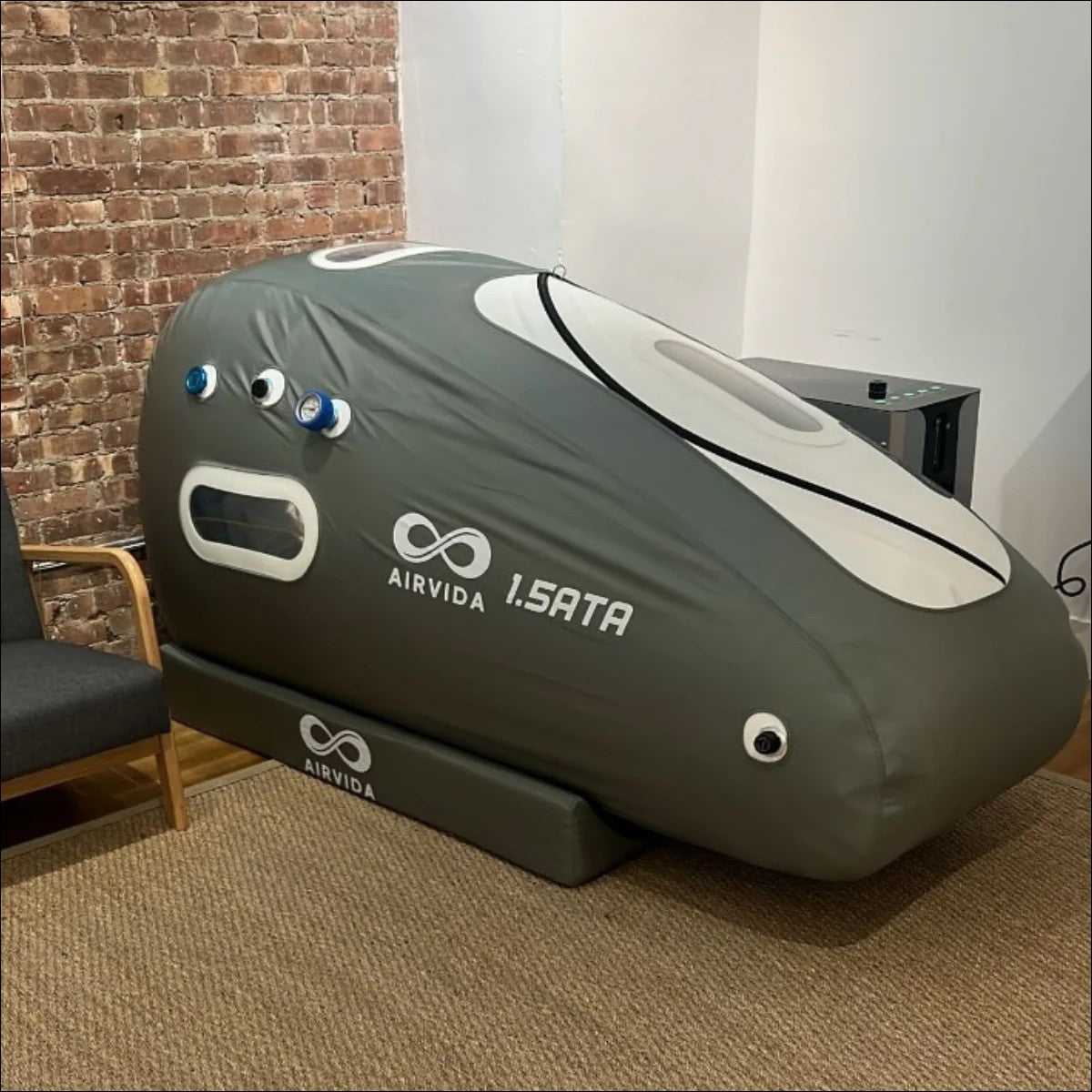
Typically, oxygen therapy is prescribed when oxygen saturation drops below 88%. At this level, vital organs may not receive enough oxygen to function properly. Early intervention helps prevent complications, improve energy levels, and support overall health. Your doctor will determine the right dosage and duration based on your specific condition and needs, and in some cases may consider specialized approaches such as evaluating the differences between 1.3 ata vs 1.5 ata pressure settings in oxygen therapy.
Stages of Emphysema and Oxygen Needs
Emphysema progresses over time, and oxygen needs vary depending on the stage.
|
Stage |
Symptoms |
Oxygen Therapy Needed |
|
Mild |
Occasional breathlessness |
Not usually required |
|
Moderate |
Increased shortness of breath |
May be needed during activity |
|
Severe |
Breathing difficulty at rest |
Often required daily |
|
Very Severe |
Chronic oxygen deficiency |
Continuous oxygen therapy |
Understanding your stage helps determine the right treatment plan.
Types of Oxygen Therapy for Emphysema

There are different ways oxygen therapy can be used depending on your condition. Some individuals may need continuous support throughout the day, while others only require it during sleep or physical activity. The method and duration are tailored to your needs, ensuring effective oxygen delivery while maintaining comfort, mobility, and overall quality of life.
Short-Term Oxygen Therapy
Used during flare-ups or infections to stabilize oxygen levels.
Long-Term Oxygen Therapy (LTOT)
Prescribed for patients with chronic low oxygen levels. Typically used for 15+ hours per day.
Ambulatory Oxygen Therapy
Designed for use while walking or performing daily activities.
Nocturnal Oxygen Therapy
Used during sleep to maintain stable oxygen levels overnight.
Why Some Patients Explore Advanced Oxygen Solutions
While traditional oxygen therapy is effective, some patients look into advanced options to support their respiratory health further.
For example, hyperbaric oxygen environments may help improve oxygen delivery at a cellular level.
You can explore options like hyperbaric chamber Boca Raton, FL. This solution is often considered as complementary approaches alongside standard care.
Hyperbaric Chambers You May Want to Shop
Explore More


How to Use Oxygen Therapy Safely
Using oxygen therapy correctly is essential for safety and effectiveness.
Best Practices
-
Follow your prescribed oxygen flow rate
-
Keep equipment clean and well-maintained
-
Avoid smoking or open flames near oxygen
-
Store oxygen tanks properly
-
Monitor your oxygen levels regularly
Improper use can lead to complications, so always follow your doctor’s instructions.
Common Mistakes to Avoid
Many patients unknowingly misuse oxygen therapy, which can reduce its effectiveness.
-
Using too much oxygen without medical guidance
-
Skipping therapy sessions
-
Not maintaining equipment
-
Ignoring symptoms of low oxygen
Consistency is key when managing emphysema.
Lifestyle Tips to Support Oxygen Therapy
Oxygen therapy works best when combined with healthy habits.
Practical Tips
-
Stay active with light exercise
-
Maintain a balanced diet
-
Avoid air pollutants and smoke
-
Practice breathing exercises
-
Stay hydrated
Small changes can significantly improve your breathing and overall health.
Comparing Oxygen Therapy and Other Treatments

Oxygen therapy is just one part of a complete emphysema treatment plan.
|
Treatment |
Purpose |
When Used |
|
Bronchodilators |
Open airways |
Daily management |
|
Steroids |
Reduce inflammation |
Flare-ups |
|
Pulmonary rehab |
Improve lung function |
Moderate to severe stages |
|
Surgery |
Remove damaged lung tissue |
Severe cases |
|
Oxygen therapy |
Increase oxygen levels |
Advanced stages |
The best approach often combines multiple treatments.
How to Choose the Right Oxygen Setup
Choosing the right oxygen system depends on your lifestyle and medical needs.
Factors to Consider
-
Mobility needs
-
Severity of symptoms
-
Duration of use
-
Budget and insurance coverage
If you are active, a portable concentrator may be ideal. For home use, a stationary system works well.
Related Insights You Should Explore
To better understand oxygen-based treatments and advanced options, you can read hyperbaric chamber for veterans. This resource provides deeper insights into oxygen therapies and how they can support recovery and wellness.
Real-Life Example: How Oxygen Therapy Improves Daily Life
Imagine someone with severe emphysema struggling to walk across a room without stopping.
After starting oxygen therapy:
-
They can walk longer distances
-
Experience less fatigue
-
Sleep better at night
-
Feel more independent
This shows how impactful proper oxygen support can be.
Final Thoughts on Oxygen Therapy for Emphysema
Oxygen therapy for emphysema is a life-changing treatment that helps improve breathing, energy, and overall quality of life. By understanding how it works and using it correctly, patients can manage symptoms more effectively and stay active longer.
If you or a loved one is dealing with emphysema, exploring the right oxygen solutions and treatment plan can make all the difference.
Frequently Asked Questions
What does oxygen therapy do for emphysema?
Oxygen therapy for emphysema increases the amount of oxygen in your bloodstream, helping your organs function properly and reducing shortness of breath. It allows your lungs to work less while still supplying your body with the oxygen it needs. Over time, this can improve energy levels, sleep quality, and overall well-being, especially in advanced stages of the disease.
At what stage of emphysema requires oxygen?
Oxygen therapy for emphysema is usually required in the severe or very severe stages when oxygen levels drop below normal. Doctors typically recommend it when blood oxygen saturation falls below 88%. However, some patients may need it earlier during physical activity or sleep, depending on their symptoms and test results.
What's the best treatment for emphysema?
Oxygen therapy for emphysema is one of the most effective treatments for advanced stages, but the best approach combines multiple therapies. This includes medications like bronchodilators, pulmonary rehabilitation, lifestyle changes, and sometimes surgery. A personalized treatment plan is essential for managing symptoms and slowing disease progression.
How many liters of oxygen for emphysema?
Oxygen therapy for emphysema is typically prescribed between 1 to 3 liters per minute, depending on the patient’s needs. The exact flow rate is determined by your doctor based on oxygen saturation levels and overall condition. It is important not to adjust the flow rate without medical advice, as too much or too little oxygen can be harmful.