


HBOT for spinal cord injury may help support recovery by increasing oxygen delivery to damaged tissues, reducing inflammation, and promoting cellular repair. While it is not considered a cure, many patients explore HBOT as part of a broader rehabilitation strategy to improve neurological function and quality of life.
Spinal cord injuries can have life-changing effects, impacting mobility, sensation, independence, and overall well-being. Traditional treatment plans often focus on stabilization, physical therapy, occupational therapy, and long-term rehabilitation. However, many patients and families seek complementary therapies that may support the body's natural healing processes.
One option that has gained increasing attention is hyperbaric oxygen therapy (HBOT). By exposing the body to higher-than-normal oxygen levels in a pressurized environment, HBOT aims to enhance oxygen availability throughout the body, particularly in areas where circulation and tissue repair may be compromised.
This guide explores how HBOT works, its potential role in spinal cord injury recovery, and what individuals should know before considering treatment.
Understanding Spinal Cord Injuries

A spinal cord injury occurs when damage to the spinal cord disrupts communication between the brain and the rest of the body. The severity of symptoms often depends on the location and extent of the injury.
Common causes include:
✅ Vehicle accidents
✅ Falls
✅ Sports-related trauma
✅ Workplace injuries
✅ Medical conditions affecting the spinal cord
The impact of spinal cord injuries can vary significantly. Some individuals experience partial loss of sensation or movement, while others may face complete paralysis below the injury site.
Common Challenges After a Spinal Cord Injury
|
Challenge |
Potential Impact |
|
Reduced Mobility |
Difficulty walking or moving independently |
|
Loss of Sensation |
Altered feeling in affected areas |
|
Muscle Weakness |
Reduced strength and coordination |
|
Chronic Pain |
Neuropathic or musculoskeletal discomfort |
|
Reduced Independence |
Need for long-term support and rehabilitation |
Because spinal cord tissue has limited regenerative capacity, treatment strategies often focus on preserving function and supporting recovery wherever possible.
Hyperbaric Collections You May Want to Shop

What Is Hyperbaric Oxygen Therapy?
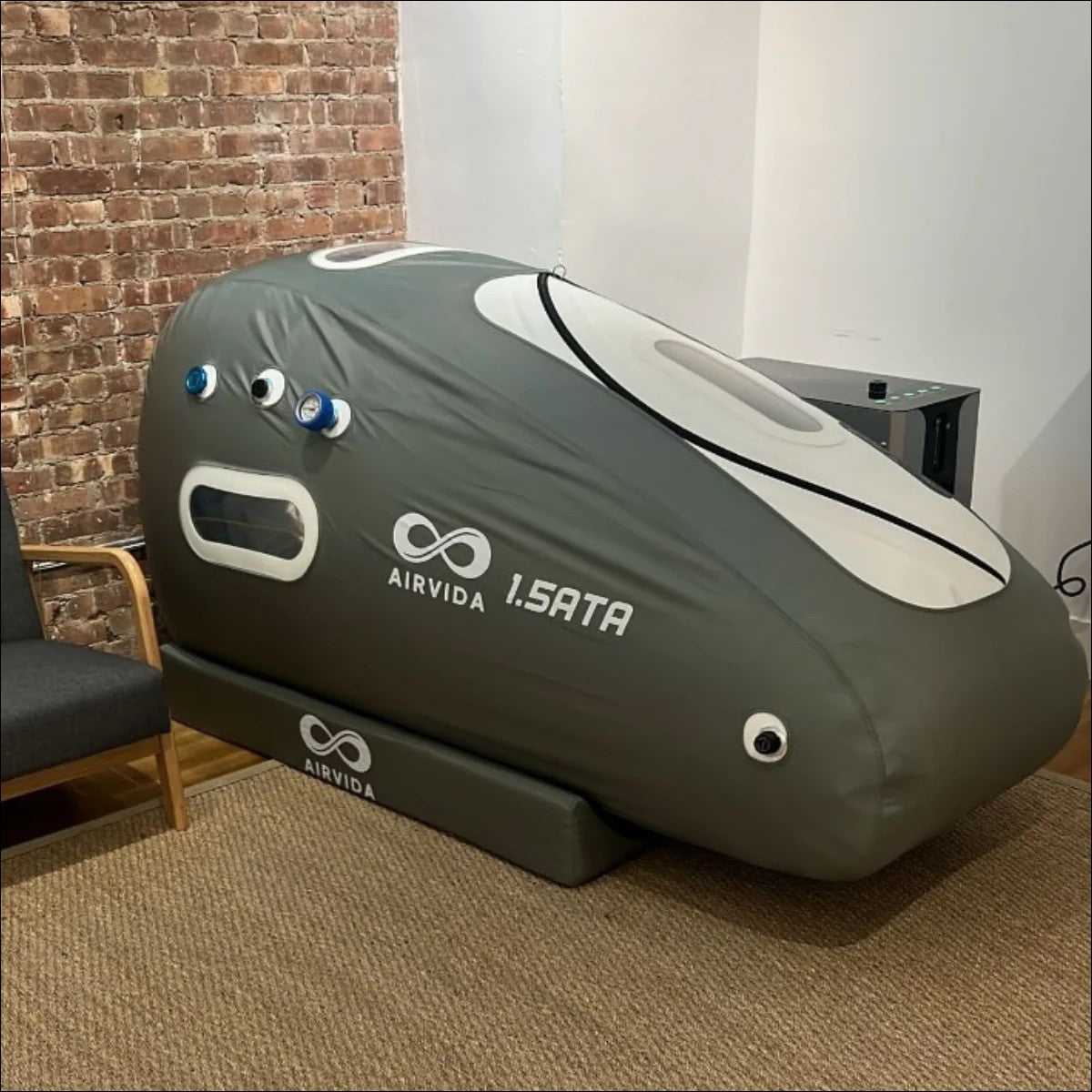
Hyperbaric oxygen therapy involves breathing concentrated oxygen inside a specially designed pressurized chamber.
Under normal conditions, oxygen is carried primarily by red blood cells. During HBOT sessions, the increased atmospheric pressure allows significantly more oxygen to dissolve into blood plasma and circulate throughout the body.
This enhanced oxygen delivery may help:
✅ Support tissue repair
✅ Reduce inflammation
✅ Improve circulation
✅ Promote cellular metabolism
✅ Encourage healing responses
HBOT has been used for various medical conditions and continues to be studied for neurological injuries and rehabilitation applications.
Explore treatment options available through our HBOT Treatment East Northport, NY collection.
How HBOT May Support Spinal Cord Injury Recovery
Researchers continue investigating how oxygen-rich environments influence neurological recovery after spinal cord trauma.
While results vary from person to person, several mechanisms may explain why HBOT is being explored for spinal cord rehabilitation.
Increased Oxygen Delivery to Damaged Tissue
Following a spinal cord injury, blood flow to affected areas may become compromised. Reduced circulation can limit the amount of oxygen reaching injured tissues.
HBOT increases oxygen availability throughout the body, potentially helping areas that may not receive adequate oxygen under normal circumstances.
Improved oxygen delivery may support:
-
Cellular energy production
-
Tissue maintenance
-
Recovery processes
-
Nerve cell function
Reduced Inflammatory Response
Inflammation is a natural part of the healing process. However, excessive inflammation after spinal cord injury can contribute to secondary damage. Some studies suggest that hyperbaric oxygen therapy may help regulate inflammatory responses, potentially limiting further tissue stress.
By reducing inflammatory activity, HBOT may create a more supportive environment for recovery.
Support for Neuroplasticity
Neuroplasticity refers to the nervous system's ability to reorganize and adapt after injury.
Rehabilitation programs often focus on encouraging neuroplastic changes through repetitive movement, therapy exercises, and functional training.
Researchers are investigating whether increased oxygen availability may support the biological processes involved in neuroplasticity and neural adaptation.
Improved Cellular Function
Every cell in the body relies on oxygen to produce energy.
After trauma, injured tissues may struggle to maintain normal metabolic activity. HBOT may help optimize cellular function by increasing oxygen concentrations available to tissues.
This enhanced environment may support:
|
Potential Benefit |
Why It Matters |
|
Cellular Energy Production |
Supports tissue repair processes |
|
Oxygen Availability |
Helps nourish injured tissue |
|
Blood Vessel Development |
May improve circulation |
|
Healing Response |
Supports rehabilitation efforts |
What Current Research Says About HBOT and Spinal Cord Injury

Research involving HBOT for neurological injuries continues to evolve.
Several studies have explored potential improvements in:
-
Motor function
-
Sensory function
-
Quality of life
-
Neurological performance
-
Rehabilitation outcomes
While some findings appear promising, experts generally agree that more large-scale clinical studies are needed to fully understand long-term effectiveness.
Importantly, HBOT is often viewed as a complementary therapy rather than a replacement for conventional rehabilitation programs.
Most specialists recommend integrating hyperbaric oxygen therapy alongside:
✅ Physical therapy
✅ Occupational therapy
✅ Medical management
✅ Exercise programs
✅ Nutritional support
For individuals interested in advanced HBOT services, learn more through our HBOT Grand Prairie collection.
Factors That May Influence Results
Not every spinal cord injury is the same, and treatment outcomes can vary significantly.
Several factors may influence how a person responds to HBOT.
Injury Severity
Individuals with incomplete injuries may experience different outcomes than those with complete spinal cord injuries.
The extent of preserved neurological pathways often plays an important role in rehabilitation potential.
Timing of Treatment
Some research suggests earlier intervention may offer advantages, although HBOT is also explored in chronic injury cases.
Patients should consult qualified healthcare providers to determine whether treatment may be appropriate based on their circumstances.
Overall Rehabilitation Plan
HBOT is generally most effective when incorporated into a comprehensive recovery strategy.
Combining oxygen therapy with targeted rehabilitation exercises may help maximize functional gains.
Individual Health Factors
Age, overall health, circulation, nutrition, and pre-existing conditions can all influence healing and recovery potential.
Hyperbaric Chambers You May Want to Shop
Explore More


HBOT Compared With Other Emerging Therapies
Many individuals researching spinal cord injury treatments also explore other regenerative and supportive therapies.
These may include:
-
Stem cell therapy
-
Neuromodulation
-
Functional electrical stimulation
-
Advanced rehabilitation programs
-
Robotic-assisted therapy
Each option offers different goals, risks, costs, and levels of scientific evidence.
For a deeper comparison, read: HBOT vs Stem Cell Treatment.
Understanding the differences between available therapies can help patients make informed decisions alongside their healthcare providers.
The Role of HBOT in Nervous System Health

The spinal cord is a central component of the nervous system. Because HBOT increases oxygen availability to tissues, researchers continue examining its broader effects on neurological function.
Potential areas of interest include:
✅ Nerve tissue recovery
✅ Brain and spinal cord oxygenation
✅ Cellular metabolism
✅ Neurological performance
Individuals interested in learning more about oxygen therapy and nervous system support can explore: HBOT for Nervous System.
Understanding the connection between oxygen delivery and nervous system function helps explain why hyperbaric oxygen therapy remains an area of active research.
What to Expect During HBOT Treatment
Many people feel uncertain about their first hyperbaric oxygen session.
A typical session generally includes:
-
Entering a pressurized chamber.
-
Gradual pressure adjustment.
-
Breathing oxygen throughout the treatment period.
-
Controlled decompression before exiting.
Most sessions last between 60 and 120 minutes, depending on treatment protocols.
Patients often bring books, listen to music, or simply relax during treatment.
A healthcare professional typically monitors the process to ensure safety and comfort.
Is HBOT Safe?
HBOT has been used for decades and is generally considered safe when administered under professional supervision.
Possible temporary side effects may include:
-
Ear pressure
-
Mild sinus discomfort
-
Temporary vision changes
-
Fatigue after treatment
Following provider recommendations helps minimize risks and improve treatment experiences.
Is HBOT for Spinal Cord Injury Worth Considering?

The growing interest in HBOT for spinal cord injury reflects a broader search for therapies that may support neurological recovery and improve quality of life.
Although research is ongoing, hyperbaric oxygen therapy continues to attract attention because of its potential ability to:
✅ Increase oxygen delivery
✅ Support cellular repair
✅ Promote healthier tissue environments
✅ Complement rehabilitation efforts
For individuals navigating spinal cord injury recovery, exploring evidence-based treatment options with qualified healthcare providers remains essential.
When integrated into a comprehensive rehabilitation plan, HBOT may offer an additional avenue of support for some patients seeking to maximize recovery potential.
Final Thoughts on HBOT for Spinal Cord Injury
Recovery after a spinal cord injury is often a long-term journey that requires patience, dedication, and a comprehensive treatment strategy. While research continues to develop, HBOT for spinal cord injury remains a promising supportive therapy that may help enhance oxygen delivery, support tissue repair, and complement traditional rehabilitation programs. For individuals seeking additional options to support neurological recovery, HBOT for spinal cord injury may be worth discussing with experienced healthcare professionals as part of a personalized recovery plan.
Frequently Asked Questions About HBOT for Spinal Cord Injury
What is the best therapy for spinal cord injury?
The best therapy for spinal cord injury is typically a combination of treatments rather than a single solution. Physical therapy, occupational therapy, rehabilitation exercises, and medical management remain the foundation of recovery. Depending on the individual case, complementary options such as hyperbaric oxygen therapy, neuromodulation, and regenerative medicine may also be explored. The most effective approach usually involves a personalized rehabilitation program designed around the patient's injury level, goals, and overall health condition.
Can you do too much HBOT?
Yes, excessive HBOT sessions beyond medically recommended protocols may increase the risk of side effects. Hyperbaric oxygen therapy should always be performed under professional supervision with carefully planned treatment schedules. Most patients follow structured protocols that balance therapeutic benefits with safety. Providers evaluate factors such as treatment duration, chamber pressure, medical history, and response to therapy to determine the most appropriate number of sessions.
Does Tom Brady use HBOT?
Yes, Tom Brady has publicly discussed using hyperbaric oxygen therapy as part of his overall wellness and recovery routine. Professional athletes often explore various recovery strategies to support performance, muscle recovery, and overall health. While celebrity use can generate interest in HBOT, treatment decisions should always be based on individual medical needs, scientific evidence, and guidance from qualified healthcare professionals rather than endorsements alone.
Why sleep in a hyperbaric chamber?
Sleeping in a hyperbaric chamber is typically associated with mild hyperbaric oxygen environments designed for extended exposure. Some individuals use these systems as part of wellness, recovery, or performance programs. The goal is to increase oxygen availability while resting. However, sleeping in a chamber is different from clinical HBOT treatments, which are conducted at higher pressures for specific periods under professional supervision. Anyone considering long-duration hyperbaric exposure should consult experienced providers before beginning treatment.