



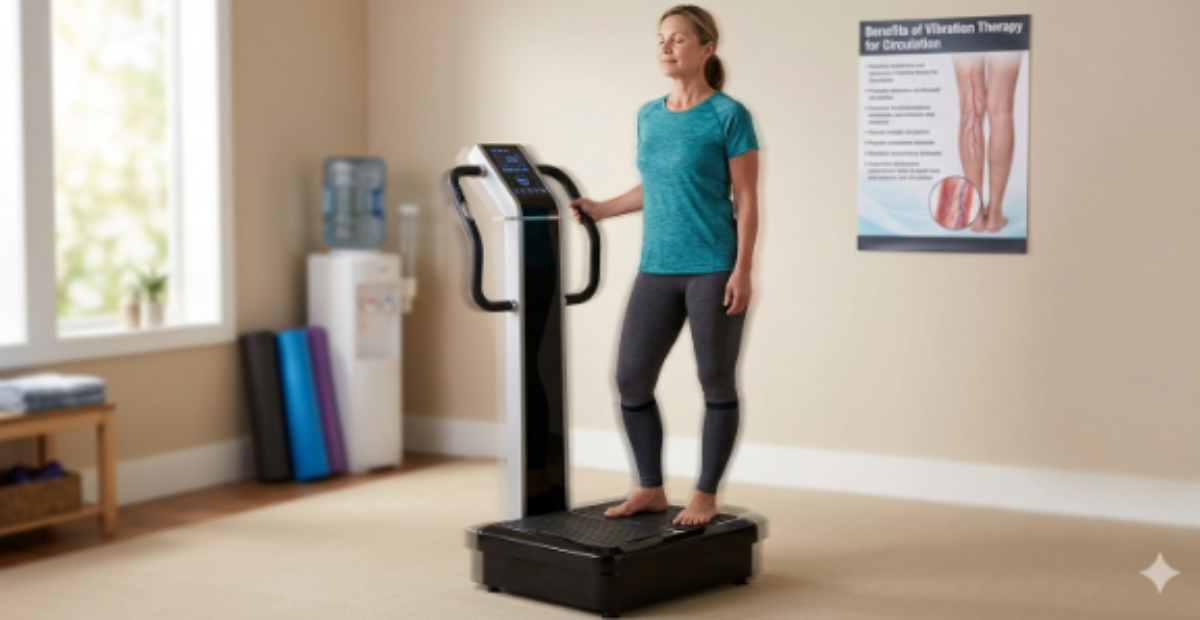
If you’re searching for the best vibration plate for circulation, the answer depends on vibration type, frequency range, and how consistently you use it. The right vibration plate can stimulate blood flow, improve muscle activation, and support recovery when used correctly.
Many people now use vibration plate machines at home because they help encourage circulation while requiring minimal effort. This guide explains how vibration plates work, why they help circulation, and which options are worth considering.
Why Circulation Matters for Your Health

Healthy circulation is essential because it allows oxygen and nutrients to move efficiently through your body. When blood flow slows down, it can lead to fatigue, muscle soreness, swelling, or slower recovery after activity.
Poor circulation can happen for many reasons:
-
Sedentary lifestyle
-
Aging and reduced mobility
-
Poor posture or prolonged sitting
-
Slow recovery from exercise or injury
Improving circulation does not always require intense exercise. Gentle stimulation, such as vibration therapy, can help activate muscles and encourage better blood flow. This is where vibration plates become useful. In some recovery routines, they may even complement treatments like hyperbaric chamber hair transplant recovery, where improved circulation and oxygen delivery may help support tissue healing and scalp health.
How Vibration Plates Improve Blood Circulation
Vibration plates work by sending rapid vibrations through the body while you stand or perform exercises on the platform. These vibrations trigger small muscle contractions many times per second.
These contractions help push blood through muscles and surrounding tissues.
Why Vibration Therapy Helps Circulation
When muscles contract repeatedly, they act like a pump that helps move blood through the body. This process can encourage:
-
Improved oxygen delivery
-
Better lymphatic drainage
-
Reduced swelling
-
Faster recovery
Unlike traditional workouts that require intense movement, vibration plates allow users to stimulate muscles even with simple standing positions.
This is why people looking for the best vibration plate for circulation often use them as part of recovery routines.
Vibration Therapy Machines You May Want to Shop
Explore More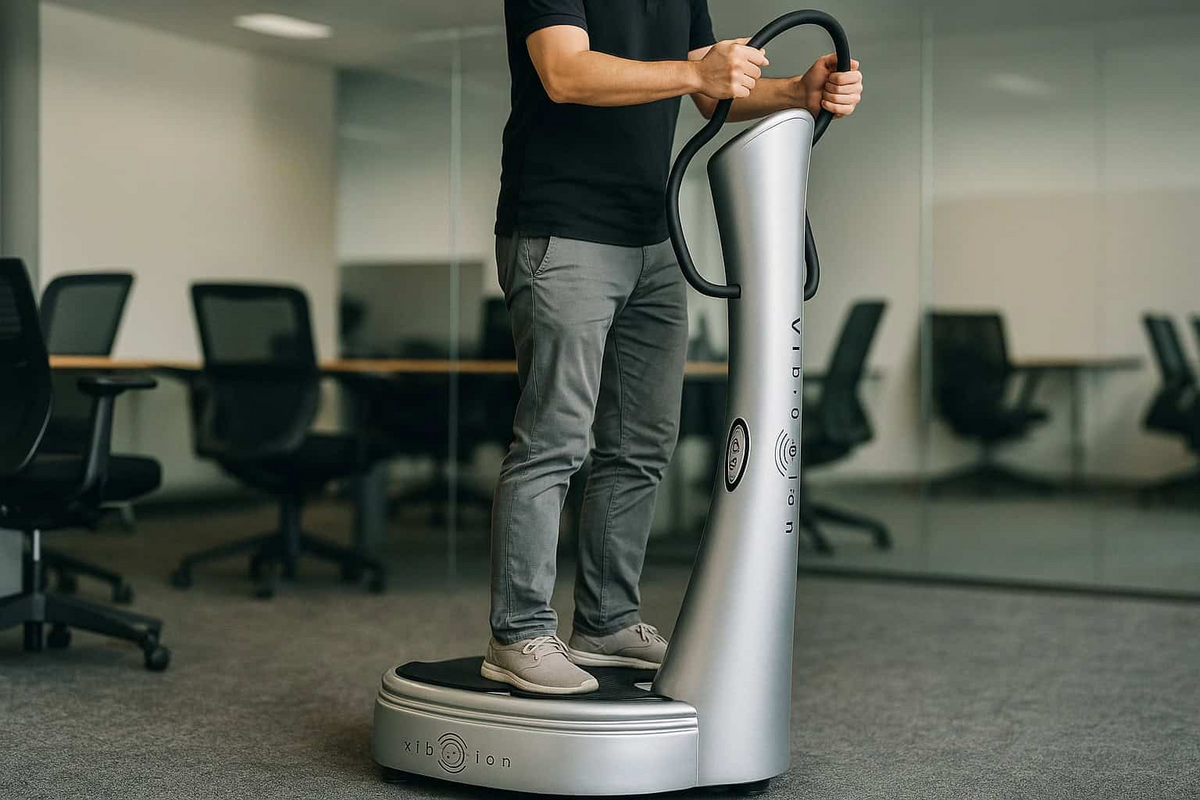


Types of Vibration Plates Explained
Not all vibration plates work the same way. Understanding the different types will help you choose the right machine for circulation support.
Oscillating Vibration Plates
Oscillating plates tilt side to side, creating a walking-like motion. This movement naturally stimulates leg muscles and encourages circulation through the lower body.
These machines are commonly recommended for beginners and people focused on improving blood flow.
Linear Vibration Plates
Linear plates move vertically up and down. They produce stronger vibrations and are commonly used for muscle training and athletic recovery.
However, they can feel more intense compared to oscillating machines.
3D and 4D Vibration Plates
More advanced machines combine multiple movement directions to increase muscle activation.
|
Vibration Type |
Motion Style |
Best For |
|
Oscillating |
Side-to-side motion |
Circulation and balance |
|
Linear |
Up and down |
Strength and recovery |
|
3D |
Multi-direction movement |
Muscle engagement |
|
4D |
Variable speed vibrations |
Advanced training |
Most people searching for the best vibration plate for circulation find oscillating or 3D machines the most comfortable and effective.
Features to Look for in the Best Vibration Plate for Circulation

Choosing a vibration plate involves more than just picking the most powerful model. Some features matter more when circulation improvement is your goal.
Adjustable Frequency Settings
Frequency controls how fast the plate vibrates. Lower frequencies are generally better for circulation and gentle stimulation. Higher frequencies are usually designed for muscle strengthening.
Look for machines with a wide frequency range so you can adjust based on comfort and recovery needs.
Stable Platform and Shock Absorption
A stable platform ensures that vibrations distribute evenly across your body. This helps avoid discomfort and provides smoother circulation stimulation.
Rubber padding or shock-absorbing designs are helpful for beginners.
User Weight Capacity
Different machines support different weight limits. Choosing a machine with a higher capacity typically means better durability and stronger motors.
This is especially important if multiple people in the household will use the vibration plate.
Preset Programs
Many modern vibration plates include preset programs designed for recovery, muscle activation, and relaxation.
These programs automatically adjust speed and intensity, making it easier to use the machine consistently.
Comparing Vibration Plate Features
Below is a quick comparison table showing the features that matter most when selecting the right vibration plate.
|
Feature |
Why It Matters for Circulation |
|
Adjustable Frequency |
Allows gentle stimulation for blood flow |
|
Oscillating Motion |
Activates leg muscles naturally |
|
Anti-Slip Surface |
Improves safety and stability |
|
Remote Control |
Makes adjusting settings easier |
|
Built-in Programs |
Supports consistent use |
Choosing a machine with these features will help you get the most benefit from vibration therapy.
When a Vibration Plate Works Best
Using vibration plates at the right time can increase their benefits.
Many people use them during:
-
Morning mobility routines
-
Post-workout recovery
-
Physical therapy exercises
-
Relaxation sessions in the evening
Standing on the plate for 10 to 15 minutes per session can already stimulate muscles and encourage circulation.
If you are building a home recovery setup, you may also want to explore advanced oxygen therapy systems such as the hyperbaric chamber Whitefish Bay. Some recovery routines combine vibration therapy with oxygen therapy to support overall wellness.
Combining Vibration Plates With Recovery Therapies
Circulation improvement often works best when combined with other recovery methods. People who invest in advanced wellness equipment often pair vibration plates with therapies designed to increase oxygen delivery and tissue repair. For example, hyperbaric oxygen therapy is used to help support healing and improve oxygen levels in tissues.
If you are exploring recovery technologies, you can learn more about hyperbaric oxygen chambers designed for burn recovery support. Combining circulation-focused therapies may enhance recovery routines and help the body recover more efficiently.
Who Can Benefit From Vibration Plates

Vibration plates are used by many types of people, not only athletes.
They may benefit:
-
People with sedentary jobs
-
Individuals recovering from exercise
-
Older adults looking to maintain mobility
-
Fitness beginners
Because the exercise intensity can be adjusted, vibration plates work for a wide range of users.
However, anyone with serious health conditions should always consult a healthcare professional before using vibration therapy.
How to Use a Vibration Plate Safely
Using vibration plates correctly ensures you receive benefits without discomfort.
Start with these simple steps.
-
Begin with low vibration speeds
-
Stand with slightly bent knees
-
Use short sessions of 10 minutes
-
Gradually increase duration if comfortable
You can also perform simple movements such as squats or calf raises while standing on the plate. Beginners should avoid very high vibration settings until they become comfortable with the machine. If you want to explore additional guidance, this guide on the best home vibration plate machine for weight loss provides helpful comparisons and beginner tips.
When Circulation Problems Need Extra Support
While vibration plates can help encourage circulation, some people need more advanced therapies. For example, individuals dealing with chronic inflammation or toxin exposure sometimes explore treatments that increase oxygen availability in the body. Hyperbaric oxygen therapy is one such method.
You can learn more in this guide about the best hyperbaric oxygen therapy for mold toxicity. Combining circulation support with oxygen therapy may provide broader wellness benefits.
Practical Tips to Improve Circulation at Home
Besides using vibration plates, simple lifestyle changes can improve circulation naturally.
-
Stay hydrated throughout the day
-
Stretch regularly
-
Avoid sitting for long periods
-
Maintain a balanced diet
-
Practice gentle exercise
Adding a vibration plate to these habits can create a more complete routine.
Consistency matters more than intensity when it comes to circulation improvement.
Final Thoughts: Choosing the Best Vibration Plate for Circulation

Finding the best vibration plate for circulation comes down to choosing the right vibration type, frequency range, and machine stability. Oscillating or 3D vibration plates tend to provide the most comfortable stimulation for improving blood flow.
When used consistently, vibration plates can support muscle activation, circulation, and recovery routines. Many people combine them with other wellness technologies for even better results. If you want to build a home recovery routine, start with a quality vibration plate and explore complementary therapies that support circulation and oxygen delivery.
Frequently Asked Questions
Can vibration plates help with circulation?
Yes, vibration plates can help stimulate circulation by causing rapid muscle contractions that encourage blood flow throughout the body. When muscles contract repeatedly, they act like a pump that helps move blood through surrounding tissues. This can support oxygen delivery, reduce swelling, and improve recovery after physical activity. Many people use vibration plates during short daily sessions to maintain better circulation, especially if they spend long periods sitting or have limited mobility.
What is the best and most effective vibration plate?
The best and most effective vibration plate usually combines adjustable frequencies, oscillating motion, and stable platform design. Machines that allow users to control vibration intensity tend to provide the most flexibility. Oscillating plates are commonly recommended for circulation because their side-to-side movement activates leg muscles in a natural pattern. However, the most effective choice also depends on your goals, comfort level, and how consistently you use the machine.
Which is better, a 3D or 4D vibration plate?
A 3D vibration plate is often considered the better option for most users because it provides multiple movement directions without being overly intense. These machines combine vertical and oscillating motion to activate more muscle groups. A 4D vibration plate adds variable speed pulses that can create stronger stimulation. While 4D machines can be powerful, beginners usually find 3D models easier to control and more comfortable for regular circulation routines.
Do doctors recommend vibration plates?
Some doctors and physical therapists recommend vibration plates as a supportive therapy for circulation, muscle activation, and mobility. They are sometimes used in rehabilitation settings to help stimulate muscles in people who cannot perform traditional exercise. However, medical professionals usually recommend using vibration therapy as part of a broader health routine rather than as a standalone treatment. Anyone with medical conditions should consult a healthcare professional before starting vibration plate training.