


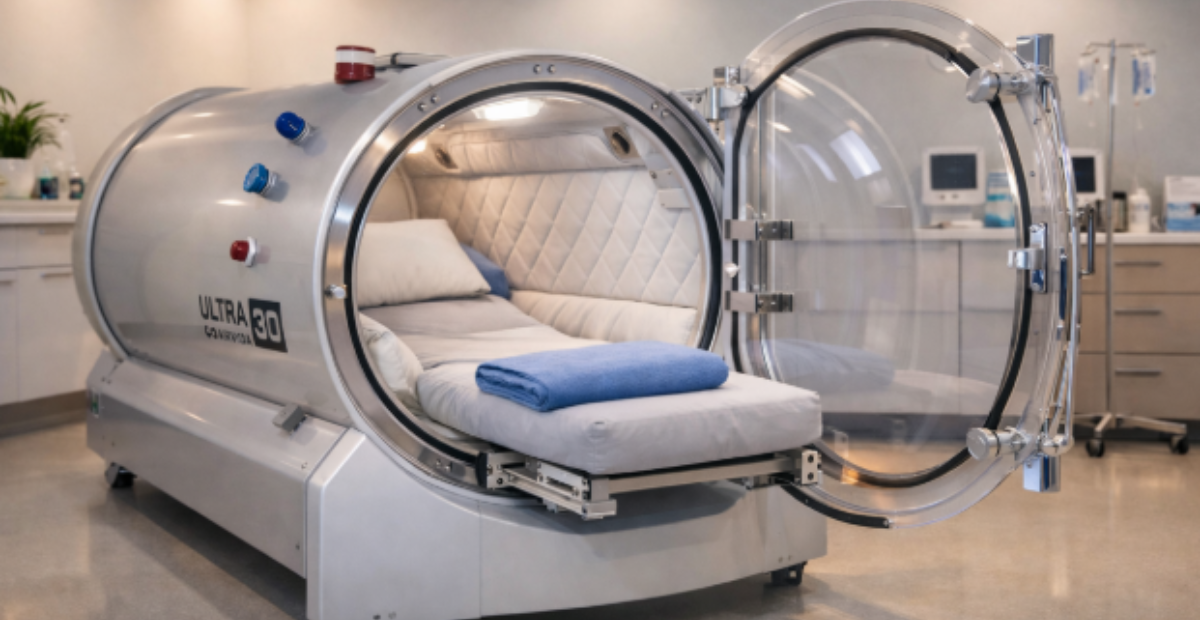
Using a hyperbaric chamber hair transplant recovery protocol can significantly improve graft survival rates and speed up healing time after your procedure. This oxygen therapy works by flooding your scalp tissue with concentrated oxygen, helping transplanted follicles take root faster and reducing common complications like swelling and infection.
Hair transplant surgery is a major investment in your appearance and confidence, so giving your scalp the best chance to heal properly makes sense. Many top hair restoration clinics now recommend hyperbaric oxygen therapy as part of their post-operative care plans because it addresses the core challenge of any transplant: keeping new grafts alive while they establish blood supply in their new location.
In this guide, we'll walk you through how hyperbaric therapy supports hair transplant recovery, when to start treatments, what results you can expect, and how to decide if this approach is right for your situation.
Accelerate your recovery with confidence. Explore our hyperbaric oxygen chamber designed for optimal healing.
Hyperbaric Collections You May Want to Shop

What Is Hyperbaric Chamber Therapy for Hair Transplant
Hyperbaric oxygen therapy (HBOT) involves breathing pure oxygen inside a pressurized chamber. The increased pressure allows your blood to carry more oxygen than normal, which then reaches areas of your body that need healing support.
For hair transplant patients, this means newly transplanted follicles get a concentrated oxygen boost right when they need it most. During the first few days after surgery, grafts are extremely vulnerable because they haven't yet formed new blood vessel connections in their new location.
How the Therapy Works
Inside a hyperbaric chamber, atmospheric pressure increases to 1.5 to 3 times normal levels. You breathe 100% oxygen instead of regular air, which is only about 21% oxygen.
This combination forces oxygen to dissolve directly into your blood plasma, not just attach to red blood cells. The result is that oxygen reaches areas with poor circulation or inflammation much more effectively.
Your scalp after a hair transplant has thousands of tiny wounds where grafts were placed. Each wound needs oxygen to heal properly. The transplanted follicles themselves are essentially living tissue that's been moved to a new location and needs to survive until new blood vessels grow to support them.
Standard hyperbaric chamber treatment sessions last 60 to 90 minutes. Most hair transplant protocols recommend starting within 24 to 48 hours after surgery and continuing for 5 to 10 sessions over the following two weeks.
Why Hair Transplants Benefit From Extra Oxygen
Hair grafts are extremely delicate in the first 72 hours after transplant. They're living tissue without a blood supply, relying on fluid absorption from surrounding tissue to stay alive.
Research shows that graft survival rates improve when oxygen levels in the scalp tissue increase. More oxygen means better cellular function, faster wound healing, and stronger follicle attachment.
The scalp naturally has good blood flow, but surgical trauma causes swelling and inflammation that temporarily restricts circulation. Hyperbaric oxygen bypasses this problem by saturating your blood plasma with oxygen that can reach tissues even when normal blood flow is compromised.
This therapy also helps reduce the oxidative stress that occurs after surgery. When tissue is cut and grafts are moved, it triggers inflammatory responses that can damage cells if left unchecked.
How Hyperbaric Oxygen Therapy Supports Hair Transplant Recovery
The recovery period after a hair transplant determines whether your investment pays off. Hyperbaric therapy targets several key aspects of healing that directly impact your final results.
Improved Graft Survival Rates

The number one concern after any hair transplant is whether the grafts will survive. Studies on surgical wound healing show that hyperbaric oxygen can improve graft survival by 15 to 30% compared to standard recovery alone.
Each transplanted follicle needs to establish new blood vessel connections within 3 to 5 days. Before that happens, the graft relies on diffusion to get nutrients and oxygen from surrounding tissue. Hyperbaric therapy supercharges this process by flooding the area with available oxygen.
Surgeons who track graft survival rates notice fewer "dead" or non-growing grafts in patients who complete hyperbaric protocols. This translates to better density in your final results and less need for additional procedures to fill in gaps.
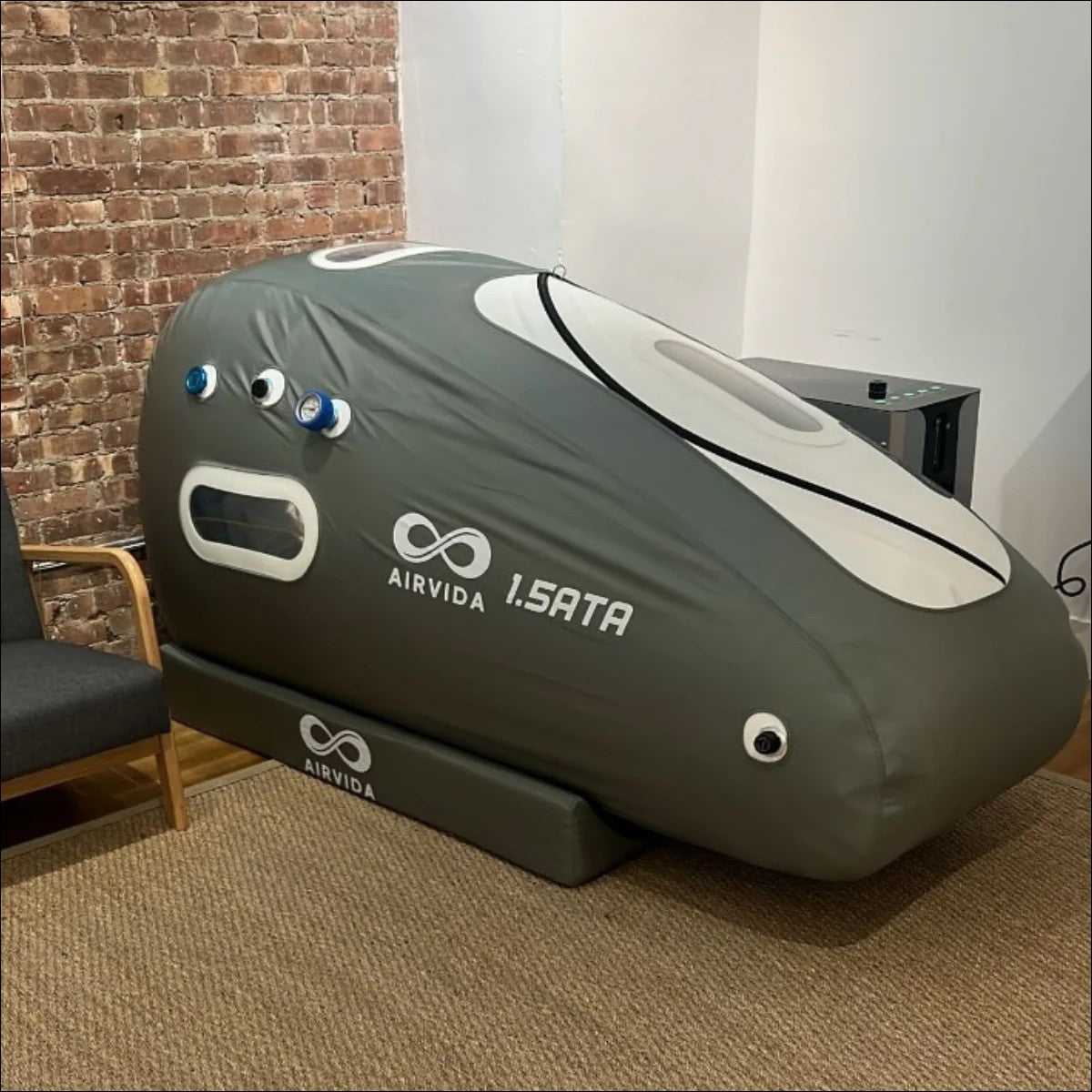
The Airvida portable hyperbaric chamber makes it convenient to get these treatments at home during your critical recovery window.
Reduced Swelling and Inflammation
Swelling is one of the most uncomfortable parts of hair transplant recovery. Your forehead and around your eyes can puff up significantly in the first few days after surgery.
Hyperbaric oxygen helps control inflammation by reducing the activity of inflammatory cells and decreasing fluid buildup in tissues. Many patients report that swelling goes down faster and feels less severe when they use oxygen therapy.
Less swelling also means less pressure on newly transplanted grafts. When your scalp swells, it can compress blood vessels and reduce circulation to the very areas that need it most. By keeping inflammation under control, hyperbaric therapy helps maintain better blood flow throughout recovery.
Faster Wound Healing
Your scalp has thousands of tiny puncture wounds after a hair transplant. Each donor site and recipient site needs to close and heal properly to avoid scarring and infection.
Oxygen is required for every stage of wound healing, from initial clot formation to tissue regeneration. Hyperbaric therapy speeds up this process by providing the oxygen your cells need to build new tissue faster.
Patients often notice that scabbing resolves more quickly and the redness in their scalp fades sooner when using oxygen therapy. The donor area at the back of the head also heals faster, which matters if you had an FUT procedure with a linear incision.
Lower Infection Risk
Infections after hair transplant are rare but can be devastating. An infection can kill grafts and leave permanent scarring in the affected area.
Hyperbaric oxygen has natural antibacterial properties. Many types of bacteria struggle to survive in high-oxygen environments. The therapy also boosts your immune system's ability to fight off any bacteria that do try to take hold.
This protective effect is particularly valuable in the first week after surgery when your scalp is most vulnerable. Even minor bacterial contamination can cause problems, so anything that strengthens your natural defenses is worthwhile.
Hyperbaric Chambers You May Want to Shop
Explore More


Benefits of Hyperbaric Chamber Hair Transplant Recovery

Understanding the specific advantages helps you decide if this therapy makes sense for your situation. Here's how hyperbaric oxygen stacks up against standard recovery protocols:
|
Recovery Aspect |
Standard Recovery |
With Hyperbaric Oxygen Therapy |
|
Graft Survival |
85-90% typical survival rate |
95-98% survival rate reported |
|
Swelling Duration |
Peaks days 3-4, resolves by day 7-10 |
Peaks day 2-3, resolves by day 5-7 |
|
Scabbing Timeline |
Scabs form and last 7-14 days |
Scabs smaller and resolve by day 7-10 |
|
Return to Normal Activity |
10-14 days for most activities |
7-10 days for most activities |
|
Infection Risk |
1-2% with proper care |
Less than 0.5% with therapy |
|
Donor Area Healing |
10-14 days to close completely |
7-10 days to close completely |
Who Benefits Most From This Approach
Not everyone needs hyperbaric therapy to have a successful hair transplant, but certain people see particularly strong benefits:

Large Transplant Sessions: If you're having 3,000 or more grafts placed in one session, the extra support for healing makes more sense. Larger sessions create more trauma and stress on your scalp.
Previous Failed Transplants: If you've had poor graft survival in past procedures, oxygen therapy can help overcome whatever factors limited your success before.
Medical Conditions That Affect Healing: Diabetics, smokers, and people with circulation problems have documented healing challenges. Hyperbaric oxygen helps compensate for these underlying issues.
Older Patients: After age 50, healing naturally slows down. The therapy can help restore more youthful healing capacity during your recovery window.
People Seeking Maximum Results: If you want every possible advantage to ensure the best outcome, hyperbaric therapy is one of the few interventions with solid evidence behind it.
For specialized recovery support, consider air embolism hyperbaric chambers designed for medical-grade healing protocols.
When to Use Hyperbaric Chamber After Hair Transplant
Timing matters significantly when it comes to getting benefits from oxygen therapy. The most critical window is the first two weeks after your procedure, but specific timing within that period affects your results.
Optimal Treatment Timeline

Most protocols recommend starting hyperbaric sessions within 24 to 48 hours after your transplant. This catches the grafts during their most vulnerable period before they've established any blood supply in their new location.
The standard protocol looks like this:
|
Treatment Phase |
Timing |
Session Frequency |
Purpose |
|
Critical Phase |
Days 1-5 post-op |
Daily sessions (90 minutes) |
Maximum oxygen to grafts during survival period |
|
Early Healing |
Days 6-10 post-op |
Every other day (60-90 minutes) |
Support blood vessel formation and wound closure |
|
Stabilization |
Days 11-14 post-op |
2-3 sessions total (60 minutes) |
Reinforce healing and reduce any lingering inflammation |
|
Optional Extended |
Weeks 3-4 post-op |
1-2 sessions (60 minutes) |
Some patients continue for hair growth stimulation |
What Happens in Each Session
When you arrive for a session, you'll typically change into comfortable clothing and remove any items that could be affected by pressure changes, like watches or jewelry.
You enter the chamber and get settled, usually lying down. The technician gradually increases the pressure over about 10 minutes. You'll feel a sensation similar to ascending in an airplane, and you'll need to equalize your ears by yawning or swallowing.
Once at full pressure, you simply relax and breathe normally. Some people read, listen to music, or rest during this time. The pure oxygen you're breathing is odorless and requires no special effort on your part.
After 60 to 90 minutes at pressure, the technician gradually brings you back to normal pressure over another 10 minutes. You can then go about your day normally. There's no recovery time needed from the therapy itself.
Practical Scheduling Tips
Plan your transplant around your ability to commit to the treatment schedule. Having sessions available close to home or work makes it much easier to stick with the protocol.
Some patients arrange to take a full two weeks off work, which gives them flexibility to attend daily sessions without stress. Others coordinate their procedure with a period when they can work from home and schedule morning or evening appointments.
If you're traveling for your hair transplant, check whether your surgeon's clinic offers hyperbaric therapy on-site or has partnerships with nearby facilities. Many specialized hair restoration centers now include this as part of their premium recovery packages.
The convenience of home-based therapy has improved significantly. Portable chambers now offer medical-grade treatment quality, and learning about hyperbaric treatment success rate can help you understand what to expect from your investment.
How to Boost Blood Flow After a Hair Transplant

Healthy circulation is key to graft survival and healing.
First 48 Hours
Keep your head elevated while sleeping to reduce swelling. Avoid bending over or lowering your head below your heart. Stay well hydrated.
Nutrition
Eat foods that support vascular health like salmon, walnuts, flaxseeds, and leafy greens. Limit salt and avoid alcohol for at least a week. Check with your surgeon before taking supplements.
Activity
Take short, light walks after a few days. Avoid strenuous exercise and heavy lifting for about two weeks. Gentle facial movements may be allowed after the first week if your surgeon approves.
Safety Considerations and When Not to Use Hyperbaric Chamber
While hyperbaric oxygen therapy is generally safe, certain medical conditions require special precautions or make the therapy inappropriate.
Medical Conditions That Require Caution
People with untreated pneumothorax (collapsed lung) should not use hyperbaric chambers. The pressure changes can worsen this condition and cause serious complications.
If you have a current upper respiratory infection, sinus infection, or severe congestion, postpone therapy until you've recovered. You need to be able to equalize pressure in your ears and sinuses comfortably during treatment.
Certain medications, particularly some cancer chemotherapy drugs, don't combine well with hyperbaric oxygen. If you're on any prescription medications, review them with both your surgeon and the hyperbaric therapy provider.
Pregnancy requires extra discussion with your medical team. While hyperbaric oxygen isn't necessarily dangerous during pregnancy, most providers prefer to avoid it unless there's a clear medical need.
People with pacemakers or certain implanted medical devices need device-specific evaluations before starting therapy. Many modern devices are fine, but older models may have issues with pressure changes.
Understanding does hyperbaric chamber age you can address common concerns about long-term effects of the therapy.
Normal Side Effects vs. Warning Signs
Most people tolerate hyperbaric therapy extremely well, but some temporary side effects are normal. Ear pressure or popping sensations are common and resolve once you've equalized. If you can't equalize or experience pain, tell the operator immediately so they can adjust the pressurization rate.
Temporary vision changes can occur with repeated sessions. Your eyesight might seem slightly different for a few hours after treatment, similar to how your vision fluctuates throughout a normal day. This always resolves on its own.
Mild fatigue after sessions is normal, especially in the first few treatments. Your body is working hard to heal, and the concentrated oxygen can have a slightly sedating effect on some people.
Warning signs that need immediate attention include severe ear pain, dizziness that doesn't resolve quickly, chest pain, or difficulty breathing. These are rare but require stopping treatment and medical evaluation.
Combining With Other Recovery Protocols
Hyperbaric therapy works alongside standard post-transplant care, not instead of it. You'll still need to follow your surgeon's instructions about washing your hair, taking prescribed medications, and avoiding direct sun exposure.
Some patients use additional healing supports like PRP (platelet-rich plasma) therapy, low-level laser therapy, or topical growth factors. These approaches are generally compatible with hyperbaric oxygen, but coordinate all treatments through your surgeon to ensure proper timing and avoid any conflicts.
The combination approach often produces the best results. Each therapy supports healing through different mechanisms, so using multiple strategies gives your transplanted grafts every possible advantage.
Wrapping Up Your Hair Transplant Recovery Strategy
Combining hyperbaric oxygen therapy with your hair transplant helps create an ideal environment for graft survival and early healing. By delivering concentrated oxygen, it supports follicles during their most vulnerable stage. While standard recovery works for many patients, hyperbaric therapy may improve healing speed, graft retention, and overall comfort, especially for larger procedures or patients with slower healing factors.
Remember, it complements—not replaces—proper aftercare. Follow your surgeon’s instructions, stay hydrated, eat well, rest, and be patient. Shedding in the first weeks is normal, with new growth typically starting around month three.
At Airvida Chambers, we help patients choose chambers suited for safe, effective recovery.
Ready to give your hair transplant the best chance for success? Discover our full range of hyperbaric oxygen chambers designed for optimal recovery and healing.
Frequently Asked Questions
Does hyperbaric chamber help hair transplant?
Yes, hyperbaric chambers help hair transplants by increasing oxygen delivery to transplanted follicles during their critical survival period. Studies show improved graft survival rates of 15-30% compared to standard recovery alone. The therapy reduces swelling, speeds wound healing, and lowers infection risk by flooding scalp tissue with concentrated oxygen that supports cellular function and new blood vessel formation.
Is hyperbaric oxygen therapy good for hair loss?
Hyperbaric oxygen therapy shows promise for certain types of hair loss, particularly conditions involving poor scalp circulation or inflammation. Some studies suggest it may help with alopecia areata and other inflammatory hair loss conditions by improving blood flow and reducing oxidative stress. However, it's most effective as a transplant recovery tool rather than a primary hair loss treatment for pattern baldness.
Is a hyperbaric chamber safe after surgery?
Hyperbaric chambers are generally safe after surgery and are specifically used to enhance surgical healing. The pressurized oxygen environment accelerates wound healing and reduces post-operative complications. However, you should wait until any drainage tubes are removed and cleared by your surgeon, typically 24-48 hours post-surgery. People with certain conditions like untreated pneumothorax should avoid the therapy regardless of surgery status.
How to increase blood flow to head after hair transplant?
Increase blood flow after hair transplant by staying well-hydrated, eating foods rich in omega-3 fatty acids and leafy greens, keeping your head elevated when resting, and taking short walks after the first few days. Avoid bending over, heavy lifting, or strenuous exercise for two weeks. Hyperbaric oxygen therapy provides the most direct method of improving scalp circulation during recovery by saturating blood plasma with oxygen.
What did Elon Musk use to regrow his hair?
Elon Musk has never publicly confirmed his hair restoration method, though hair transplant specialists who've analyzed his photos suggest he likely had one or more FUT or FUE hair transplant procedures. Some speculation includes use of finasteride or other hair loss medications to maintain results. Modern hair restoration combines surgical transplants with medical therapies and advanced recovery protocols like hyperbaric oxygen for optimal outcomes.
When not to use hyperbaric chamber?
Do not use a hyperbaric chamber if you have untreated pneumothorax (collapsed lung), current upper respiratory or sinus infections, or certain types of lung disease. People taking bleomycin or doxorubicin chemotherapy should avoid the therapy. Pregnancy, certain seizure disorders, and claustrophobia may require special considerations. Always disclose all medical conditions and medications to your hyperbaric provider before starting treatment to ensure safety.
Disclaimer
Airvida and partners advice does not constitute medical advice and is intended for informative and educational purposes only with no medical or non medical claims being made. While research & studies show the potential Hyperbaric Oxygen Therapy (HBOT) and Hyperbaric Air Therapy (HBAT) may have implied benefits, individual results may vary. It is required by Airvida & Partners to consult with doctors before being approved for Hyperbaric Therapy (HBOT & HBAT). Read More HERE