


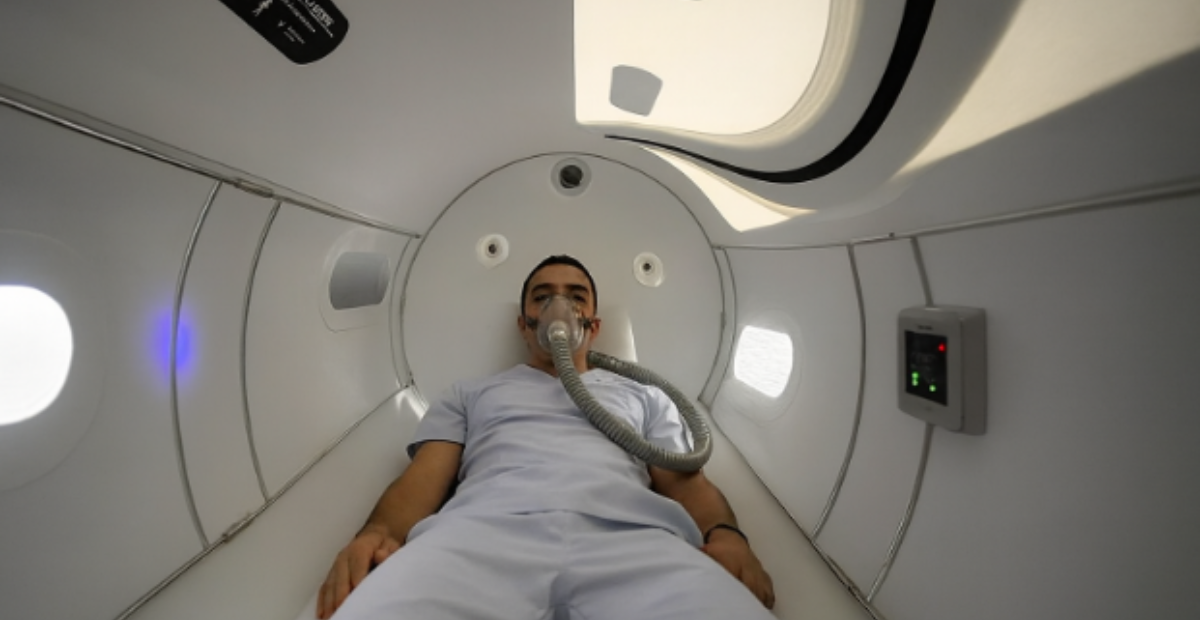
The best hyperbaric oxygen therapy for mold toxicity improves oxygen delivery, reduces inflammation, and supports detox pathways affected by mold exposure. It helps repair tissues damaged by mycotoxins while strengthening immune response and lung function.
If you’ve experienced brain fog, fatigue, breathing issues, or chronic inflammation after mold exposure, hyperbaric oxygen therapy may be one of the most supportive recovery tools available today. Keep reading to learn how it works, why it helps, and which options are most effective for long-term healing.
Understanding Mold Toxicity and Why Oxygen Matters

Mold toxicity occurs when you’re exposed to mold spores or mycotoxins, often in water-damaged buildings. Over time, this exposure can trigger immune dysregulation, chronic inflammation, and reduced oxygen utilization in tissues.
Common symptoms include:
-
Persistent fatigue
-
Brain fog and memory issues
-
Shortness of breath
-
Headaches
-
Joint pain
-
Anxiety or mood changes
Mold toxins can impair mitochondrial function, which reduces cellular energy production. When oxygen delivery drops or becomes inefficient, healing slows down. This is where hyperbaric oxygen therapy becomes relevant. For individuals exploring treatment options across different regions, options such as hyperbaric chamber Tijuana provide access to specialized oxygen therapy services in internationally recognized wellness destinations.
Hyperbaric Collections You May Want to Shop

What Is Hyperbaric Oxygen Therapy and How Does It Work
Hyperbaric Oxygen Therapy, often called HBOT, involves breathing concentrated oxygen inside a pressurized chamber. The increased atmospheric pressure allows oxygen to dissolve directly into plasma, not just red blood cells.
Under pressure, oxygen reaches:
-
Inflamed tissues
-
Damaged blood vessels
-
Areas with restricted circulation
-
Brain regions affected by toxicity
This enhanced oxygenation helps:
-
Reduce inflammation
-
Support detox pathways
-
Improve mitochondrial energy
-
Promote tissue repair
For mold-related illness, maintaining optimal oxygen saturation can support immune function, helping the body respond more effectively to toxins. By calming chronic inflammatory responses, improving circulation, and enhancing cellular repair, oxygen therapy may promote recovery, reduce symptoms, and assist overall wellness when integrated consistently with other supportive health strategies.
Why Hyperbaric Oxygen Therapy Is Effective for Mold Toxicity

The body relies on oxygen for cellular repair and detoxification. Mold exposure can compromise both, potentially disrupting mitochondrial efficiency, immune balance, and inflammatory control. When oxygen delivery is optimized, tissues may function more effectively and healing pathways can activate. Complementary therapies, such as guided movement, can further support recovery learn how small daily exercises add up in the article 10 Minutes on Vibration Plate Equals How Many Steps?.
-
Reduces Neuroinflammation
Mold toxins frequently impact neurological function, contributing to brain fog, memory lapses, and fatigue. Increased oxygen delivery may support brain metabolism, circulation, and cellular repair, potentially improving cognitive clarity over time.
-
Improves Lung Function
If mold exposure has caused respiratory irritation, hyperbaric oxygen therapy may enhance alveolar oxygen exchange, improve lung tissue function, and support overall respiratory recovery, potentially reducing inflammation and promoting easier breathing over time.
-
Supports Immune Regulation
HBOT can help modulate the immune system, potentially calming overactive inflammatory pathways, supporting balanced immune responses, reducing tissue stress, and assisting the body in managing inflammation more effectively over time.
-
Boosts Detox Efficiency
Oxygen therapy can improve circulation, aiding the transport of toxins to the body’s natural elimination pathways. Combined with its cellular benefits, this approach serves as a powerful complementary therapy for mold-related illnesses.
Types of Hyperbaric Chambers: Which Is Best
There are two primary types of chambers used for mold recovery: monoplace and multiplace hyperbaric chambers. Monoplace chambers accommodate a single person, while multiplace chambers can treat several individuals simultaneously. Both types aim to increase oxygen delivery to tissues, supporting detoxification, cellular repair, and overall recovery from the effects of mold exposure.
|
Chamber Type |
Pressure Range |
Best For |
Accessibility |
|
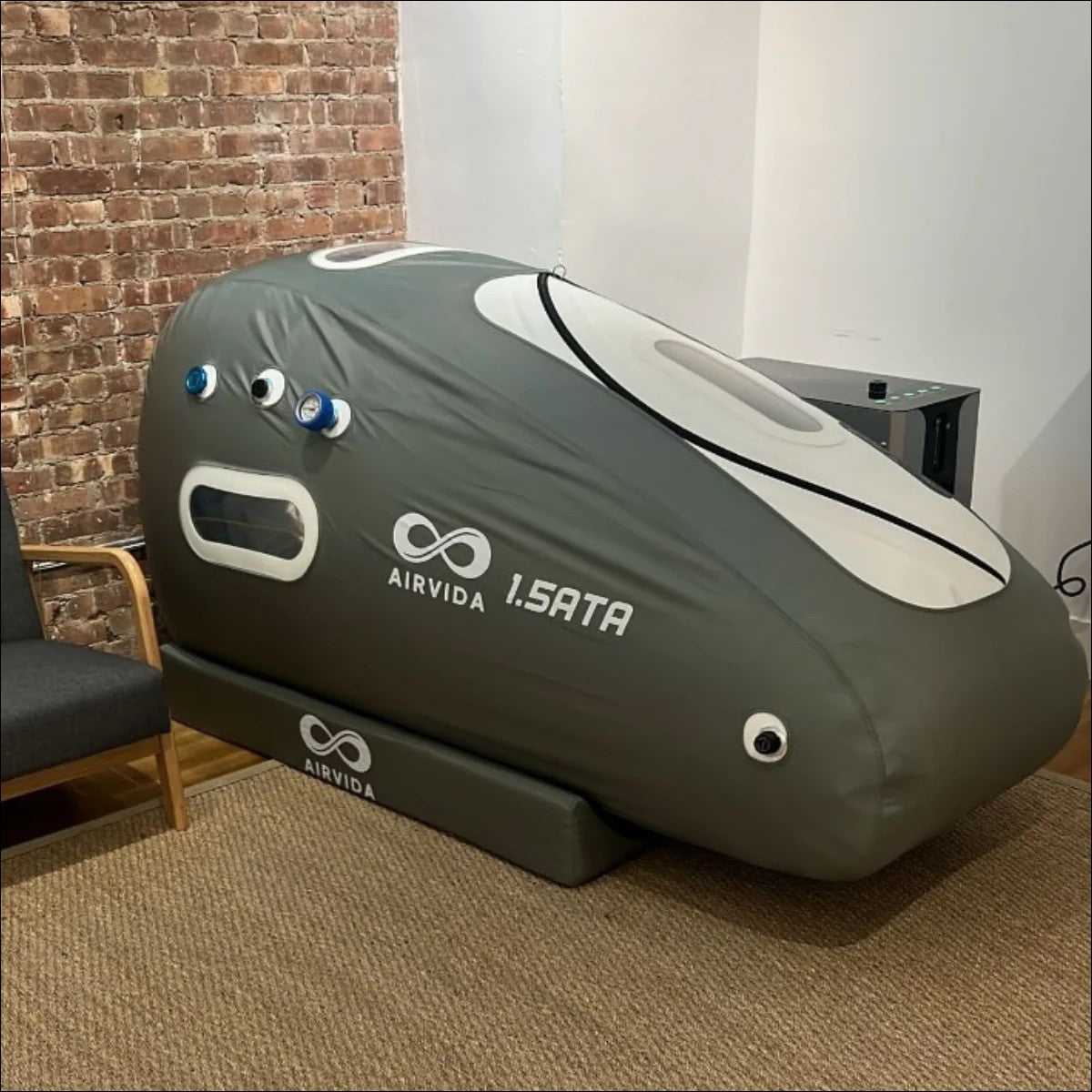
Soft Chamber (Mild HBOT) |
1.3–1.5 ATA |
Chronic inflammation, long-term detox |
Home use |
|
Hard Chamber (Clinical HBOT) |
2.0–3.0 ATA |
Severe infections, acute injuries |
Medical facilities |
For most mold toxicity cases, mild hyperbaric oxygen therapy is preferred because:
-
It supports long-term use
-
It is gentler on the nervous system
-
It can be used consistently at home
-
It focuses on chronic inflammatory recovery
If you are exploring options in Southern California, you can browse available chambers in the hyperbaric chamber Encinitas collection. Consistency is often more important than intensity when healing mold-related inflammation.
Hyperbaric Chambers You May Want to Shop
Explore More


How Many Sessions Are Needed for Mold Recovery
Healing timelines vary, but mold toxicity typically requires multiple hyperbaric oxygen therapy sessions. Progress depends on individual factors such as exposure severity, overall health, and adherence to treatment. Consistent therapy, combined with supportive lifestyle changes like proper nutrition, hydration, and rest, may help optimize recovery and gradually restore cellular and systemic function.
|
Condition Severity |
Recommended Sessions |
Frequency |
|
Mild Symptoms |
20–30 sessions |
3–5 per week |
|
Moderate Symptoms |
40–60 sessions |
4–5 per week |
|
Severe / Chronic |
60+ sessions |
Ongoing cycles |
Many individuals begin noticing improvements after 10–15 sessions, particularly in sleep quality and mental clarity. However, mold toxicity is rarely a quick fix. A structured plan combined with environmental remediation and nutritional support produces the best outcomes.
What Makes the Best Hyperbaric Oxygen Therapy for Mold Toxicity

The best hyperbaric oxygen therapy for mold toxicity includes three essential components: consistent treatment sessions, safe and controlled pressure levels, and integration with supportive lifestyle practices. Together, these elements may enhance cellular repair, improve oxygen delivery, and assist the body’s natural detoxification processes, potentially promoting more effective and lasting recovery outcomes.
-
Appropriate pressure range (1.3–1.5 ATA for chronic cases)
-
Consistent scheduling
-
Integration with detox protocols
Oxygen therapy alone is not a cure. It works best alongside:
-
Mold avoidance and home remediation
-
Binder supplements under medical supervision
-
Anti-inflammatory nutrition
-
Nervous system regulation practices
When these elements work together, cellular repair accelerates. Improved oxygen saturation may support mitochondrial function, enhance circulation, and assist the body’s natural detoxification pathways. Over time, this coordinated response can potentially promote tissue recovery, reduce inflammation, and support overall resilience. For readers researching location-specific options, articles like Best Hyperbaric Chamber Wilmington, NC: A Complete Buyer and User Guide offer helpful insights into what to look for when considering treatment providers.
Practical Tips to Maximize Results
To get the most from your therapy, it’s important to follow a consistent treatment schedule, monitor pressure levels carefully, and combine sessions with supportive lifestyle habits. Proper nutrition, hydration, rest, and medical guidance can enhance oxygen delivery, promote cellular repair, and potentially accelerate recovery from mold-related toxicity over time.
-
Hydrate before sessions
-
Avoid heavy meals right before treatment
-
Practice slow nasal breathing inside the chamber
-
Track symptoms weekly
-
Combine with gentle movement
Many patients report improved sleep after sessions. Using therapy earlier in the day may help regulate circadian rhythm.
Healing the Lungs After Mold Exposure
Lung irritation is common after prolonged exposure. Recovery requires both structural repair and inflammation reduction.
Hyperbaric oxygen supports:
-
Oxygen diffusion efficiency
-
Reduced airway inflammation
-
Tissue regeneration
Combine HBOT with:
-
Steam inhalation
-
HEPA air purification
-
Pulmonary breathing exercises
-
Anti-inflammatory diet
Oxygen therapy enhances the body’s natural repair cycle, particularly when inflammation has limited oxygen delivery.
Long-Term Outlook for Mold Recovery

Recovery from mold toxicity can take months depending on exposure duration. Oxygen therapy helps accelerate tissue repair and nervous system balance. The best hyperbaric oxygen therapy for mold toxicity focuses on sustainable improvement rather than short-term symptom relief. With consistent use, many people experience:
-
Clearer cognition
-
Better energy levels
-
Reduced respiratory discomfort
-
Improved sleep patterns
Healing is progressive. Patience and consistency matter. The body often responds gradually as oxygen delivery, circulation, and cellular repair mechanisms improve over time. Staying committed to a structured plan under professional guidance may help optimize results and reduce setbacks. For those evaluating regional providers, articles like Best Hyperbaric Chamber Birmingham, AL: Top Options outlines key considerations when selecting a reputable facility.
Final Thoughts
Choosing the right hyperbaric system can significantly influence recovery outcomes. When combined with proper detox support and environmental correction, hyperbaric oxygen becomes a powerful regenerative tool.
If you are searching for the best hyperbaric oxygen therapy for mold toxicity, prioritize consistency, safe pressure ranges, and supportive lifestyle changes for lasting results. Work with a qualified medical professional, follow a structured treatment plan, and combine therapy with proper detoxification, nutrition, hydration, and rest to potentially enhance long-term recovery outcomes.
Frequently Asked Questions
Can a hyperbaric chamber help with mold toxicity?
Yes. Hyperbaric oxygen therapy increases oxygen delivery to inflamed and toxin-affected tissues, which supports cellular repair and immune regulation. Mold toxins often impair mitochondrial function and circulation, making oxygen less efficiently used in the body. By increasing oxygen under pressure, HBOT helps reduce neuroinflammation, improve lung capacity, and support detox pathways. While it should be part of a comprehensive recovery plan, many patients report noticeable improvements in fatigue, brain fog, and respiratory symptoms after consistent sessions.
How many HBOT sessions for mold?
The number of sessions depends on severity. Most mold toxicity cases require between 20 and 60 sessions, with moderate to severe cases sometimes needing ongoing cycles. Many individuals begin noticing cognitive clarity and improved sleep after 10 to 15 sessions. However, long-term inflammation often requires consistent therapy over several weeks. A provider can help tailor frequency based on symptoms and response.
What is the best treatment for mold toxicity?
There is no single cure. The best treatment for mold toxicity combines environmental remediation, detox support, and oxygen therapy. Removing the source of exposure is essential. After that, supporting the immune system, reducing inflammation, and improving oxygen delivery are key. Hyperbaric oxygen therapy stands out because it directly enhances tissue oxygenation while calming chronic inflammatory responses. A personalized approach guided by a healthcare provider is recommended.
How to heal your lungs after mold exposure?
Healing requires both inflammation reduction and oxygen support. Improving oxygen delivery and reducing airway inflammation are essential steps in lung recovery. Hyperbaric oxygen therapy can enhance oxygen diffusion into lung tissues while supporting regeneration. Combine therapy with clean indoor air, breathing exercises, hydration, and anti-inflammatory nutrition. Over time, consistent care helps restore respiratory comfort and stamina.