


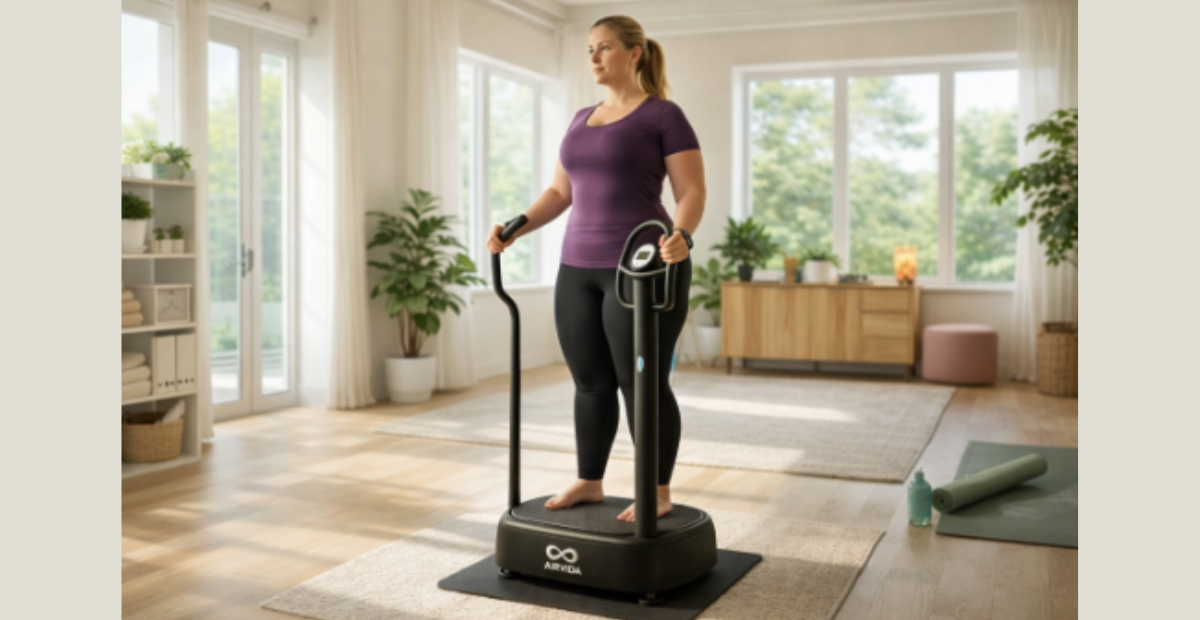
The best vibration plate for lipedema combines adjustable frequency settings, gentle oscillation modes, and stability features that support lymphatic drainage without overworking sensitive tissue. Vibration therapy can help stimulate blood flow, reduce fluid buildup, and improve mobility when used consistently alongside medical treatments like compression therapy and manual lymphatic drainage.
If you're managing lipedema symptoms and wondering whether vibration plates can help, you're in the right place. This guide breaks down how vibration therapy works for lipedema, which features matter most, and how to choose a machine that fits your needs and comfort level.
Support your lymphatic health with quality equipment. Browse vibration therapy machines for home use designed for wellness and circulation.
What Is Lipedema and Why Vibration Therapy Helps

Lipedema is a chronic condition that causes abnormal fat buildup, usually in the legs, hips, and sometimes arms. Unlike regular weight gain, this fat doesn't respond well to diet or exercise alone. It often comes with pain, swelling, bruising, and a heavy feeling in affected areas.
The condition affects the lymphatic system, which is responsible for draining excess fluid from tissues. When lymph flow slows down, fluid builds up and worsens swelling and discomfort.
How Vibration Plates Support Lipedema Management
Vibration plates create rapid up-and-down or side-to-side movements that cause your muscles to contract and relax repeatedly. This rhythmic muscle activity can help push lymph fluid through the body more effectively.
Here's what vibration therapy does:
-
Stimulates muscle contractions without heavy exercise
-
Improves blood circulation to affected areas
-
Encourages lymphatic drainage to reduce swelling
-
Reduces stiffness and improves joint mobility
-
Activates deeper muscle layers that are hard to reach with regular movement
Vibration therapy doesn't cure lipedema, but it can ease symptoms when combined with other treatments like compression garments, healthy eating, and physical therapy.
Vibration Therapy Machines You May Want to Shop
Explore More


Who Benefits Most From Vibration Plates
Vibration therapy works well for people who:
-
Have early to moderate lipedema stages
-
Experience leg heaviness or swelling after standing
-
Want a low-impact way to boost circulation
-
Need gentle movement that doesn't strain joints
-
Are combining multiple lipedema management strategies
If you have severe swelling, open wounds, or certain health conditions, talk to your doctor before starting vibration therapy.
Key Features to Look for in a Vibration Plate for Lipedema
Not all vibration plates work the same way. When choosing the best vibration plate for lipedema, focus on features that support gentle, consistent lymphatic stimulation without causing discomfort.
Adjustable Frequency Settings
Frequency measures how many vibrations happen per second (measured in Hertz or Hz). Lower frequencies (5-20 Hz) create gentle, wavelike movements that mimic walking. Higher frequencies (30-50 Hz) provide stronger muscle stimulation.
For lipedema, you want a machine that offers both ranges. Start with lower frequencies to see how your body responds, then gradually increase intensity if comfortable.
Vibration Motion Types
Different vibration patterns affect the body in different ways:
-
Oscillation (side-to-side): Gentle tilting motion that feels like walking or rocking. Good for beginners and sensitive tissue.
-
Vertical (up-and-down): Stronger, more direct muscle activation. Can feel more intense.
-
3D motion (spiral or combination): Moves in multiple directions at once for deeper stimulation.
Oscillation or 3D motion tends to work better for lipedema because they provide thorough circulation support without being too aggressive.
Stability and Safety Features
Look for:
-
Sturdy handrails for balance
-
Non-slip platform surface
-
Wide base that doesn't wobble
-
Easy-to-reach controls
-
Gradual speed changes instead of sudden jumps
These features make sessions safer and more comfortable, especially if you experience balance issues or leg fatigue.
Size and Portability
Consider where you'll use the vibration plate. Larger models with handrails offer more stability but take up more space. Smaller, portable units are easier to store but may lack support features.
For consistent use at home, a mid-sized machine with handrails gives you the best balance of stability and convenience.
Top Vibration Plate Options for Lipedema Support

Here's a breakdown of vibration plates designed to support lymphatic health and circulation. Each model offers different features depending on your comfort level and wellness goals.
|
Feature |
Airvida Vibratech Plus |
Airvida Vibratech Pro |
Airvida x Dr. Mueller Red Light Plate |
|
Frequency Range |
5-40 Hz |
30-50 Hz |
Adjustable vibration + red light therapy |
|
Motion Type |
Oscillation & spiral |
3D motion |
Combination vibration |
|
Best For |
Beginners, sensitive tissue |
Stronger muscle activation |
Combined circulation & skin health |
|
Session Length |
5-20 minutes |
5-20 minutes |
10-20 minutes |
|
Stability Features |
Handrails, wide base |
Sturdy platform |
Stable design with light panel |
|
Special Benefits |
Gentle progressive use |
Deeper lymphatic stimulation |
Red light reduces inflammation |
Airvida Vibratech Plus: Gentle Introduction to Vibration Therapy

The Vibratech Plus offers lower to moderate frequencies (5-40 Hz) with oscillation and spiral motion modes. This makes it ideal if you're new to vibration therapy or have very sensitive tissue.
Lower frequencies create a gentle, walking-like motion that doesn't overwhelm swollen areas. The handrails and stability features let you use it regularly without worry.
Best choice for: People who want a comfortable, progressive start with vibration therapy and need gentle lymphatic support.
Airvida Vibratech Pro: Stronger Circulation Support

The Vibratech Pro provides adjustable frequencies from 30-50 Hz with 3D motion for deeper muscle stimulation. Higher frequencies amplify muscle activation, which can help push more lymph fluid through the system.
Short sessions of 5-20 minutes make it accessible even for beginners, but the stronger vibration gives you more circulation benefits as you build tolerance.
Best choice for: Those who want more powerful muscle stimulation to support lymphatic movement and overall mobility. Buy the Airvida Vibratech Pro vibration therapy machine to experience advanced circulation support.
Airvida x Dr. Mueller Red Light Vibration Plate: Combined Therapy Benefits
This model combines vibration therapy with red light therapy in one session. The vibration component activates muscles and promotes blood and lymph flow in the lower body.
Red light therapy may improve circulation and reduce inflammation, which can be helpful when combined with vibration for overall tissue health. This dual approach gives you two therapeutic benefits at once.
Best choice for: People who want to combine vibration therapy with skin and circulation support in one session. Shop the Airvida x Dr. Mueller red light vibration plate for comprehensive wellness support.
How to Use a Vibration Plate for Lipedema Relief

Getting started with vibration therapy doesn't have to be complicated. Follow these steps to use your vibration plate safely and effectively for lymphatic support.
Starting Your First Session
Begin with the lowest frequency setting on your machine. Stand on the platform with your feet shoulder-width apart, knees slightly bent, and hold onto the handrails if available.
Start with just 5 minutes for your first session. This gives your body time to adjust to the new sensation. You may feel tingling or slight muscle fatigue afterward, which is normal.
Wait a day before your next session to see how your body responds. If you feel fine, you can gradually increase session length by 1-2 minutes each time.
Best Standing Positions and Movements
Try these positions during your vibration sessions:
-
Basic stance: Feet hip-width apart, slight knee bend
-
Wide stance: Feet farther apart to target inner thigh area
-
Calf raises: Lift onto toes to activate lower leg muscles
-
Light squats: Gentle up and down movements to engage thighs
Keep movements small and controlled. The vibration does most of the work, so you don't need to exercise hard.
Want to maximize your results? Explore effective vibration plate exercises that support lymphatic drainage and circulation.
Session Frequency and Duration
Here's a practical schedule to follow:
|
Week |
Frequency |
Duration |
Intensity Level |
|
1-2 |
2-3 times per week |
5-10 minutes |
Lowest setting |
|
3-4 |
3-4 times per week |
10-15 minutes |
Low to medium setting |
|
5+ |
4-5 times per week |
15-20 minutes |
Medium setting (adjust as comfortable) |
Listen to your body throughout. If you experience increased swelling, pain, or discomfort, reduce frequency or intensity. Never push through pain.
Combining Vibration Therapy with Other Treatments
Vibration plates work best as part of a complete lipedema management plan. Combine your sessions with:
-
Compression garments: Wear them after vibration sessions to help maintain lymph flow
-
Manual lymphatic drainage: Professional massage techniques that move fluid toward lymph nodes
-
Low-impact exercise: Walking, swimming, or yoga on non-vibration days
-
Anti-inflammatory diet: Foods that help reduce swelling and inflammation
-
Proper hydration: Water helps flush the lymphatic system
Always check with your healthcare provider or physical therapist before adding vibration therapy to your routine. They can help you adjust intensity and frequency based on your specific condition.
Curious about measurable progress? See real vibration plate before and after results from people using consistent vibration therapy.
Practical Tips for Getting the Most From Your Vibration Plate
Small adjustments can make a big difference in how well vibration therapy supports your lipedema symptoms. Here are proven strategies to improve your results.
Start Low and Go Slow
Begin with the gentlest frequency your machine offers. Even if it feels like nothing at first, your lymphatic system is responding to the muscle contractions.
Increase intensity gradually over several weeks rather than jumping to higher settings right away. This prevents overwhelming your body and helps you build tolerance safely.
Stay Consistent With Sessions
Regular use matters more than long sessions. Doing 10 minutes four times per week gives better results than doing 30 minutes once per week.
Set a schedule and stick to it. Many people find that using their vibration plate at the same time each day helps build the habit.
Pay Attention to Your Body's Signals
Watch for signs that you need to adjust your approach:
-
Increased swelling after sessions means lower the intensity or shorten the time
-
Muscle soreness that lasts more than a day suggests you're overdoing it
-
Feeling energized and lighter means you've found a good balance
Your body will tell you what works. Trust those signals and adjust accordingly.
Create a Comfortable Routine
Make your vibration sessions something you look forward to:
-
Use your machine in a comfortable, well-lit space
-
Play music or listen to podcasts during sessions
-
Wear comfortable clothing that doesn't restrict circulation
-
Keep a water bottle nearby to stay hydrated
Wondering about equivalency? Find out how many steps 10 minutes on a vibration plate equals to understand the movement benefit you're getting.
Track Your Progress
Keep a simple log of:
-
Session date, duration, and intensity
-
How you felt before and after
-
Any changes in swelling, pain, or mobility
-
Photos every few weeks to document visible changes
Tracking helps you see patterns and stay motivated, especially since lipedema improvements can be gradual.
What to Expect When Using Vibration Therapy for Lipedema
Understanding realistic outcomes helps you stay motivated and adjust your approach as needed. Here's what most people experience when using vibration plates for lipedema support.
Timeline for Noticeable Changes
First 2 weeks: You may notice improved circulation, slight reduction in leg heaviness, and better sleep. Some people feel more energized after sessions.
Weeks 3-6: Gradual decrease in swelling may become visible, especially after consistent use. Skin may feel less tight or uncomfortable. Mobility and flexibility often improve.
Months 2-3: More significant changes in tissue texture, reduced pain levels, and better response to compression garments. Progress varies greatly between individuals.
Remember that vibration therapy supports symptom management but doesn't eliminate lipedema. Results work best when combined with other treatments your healthcare team recommends.
Common Experiences During Sessions
During vibration therapy, you might feel:
-
Tingling sensation in your legs
-
Gentle muscle contractions
-
Warmth in the treatment area
-
Slight itching as circulation improves
These sensations are normal. If you experience sharp pain, dizziness, or severe discomfort, stop immediately and consult your doctor.
When to Consult Your Healthcare Provider
Always talk to your doctor or physical therapist before starting vibration therapy if you:
-
Have severe swelling or open wounds
-
Experience significant pain during sessions
-
Take blood thinners or have circulatory conditions
-
Are pregnant or have certain health conditions
-
Notice worsening symptoms after starting vibration therapy
Your healthcare team can help you adjust intensity, frequency, and technique for safety and effectiveness.
Wrapping Up: Finding Your Ideal Vibration Plate for Lipedema Support
Choosing the right vibration plate for lipedema means selecting comfort, stability, and results. Gentle oscillation supports sensitive tissue, while advanced 3D motion helps stimulate lymphatic flow and circulation. Look for adjustable frequencies, solid construction, and easy controls so you can use it consistently and safely at home.
At Airvida Chambers, our vibration therapy machines are built to support lymphatic drainage, reduce daily discomfort, and complement compression, nutrition, and medical guidance. Whether you are starting or upgrading, we offer reliable options for every budget. Take control of your wellness today and explore our vibration therapy collection designed for lipedema support now.
You May Also Like to Read:
Best Vibration Plate for Weight Loss
Vibration Plate Before and After Pictures
Vibration Plate Exercises: How They Work and Who Benefits
Frequently Asked Questions
Does a vibration plate really help lipedema?
Yes, vibration plates can help manage lipedema symptoms by stimulating muscle contractions that promote lymphatic drainage and improve circulation. The rapid vibrations encourage fluid movement through the lymphatic system, which can reduce swelling and heaviness in affected areas.
Many people with lipedema report feeling lighter and experiencing less discomfort when using vibration therapy consistently alongside other treatments like compression garments and manual lymphatic drainage. However, vibration therapy doesn't cure lipedema—it supports symptom management as part of a comprehensive treatment plan.
What are the best vibration plates for lymphatic drainage?
The best vibration plates for lymphatic drainage offer adjustable frequency ranges (5-50 Hz), oscillation or 3D motion patterns, and stable construction with handrails. Look for machines that let you start at lower frequencies for gentle lymphatic stimulation, then gradually increase intensity as your body adapts.
Models with oscillation motion create a side-to-side movement that mimics walking, which is particularly effective for encouraging lymph flow without overwhelming sensitive tissue. Stability features like handrails and non-slip surfaces help you maintain proper form during sessions, which maximizes drainage benefits.
Can a vibration plate help with leg fat?
Vibration plates don't directly reduce fat, including lipedema fat, but they can improve how your legs feel and function. The muscle contractions stimulated by vibration therapy boost circulation and lymphatic drainage, which may reduce swelling and make legs appear less bulky. Some users notice improved skin texture and reduced fluid retention over time.
For lipedema specifically, vibration therapy helps manage symptoms rather than eliminate the condition. Combining vibration sessions with anti-inflammatory eating, compression therapy, and appropriate exercise gives the best results for overall leg health and comfort.
How to start using a vibration plate for lipedema?
Start with the lowest frequency setting your machine offers and stand on the platform for just 5 minutes during your first session. Hold the handrails if available and keep your knees slightly bent. Wait a day to see how your body responds before your next session.
If you feel fine, gradually increase session length by 1-2 minutes and use the machine 2-3 times per week initially. After a few weeks, you can work up to 15-20 minute sessions 4-5 times weekly. Always check with your healthcare provider before starting vibration therapy to ensure it's appropriate for your specific condition and stage of lipedema.
Does rebounding work for lipedema?
Rebounding (jumping on a mini trampoline) and vibration plates both support lymphatic drainage through repetitive muscle contractions, but they work differently. Rebounding requires more physical effort and balance, which may be difficult if you have significant swelling or mobility issues.
Vibration plates provide similar lymphatic benefits with less strain on joints and less risk of injury. Many people with lipedema find vibration therapy more accessible because it requires minimal movement while still stimulating circulation effectively. Both options can be beneficial—choose based on your comfort level, balance ability, and current symptoms.
What helps break up lipedema?
Lipedema fat is resistant to diet and exercise alone, but several approaches help manage the condition: manual lymphatic drainage massage moves trapped fluid toward lymph nodes, compression garments prevent fluid buildup, anti-inflammatory nutrition reduces swelling, and low-impact movement like vibration therapy stimulates circulation.
Some people pursue liposuction specifically designed for lipedema (tumescent or water-assisted) to remove abnormal fat deposits. Vibration therapy supports this management plan by encouraging lymphatic flow and reducing tissue congestion. No single treatment "breaks up" lipedema completely, but combining multiple strategies can significantly improve symptoms, mobility, and quality of life over time.
Disclaimer
Airvida and partners advice does not constitute medical advice and is intended for informative and educational purposes only with no medical or non medical claims being made. While research & studies show the potential Hyperbaric Oxygen Therapy (HBOT) and Hyperbaric Air Therapy (HBAT) may have implied benefits, individual results may vary. It is required by Airvida & Partners to consult with doctors before being approved for Hyperbaric Therapy (HBOT & HBAT). Read More HERE