



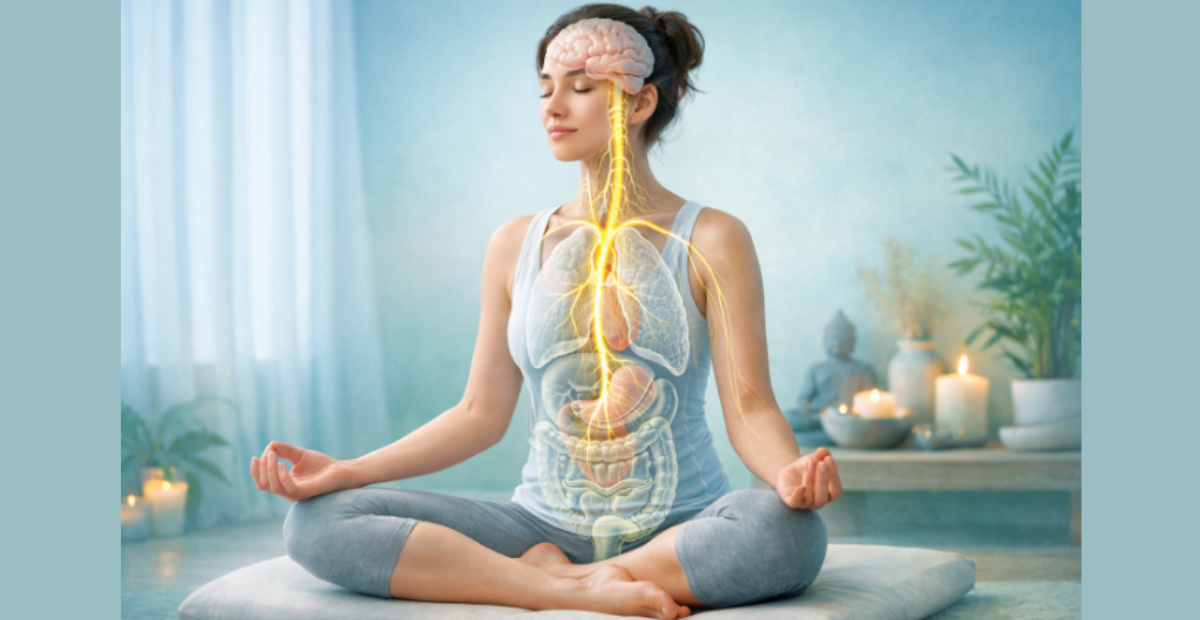
A vagus nerve reset is a set of simple techniques that help restore balance to your nervous system by activating the vagus nerve, which controls relaxation, digestion, and stress response. These methods include deep breathing, cold exposure, humming, and gentle massage to shift your body from fight-or-flight mode into a calm, healing state.
When stress builds up or your body feels constantly on edge, resetting your vagus nerve can bring quick relief. This powerful nerve connects your brain to many vital organs, and learning to activate it properly can transform how you feel throughout the day.
In this guide, we'll show you practical ways to perform a vagus nerve reset, explain why it works, and help you understand which techniques fit your lifestyle best.
Experience targeted relief with our vagus nerve stimulators for cluster headache relief and take control of your wellness.
What Is a Vagus Nerve Reset
The vagus nerve is the longest nerve in your body, running from your brain down through your neck, chest, and abdomen. It plays a major role in your parasympathetic nervous system, which controls rest, digestion, and recovery.
When you reset your vagus nerve, you're essentially helping your body switch from stressed to calm. This process reduces inflammation, improves heart rate variability, and helps your organs function better.
How the Vagus Nerve Affects Your Body

Your vagus nerve influences many body systems at once. It controls your heart rate, digestion, immune response, and even your mood. When it functions well, you feel calm, focused, and physically comfortable.
The nerve sends signals between your brain and organs in both directions. It tells your brain about what's happening in your gut, heart, and lungs. It also carries messages from your brain to these organs to regulate their activity.
Low vagal tone means your vagus nerve isn't working efficiently. This can lead to anxiety, digestive issues, inflammation, and difficulty recovering from stress. High vagal tone indicates a healthy, responsive nervous system.
Why You Need to Reset Your Vagus Nerve
Modern life keeps many people stuck in fight-or-flight mode. Constant stress, poor sleep, and unhealthy habits can suppress vagus nerve function over time.
When your vagus nerve doesn't work properly, you might experience:
-
Chronic stress or anxiety
-
Digestive problems like bloating or constipation
-
Irregular heartbeat or high blood pressure
-
Poor sleep quality
-
Frequent headaches or migraines
-
Difficulty concentrating
Resetting your vagus nerve helps reverse these problems. It activates your body's natural relaxation response, allowing healing and recovery to happen.
Simple Techniques for Vagus Nerve Reset
You don't need special equipment or medical training to reset your vagus nerve. Several simple, science-backed methods can activate this nerve and bring your nervous system back into balance.
Deep Breathing Exercises

Slow, deep breathing is one of the fastest ways to stimulate your vagus nerve. When you breathe deeply from your diaphragm, it sends signals to your brain that it's safe to relax.
Try this technique: Breathe in slowly through your nose for a count of four. Hold for a count of four. Breathe out through your mouth for a count of six. Repeat this cycle five to ten times.
The longer exhale is key. It activates the vagus nerve more than the inhale does, signaling your body to shift into rest mode.
Practice this breathing pattern whenever you feel stressed, before meals to improve digestion, or before bed to help you sleep better.
Cold Exposure Methods

Cold temperatures strongly activate the vagus nerve. Even brief exposure can trigger a powerful reset response in your nervous system.
Splash cold water on your face, especially around your eyes and forehead. This activates the diving reflex, which immediately stimulates the vagus nerve and slows your heart rate.
Take a cold shower for 30 seconds to two minutes. Start with warm water, then switch to cold at the end. The shock of cold water forces your body to adapt, strengthening vagal tone over time.
Some people use ice packs on the back of their neck or chest. Place the ice pack for one to three minutes while breathing slowly and deeply.
Humming, Singing, and Gargling
Your vagus nerve runs right past your vocal cords. When you use your voice in specific ways, you create vibrations that directly stimulate the nerve.
Humming is simple and effective. Hum your favorite song or just make a steady humming sound for several minutes. You should feel the vibration in your throat and chest.
Singing works even better because it combines humming with deeper breathing. Sing along to music in your car or shower. The louder and longer you sing, the more you activate your vagus nerve.
Gargling with water creates strong vibrations in your throat. Gargle for 30 seconds to one minute, two to three times per day. This can be especially helpful if you have digestive issues.
Learn more about a simple guide to vagus nerve function to understand how these techniques work.
Self-Massage Techniques
You can manually stimulate your vagus nerve through gentle massage in specific areas of your body.
Massage the sides of your neck where the vagus nerve runs. Use gentle, downward strokes from behind your ear down to your collarbone. Do this for two to three minutes on each side.
The tragus, that small piece of cartilage in front of your ear canal, is another powerful point. Gently press and massage this area in small circles for one to two minutes.
Some people find relief by massaging their feet. The reflexology points on your feet connect to your vagus nerve and can help activate it indirectly.
Comparing Vagus Nerve Reset Methods
Different techniques work better for different situations. Here's how the main methods compare:
|
Method |
Time Needed |
Best For |
Difficulty |
Cost |
|
Deep Breathing |
2-5 minutes |
Immediate stress relief, anywhere |
Very easy |
Free |
|
Cold Exposure |
30 seconds - 2 minutes |
Quick activation, building resilience |
Moderate |
Free |
|
Humming/Singing |
3-5 minutes |
Digestive issues, mood improvement |
Easy |
Free |
|
Self-Massage |
5-10 minutes |
Tension relief, bedtime routine |
Easy |
Free |
|
Vagus Nerve Stimulator |
15-20 minutes |
Chronic conditions, consistent results |
Very easy |
Moderate |
Vagus Nerve Device You May Want to Shop
Explore More
Choosing the Right Technique for You
Pick methods based on when and where you need relief. Deep breathing works anywhere and gives fast results when anxiety hits. Cold exposure is perfect for morning routines to energize your nervous system.
Humming and singing fit well into daily activities like driving or showering. Self-massage works best as part of a wind-down routine before bed.
For people dealing with chronic conditions like cluster headaches or severe anxiety, the Neurive Healaon Pro vagus nerve stimulator offers a more consistent, targeted approach.
Advanced Vagus Nerve Reset Strategies
Once you master the basic techniques, you can combine methods or use more advanced strategies for stronger results.
Combining Multiple Techniques

Stacking several vagus nerve exercises creates a more powerful reset. Try this sequence: Start with two minutes of deep breathing. Follow with 30 seconds of cold water on your face. Finish with three minutes of humming or singing.
This combination activates your vagus nerve through multiple pathways at once. The effects build on each other, creating a deeper state of relaxation than any single method alone.
Time your practice for maximum benefit. Morning resets energize your nervous system for the day. Evening resets prepare your body for deep, restorative sleep.
Using Technology for Vagus Nerve Stimulation
Medical-grade vagus nerve stimulators deliver precise electrical signals to activate the nerve. These devices offer consistent results without requiring much effort or technique.
They work by sending gentle electrical pulses through the skin to stimulate the vagus nerve directly. Most people use them for 15 to 20 minutes once or twice daily.
Research shows these devices can help with various conditions including migraines, anxiety, inflammation, and digestive disorders. They're especially useful when natural methods alone don't provide enough relief.
Discover safe ways to stimulate the vagus nerve at home for daily wellness support.
Lifestyle Changes That Support Vagal Tone
Long-term vagal health requires more than just reset exercises. Certain lifestyle habits either support or suppress your vagus nerve function.
Regular exercise, especially activities that raise your heart rate moderately, strengthens vagal tone over time. Yoga and tai chi are particularly effective because they combine movement with breath control.
Quality sleep is essential. Your vagus nerve repairs and recharges during deep sleep. Aim for seven to nine hours of uninterrupted sleep each night.
Probiotics and fermented foods support the gut-brain connection through the vagus nerve. Your gut bacteria communicate with your brain via this nerve, so gut health directly affects nervous system health.
Social connection also matters. Positive interactions with others activate the vagus nerve and support emotional regulation.
Measuring Your Progress
Tracking your results helps you understand which techniques work best for your body.
Signs Your Vagus Nerve Is Resetting
You'll notice several changes when your vagus nerve function improves. Your resting heart rate may decrease. You might feel calmer in situations that normally stress you out.
Digestion often improves within a few days. You may notice less bloating, more regular bowel movements, and better nutrient absorption.
Sleep quality typically gets better. You'll fall asleep faster and wake up feeling more refreshed.
Mood and focus improve as your nervous system balances. You may find it easier to concentrate and feel more emotionally stable.
How Long Does a Reset Take
Immediate effects can happen within minutes of practicing a technique. You might feel your heart rate slow, your breathing deepen, or tension release from your muscles.
Consistent daily practice brings deeper changes over two to four weeks. Your baseline stress level drops, and your body becomes more resilient to new stressors.
For chronic conditions, it may take one to three months of regular practice to see significant improvement. Be patient and consistent.
Explore practical ways to stimulate the vagus nerve for ongoing health benefits.
Common Mistakes to Avoid
Even simple techniques can be done incorrectly. Here's what to watch out for:
Overdoing It
More isn't always better. Doing cold exposure for too long can stress your body instead of helping it. Start with short sessions and gradually increase.
Some people try to practice every technique multiple times per day. This can actually overstimulate your nervous system. Pick two to three methods and use them consistently rather than trying everything at once.
Expecting Instant Results for Chronic Issues
While you'll feel some immediate effects, healing chronic nervous system dysfunction takes time. If you've been stressed for years, your vagus nerve won't fully reset in a week.
Keep practicing even when progress feels slow. The cumulative effects build over time.
Ignoring Other Health Factors
Vagus nerve exercises work best as part of an overall healthy lifestyle. They can't completely override the effects of poor sleep, bad diet, or chronic dehydration.
Address multiple aspects of your health at once for the best results. For comprehensive wellness support, consider the full range of Airvida Chambers wellness solutions.
When to Seek Professional Help
Most people can safely practice vagus nerve reset techniques on their own. However, some situations require medical guidance.
See a doctor if you experience severe or worsening symptoms despite regular practice. This includes intense chest pain, severe digestive issues, or panic attacks that don't respond to breathing exercises.
If you have a diagnosed condition like epilepsy, heart disease, or severe mental health issues, talk to your healthcare provider before starting any new nervous system techniques.
A trained practitioner can help if you're not sure you're doing the techniques correctly or if you want a personalized plan based on your specific health needs.
Final Thoughts: Supporting Your Vagus Nerve, the Smarter Way
Resetting your vagus nerve does not need to feel overwhelming. Small, intentional habits like slow breathing, gentle cold exposure, or humming can help calm your nervous system and bring noticeable changes to how your body responds to stress.
What truly matters is consistency. When these practices become part of your daily rhythm, they work together to support better digestion, steadier moods, deeper relaxation, and overall resilience.
That said, lifestyle techniques are only one piece of the puzzle. Many people choose to enhance their routine with advanced wellness tools designed to support the body’s natural healing response. Oxygen-based therapies, when used appropriately, may help create an environment where your nervous system can recover more efficiently and maintain balance.
At Airvida Chambers, we believe wellness should feel supportive, not complicated. When combined with quality sleep, nourishing food, regular movement, and meaningful connections, the right tools can help you take a more proactive approach to nervous system health.
Your body already knows how to heal. The goal is simply to give it the right conditions to do so consistently and effectively.
You Might Also Like to Read
What Does the Vagus Nerve Do? Functions & Health Benefits
How to Calm Vagus Nerve: A Complete Guide to Relaxation and Recovery
How to Heal the Vagus Nerve Naturally and Safely
Frequently Asked Questions About Vagus Nerve Reset
How to do a vagus nerve reset?
Start with deep breathing: inhale for four counts, hold for four, exhale for six. Repeat five to ten times. You can also splash cold water on your face, hum for three to five minutes, or gently massage the sides of your neck. Practice one or more of these techniques daily for best results.
What are the symptoms of an irritated vagus nerve?
An irritated vagus nerve can cause digestive issues like bloating, nausea, or irregular bowel movements. You might experience anxiety, rapid heartbeat, difficulty swallowing, or changes in voice. Some people get frequent headaches, feel constantly tired, or have trouble concentrating. Mood swings and sensitivity to stress are also common signs.
How to heal vagus nerve damage naturally?
Natural healing focuses on consistent stimulation through breathing exercises, cold exposure, and vocal exercises like humming or singing. Regular meditation, yoga, and good sleep support nerve repair. Eating anti-inflammatory foods and taking omega-3 supplements can help. Recovery typically takes several weeks to months of daily practice.
What is the pressure point for the vagus nerve?
The tragus, the small cartilage piece in front of your ear canal, is a key pressure point. Gently press and massage this area in small circles for one to two minutes. The sides of your neck, from behind your ear down to your collarbone, are also effective areas to massage for vagus nerve stimulation.
Can I massage the vagus nerve myself?
Yes, you can safely massage areas where the vagus nerve runs close to the surface. Use gentle, downward strokes on the sides of your neck, or press the tragus near your ear opening. Apply light to moderate pressure and massage for two to five minutes. Stop if you feel dizzy or uncomfortable.
What does an overstimulated vagus nerve feel like?
Overstimulation can cause dizziness, extremely low heart rate, or feeling faint. You might experience excessive tiredness, brain fog, or digestive slowdown. Some people feel nauseous or have difficulty staying alert. If you notice these symptoms, reduce the intensity or frequency of your vagus nerve exercises.
Disclaimer
Airvida and partners advice does not constitute medical advice and is intended for informative and educational purposes only with no medical or non medical claims being made. While research & studies show the potential Hyperbaric Oxygen Therapy (HBOT) and Hyperbaric Air Therapy (HBAT) may have implied benefits, individual results may vary. It is required by Airvida & Partners to consult with doctors before being approved for Hyperbaric Therapy (HBOT & HBAT). Read More HERE