


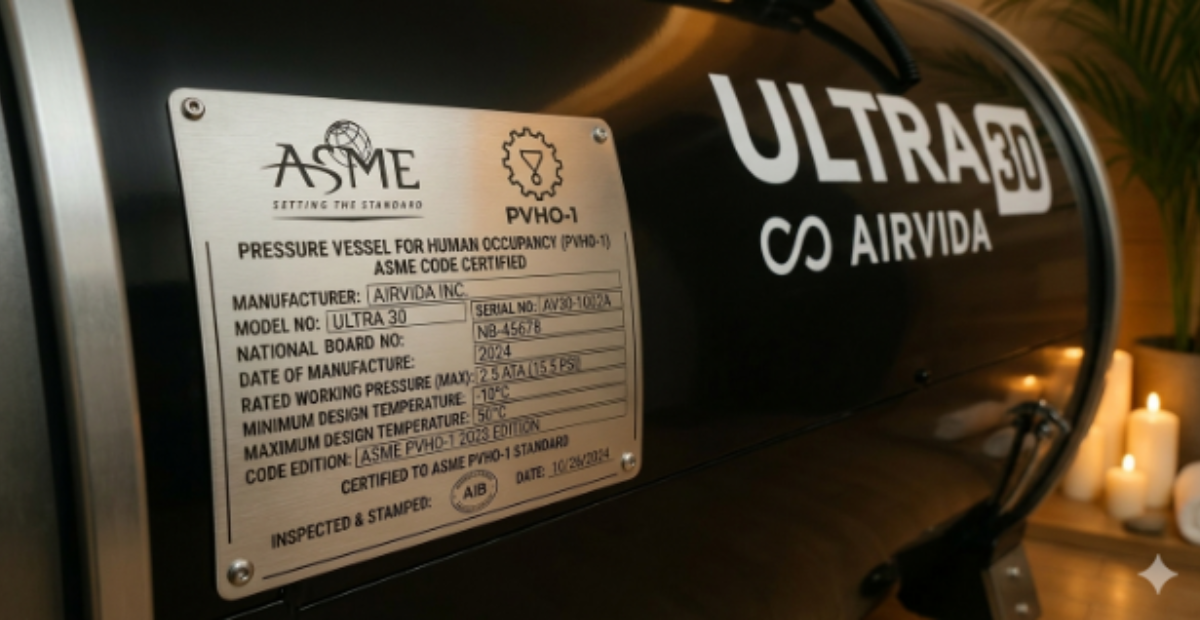
The asme pvho-1 hyperbaric chamber standard ensures that pressure vessels designed for human occupancy meet strict safety and performance requirements. It defines how chambers should be built, tested, and certified to protect users under pressure.
If you're considering a hyperbaric chamber, understanding this standard helps you choose a system that is safe, compliant, and reliable for long-term use. It also ensures the equipment meets strict pressure vessel guidelines, giving you greater confidence in performance, durability, and overall safety during each therapy session over time.
What Is the ASME PVHO-1 Hyperbaric Chamber Standard
The asme pvho-1 hyperbaric chamber standard is a guideline developed to regulate pressure vessels used for human occupancy. These include hyperbaric chambers used in medical, wellness, and recovery settings.
Unlike general pressure vessel standards, PVHO-1 focuses specifically on environments where people are inside the chamber during operation. That distinction changes everything, from material selection to testing requirements. For example, facilities offering a hyperbaric chamber in Indianapolis must adhere to PVHO-1 to ensure occupant safety and compliance with rigorous engineering standards.
Basic Definition and Purpose
ASME PVHO-1 stands for “Pressure Vessels for Human Occupancy.” It is designed to ensure that any chamber used for pressurized oxygen therapy can safely handle repeated pressure cycles without structural failure.
This standard covers:
-
Material strength and durability
-
Window and viewport safety
-
Pressure testing procedures
-
Design calculations and safety margins
The goal is simple: protect human life while maintaining consistent chamber performance. This standard establishes clear safety requirements, material specifications, and testing protocols to minimize risks. By following these guidelines, manufacturers and operators can ensure reliable operation, reduce potential hazards, and provide a safer, more controlled environment for every hyperbaric therapy session.
Why the ASME PVHO-1 Standard Matters

Not all hyperbaric chambers are built the same. Some meet strict engineering standards, while others cut corners. That’s where PVHO-1 becomes essential, providing a clear benchmark for safety, design, and testing. It helps buyers identify trustworthy systems and avoid poorly constructed chambers that could compromise both performance and user safety over time.
Safety and Reliability
Hyperbaric chambers operate under increased atmospheric pressure. Without proper design, this can pose serious risks.
A PVHO-1 compliant chamber undergoes:
-
Rigorous pressure testing
-
Structural integrity checks
-
Long-term durability validation
This reduces the risk of leaks, cracks, or catastrophic failure.
Consistency in Performance
When a chamber follows this standard, you can expect consistent oxygen delivery and pressure stability. This is especially important for medical and therapeutic use.
Legal and Industry Compliance
Many healthcare providers and institutions require PVHO-1 compliance before using a chamber. It ensures the equipment meets recognized engineering benchmarks.
Hyperbaric Chambers You May Want to Shop
Explore More


How ASME PVHO-1 Differs From Other Standards
Understanding how PVHO-1 compares to other standards helps clarify its importance. It highlights the specific safety, design, and testing requirements unique to hyperbaric chambers. By comparing it with broader pressure vessel standards, you can better appreciate why PVHO-1 is critical for ensuring safe, reliable, and consistent performance in medical and wellness settings.
Comparison Table: PVHO-1 vs Other Standards
|
Standard |
Primary Use |
Key Focus |
Human Occupancy |
|
ASME PVHO-1 |
Hyperbaric chambers |
Safety under pressure |
✅ Yes |
|
ASME Section VIII |
Industrial pressure vessels |
Structural integrity |
❌ No |
|
EN 13445 |
European pressure vessels |
Manufacturing compliance |
❌ No |
|
AS1210 |
Australian pressure vessels |
Engineering design |
❌ No |
PVHO-1 is unique because it specifically addresses the risks of having people inside the vessel. Unlike general pressure standards, it focuses on human occupancy, requiring stricter safety measures, material integrity, and testing. These added protections help reduce potential hazards and ensure a safer environment for patients and operators during every hyperbaric session. This is especially critical in specialized applications such as a hyperbaric chamber for drowning victims, where patient safety and chamber reliability are paramount.
How to Identify a PVHO-1 Compliant Chamber
Not every manufacturer clearly states compliance, so you need to know what to look for. Checking certifications, documentation, and adherence to PVHO-1 guidelines can help you verify quality. This ensures you’re investing in a chamber that meets proper safety standards, rather than relying on unclear claims or potentially misleading marketing information.
Key Indicators
-
Certification documents from the manufacturer
-
Engineering specifications referencing PVHO-1
-
Verified pressure testing records
-
High-quality materials like reinforced acrylic or steel
If a chamber cannot provide proof, it may not meet the standard.
Types of Hyperbaric Chambers and Their Standards

Hyperbaric chambers are generally categorized into two types, and understanding them helps you choose the right option. Each type differs in pressure capacity, materials, and intended use. Knowing these differences allows you to match the chamber to your needs, whether for clinical treatments, wellness purposes, or personal home use safely.
Class A vs Class B Chambers
|
Feature |
Class A |
Class B |
|
Oxygen Source |
100% oxygen |
Ambient air + oxygen concentrator |
|
Pressure Level |
Higher |
Moderate |
|
Medical Use |
Clinical settings |
Home or wellness |
|
Safety Requirements |
Strict |
Moderate |
Class A chambers often require stricter compliance due to higher oxygen concentration and pressure levels. These systems typically involve increased fire risk and demand advanced safety features, including specialized materials and monitoring systems. Following stricter standards helps ensure safe operation, protecting both patients and operators during high-pressure oxygen therapy sessions over time.
Which Option Is Best for You
Choosing the right chamber depends on your needs, budget, and intended use.
For Medical or Clinical Use
If you are operating in a clinical setting, a PVHO-1 certified chamber is essential. It ensures compliance with safety regulations and provides peace of mind for both staff and patients. This certification also supports consistent performance, reduces liability risks, and demonstrates adherence to recognized engineering and safety standards in medical environments.
For Home or Wellness Use
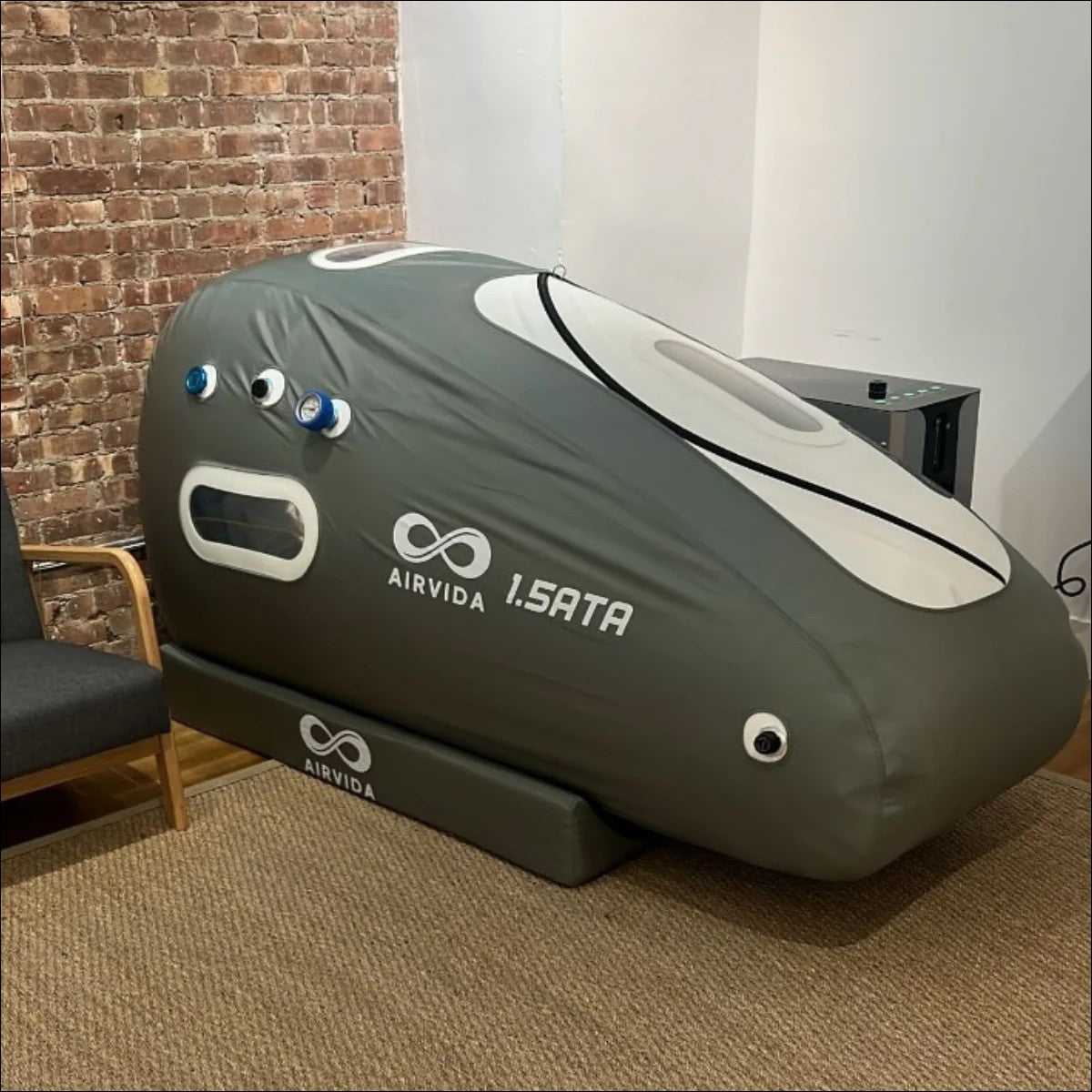
For personal use, you may still benefit from a PVHO-1 compliant system, especially if you plan frequent sessions. It adds a layer of safety that cheaper alternatives may lack.
Explore reliable options here: Hyperbaric chamber Fargo. These collections provide access to chambers designed with safety and performance in mind.
Hyperbaric Collections You May Want to Shop

Real-World Applications of PVHO-1 Chambers
Hyperbaric chambers are used across multiple industries, not just medicine.
Common Use Cases
-
Recovery support for athletes
-
Therapy for veterans
-
Emergency treatment scenarios
-
Wellness and longevity programs
If you want to explore specific use cases, check these helpful guides: Hyperbaric chamber for veterans. These examples show how important safety standards are in real-life situations.
How the ASME PVHO-1 Standard Is Applied

Understanding how this standard is implemented gives you deeper insight into its value.
Design Phase
Engineers calculate pressure limits, material strength, and stress tolerance. Every component must meet strict criteria.
Manufacturing Phase
Materials are tested, assembled, and inspected. Welds, seals, and windows undergo quality checks.
Testing Phase
Chambers are subjected to pressure tests beyond normal operating levels to ensure durability.
Benefits of Choosing a PVHO-1 Certified Chamber
Choosing a compliant chamber is not just about meeting regulations. It offers practical advantages.
Key Benefits
-
Increased safety for users
-
Longer lifespan of equipment
-
Better resale value
-
Confidence in performance
Common Mistakes to Avoid

When buying a hyperbaric chamber, avoid these common pitfalls:
-
Choosing based on price alone
-
Ignoring certification details
-
Not verifying manufacturer claims
-
Using non-compliant chambers for medical purposes
These mistakes can lead to safety risks and long-term costs.
Final Thoughts on ASME PVHO-1 Hyperbaric Chamber Standard
The asme pvho-1 hyperbaric chamber standard is more than just a technical requirement. It is a critical benchmark that ensures safety, reliability, and performance in environments where human lives are involved.
By choosing a chamber that meets this standard, you protect both users and your investment. Whether for medical or personal use, understanding the asme pvho-1 hyperbaric chamber standard helps you make smarter, safer decisions.
Frequently Asked Questions
What is ASME pvho-1?
ASME PVHO-1 is a safety standard for pressure vessels designed for human occupancy. It ensures that hyperbaric chambers are built, tested, and maintained to handle pressure safely while protecting users inside. This includes strict guidelines for materials, design, and performance testing, making it essential for both medical and professional applications.
What is the difference between ASME VIII and EN 13445?
ASME VIII focuses on industrial pressure vessels, while EN 13445 is a European standard for similar equipment. The key difference is that neither is specifically designed for human occupancy. PVHO-1, on the other hand, is tailored for environments where people are inside the vessel, making it more relevant for hyperbaric chambers.
What is the difference between Class A and Class B hyperbaric chambers?
Class A chambers use 100% oxygen, while Class B chambers use ambient air with added oxygen. This difference affects pressure levels, safety requirements, and intended use. Class A systems are typically used in clinical settings, while Class B chambers are more common for home or wellness applications.
What is the difference between ASME VIII and AS1210?
ASME VIII is a U.S. standard, while AS1210 is an Australian pressure vessel standard. Both focus on structural integrity and engineering design but do not specifically address human occupancy. PVHO-1 fills that gap by ensuring safety for chambers used by people under pressure.