



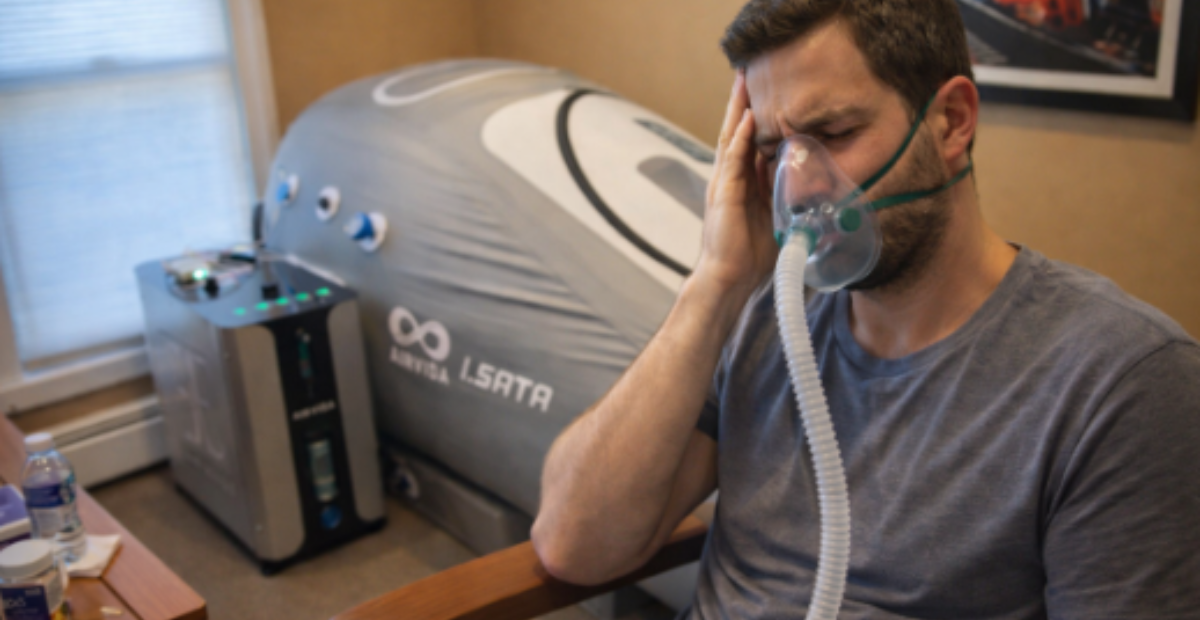
Oxygen therapy for cluster headaches works by delivering 100% oxygen at high flow rates, typically 12-15 liters per minute through a non-rebreather mask. This treatment stops attacks within 15 minutes for most patients and serves as the fastest, most effective abortive treatment available.
Unlike medications that can take 30-45 minutes to work, oxygen therapy acts quickly with minimal side effects. Many neurologists consider it the first-line treatment for stopping cluster headache attacks as they happen.
In this guide, we'll explain how oxygen therapy stops cluster headaches, what equipment you need, proper treatment techniques, and why this approach works better than most medications for immediate relief.
Experience therapeutic oxygen benefits at home. Explore our portable soft hyperbaric oxygen chambers designed for convenient use.
What Are Cluster Headaches
Cluster headaches are severe headaches that occur in cyclical patterns or clusters, earning them the nickname "suicide headaches" due to their extreme intensity. These attacks strike suddenly and cause excruciating pain around one eye or on one side of the head.
The pain typically lasts 15 minutes to 3 hours and can occur multiple times per day during cluster periods. Cluster periods can last weeks or months, followed by remission phases that may last months or years.
Symptoms and Patterns

Cluster headaches create distinct symptoms that set them apart from migraines or tension headaches. The pain concentrates around or behind one eye and often feels like a hot poker stabbing into the eye socket.
During an attack, you might experience:
-
Severe, burning pain on one side of the head
-
Red or watery eye on the affected side
-
Drooping eyelid or smaller pupil
-
Runny or stuffy nose on the affected side
-
Sweating on the face or forehead
-
Restlessness and agitation
The pain comes on quickly, reaching peak intensity within 5-10 minutes. Unlike migraine sufferers who prefer to lie still, people with cluster headaches often pace or rock back and forth because staying still feels impossible.
Attacks follow predictable patterns, often striking at the same time each day. Many people experience attacks during sleep, typically 1-2 hours after falling asleep. The consistency of timing helps distinguish cluster headaches from other headache types.
Why Standard Treatments Fall Short
Traditional pain medications often fail to help cluster headaches because the attacks start and stop too quickly. By the time oral medications take effect (30-45 minutes), the attack has already ended naturally.
Common pain relievers like ibuprofen or acetaminophen provide little to no relief. Even prescription migraine medications work too slowly to stop the severe pain during the critical window.
Preventive medications can reduce attack frequency but don't help once an attack begins. This leaves people desperate for fast-acting abortive treatments that work within minutes, not hours.
The unpredictable nature of attacks makes planning difficult. You need a treatment that works quickly and can be used multiple times per day without serious side effects.
How Oxygen Therapy Stops Cluster Headaches
Oxygen therapy for cluster headaches delivers concentrated oxygen through a face mask, providing rapid relief when attacks strike. This treatment works by changing blood flow patterns and oxygen levels in the brain.
Treatment Protocol and Timing

For oxygen therapy to work effectively for cluster headaches, you must follow specific guidelines. Using room air or low-flow oxygen will not provide the same results.
The standard protocol requires:
-
100% oxygen (not mixed with room air)
-
Flow rate of 12-15 liters per minute minimum
-
Non-rebreather face mask with reservoir bag
-
Sitting position, leaning slightly forward
-
Treatment duration of 15-20 minutes
Start oxygen therapy at the first sign of an attack. The earlier you begin treatment, the faster relief comes. Most people experience significant pain reduction within 7-15 minutes.
Breathe deeply and regularly through the mask. Some people find breathing through the mouth provides faster relief than nose breathing. Stay seated and avoid lying down during treatment.
If pain returns after stopping oxygen, you can repeat the treatment immediately. There are no limits on how many times per day you can use oxygen therapy, making it safer than medication alternatives.
Looking for enhanced oxygen therapy options? Check out our portable sitting hyperbaric chamber for comprehensive treatment.
Oxygen Therapy vs Other Cluster Headache Treatments

Different treatments for cluster headaches work at different speeds and with varying success rates. Understanding how oxygen therapy compares helps you choose the most effective approach for your situation.
|
Treatment Type |
Time to Relief |
Success Rate |
Side Effects |
Usage Limits |
|
High-flow oxygen |
7-15 minutes |
70-80% of attacks |
Minimal to none |
No daily limit |
|
Sumatriptan injection |
10-15 minutes |
75-85% of attacks |
Moderate (chest tightness, tingling) |
2 doses per day maximum |
|
Sumatriptan nasal spray |
15-30 minutes |
50-60% of attacks |
Mild to moderate |
Limited daily use |
|
Oral medications |
30-60 minutes |
20-30% of attacks |
Varies by medication |
Depends on drug type |
|
Preventive medications |
Not for active attacks |
Reduces frequency |
Can be significant |
Daily, long-term use |
Hyperbaric Collections You May Want to Shop

Why Oxygen Works Better Than Medications
Oxygen therapy provides several advantages over pharmaceutical treatments. The speed of relief stands out as the primary benefit, with most people feeling better within 15 minutes.
Unlike triptans, which have strict limits on how many doses you can take per day or week, oxygen can be used as often as needed. This matters greatly during cluster periods when you might experience 3-8 attacks per day.
The side effect profile of oxygen therapy is extremely favorable. While triptans can cause chest pain, tingling, dizziness, or rebound headaches, oxygen causes virtually no negative effects when used correctly.
Cost also plays a role. After the initial equipment investment, oxygen is relatively inexpensive compared to ongoing prescription medication costs, especially for people with frequent attacks.
Oxygen works through a natural mechanism rather than introducing synthetic chemicals into your system. This makes it suitable for people who can't tolerate medications due to heart conditions, high blood pressure, or other health issues.
Combining Oxygen With Other Approaches
Many people use oxygen therapy for cluster headaches as part of a comprehensive treatment plan. Oxygen serves as the primary abortive treatment while other therapies work to prevent attacks from starting.
Preventive medications like verapamil can reduce attack frequency but don't help during active headaches. Using oxygen alongside preventives gives you both attack reduction and fast relief when breakthrough attacks occur.
Some people combine oxygen with cold therapy, applying ice packs to the affected area while breathing oxygen. Others find that specific breathing techniques enhance oxygen's effectiveness.
Hyperbaric oxygen therapy offers another option for some people. Regular sessions in a hyperbaric chamber may help reduce attack frequency over time. Learn more about hyperbaric chamber treatment approaches.
Lifestyle modifications like maintaining regular sleep schedules and avoiding alcohol during cluster periods work alongside oxygen therapy. These changes don't replace oxygen but can make treatment more effective overall.
Setting Up Home Oxygen Therapy

Getting started with oxygen therapy for cluster headaches requires the right equipment and proper setup. Having everything ready before an attack strikes makes treatment much more effective.
You'll need several specific items to use oxygen therapy correctly. Standard nasal cannulas or low-flow systems won't provide enough oxygen to stop cluster attacks.
Essential equipment includes:
-
Medical oxygen tank or concentrator
-
Non-rebreather face mask with reservoir bag
-
Oxygen regulator that delivers 12-15+ liters per minute
-
Tubing to connect regulator to mask
-
Backup oxygen supply
Medical oxygen tanks come in various sizes. Portable E-cylinders work well for home use and provide about 3-5 hours of oxygen at 15 liters per minute. Larger H-cylinders last much longer but are less portable.
Oxygen concentrators pull oxygen from room air and concentrate it. Standard home concentrators typically max out at 5-10 liters per minute, which is too low for cluster headache treatment. You need a high-flow concentrator rated for at least 15 liters per minute.
The non-rebreather mask is critical. This mask has a one-way valve and reservoir bag that allows you to breathe nearly 100% oxygen. Regular oxygen masks dilute oxygen with room air, reducing effectiveness.
Store your equipment in an easily accessible location. During an attack, every second counts, and you won't want to search for equipment while in severe pain.
Getting a Prescription and Insurance Coverage
Oxygen therapy for cluster headaches requires a prescription from a doctor. Most neurologists and headache specialists are familiar with this treatment and readily prescribe it for cluster headache patients.
Your doctor will write a prescription specifying:
-
100% oxygen via non-rebreather mask
-
Flow rate of 12-15 liters per minute
-
Use as needed for cluster headache attacks
-
Quantity needed based on attack frequency
Insurance coverage varies by provider and plan. Many insurance companies cover oxygen therapy for cluster headaches because it's a recognized treatment with strong evidence.
You may need prior authorization or documentation of your cluster headache diagnosis. Keep records of your headache patterns, previous treatments tried, and their results. This documentation helps justify coverage.
Some insurance plans cover rental equipment but not purchase. Others may have copays or deductibles that apply. Ask about all costs upfront so you're not surprised by bills.
Discover advanced oxygen therapy solutions. Our portable lying hyperbaric chamber provides flexible treatment options.
Hyperbaric Chambers You May Want to Shop
Explore More


Best Practices for Using Oxygen Therapy
Following proper technique makes oxygen therapy work faster and more effectively. Small adjustments to your approach can significantly improve results during cluster headache attacks.
Proper Breathing Techniques
-
Proper breathing improves how quickly oxygen therapy provides relief. Shallow breaths reduce oxygen absorption.
-
Sit upright or slightly leaning forward to help your lungs expand. Avoid lying down.
-
Make sure the non-rebreather mask fits tightly over your nose and mouth to prevent air leaks.
-
Breathe slowly and deeply, preferably through your mouth, instead of taking quick, shallow breaths.
-
Inhale for 3–4 seconds, pause briefly, then exhale slowly to maximize oxygen uptake.
-
Continue treatment for at least 15 minutes, even if pain improves, to avoid rebound headaches.
When to Start Treatment
Timing significantly impacts how well oxygen therapy works for cluster headaches. The earlier you start treatment, the faster you'll get relief and the more complete that relief will be.
Start oxygen therapy at the very first signs of an attack. Early warning signs might include:
-
Subtle pain or pressure around one eye
-
Slight nasal congestion on one side
-
Beginning of restlessness or agitation
-
Any sensation that feels like a typical attack starting
Don't wait to see if the attack will pass on its own or be mild. Cluster attacks almost always reach full intensity, and treating early prevents maximum pain.
Keep your oxygen equipment in the room where you sleep if nighttime attacks are common. Having everything within arm's reach means you can start treatment immediately upon waking with an attack.
For attacks that occur at predictable times, some people preemptively use oxygen slightly before their typical attack time. This preventive approach works for some but not all cluster headache patients.
Understanding how many dives you need in HBOT can also help you plan supplementary oxygen therapy approaches.
Oxygen Therapy Success Rates and What to Expect
|
Patient Group |
Relief Within 15 Minutes |
Complete Pain Resolution |
Reduced Attack Duration |
Best Response Time |
|
First-time users |
60-70% |
50-60% |
70-80% |
7-15 minutes |
|
Experienced users with proper technique |
75-85% |
65-75% |
85-90% |
5-10 minutes |
|
Users with high-flow equipment (15+ L/min) |
80-90% |
70-80% |
90-95% |
5-12 minutes |
|
Users with standard equipment (10-12 L/min) |
55-65% |
45-55% |
65-75% |
10-20 minutes |
Factors That Affect Treatment Success
-
Several factors influence how effective oxygen therapy is for cluster headaches. Knowing them helps improve results.
-
Oxygen flow rate is critical. Flows under 12 LPM are less effective, while 15 LPM works best for most home setups.
-
Mask type matters. Non-rebreather masks with reservoir bags deliver higher oxygen levels than standard masks or nasal cannulas.
Timing is important. Starting oxygen at the first sign of an attack works better than waiting for peak pain. -
Breathing technique affects absorption. Slow, deep breathing is more effective than shallow or irregular breaths.
-
Individual response varies. Genetics, headache type, and personal physiology can affect how well oxygen therapy works.
What If Oxygen Doesn't Work
If oxygen therapy fails to stop your cluster headaches, first check your technique and equipment. Most treatment failures result from improper use rather than oxygen being ineffective.
Verify your flow rate reaches at least 12-15 liters per minute. Many people discover their regulator was set too low or their concentrator can't deliver high enough flows.
Confirm you're using a non-rebreather mask, not a standard oxygen mask or nasal cannula. The mask type dramatically affects oxygen concentration you actually breathe.
Try breathing through your mouth instead of your nose if you haven't already. Some people respond better to mouth breathing during treatment.
Extend treatment time to 20-25 minutes if 15 minutes isn't enough. Some people need slightly longer treatment periods to achieve full relief.
Consider trying hyperbaric chamber for brain fog treatments, which deliver oxygen at higher pressures and may help when standard oxygen therapy falls short.
If oxygen consistently fails after optimizing all these factors, discuss alternative abortive treatments with your neurologist. Sumatriptan injections or nerve blocks may provide options when oxygen alone isn't sufficient.
Final Thoughts on Oxygen Therapy for Cluster Headaches
Oxygen therapy for cluster headaches is one of the fastest and safest ways to relieve intense pain, often delivering noticeable relief within 15 minutes. With the right setup, including high-flow oxygen and proper delivery, many users gain reliable control when attacks begin.
Airvida Chambers offers advanced oxygen and hyperbaric solutions designed for consistent flow, comfort, and easy home use. Unlike medications with dosing limits, oxygen therapy can be used repeatedly without added strain. While it does not prevent future attacks, it gives you immediate, on-demand relief when headaches strike.
Explore Airvida Chambers to upgrade your oxygen therapy setup and take confident control of your cluster headache management.
Frequently Asked Questions
Does hyperbaric oxygen help with headaches?
Hyperbaric oxygen therapy can help some people with cluster headaches by delivering oxygen at higher pressures than standard oxygen therapy. The increased pressure allows more oxygen to dissolve in blood plasma, potentially providing relief when regular oxygen therapy isn't sufficient.
Some studies show that hyperbaric treatments may reduce attack frequency over time, though more research is needed. Standard high-flow oxygen remains the first-line treatment for most cluster headache patients.
What is the best oxygen for cluster headaches?
The best oxygen for cluster headaches is 100% medical-grade oxygen delivered at 12-15 liters per minute through a non-rebreather face mask with reservoir bag. This setup provides the highest concentration of oxygen possible with standard equipment.
Flow rates below 12 liters per minute or regular oxygen masks work less effectively. Some people benefit from even higher flows (15+ liters per minute) if their equipment allows. The oxygen purity and delivery method matter more than the oxygen source (tank versus concentrator).
Is hyperbaric oxygen therapy good for the brain?
Hyperbaric oxygen therapy provides several brain benefits beyond cluster headache relief. It increases oxygen delivery to brain tissue, reduces inflammation, promotes healing of damaged neurons, and may improve cognitive function.
Research shows potential benefits for conditions like traumatic brain injury, stroke recovery, and cognitive decline. For cluster headaches specifically, the increased oxygen pressure may help regulate the hypothalamus and reduce attack frequency when used as part of a long-term treatment plan.
How much oxygen is needed for cluster headaches?
Cluster headaches require high-flow oxygen at 12-15 liters per minute for effective treatment. This flow rate is much higher than oxygen used for respiratory conditions (typically 2-6 liters per minute). You need 100% oxygen concentration delivered through a non-rebreather mask. Treatment sessions last 15-20 minutes per attack. Since cluster periods can involve multiple daily attacks, you may need several hours worth of oxygen per day during active cluster phases.
What is the fastest way to stop a cluster headache?
High-flow oxygen therapy and sumatriptan injections are the fastest treatments for stopping cluster headaches. Oxygen provides relief within 7-15 minutes for most people and can be used unlimited times per day.
Sumatriptan injections work in 10-15 minutes but have strict usage limits (2 doses per day maximum). Oxygen therapy is generally preferred as the first-line treatment because it works quickly, has virtually no side effects, and can be used as often as needed during cluster periods.
How long does it take for hyperbaric oxygen therapy to work?
For immediate cluster headache relief, standard high-flow oxygen works within 7-15 minutes. Hyperbaric oxygen therapy as a preventive treatment requires multiple sessions over several weeks before effects become noticeable.
Most protocols involve 20-40 sessions, with people reporting reduced attack frequency after 2-4 weeks of regular treatments. The immediate pain-relieving effects during a hyperbaric session may occur within the first 15-20 minutes, similar to standard oxygen therapy but potentially more powerful due to increased pressure.
Disclaimer
Airvida and partners advice does not constitute medical advice and is intended for informative and educational purposes only with no medical or non medical claims being made. While research & studies show the potential Hyperbaric Oxygen Therapy (HBOT) and Hyperbaric Air Therapy (HBAT) may have implied benefits, individual results may vary. It is required by Airvida & Partners to consult with doctors before being approved for Hyperbaric Therapy (HBOT & HBAT). Read More HERE