



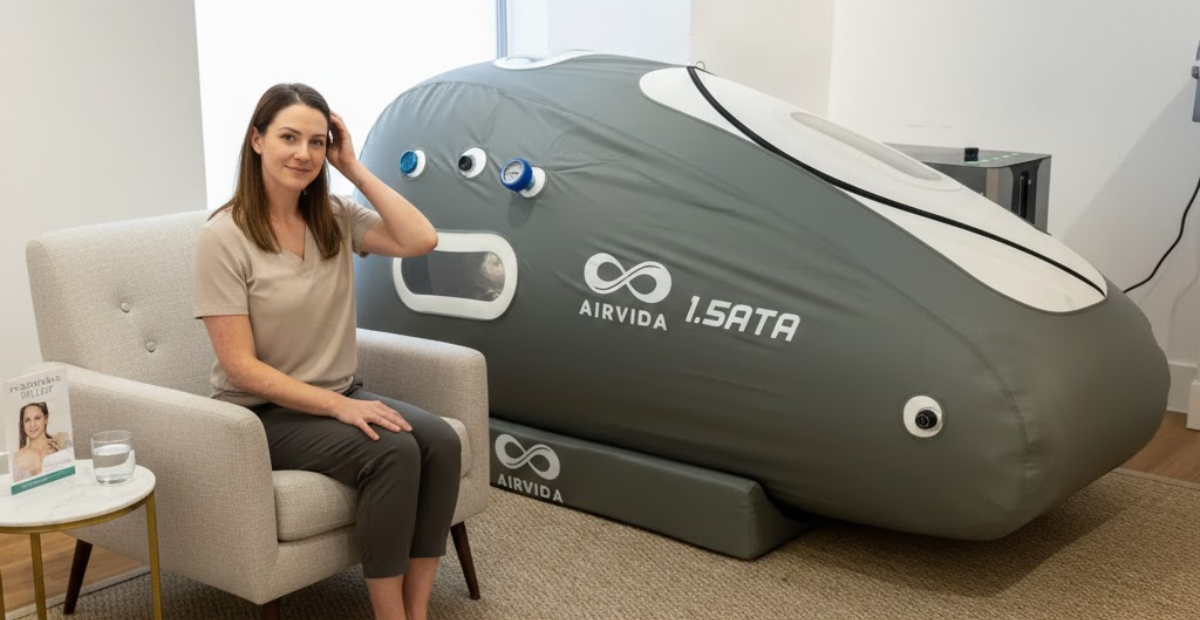
Hyperbaric oxygen therapy for autoimmune disease works by delivering concentrated oxygen under pressure to reduce systemic inflammation and modulate immune system responses. This treatment approach has shown promising results for conditions including lupus, rheumatoid arthritis, multiple sclerosis, and Crohn's disease by improving tissue oxygenation and reducing inflammatory markers.
Many people dealing with autoimmune conditions struggle with chronic inflammation, fatigue, and limited treatment options. HBOT offers a non-invasive approach that addresses these issues at the cellular level, making it an increasingly popular complementary therapy.
In this guide, we'll explore how hyperbaric oxygen therapy works for autoimmune diseases, which conditions respond best to treatment, and what you can expect from HBOT sessions.
Experience professional-grade oxygen therapy at home with our soft hyperbaric chambers for home use designed for daily wellness routines.
What Is Hyperbaric Oxygen Therapy and How Does It Work

Hyperbaric oxygen therapy involves breathing pure oxygen inside a pressurized chamber. The increased atmospheric pressure allows your lungs to gather more oxygen than would be possible at normal air pressure.
This oxygen-rich blood then travels throughout your body, reaching tissues that may have reduced oxygen levels due to inflammation or poor circulation. The process triggers multiple therapeutic effects that benefit autoimmune conditions.
Pressure Levels and Treatment Protocols

HBOT chambers operate at different pressure levels measured in ATA (atmospheres absolute). Standard atmospheric pressure at sea level is 1.0 ATA.
Medical treatments typically use pressures between 1.3 and 3.0 ATA. For autoimmune conditions, most protocols fall in the 1.5 to 2.5 ATA range.
Treatment sessions usually last 60 to 90 minutes. The number of sessions varies based on your specific condition and treatment goals, typically ranging from 20 to 40 sessions for noticeable improvements.
Discover our medical-grade hard shell hyperbaric chambers for sale for clinical-strength oxygen therapy.
How Hyperbaric Oxygen Therapy Benefits Autoimmune Diseases
HBOT addresses several core problems in autoimmune diseases through its unique mechanism of action. Understanding these benefits helps explain why many patients see improvements in their symptoms.
Reducing Systemic Inflammation
Chronic inflammation fuels many autoimmune symptoms. HBOT delivers concentrated oxygen that helps calm inflammatory responses across the body. Studies show reduced inflammatory markers like TNF-alpha and interleukin-6, which are linked to flare-ups.
With consistent sessions, many patients experience less pain, reduced swelling, and longer-lasting anti-inflammatory benefits.
Supporting Tissue Repair and Healing
Autoimmune conditions often damage tissues and organs. HBOT increases oxygen delivery to affected areas, supporting faster repair and recovery. The pressurized environment boosts stem cell release, significantly increasing regenerative activity.
This process helps improve tissue function, reduce scarring, and support healing in joints, skin, and organs impacted by autoimmune attacks.
Modulating Immune System Activity
HBOT helps rebalance immune system activity rather than fully suppressing it. The therapy can shift the body from an overactive inflammatory state to a more regulated response by influencing key immune cells.

Over time, many patients report fewer flare-ups and more stable symptom control when HBOT is part of their treatment plan.
Autoimmune Conditions That Respond to HBOT
Different autoimmune diseases show varying levels of response to hyperbaric oxygen therapy for autoimmune disease. Research and clinical experience have identified several conditions that benefit most from this treatment.
Lupus and Systemic Autoimmune Disorders
Lupus affects multiple organs through widespread inflammation. HBOT helps lower disease activity by improving oxygen delivery to inflamed tissues. Many patients report better energy levels, reduced joint pain, improved skin healing, and support for organ function, including kidneys during active flare-ups.
Rheumatoid Arthritis and Joint Conditions
Rheumatoid arthritis causes chronic joint inflammation and damage. HBOT helps reduce inflammation, support cartilage health, and ease joint stiffness. Patients often notice improved mobility and less morning pain, with some reducing reliance on pain medications when HBOT complements standard RA treatments.
Multiple Sclerosis and Neurological Autoimmune Diseases
In MS, immune attacks damage nerve fibers. HBOT may help protect nerve tissue and improve symptoms such as fatigue, mobility, bladder control, and mental clarity. Some patients also report fewer relapses with consistent treatment.
Inflammatory Bowel Disease
Crohn’s disease and ulcerative colitis involve severe gut inflammation. HBOT supports healing of intestinal tissue, reduces pain, and improves bowel function. In complex cases, it may also aid recovery and reduce surgical risks.
For clinical settings treating multiple patients, explore our multiplace hyperbaric chambers for clinics and wellness centers with advanced monitoring systems.
What to Expect During HBOT Treatment

Understanding the treatment process helps you prepare for hyperbaric oxygen therapy sessions. Most patients find the experience comfortable and relaxing once they become familiar with the routine.
Chamber Types and Session Structure
You'll receive treatment in either a monoplace chamber (designed for one person) or a multiplace chamber (accommodating several patients). Both types deliver effective therapy, though the experience differs slightly.
In a monoplace chamber, you lie down in a clear tube where pressurized oxygen surrounds you. Multiplace chambers are room-sized spaces where you sit or recline while breathing oxygen through a mask or hood.
Sessions typically follow this pattern:
-
Compression phase (5-10 minutes): Pressure gradually increases to treatment level
-
Treatment phase (60-90 minutes): You breathe pure oxygen at the prescribed pressure
-
Decompression phase (5-10 minutes): Pressure slowly returns to normal
During treatment, you can rest, listen to music, or watch videos in chambers equipped with entertainment systems. Many patients use this time for meditation or simply relaxing.
Frequency and Duration of Treatment
Treatment protocols vary based on your specific autoimmune condition and symptom severity. Most programs start with an intensive phase followed by maintenance sessions.
A typical initial protocol includes:
-
20-40 sessions over 4-8 weeks
-
5 sessions per week during the intensive phase
-
Each session lasting 60-90 minutes
After completing the initial series, some patients continue with maintenance treatments. Maintenance schedules might involve 1-2 sessions weekly or monthly sessions depending on response and disease activity.
Your healthcare provider will adjust the protocol based on how you respond. Some conditions require longer initial treatment series, while others show benefits with fewer sessions.
Side Effects and Safety Considerations
HBOT is generally safe when administered properly, but you should know about potential side effects. Most are minor and temporary.
Common experiences include:
-
Ear pressure similar to flying or diving (managed with simple equalization techniques)
-
Temporary vision changes that resolve after treatment
-
Mild fatigue immediately after sessions
-
Sinus pressure in people prone to sinus issues
Serious complications are rare but can include:
-
Oxygen toxicity with very long sessions or high pressures
-
Lung problems in people with certain pre-existing conditions
-
Rare instances of fire risk (strict protocols prevent this)
Your treatment team will screen for contraindications before starting therapy. They'll also teach you techniques to manage ear pressure and monitor you throughout each session.
Comparing HBOT with Traditional Autoimmune Treatments
Understanding how hyperbaric oxygen therapy fits with other treatment options helps you make informed decisions about your care plan.
|
Treatment Approach |
Mechanism |
Timeframe for Results |
Side Effect Profile |
Best Used For |
|
Immunosuppressants (DMARDs) |
Block immune cell activity |
6-12 weeks |
Infection risk, organ effects |
First-line treatment for most conditions |
|
Biologic Medications |
Target specific immune molecules |
2-6 months |
Injection reactions, infections |
Moderate to severe disease |
|
Corticosteroids |
Broad anti-inflammatory |
Days to weeks |
Weight gain, bone loss, mood changes |
Acute flares |
|
Hyperbaric Oxygen Therapy |
Oxygen delivery, immune modulation |
4-8 weeks |
Minimal, mostly temporary |
Complementary therapy, treatment-resistant cases |
Hyperbaric chamber therapy cost depends on whether you choose clinical treatments or invest in a home system. Many patients find that portable chambers become cost-effective for long-term therapy needs.
Home HBOT Options for Autoimmune Management
Investing in a home hyperbaric chamber offers convenience and long-term value for people with chronic autoimmune conditions. Several chamber types suit different needs and budgets.
Hyperbaric Collections You May Want to Shop

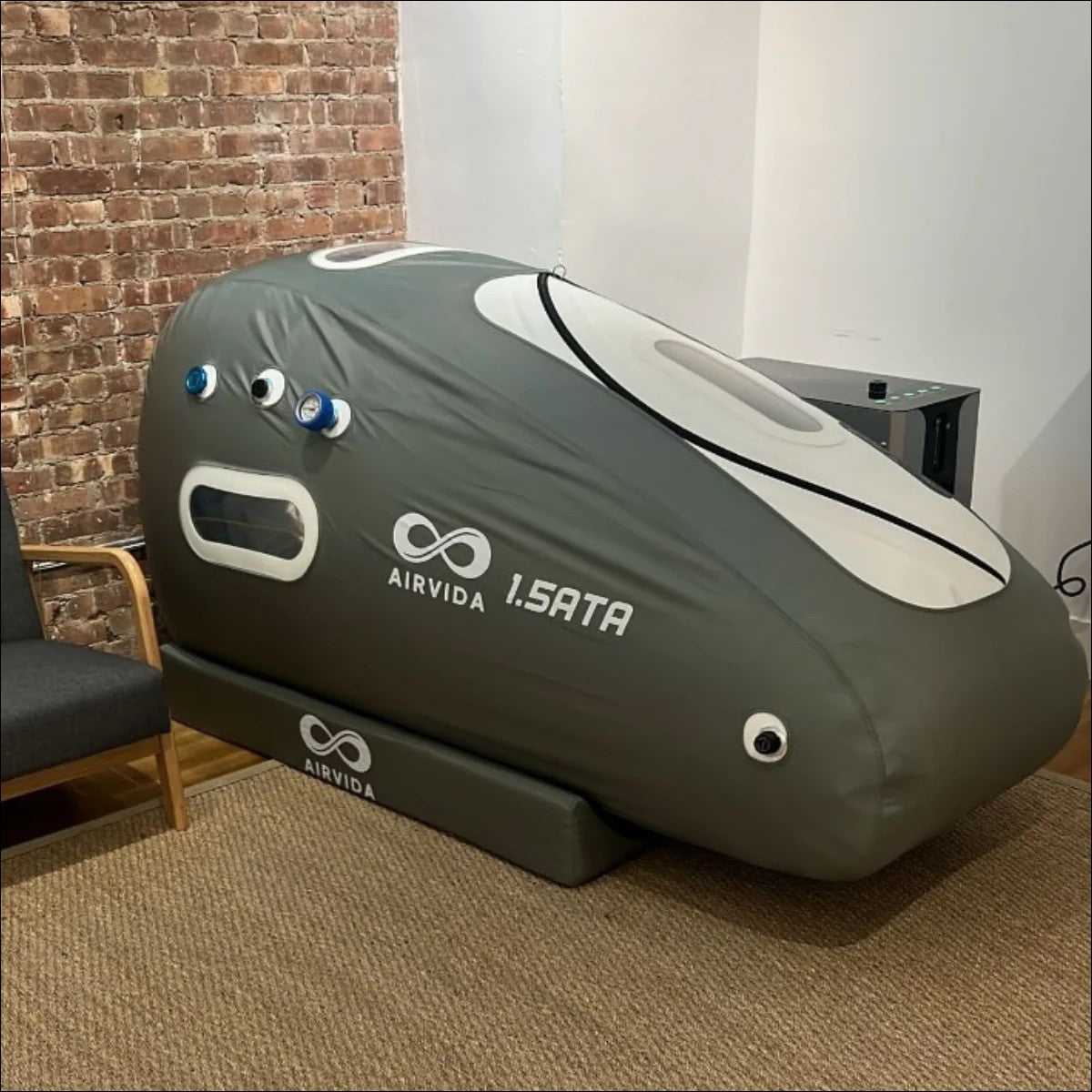
Soft vs Hard Shell Chambers
Soft chambers, also called mild hyperbaric chambers, operate at lower pressures (typically 1.3 to 1.5 ATA). These portable units work well for maintenance therapy and symptom management.
Advantages of soft chambers include:
-
Lower purchase and operating costs
-
Easy setup in home environments
-
Portable for travel or relocation
-
Quieter operation
-
Lower energy consumption
Hard shell chambers reach higher pressures (up to 2.0 ATA for home models, higher for clinical units). They provide more intensive treatment similar to medical facility protocols.
Hard shell benefits include:
-
Higher therapeutic pressures
-
More durable construction
-
Clinical-grade treatment at home
-
Better suited for acute symptom management
|
Feature |
Soft Chambers |
Hard Shell Chambers |
|
Pressure Range |
1.3-1.5 ATA |
1.5-3.0 ATA |
|
Cost |
$4,000-$15,000 |
$20,000-$100,000+ |
|
Portability |
High |
Low to none |
|
Space Requirements |
7x3 feet typical |
Dedicated room needed |
|
Installation |
Minimal |
Professional required |
|
Maintenance |
Low |
Moderate to high |
Creating an Effective Home Treatment Plan
Success with home HBOT requires consistency and proper protocol design. Work with your healthcare provider to develop a schedule that addresses your specific condition.
Start with an intensive phase of daily or five-times-weekly sessions for 4-8 weeks. Track your symptoms carefully during this period to measure response.
After the initial phase, transition to maintenance sessions based on your results. Some patients do well with 2-3 weekly sessions, while others need daily treatments during flare periods.
Tips for maximizing home HBOT benefits:
-
Schedule sessions at consistent times each day
-
Stay well hydrated before and after treatments
-
Avoid alcohol and smoking, which reduce oxygen benefits
-
Track symptoms in a journal to identify patterns
-
Maintain regular communication with your healthcare team
Learn more about hyperbaric chamber treatment protocols for different conditions to optimize your home therapy routine.
Hyperbaric Chambers You May Want to Shop
Explore More


Additional Benefits Beyond Autoimmune Management
While using HBOT for autoimmune disease management, many patients notice improvements in other health areas. These additional benefits often enhance overall quality of life.
Energy and Fatigue Reduction
Autoimmune fatigue is common and often persistent. HBOT increases oxygen delivery to cells, supporting better energy production. Many patients report improved energy and sleep within weeks, with benefits that can last well beyond individual sessions.
Cognitive Function Improvements
Brain fog can affect focus and memory. HBOT improves oxygen flow to the brain, helping support clearer thinking, better concentration, and mental stamina. These improvements can make daily tasks and work more manageable.
Wound Healing and Skin Health
Autoimmune conditions can slow healing and affect skin health. HBOT supports tissue repair, new blood vessel growth, and faster wound healing. Patients often see reduced scarring and healthier-looking skin over time.
The wound healing benefits become especially important if you need surgery. Discover more hyperbaric chamber benefits that extend beyond autoimmune disease management.
Practical Considerations for Starting HBOT
Taking the first steps toward hyperbaric oxygen therapy requires some planning and preparation. These practical tips help ensure a smooth start to treatment.
Finding Qualified HBOT Providers
Look for facilities with experienced staff trained in hyperbaric medicine. Reputable centers employ certified hyperbaric technicians and work with physicians knowledgeable about HBOT.
Ask potential providers about:
-
Their experience treating autoimmune conditions specifically
-
Chamber certification and safety inspections
-
Medical oversight and emergency protocols
-
Treatment customization based on individual needs
Many integrative medicine centers and functional medicine practices now offer HBOT. Some rheumatology and neurology clinics have added hyperbaric services for their autoimmune patients.
Preparing for Your First Session
Your initial visit will include a medical evaluation to ensure HBOT is safe for you. Be prepared to discuss your complete medical history, current medications, and treatment goals.
Before your first session:
-
Avoid using petroleum-based products on skin or hair
-
Wear comfortable, cotton clothing (synthetic materials create static)
-
Remove all metal objects, jewelry, and electronics
-
Avoid carbonated beverages for a few hours beforehand
-
Practice ear equalization techniques if recommended
Most people feel slightly anxious before their first session. Understanding what to expect and asking questions helps reduce this nervousness. The staff will explain every step and remain available during your treatment.
Monitoring Progress and Adjusting Treatment
Track your symptoms systematically to evaluate treatment effectiveness. Keep a detailed journal noting:
-
Pain levels and location
-
Fatigue and energy patterns
-
Flare frequency and severity
-
Medication usage changes
-
Overall function and quality of life
Share this information with both your HBOT provider and primary autoimmune disease specialist. They can adjust treatment parameters or frequency based on your response.
Some patients see dramatic improvements quickly, while others need extended treatment protocols. Be patient and maintain consistent treatment attendance for the best results.
Final Thoughts on Hyperbaric Oxygen Therapy for Autoimmune Disease
Hyperbaric oxygen therapy offers a powerful way to support autoimmune symptom relief by targeting inflammation and immune imbalance at the cellular level. While it is not a cure, consistent HBOT use can improve energy, reduce pain, and enhance daily quality of life when paired with standard care.
Airvida Chambers makes it easy to bring this therapy home with reliable, medical-grade hyperbaric systems designed for comfort and long-term use. For patients seeking consistent access, fewer clinic visits, and greater control over their wellness routine, a home chamber is a smart investment. Explore Airvida Chambers today and take a proactive step toward better autoimmune management.
Ready to explore other aspects of oxygen therapy? Check out our guide on hyperbaric chamber treatment to learn more about various applications and protocols.
You May Also Want to Read
Hyperbaric Chamber Cost per Session: What to Expect in 2025
Importance of Hyperbaric Chamber Training for Medical Staff
Hyperbaric Chamber for Sleep Apnea: Benefits, Risks & Treatment
Frequently Asked Questions
Is a hyperbaric chamber good for autoimmune?
Yes, hyperbaric chambers can benefit many autoimmune conditions by reducing inflammation, improving tissue oxygenation, and modulating immune responses. Research shows positive results for conditions like lupus, rheumatoid arthritis, multiple sclerosis, and inflammatory bowel disease. HBOT works best as part of a comprehensive treatment plan alongside conventional therapies.
Who cannot use a hyperbaric chamber?
People with untreated pneumothorax (collapsed lung) should not use hyperbaric chambers. Other contraindications include certain lung diseases, recent ear surgery, severe sinus infections, and some types of cancer. Pregnancy, claustrophobia, and certain medications may require special precautions. Always consult with a hyperbaric medicine specialist before starting treatment.
Can hyperbaric chamber help lupus patients?
Hyperbaric oxygen therapy shows promise for lupus patients by reducing inflammation and improving symptoms like fatigue, joint pain, and skin lesions. Studies indicate HBOT may help protect organs affected by lupus and improve wound healing. Many lupus patients report better quality of life and reduced disease activity when combining HBOT with standard treatments.
Can a hyperbaric chamber help with inflammation?
Yes, hyperbaric chambers effectively reduce inflammation by delivering high concentrations of oxygen to tissues and decreasing inflammatory markers like TNF-alpha and interleukin-6. The pressurized oxygen environment helps calm inflammatory responses throughout the body, which benefits autoimmune conditions characterized by chronic inflammation. Effects can last weeks after completing treatment series.
What is the best treatment for autoimmune disease?
The best treatment varies by condition and individual patient factors. Most autoimmune diseases require a combination approach including immunosuppressive medications, lifestyle modifications, and complementary therapies. HBOT serves as an effective complementary treatment that enhances conventional therapies. Work with your rheumatologist or specialist to develop a comprehensive treatment plan tailored to your specific condition.
How long should you stay in a hyperbaric oxygen chamber?
Standard treatment sessions last 60 to 90 minutes at therapeutic pressure levels. Most protocols require 20 to 40 total sessions over 4 to 8 weeks for initial treatment of autoimmune conditions. Maintenance sessions may continue weekly or monthly depending on individual response. Your provider will customize session length and frequency based on your condition and treatment goals.
Disclaimer
Airvida and partners advice does not constitute medical advice and is intended for informative and educational purposes only with no medical or non medical claims being made. While research & studies show the potential Hyperbaric Oxygen Therapy (HBOT) and Hyperbaric Air Therapy (HBAT) may have implied benefits, individual results may vary. It is required by Airvida & Partners to consult with doctors before being approved for Hyperbaric Therapy (HBOT & HBAT). Read More HERE