


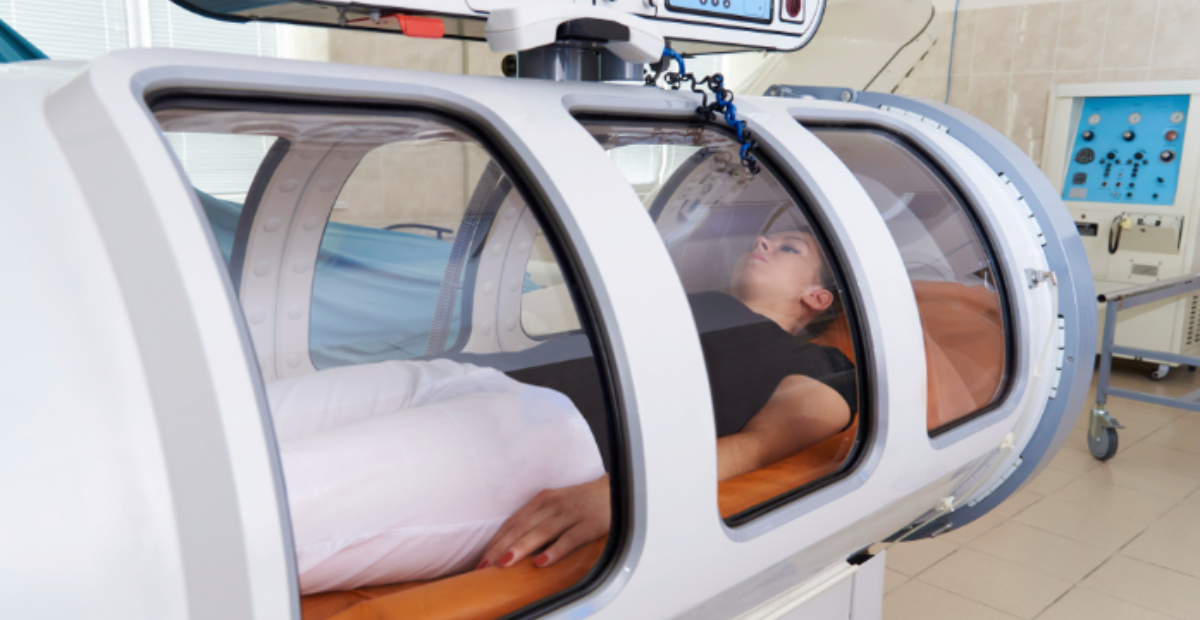
Hyperbaric oxygen therapy (HBOT) is generally safe for heart patients when administered under proper medical supervision and with appropriate screening. Most cardiac patients can benefit from HBOT, though specific conditions like uncontrolled heart failure or recent cardiac surgery may require additional precautions or waiting periods before treatment.
This therapy has shown promise in supporting cardiovascular health by improving oxygen delivery to heart tissue, reducing inflammation, and potentially aiding recovery after cardiac events. However, the safety of hyperbaric oxygen therapy for heart patients depends on individual health status, specific cardiac conditions, and proper medical oversight.
In this guide, we'll explore when HBOT is safe for cardiac patients, what precautions are necessary, and how AirVida Chambers provides the equipment and support you need for safe, effective therapy at home or in clinical settings.
Enhance your cardiovascular wellness journey with our soft hyperbaric chambers for home use designed for safe, convenient therapy.
How Hyperbaric Oxygen Therapy Supports Heart Health
Hyperbaric oxygen therapy involves breathing pure or concentrated oxygen in a pressurized chamber. This process increases the amount of oxygen your blood can carry, delivering it to tissues throughout your body, including your heart.
For cardiac patients, this enhanced oxygen delivery can support healing and potentially improve heart function. The therapy works by temporarily increasing atmospheric pressure, which allows oxygen to dissolve more readily into blood plasma, reaching areas that might have compromised circulation.
AirVida Chambers specializes in providing both clinical-grade and home-use hyperbaric chambers that meet the stringent safety requirements cardiac patients need. Our chambers are designed with advanced pressure regulation systems and safety features that make them suitable for cardiovascular wellness applications.
Hyperbaric Chambers You May Want to Shop
Explore More


How HBOT Affects the Cardiovascular System
During hyperbaric oxygen therapy, your cardiovascular system goes through several controlled changes. Increased pressure causes mild blood vessel constriction, while higher oxygen levels improve overall tissue oxygenation.
As your body adapts, heart rate often slows slightly, and blood pressure may rise modestly during pressurization and return to normal afterward. These responses are typically well tolerated. HBOT also supports heart health by reducing inflammation, limiting oxidative stress, and stimulating growth factors and stem cell release that aid tissue repair.
Airvida Chambers are designed with precise pressure controls, allowing smooth, gradual transitions that help minimize cardiovascular strain, especially for patients who need a gentler, more controlled treatment experience.
Medical Conditions That Benefit From HBOT

Hyperbaric oxygen therapy is gaining attention for its role in supporting heart and vascular health. For people recovering from a myocardial infarction, HBOT helps deliver higher levels of oxygen to injured heart tissue, which may support healing and recovery.
Patients with angina or reduced blood flow to the heart often report improved comfort and circulation after consistent sessions. HBOT has also shown potential benefits for peripheral vascular disease, where poor oxygen delivery to the arms or legs slows healing and causes discomfort.
Cardiac patients healing after surgery, or dealing with slow wound recovery, may find HBOT helpful in speeding up the repair process. Some research also points to possible benefits for heart failure patients, although this always requires close medical supervision.
Beyond direct heart conditions, HBOT can support issues that place extra strain on the cardiovascular system, such as diabetic wounds or carbon monoxide poisoning.
Airvida Chambers offers a range of options, making it easier to match the right chamber to both home-based wellness use and more structured recovery needs.
Safety Considerations for Heart Patients Using HBOT
While hyperbaric oxygen therapy offers potential benefits for cardiac patients, understanding the safety parameters is essential for successful treatment. AirVida Chambers prioritizes safety in all our chamber designs, incorporating features specifically beneficial for cardiovascular patients.
Pre-Treatment Cardiac Screening Requirements

Before starting hyperbaric oxygen therapy, heart patients need comprehensive cardiovascular evaluation. Your doctor will review your complete medical history, including previous heart attacks, surgeries, and current medications.
A recent electrocardiogram (ECG) helps assess your heart's electrical activity and rhythm. Some facilities require stress tests or echocardiograms to evaluate heart function under exertion. Blood pressure measurements taken over several days provide baseline data for comparison during treatment.
Your cardiologist should approve HBOT participation, especially if you have:
-
Recent cardiac surgery (within 3 months)
-
Unstable angina or frequent chest pain
-
Severe heart failure (NYHA Class IV)
-
Uncontrolled arrhythmias
-
Implanted cardiac devices requiring evaluation
Medication review is critical because certain heart medications may need timing adjustments around HBOT sessions. Beta-blockers, blood thinners, and nitrates can interact with the therapy's effects on your cardiovascular system.
When you invest in an AirVida Chambers products, our team provides comprehensive guidance on working with your healthcare providers to establish appropriate screening protocols. We also offer educational resources to help you understand what medical clearances you'll need before beginning treatment.
Monitoring During Treatment Sessions

Every HBOT session should feel safe, controlled, and comfortable, especially for heart patients. Airvida Chambers are built with safety-first features like multiple monitoring points, clear viewing windows, and built-in intercom systems, so users are never truly “alone” during treatment.
Sessions are carefully timed and pressurized to reduce cardiovascular strain. Most last 60 to 90 minutes, using gentle pressurization between 1.3 and 3.0 ATA, with lower settings often recommended at the start. This allows the body to adapt while still receiving therapeutic benefits.
For home use, Airvida Chambers includes step-by-step training on monitoring oxygen levels and blood pressure, plus ongoing support from a knowledgeable team. It’s a practical, confidence-building way to bring professional-grade oxygen therapy into your own space, safely and comfortably.
Ready to explore safe, effective therapy options? Browse our medical-grade hard shell hyperbaric chambers for sale with advanced monitoring capabilities.
Conditions That Require Special Precautions
Certain cardiac conditions demand extra caution when considering hyperbaric oxygen therapy. AirVida Chambers works with healthcare providers to ensure that patients with specific cardiovascular concerns receive appropriate guidance and equipment recommendations.
Absolute and Relative Contraindications
Untreated pneumothorax (collapsed lung) is the only absolute contraindication to HBOT, as pressure changes can worsen this condition. However, several cardiac conditions are considered relative contraindications, meaning treatment may proceed with modifications and enhanced monitoring.
|
Cardiac Condition |
Precaution Level |
Typical Approach |
|
Recent Cardiac Surgery |
High |
Wait 6-12 weeks; obtain clearance |
|
Uncontrolled Heart Failure |
High |
Stabilize condition first |
|
Severe Arrhythmias |
Moderate |
Control rhythm before treatment |
|
Pacemaker/ICD |
Moderate |
Device check before and after |
|
Controlled Hypertension |
Low |
Standard monitoring protocol |
|
Stable Angina |
Low |
Medication optimization |
Risk Factors That Need Assessment
Several factors affect whether HBOT is safe for heart patients. Age alone isn’t a barrier, but older adults with multiple cardiac risks need a thorough medical review before starting home therapy. Smoking can reduce HBOT benefits and increase complications, so quitting is strongly recommended.
Diabetes also requires close attention, as blood sugar may shift during sessions. Airvida Chambers supports safe use with guidance on monitoring glucose and working closely with your healthcare provider.
Obesity can make chamber entry challenging and may affect breathing during treatment. AirVida Chambers offers various chamber sizes and configurations to accommodate different body types comfortably.
Our portable soft-shell hyperbaric chamber collection includes spacious designs that provide comfort without compromising safety.
For clinical settings with multiple patients, explore our multiplace hyperbaric chambers for clinics and wellness centers offering enhanced safety features.
Benefits vs. Risks: What Heart Patients Need to Know
Making an informed decision about hyperbaric oxygen therapy requires weighing potential benefits against possible risks. AirVida Chambers provides not just equipment but also the educational resources and support you need to make confident decisions about HBOT for cardiovascular health.
Hyperbaric Collections You May Want to Shop

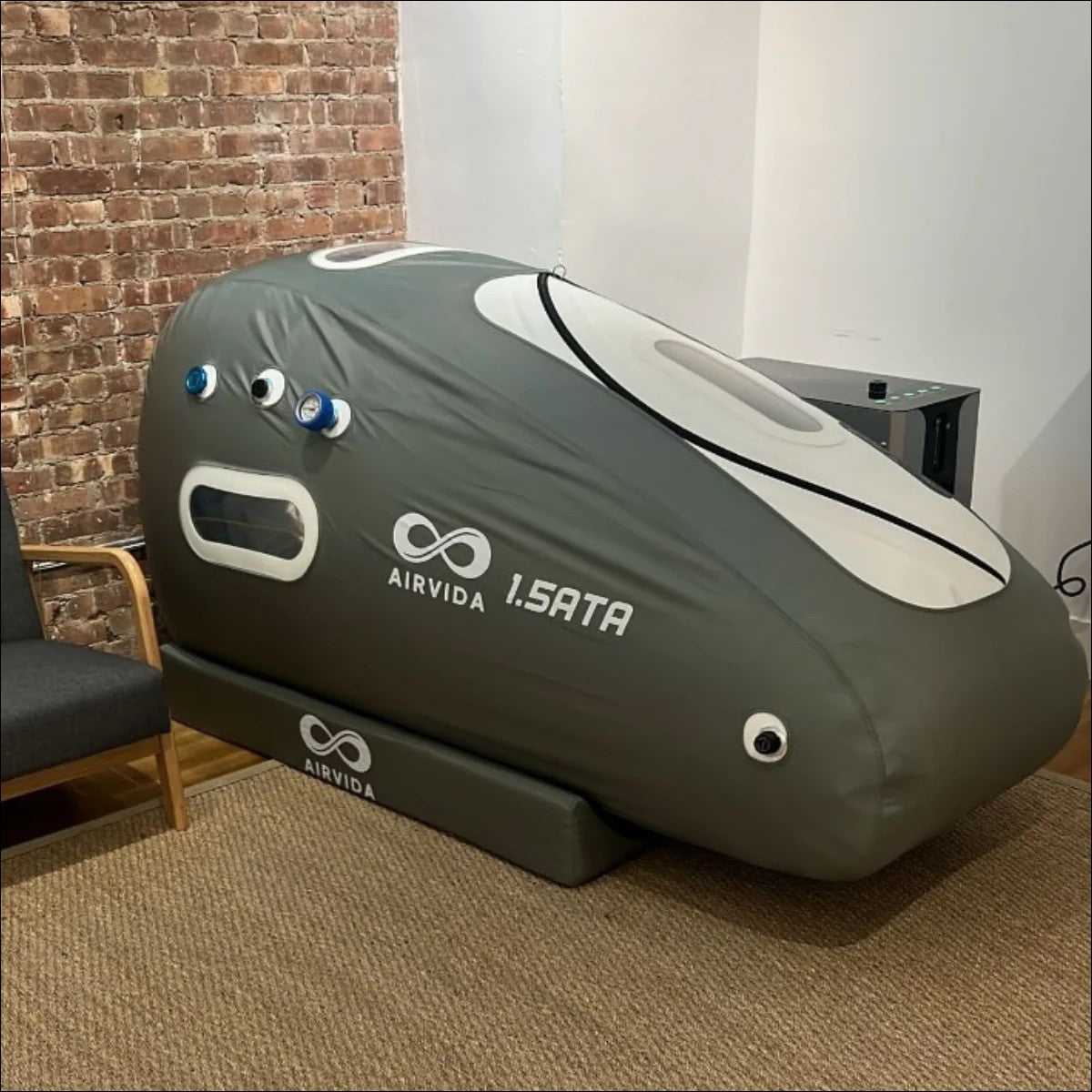
Evidence-Based Benefits and Safety Considerations
Research suggests hyperbaric oxygen therapy may support heart health in several ways. Studies show improved heart muscle function after heart attacks, with better blood flow, reduced inflammation, and support for new blood vessel formation.
Patients with persistent angina often report fewer chest pain episodes and improved exercise tolerance. HBOT may also help cardiac surgery patients heal faster and lower infection risk. For diabetic heart patients, better oxygen delivery supports wound healing and metabolic efficiency, reducing added strain on the heart.
Like any therapy, HBOT comes with considerations. Risks such as oxygen overexposure, ear pressure discomfort, or temporary blood pressure changes are possible but uncommon when protocols are followed.
Airvida Chambers are designed with automatic pressure control, gradual pressurization, and built-in safety systems to minimize these risks. With proper guidance and monitoring, HBOT can be a safe, confidence-inspiring option for cardiovascular support at home.
Rare but serious complications include:
-
Oxygen-induced seizures (extremely uncommon at therapeutic pressures)
-
Pulmonary oxygen toxicity with very prolonged treatments
-
Vision changes with extended treatment courses
-
Hypoglycemia in diabetic patients
The overall complication rate remains low when treatment follows established protocols and includes proper patient screening. AirVida Chambers provides detailed safety protocols and training materials to help you minimize risks and recognize warning signs of potential complications.
Why Choose AirVida Chambers for Cardiac HBOT

Selecting the right equipment supplier significantly impacts both safety and treatment outcomes. AirVida Chambers stands apart in the hyperbaric industry through our commitment to quality, safety, and customer support.
Our chambers meet or exceed industry safety standards, with features specifically beneficial for cardiac patients. Every AirVida Chambers system includes multiple safety mechanisms, emergency pressure release systems, and clear operating instructions that make safe use straightforward even for home users.
We offer various chamber types to suit different needs and budgets. Our at-home soft hyperbaric therapy chambers provide an accessible entry point for cardiac patients beginning HBOT, while our high-pressure hard shell HBOT chambers deliver clinical-grade performance for more intensive treatment protocols.
For healthcare providers, wellness centers, and cardiac rehabilitation facilities, our large-capacity multiplace HBOT chamber systems accommodate multiple patients simultaneously while maintaining the safety features cardiac patients require.
AirVida Chambers provides comprehensive training and ongoing support to ensure you get the most from your investment. Our technical support team understands the unique concerns of cardiac patients and can help troubleshoot issues, answer questions, and provide guidance throughout your treatment journey.
We also maintain close relationships with hyperbaric medicine specialists who can provide consultation services to AirVida Chambers customers. This network ensures you have access to expert medical guidance as you incorporate HBOT into your cardiovascular care plan.
Discover more about effective therapy applications with our detailed breakdown of hyperbaric chamber therapy cost factors and investment considerations.
Final Thoughts on HBOT Safety for Heart Patients
Hyperbaric oxygen therapy can be a safe, effective addition to heart care when you have medical clearance and the right equipment. Airvida Chambers are built for cardiac patients who want reliable oxygen delivery without compromising comfort or safety.
Each system is designed to support circulation, recovery, and overall cardiovascular wellness while fitting seamlessly into a home or clinical setting.
If you’re considering HBOT for heart health, Airvida Chambers offers proven designs, built-in safety features, and expert support to guide your decision. Explore our chambers today and take a confident step toward smarter, at-home oxygen therapy that supports your long-term heart health.
Ready to take the next step? Learn more about hyperbaric chamber benefits and discover how AirVida Chambers can help you access this promising therapy safely and effectively.
Frequently Asked Questions: HBOT Safety for Heart Patients
Is a hyperbaric chamber good for your heart?
Hyperbaric chambers can benefit heart health by delivering concentrated oxygen to cardiac tissue, potentially improving function after injury and supporting healing. The therapy may help reduce inflammation, promote new blood vessel formation, and enhance overall cardiovascular performance.
AirVida Chambers' systems are designed to deliver consistent therapeutic oxygen levels that maximize these cardiovascular benefits. However, results vary by individual condition, and treatment should be medically supervised. Most cardiac patients with stable conditions who use quality equipment like AirVida Chambers experience positive outcomes.
Who should not go in a hyperbaric chamber?
Patients with untreated pneumothorax (collapsed lung) should never undergo HBOT due to serious risk of complications. Those with recent cardiac surgery (within 3 months), uncontrolled heart failure, severe arrhythmias, or active chest infections need careful evaluation before treatment.
Pregnant women, people with certain lung diseases, and those currently receiving specific chemotherapy drugs may also be advised against hyperbaric therapy. AirVida Chambers provides comprehensive screening guidelines to help you and your healthcare provider determine if our equipment is appropriate for your situation. Always disclose your complete medical history when considering HBOT.
What is hyperbaric oxygen therapy for gangrene?
Hyperbaric oxygen therapy treats gangrene by delivering high concentrations of oxygen to damaged tissue, helping fight infection and promote healing. This is particularly important for cardiac patients with diabetes who develop foot gangrene, as the condition strains the cardiovascular system and can lead to serious complications.
AirVida Chambers' equipment provides the consistent oxygen delivery needed for wound healing applications. HBOT helps preserve limbs by improving tissue oxygenation, supporting immune function, and enhancing antibiotic effectiveness. Treatment for gangrene typically requires multiple sessions over several weeks alongside surgical debridement and infection management.
Does HBOT increase heart rate?
HBOT typically causes a slight decrease in heart rate rather than an increase, as the body responds to elevated oxygen levels by slightly slowing cardiac activity. However, individual responses vary, and some patients may experience temporary heart rate fluctuations during pressurization or depressurization phases.
AirVida Chambers' gradual pressure adjustment systems minimize these fluctuations. We recommend cardiac patients monitor their heart rate during initial sessions to understand their personal response pattern. Most cardiac patients tolerate these minor variations without issue, and heart rate typically returns to baseline shortly after treatment completion.
Does oxygen help with heart problems?
Supplemental oxygen can help certain heart problems by ensuring adequate tissue oxygenation and reducing cardiac workload. Patients with heart failure, angina, or compromised cardiac output may benefit from oxygen therapy, especially during physical activity or acute episodes.
AirVida Chambers' hyperbaric systems deliver oxygen at therapeutic pressures that enhance its cardiovascular benefits beyond standard supplemental oxygen. However, routine oxygen use for all heart conditions isn't recommended without medical guidance. Your cardiologist determines if oxygen therapy through AirVida Chambers equipment is appropriate based on your specific condition, oxygen saturation levels, and symptoms.
Disclaimer
Airvida and partners advice does not constitute medical advice and is intended for informative and educational purposes only with no medical or non medical claims being made. While research & studies show the potential Hyperbaric Oxygen Therapy (HBOT) and Hyperbaric Air Therapy (HBAT) may have implied benefits, individual results may vary. It is required by Airvida & Partners to consult with doctors before being approved for Hyperbaric Therapy (HBOT & HBAT). Read More HERE