


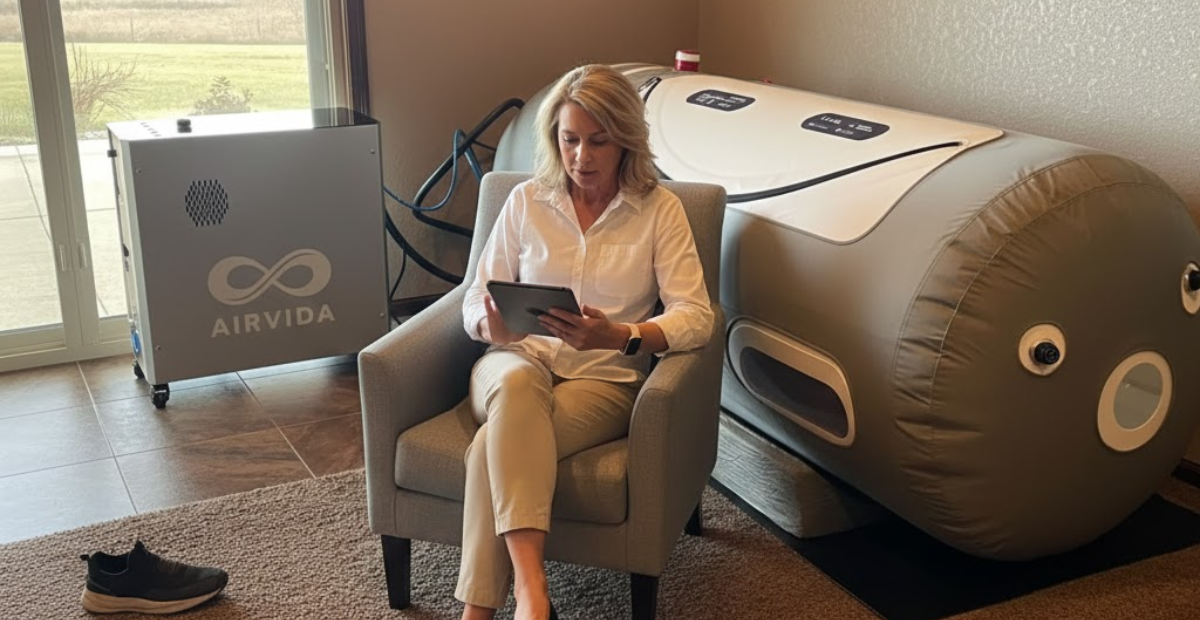
A hyperbaric chamber for anemia works by increasing the amount of dissolved oxygen in your blood plasma, helping to compensate for reduced oxygen-carrying capacity caused by low red blood cell counts. This oxygen therapy supports tissue healing, reduces fatigue, and may help your body recover from anemia-related complications.
While hyperbaric oxygen therapy (HBOT) doesn't directly increase red blood cell production, it provides a crucial bridge by delivering oxygen through alternative pathways when hemoglobin levels are low. This makes it a valuable supportive treatment for people managing different types of anemia, especially when combined with conventional medical approaches.
In this guide, we'll explore how hyperbaric therapy supports anemia management, what types of chambers work best, and how to integrate HBOT into your treatment plan for optimal results.
Enhance your anemia recovery with increased oxygen delivery. Explore our soft hyperbaric chambers for home use designed for consistent therapy.
How Anemia Leads to Oxygen Deficiency

Anemia occurs when your body lacks enough healthy red blood cells or hemoglobin to carry adequate oxygen to your tissues. This shortage creates a ripple effect throughout your body, affecting energy levels, cognitive function, and overall health.
How Anemia Affects Oxygen Delivery
Red blood cells contain hemoglobin, a protein that binds to oxygen in your lungs and transports it throughout your body. When you have anemia, this oxygen delivery system becomes compromised.
Your tissues receive less oxygen than they need, leading to symptoms like fatigue, weakness, shortness of breath, and dizziness. Your heart works harder to pump more blood to compensate for the reduced oxygen-carrying capacity.
Different types of anemia affect oxygen delivery in various ways. Iron-deficiency anemia reduces hemoglobin production, while other forms may involve red blood cell destruction or inadequate cell production in bone marrow.
The severity of oxygen deficiency depends on how low your hemoglobin levels drop and how quickly the anemia develops. Chronic anemia allows your body some time to adapt, while acute anemia can cause more severe symptoms.
The Connection Between HBOT and Blood Oxygen Levels

Hyperbaric oxygen therapy addresses the oxygen shortage through a different mechanism than your red blood cells. Instead of relying solely on hemoglobin, HBOT dramatically increases the oxygen dissolved directly in your blood plasma.
At higher atmospheric pressures inside a hyperbaric chamber for anemia, oxygen molecules saturate your plasma at levels up to 20 times higher than normal. This dissolved oxygen can reach tissues independently of red blood cells.
The increased oxygen availability helps maintain cellular function even when hemoglobin levels are low. Your cells receive the oxygen they need for energy production, healing, and normal metabolic processes.
This doesn't replace the need to treat the underlying cause of anemia, but it provides critical support while your body rebuilds its red blood cell supply. The therapy creates a window of improved oxygenation during the recovery process.
How Hyperbaric Chambers Help Manage Anemia
Hyperbaric oxygen therapy offers several mechanisms that support anemia management and recovery. Understanding these benefits helps you make informed decisions about incorporating HBOT into your treatment plan.
Oxygen Delivery Through Plasma
Normal breathing delivers oxygen primarily through hemoglobin in red blood cells. When anemia reduces hemoglobin availability, this primary pathway becomes compromised.
A hyperbaric chamber for anemia solves this by forcing oxygen to dissolve directly into your blood plasma under pressure. At 1.3 to 3.0 atmospheres of pressure, significantly more oxygen enters solution.
This plasma-dissolved oxygen reaches tissues through capillaries and can diffuse into cells without requiring red blood cell transport. The effect creates a temporary bypass of the compromised hemoglobin system.
Tissues that were oxygen-starved due to low red blood cell counts now receive adequate oxygen for cellular respiration and energy production. This explains why many people experience reduced fatigue after HBOT sessions.
Supporting Tissue Healing and Recovery
Anemia often delays wound healing and tissue repair because these processes require substantial oxygen. Hyperbaric therapy accelerates healing by providing the oxygen tissues need.
The increased oxygen levels stimulate collagen production, support immune cell function, and promote new blood vessel formation. These effects help your body recover from surgeries, injuries, or complications that may have contributed to or resulted from anemia.
For people with anemia caused by chronic diseases or inflammation, the anti-inflammatory effects of HBOT can provide additional benefits. Reduced inflammation may help address some underlying causes of anemia.
The therapy also supports bone marrow function, which produces red blood cells. While HBOT doesn't directly increase red blood cell production, the improved oxygen environment may help optimize marrow activity during recovery.
Reducing Fatigue and Improving Quality of Life
Fatigue is one of the most debilitating symptoms of anemia, affecting work performance, daily activities, and mental health. HBOT sessions often provide noticeable improvements in energy levels.
The immediate increase in tissue oxygenation helps cells produce more ATP, the energy currency your body uses. This boost often translates to reduced fatigue within hours or days of starting treatment.
Many people report improved mental clarity and cognitive function during HBOT treatment. Brain tissue is particularly sensitive to oxygen levels, and the therapy helps maintain cognitive performance despite low hemoglobin.
Better sleep quality is another common benefit, as adequate cellular oxygen supports normal sleep-wake cycles. Improved rest further enhances recovery and overall wellbeing during anemia treatment.
Looking for clinical-grade oxygen therapy? Check out our medical-grade hard shell hyperbaric chambers for sale for professional treatment settings.
Types of Anemia That May Benefit from HBOT
Different forms of anemia respond to hyperbaric oxygen therapy in varying ways. Understanding which types may benefit most helps set realistic expectations for treatment outcomes.
Iron-Deficiency Anemia
The most common type, caused by low iron levels. HBOT does not replace iron supplements but helps maintain tissue oxygen while hemoglobin levels recover. It can ease symptoms during the weeks or months iron therapy takes to work.
Anemia from Chronic Disease
Caused by conditions like kidney disease, cancer, or chronic inflammation. HBOT supports oxygen delivery while other treatments address the root cause. Its anti-inflammatory effects may also help reduce fatigue during treatment.
Hemolytic Anemia
Occurs when red blood cells break down too quickly. HBOT does not stop hemolysis but helps maintain oxygen levels, especially during acute episodes. Plasma-dissolved oxygen supports tissues until treatments take effect.
Aplastic Anemia
Happens when bone marrow cannot produce enough blood cells. HBOT supports oxygen delivery during recovery from treatments like transplants or immunosuppressive therapy. Its main role is maintaining tissue oxygen while the marrow heals.
Hyperbaric Collections You May Want to Shop

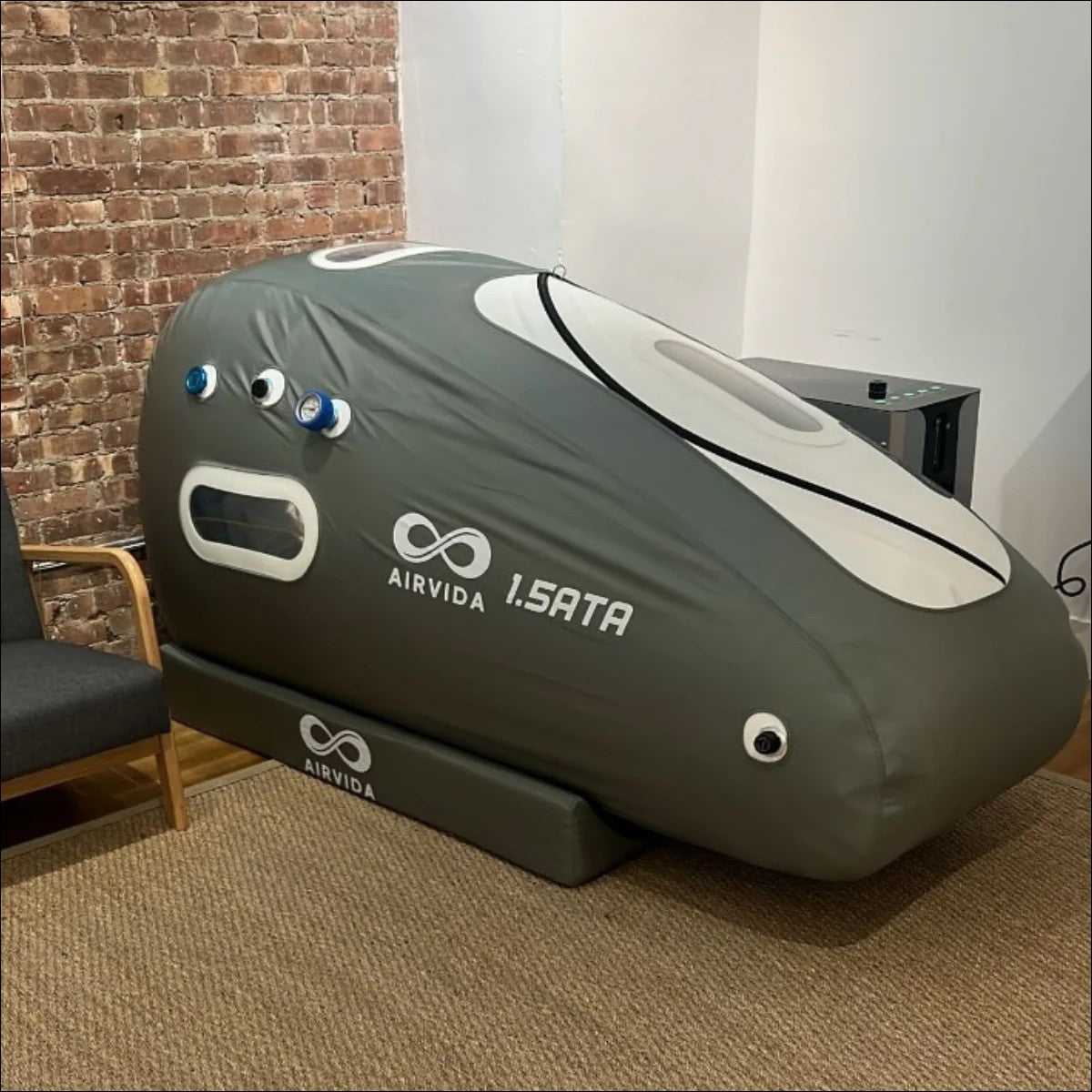
Hyperbaric Chamber Options for Anemia Treatment
Choosing the right type of hyperbaric chamber depends on your specific needs, treatment goals, and whether you're seeking home therapy or clinical treatment. Each chamber type offers distinct advantages.
Comparing Chamber Types and Pressure Levels
|
Chamber Type |
Pressure Range |
Best For |
Key Benefits |
|
Soft/Mild Chambers |
1.3-1.5 ATA |
Home use, mild to moderate anemia |
Convenient, affordable, daily use |
|
Hard Shell (Monoplace) |
1.5-3.0 ATA |
Moderate to severe anemia, clinical settings |
Higher oxygen concentrations, medical supervision |
|
Multiplace Chambers |
2.0-3.0 ATA |
Multiple patients, clinical protocols |
Medical oversight, higher pressures, research-backed protocols |
Home Chamber Use vs. Clinical Settings

Home hyperbaric chambers offer convenience for ongoing supportive therapy. If you have mild to moderate anemia and want consistent oxygen support during recovery, a portable soft-shell hyperbaric chamber collection provides daily access.
These chambers operate at lower pressures (1.3-1.5 ATA) but still deliver significant increases in plasma oxygen. You can schedule sessions around your daily routine without traveling to a clinic.
Clinical settings provide access to higher-pressure chambers with medical supervision. This is important for severe anemia or when combining HBOT with other intensive treatments. Medical staff can monitor your response and adjust protocols as needed.
Multiplace hyperbaric chambers for clinics and wellness centers allow multiple patients to receive treatment simultaneously, making them cost-effective for facilities serving many anemia patients.
Want to learn more about treatment approaches? Read our guide on hyperbaric chamber treatment for comprehensive protocol information.
Session Frequency and Duration
Treatment protocols vary based on anemia severity and type. Most protocols involve sessions lasting 60-90 minutes, conducted 5-7 days per week during intensive phases.
For supportive therapy during iron supplementation or chronic disease management, 3-5 sessions per week may be sufficient. Your healthcare provider can recommend an optimal schedule based on your hemoglobin levels and symptoms.
Many people continue maintenance therapy of 1-3 sessions weekly after their hemoglobin normalizes, using HBOT as ongoing support for energy and wellbeing.
Curious about the full range of benefits? Explore our article on hyperbaric chamber benefits to understand all therapeutic applications.
Hyperbaric Chambers You May Want to Shop
Explore More


Safety Considerations and When HBOT May Not Be Recommended
Safety and Precautions: HBOT is generally safe, but some conditions require caution. Understanding risks helps ensure safe treatment.
Who Should Avoid HBOT: People with untreated collapsed lung should not use HBOT. Active respiratory infections, severe asthma, or COPD flare-ups may also prevent safe use. Pregnancy and certain medications, including some chemotherapy drugs, require medical approval first.
Possible Side Effects: Common effects include ear or sinus pressure, temporary vision changes, and mild fatigue during early sessions. Oxygen toxicity is rare when proper protocols are followed.
Special Notes for Anemia Patients: Very low hemoglobin may require transfusion before HBOT. Regular blood tests are important, especially if you have heart disease. Staying well hydrated helps reduce side effects.
Need to understand investment requirements? Check our breakdown of hyperbaric chamber therapy cost for budgeting guidance.
Getting Started with Hyperbaric Therapy for Anemia
Taking the first steps toward HBOT requires preparation, realistic expectations, and clear communication with your healthcare providers. Here's how to begin your journey.
Finding a Qualified Provider
Look for hyperbaric facilities with proper accreditation from organizations like the Undersea and Hyperbaric Medical Society (UHMS). Accreditation ensures safety standards and trained staff.
Ask about the staff's experience treating anemia patients specifically. While HBOT principles are similar across conditions, providers familiar with anemia understand unique considerations for this patient population.
For home therapy, research manufacturers offering at-home soft hyperbaric therapy chambers with strong safety records and customer support. Quality companies provide training and ongoing assistance.
Verify that your chosen facility or home chamber meets local regulations and has appropriate insurance coverage. This protects you legally and financially.
What to Expect During Your First Session

Your first appointment typically includes a health screening and education about chamber operation. Staff will explain pressure equalization techniques and safety procedures.
You'll change into comfortable cotton clothing, as synthetic fabrics can create static electricity in oxygen-rich environments. Remove all metal objects and electronics before entering.
The chamber pressurizes gradually over 10-15 minutes. You'll feel similar sensations to airplane descent, needing to equalize your ears by swallowing or yawning.
Treatment time at target pressure varies but typically lasts 60-90 minutes. You can rest, sleep, or (in some chambers) watch movies during this time. Depressurization takes another 10-15 minutes.
Measuring Your Progress
Request baseline blood tests before starting HBOT, including complete blood count, hemoglobin, hematocrit, and iron studies. These provide comparison points for measuring improvement.
Schedule follow-up blood tests at regular intervals, typically every 2-4 weeks during intensive treatment. Track how these objective measures correspond with your symptom improvements.
Keep detailed records of energy levels, exercise tolerance, and any other anemia symptoms. Rate your fatigue on a scale of 1-10 before starting treatment, then weekly throughout therapy.
Consider using wearable fitness trackers to monitor heart rate, sleep quality, and activity levels. These devices often reveal improvements before you consciously notice them.
Key Takeaways on Using Hyperbaric Chambers for Anemia Management
Hyperbaric chamber therapy for anemia supports oxygen delivery through plasma when red blood cells are low. It does not cure anemia or replace standard treatment, but it helps maintain oxygen levels, reduce fatigue, and support healing during recovery.
HBOT works best alongside proper medical care, such as treating the root cause of anemia, using supplements when needed, and regular monitoring. Most patients can use HBOT safely with medical guidance, making it a helpful supportive therapy, not a standalone solution.
Ready to explore chamber options for your needs? Consider consulting with both your healthcare provider and hyperbaric specialists to determine whether advanced hard hyperbaric chamber systems or other options best suit your treatment goals.
Frequently Asked Questions
Does a hyperbaric chamber help anemia?
Hyperbaric chambers help manage anemia symptoms by increasing oxygen dissolved in blood plasma, compensating for reduced oxygen-carrying capacity from low red blood cells. While
HBOT doesn't directly treat anemia's underlying causes or increase hemoglobin production, it provides supportive benefits that reduce fatigue, support tissue healing, and maintain cellular function during recovery. The therapy works best when combined with conventional anemia treatments like iron supplementation or medications addressing the root cause.
What is the quickest way to reverse anemia?
The quickest way to reverse anemia depends on its cause and severity. For acute, severe anemia, blood transfusions provide immediate relief by directly increasing red blood cell counts. For iron-deficiency anemia, intravenous iron infusions work faster than oral supplements, often improving levels within days rather than months.
Treating underlying causes like bleeding, vitamin deficiencies, or chronic diseases is essential for lasting reversal. Hyperbaric oxygen therapy can support recovery but doesn't replace these primary treatments.
Who should not use a hyperbaric chamber?
People with untreated pneumothorax should never use hyperbaric chambers due to serious risks from pressure changes. Those with severe emphysema, active upper respiratory infections, or uncontrolled high fever should avoid HBOT until these conditions resolve.
Certain chemotherapy drugs, recent ear surgery, or implanted devices may also contraindicate treatment. Pregnant women need careful evaluation before using hyperbaric therapy. Always consult your doctor and disclose all medical conditions before starting HBOT.
What should anemia patients avoid?
Anemia patients should avoid substances that interfere with iron absorption, including excessive coffee, tea, and calcium supplements taken with iron-rich meals. Avoid donating blood until anemia resolves, as this further depletes red blood cells. Skip intense exercise until energy levels improve, as overexertion can worsen symptoms.
Don't ignore symptoms like severe fatigue, chest pain, or shortness of breath, which may indicate dangerous anemia levels requiring immediate medical attention. Avoid self-treating without proper diagnosis, as different anemia types need specific approaches.
Is anemia caused by lack of oxygen?
Anemia is not caused by lack of oxygen, but rather causes oxygen deficiency in tissues. The condition results from insufficient red blood cells or hemoglobin, which are needed to transport oxygen. Common causes include iron deficiency, vitamin B12 or folate deficiency, chronic diseases, blood loss, or bone marrow problems.
Because red blood cells carry oxygen throughout your body, having too few creates a shortage at the tissue level despite normal breathing. Hyperbaric therapy addresses this oxygen shortage without treating anemia's underlying cause.
What are signs of severe anemia?
Signs of severe anemia include extreme fatigue that interferes with daily activities, rapid or irregular heartbeat, shortness of breath even at rest, chest pain, dizziness or lightheadedness, cold hands and feet, and pale or yellowish skin.
Severe cases may cause headaches, difficulty concentrating, brittle nails, sore tongue, or unusual cravings for non-food items like ice or dirt. If you experience chest pain, severe shortness of breath, or feel faint, seek emergency medical care immediately, as these indicate dangerously low hemoglobin levels requiring urgent treatment.
Disclaimer
Airvida and partners advice does not constitute medical advice and is intended for informative and educational purposes only with no medical or non medical claims being made. While research & studies show the potential Hyperbaric Oxygen Therapy (HBOT) and Hyperbaric Air Therapy (HBAT) may have implied benefits, individual results may vary. It is required by Airvida & Partners to consult with doctors before being approved for Hyperbaric Therapy (HBOT & HBAT). Read More HERE