


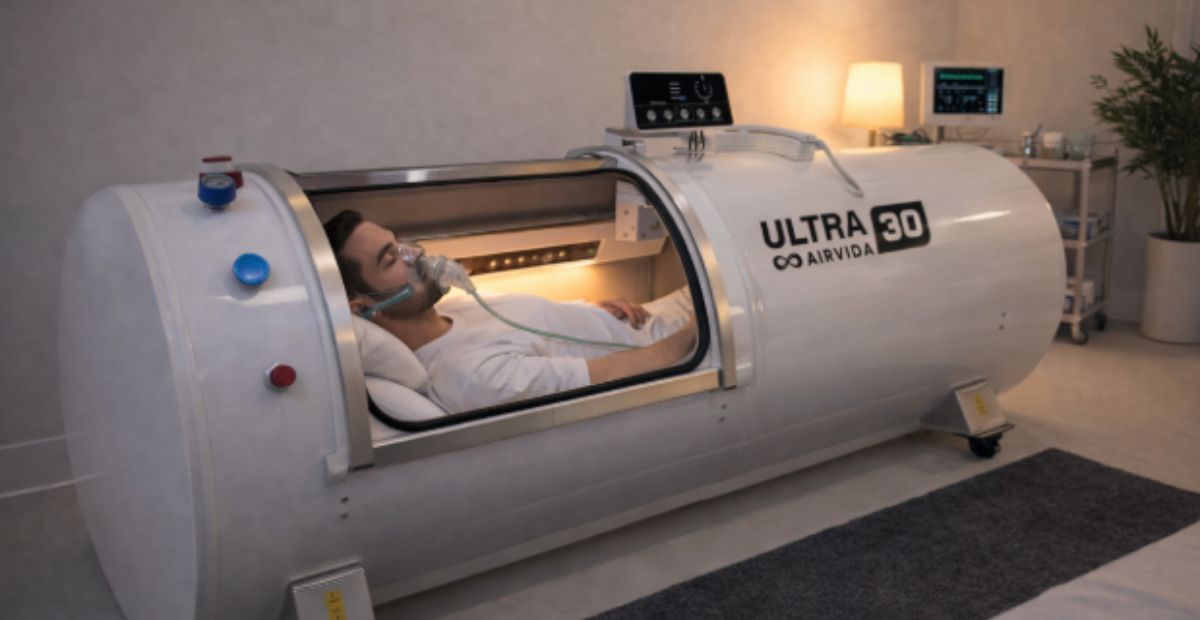
A hyperbaric chamber for liver cirrhosis increases oxygen levels in your bloodstream by up to 200%, delivering concentrated oxygen directly to damaged liver tissue that struggles with poor circulation. Clinical research shows this enhanced oxygenation can reduce inflammation markers, support cellular repair, and improve quality of life when used alongside conventional cirrhosis treatments.
Living with liver cirrhosis means dealing with progressive scarring that blocks blood flow and prevents your liver from getting the oxygen it desperately needs. Airvida's medical-grade hyperbaric chambers bring clinical oxygen therapy directly into your home, giving damaged liver cells the oxygen boost they need to fight back against disease progression.
Transform your liver health from home. Explore our hard shell hyperbaric chambers for sale with clinical-grade pressure capacity.
Why Liver Cirrhosis Needs More Oxygen

Liver cirrhosis starves your liver of oxygen. As scar tissue replaces healthy cells, blood flow becomes restricted, leaving liver tissue struggling to perform its vital functions.
How Cirrhosis Cuts Off Oxygen Supply
Your liver processes everything you eat, drink, and absorb, requiring massive amounts of oxygen delivered through blood vessels. When cirrhosis develops, scarring disrupts this network, creating oxygen-starved areas.
The scarring process physically blocks blood vessels and creates rigid tissue that doesn't flex with normal blood flow. Portal hypertension develops as blood backs up, creating a vicious cycle where reduced blood flow means less oxygen, which leads to more cell death and more scarring.
Standard treatments manage symptoms, but damaged tissue still struggles to get adequate oxygen through normal circulation.
What Oxygen Starvation Does
Without sufficient oxygen, liver cells can't produce energy needed to detoxify your blood, synthesize proteins, or store nutrients. Oxygen-deprived cells trigger inflammation as your immune system responds to dying tissue, accelerating scarring.
Hepatic encephalopathy worsens when liver cells lack oxygen needed to filter blood effectively. The fatigue you feel comes from oxygen-starved cells throughout your body unable to produce adequate energy.
Why Standard Oxygen Therapy Falls Short

Breathing supplemental oxygen through a nasal cannula doesn't dramatically change how much reaches oxygen-starved liver tissue. Your red blood cells are already nearly saturated with oxygen under normal conditions.
The breakthrough with hyperbaric oxygen comes from pressurization. By increasing atmospheric pressure while you breathe pure oxygen, massive amounts of oxygen dissolve directly into your blood plasma and lymph fluid. This dissolved oxygen reaches scarred areas that normal blood flow can't adequately supply.
This is where the hyperbaric chamber for liver cirrhosis becomes transformative. Airvida chambers reach the 1.5 to 2.0 ATA pressure levels used in clinical studies, dramatically increasing oxygen availability in damaged liver tissue.
How Airvida Chambers Deliver Therapeutic Oxygen

Airvida's hard shell chambers provide the medical-grade pressure and pure oxygen environment needed to make a real difference for cirrhosis patients.
The Science Behind High-Pressure Delivery
Inside an Airvida chamber operating at 1.5 to 2.0 ATA, you're experiencing pressure equivalent to being 16 to 33 feet underwater. This pressure forces oxygen to dissolve into fluids at concentrations impossible to achieve any other way.
At 2.0 ATA, your blood plasma carries oxygen at levels 20 times higher than normal. This creates a concentration gradient that drives oxygen deep into tissues with poor circulation, including scarred liver regions.
The premium high-pressure sitting HBOT chamber Airvida Elite maintains these therapeutic pressure levels consistently throughout 60 to 90 minute sessions. This is clinical-grade treatment delivering the same oxygen concentrations used in hospitals, proven effective in peer-reviewed research.
Why Hard Shell Chambers Matter
Airvida's hard shell construction allows pressures that soft chambers cannot achieve. Soft chambers max out around 1.3 ATA, below the therapeutic threshold used in cirrhosis research.
At 1.3 ATA, you get a modest oxygen increase. At 1.5 ATA, oxygen levels roughly double. At 2.0 ATA, which only hard shell chambers like Airvida's can reach, oxygen concentration can triple or more. This dramatic escalation creates the therapeutic environment where real healing occurs.
The high-pressure lying hyperbaric chamber Airvida Ultra provides a comfortable reclined position while delivering consistent 2.0 ATA pressure that soft chambers can't approach.
Learn what separates clinical from wellness chambers in our guide on hard and soft hyperbaric chambers.
Clinical Evidence for Liver Treatment
The use of hyperbaric chambers for liver cirrhosis isn't speculation. Clinical studies demonstrate measurable improvements when HBOT complements standard care.
Documented Improvements
Research shows patients with cirrhosis receiving hyperbaric oxygen therapy experienced reductions in key inflammatory markers. Studies measured decreased ALT and AST levels, enzymes indicating liver cell damage.
Bilirubin levels, which cause jaundice, showed improvement after hyperbaric treatment courses. Albumin production increased in patients receiving HBOT alongside conventional care.
A study tracking 40 cirrhosis patients over 12 weeks found the group receiving hyperbaric oxygen therapy had significantly better Child-Pugh scores. Their liver function markers improved while the control group showed typical disease progression.
Patient Quality of Life
Beyond laboratory values, patients report improvements in daily living. A clinical trial found 68% of cirrhosis patients reported increased energy levels after 30 hyperbaric sessions.
Cognitive improvements appeared in patients with mild hepatic encephalopathy. Tests measuring attention and memory showed better scores after treatment, suggesting improved brain oxygenation.
Why Pressure Level Matters
Research consistently shows protocols using 1.5 to 2.0 ATA pressure deliver better outcomes than lower pressures. Studies using 1.3 ATA showed minimal benefit.
|
Pressure Level |
Oxygen Increase |
Clinical Evidence |
Airvida Capability |
|
1.3 ATA |
~30% increase |
Limited benefit |
Not applicable |
|
1.5 ATA |
~100% increase |
Positive outcomes |
Full capability |
|
2.0 ATA |
~200% increase |
Maximum benefit |
Full capability |
Airvida's medical-grade hard hyperbaric chamber collection operates at exactly the pressure range where clinical studies demonstrate effectiveness.
Hyperbaric Chambers You May Want to Shop
Explore More


Choosing Your Airvida Chamber
Airvida offers two configurations, both capable of therapeutic pressures needed for liver cirrhosis treatment.
Airvida Ultra: Optimal Comfort
The Airvida Ultra 1.5–2.0 ATA hard shell lying hyperbaric chamber positions you comfortably reclined for 60 to 90 minute sessions. This reduces physical strain, particularly important if you experience ascites or fatigue.
Large viewing ports reduce feelings of confinement while internal padding creates a relaxing environment. For cirrhosis patients struggling with energy, this design makes daily treatment something to look forward to.
Airvida Elite: Versatile Treatment
The Airvida Elite 1.5–2.0 ATA hard shell sitting hyperbaric chamber provides the same therapeutic pressure in a sitting configuration. The upright position appeals to users who prefer sitting or find it easier to equalize ear pressure.
The sitting design lets you read or use devices during sessions. Both chambers deliver identical therapeutic capability—your choice depends on comfort preference.
Investment Value
Clinic-based hyperbaric sessions typically cost $200 to $400 each. A 40-session protocol totals $8,000 to $16,000, plus travel time.
An Airvida chamber provides unlimited home sessions. After initial investment, cost per treatment drops dramatically while you control your schedule. For chronic conditions requiring extended treatment, home chambers deliver superior value.
Hyperbaric Collections You May Want to Shop

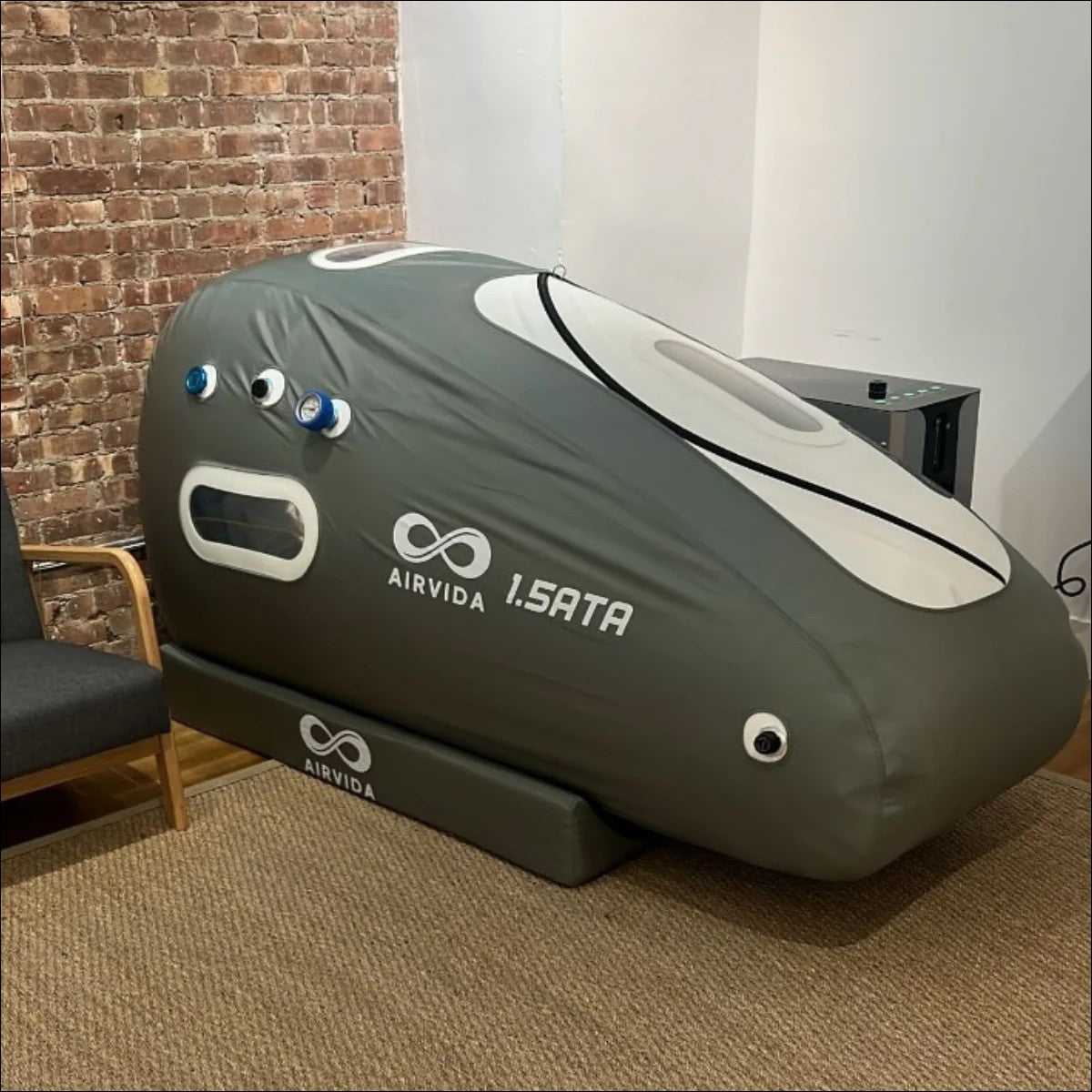
Compare designs in our article about hard shell vs soft shell hyperbaric chambers.
Your Treatment Protocol
Getting results with a hyperbaric chamber for liver cirrhosis requires following proven protocols.
Starting Treatment
Consult with your hepatologist before beginning. Share research on hyperbaric oxygen for cirrhosis and discuss how this therapy fits your treatment plan.
Schedule baseline blood work measuring liver function markers like ALT, AST, bilirubin, and albumin. These give objective metrics to track improvement. Repeat testing every 4 to 6 weeks shows whether therapy helps.
Start with 1.5 ATA pressure for your first sessions while getting comfortable with pressurization. Most users adapt quickly and can increase to 2.0 ATA within the first week.
Session Structure
Research protocols use 60 to 90 minute sessions at 1.5 to 2.0 ATA, five days per week. This maximizes oxygen exposure while allowing weekend recovery.
Pressurization takes 10 to 15 minutes. Once at target pressure, maintain treatment for 60 to 90 minutes breathing normally. Depressurization occurs gradually over 10 to 15 minutes.
Tracking Progress
Keep a journal noting energy levels, mental clarity, sleep quality, and cirrhosis symptoms. These subjective measures often improve before objective test results change.
Schedule follow-up blood work every 4 to 6 weeks. Even small positive changes in liver markers can indicate slowed disease progression.
Most protocols run 20 to 40 sessions initially, followed by maintenance schedules if benefits appear.
New to hyperbaric therapy? Our beginner's guide to hyperbaric oxygen therapy provides essential information.
Maximizing Results
Your Airvida chamber delivers powerful oxygen therapy, but results multiply when combined with comprehensive liver support.
Nutrition and Lifestyle
High-quality protein supports liver cell regeneration. Plant-based proteins from legumes and nuts often work better for advanced cirrhosis. Antioxidant-rich vegetables provide compounds supporting liver detoxification.
Sodium restriction helps control ascites and edema. Adequate hydration supports cellular repair processes.
Gentle physical activity supports circulation, helping deliver oxygen-rich blood throughout your body. Adequate sleep gives your liver time to focus on regeneration.
Continuing Medical Care
Your hyperbaric chamber supports but doesn't replace essential medical care. Continue all prescribed medications and keep regular appointments with your hepatologist.
Regular screening for complications should continue on schedule. Early detection prevents setbacks that could undermine your progress.
Safety Considerations
Airvida chambers include comprehensive safety features for proper home use.
Built-In Safety
Every Airvida chamber includes emergency pressure release valves, clear communication systems, and interior controls. Pressure monitoring displays show real-time chamber pressure while oxygen sensors ensure consistent delivery.
Medical-grade construction with redundant safety systems meets international standards for hyperbaric devices.
Managing Side Effects
Ear pressure affects some users initially. Swallowing or yawning usually resolves discomfort. Most users quickly develop their preferred equalization technique.
Temporary vision changes can occur with extended therapy, typically resolving after treatment ends. Some experience fatigue after early sessions as their body adjusts.
Realistic Expectations
Hyperbaric oxygen supports liver health but isn't a cure. Early-stage cirrhosis patients treating underlying causes may help slow or reverse some fibrosis. Advanced cirrhosis shows improvements in symptom management and quality of life.
Expect gradual changes over weeks and months. Objective improvements often take 6 to 8 weeks of consistent treatment. Subjective improvements may emerge sooner.
Is Airvida Right for You?
Patients with early to moderate cirrhosis actively treating underlying causes see the best results. Those dealing with fatigue or brain fog often notice significant improvements.
Compare Airvida's upfront cost against ongoing clinic expenses. At $200 to $400 per session, breaking even happens quickly with extended treatment needs. Home chambers eliminate travel time while giving scheduling freedom.
Every day with cirrhosis is a day where your liver struggles with oxygen starvation. An Airvida chamber gives you the power to fight back, flooding damaged tissue with healing oxygen that supports regeneration.
Frequently Asked Questions
What is the best treatment for liver cirrhosis?
The best treatment addresses underlying causes while managing complications. This includes stopping alcohol, treating viral hepatitis, medications, and dietary modifications. Hyperbaric oxygen provides additional support by increasing oxygen delivery to damaged tissue, potentially slowing progression and improving quality of life alongside standard care.
Can a hyperbaric chamber help the liver?
Yes, a hyperbaric chamber for liver cirrhosis delivers oxygen at concentrations far beyond normal breathing. At 1.5 to 2.0 ATA pressures that Airvida chambers provide, oxygen reaches scarred liver tissue that normal circulation can't supply. Studies show this reduces inflammation, supports energy production, and may improve liver function tests.
Who should avoid hyperbaric oxygen therapy?
People with untreated pneumothorax, severe sinus infections, recent ear surgery, or uncontrolled seizures should avoid treatment. Certain chemotherapy medications interact poorly with hyperbaric oxygen. Pregnant women should not undergo HBOT. Discuss all conditions with a hyperbaric-trained provider before starting.
Does stem cell therapy work for cirrhosis of the liver?
Stem cell therapy remains experimental with clinical trials ongoing. Some early research shows potential, but treatments aren't yet widely available or approved. Unlike stem cell therapy, hyperbaric oxygen has an established safety record and growing clinical evidence.
What is the new treatment for liver cirrhosis?
New treatments under investigation include antifibrotic medications and biologic therapies. Hyperbaric oxygen represents an increasingly recognized complementary treatment supporting liver health through enhanced oxygenation. Airvida makes this clinical therapy accessible at home.
Can you regenerate a liver with cirrhosis?
Extensive cirrhosis makes complete regeneration unlikely, but stopping damage and supporting healthy tissue can improve function significantly. Early intervention, treating causes, and therapies like hyperbaric oxygen that reduce inflammation give your liver the best chance to regenerate remaining capacity.
Disclaimer
Airvida and partners advice does not constitute medical advice and is intended for informative and educational purposes only with no medical or non medical claims being made. While research & studies show the potential Hyperbaric Oxygen Therapy (HBOT) and Hyperbaric Air Therapy (HBAT) may have implied benefits, individual results may vary. It is required by Airvida & Partners to consult with doctors before being approved for Hyperbaric Therapy (HBOT & HBAT). Read More HERE