


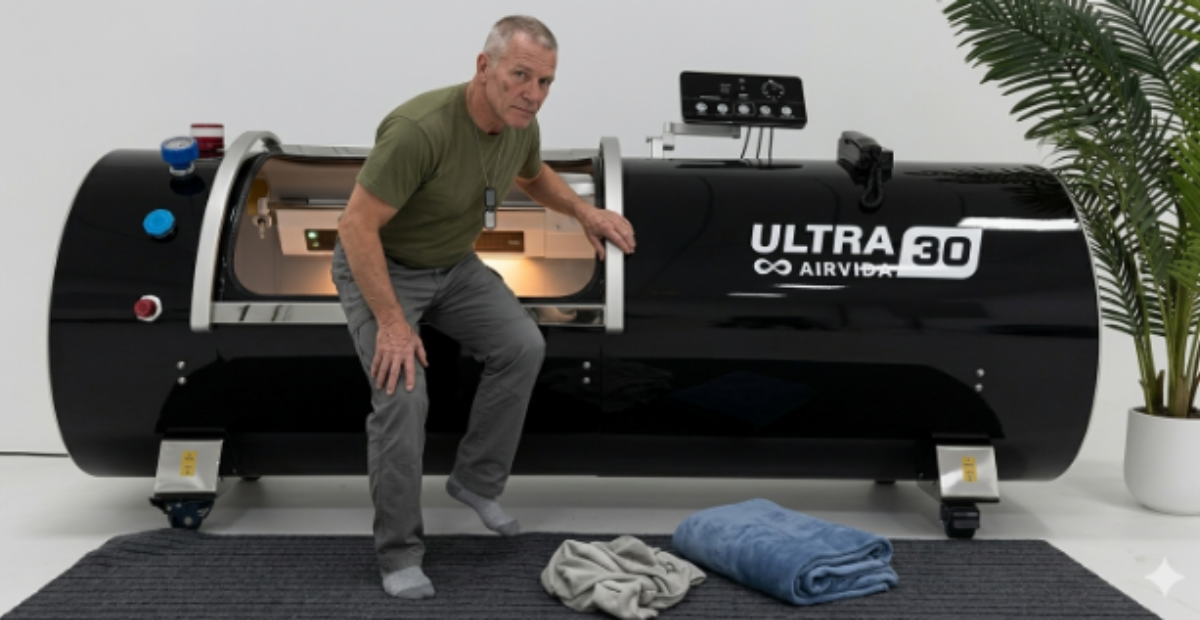
HBOT for PTSD works by delivering oxygen-rich air to the brain, helping reduce inflammation and support healing. Many patients report improved mood, sleep, and cognitive function after consistent sessions.
If you are exploring alternative or supportive treatments, understanding how hyperbaric oxygen therapy works can help you decide if it is the right option for your recovery journey. It may support healing, improve oxygen delivery, and complement existing treatments when used under proper medical guidance and supervision.
What Is HBOT for PTSD
HBOT for PTSD refers to the use of hyperbaric oxygen therapy to support brain function and emotional regulation in individuals dealing with post-traumatic stress disorder. This therapy involves sitting inside a pressurized chamber while breathing pure oxygen. The increased pressure allows your body to absorb more oxygen than usual, which helps repair damaged tissues and improve brain performance.
Unlike traditional therapies that focus mainly on talk or medication, HBOT targets the physical side of PTSD, particularly brain inflammation and reduced oxygen flow. Many people explore local options such as hyperbaric chamber Long Beach to access this innovative treatment.
Basic Definition and Purpose

HBOT is designed to:
-
Increase oxygen delivery to the brain
-
Reduce inflammation linked to trauma
-
Support neuroplasticity or brain healing
Many PTSD symptoms are tied to how the brain processes stress and trauma. By improving oxygen levels, HBOT creates an environment where the brain can recover more effectively. This process may support neuroplasticity, reduce inflammation, and help regulate mood, potentially enhancing overall mental resilience when combined with professional care and guidance.
Why Use HBOT for PTSD
People are turning to HBOT for PTSD because it addresses underlying brain function, not just surface symptoms. By targeting oxygen delivery and cellular repair, it may help improve cognitive clarity, emotional regulation, and neural recovery. This deeper approach offers a complementary option alongside traditional therapies, potentially supporting more sustainable, long-term improvements in overall well-being.
Brain Healing and Oxygen Delivery
When trauma occurs, certain parts of the brain may receive less oxygen or show reduced activity. HBOT helps restore these areas by increasing oxygen saturation in the blood.
This can lead to better emotional control, improved memory, and reduced anxiety.
Reducing Inflammation and Stress Response
Chronic inflammation in the brain is often linked to PTSD symptoms like hypervigilance and mood swings.
HBOT helps lower this inflammation, allowing the nervous system to stabilize over time.
Supporting Emotional and Cognitive Function
Patients often report:
-
Better sleep quality
-
Reduced anxiety levels
-
Improved focus and clarity
These changes happen gradually, which is why consistency is important.
Hyperbaric Collections You May Want to Shop

How HBOT for PTSD Works
Understanding the process can help you feel more confident before starting therapy. Knowing what to expect during sessions, how your body may respond, and the potential benefits and limitations allows you to make informed decisions. This awareness can also reduce anxiety and help you approach treatment with realistic expectations and better preparation.
Step-by-Step Process
-
You enter a hyperbaric chamber
-
The pressure increases to a specific level (usually 1.3 to 1.5 ATA)
-
You breathe oxygen for a set period, often 60 to 90 minutes
The increased pressure allows oxygen to dissolve more efficiently into your bloodstream and reach areas that need healing.
For a deeper understanding of pressure levels, check this guide: 1.3 ATA vs 1.5 ATA Hyperbaric Chambers.
Types of Hyperbaric Chambers for PTSD

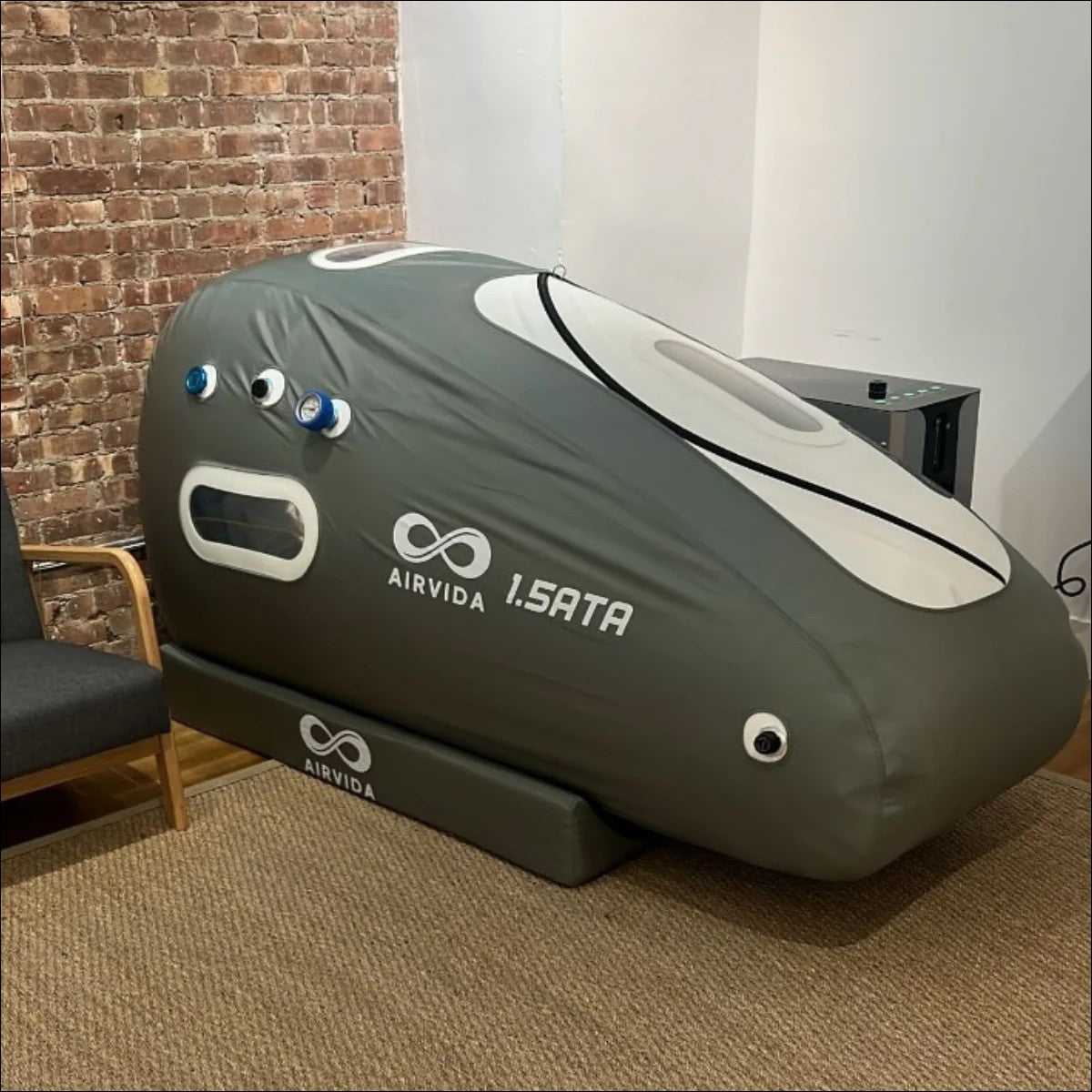
Not all chambers are the same. Choosing the right one matters. Different models vary in pressure levels, oxygen delivery systems, and safety features, which can influence effectiveness and comfort. Selecting a chamber that fits your needs, setting, and medical guidance can help ensure a safer experience and potentially better therapeutic outcomes over time.
Soft vs Hard Chambers
|
Type |
Best For |
Advantage |
|
Soft Chamber |
Home use |
Comfortable and accessible |
|
Hard Chamber |
Clinical settings |
Higher pressure capability |
Soft chambers are more commonly used for wellness and ongoing therapy, while hard chambers are often used in medical facilities. Soft units typically operate at lower pressures and may offer greater convenience for home use, whereas hard chambers can deliver higher pressures, making them more suitable for clinical treatments under strict medical supervision.
Pressure Levels Comparison
|
Pressure Level |
Common Use |
Benefit |
|
1.3 ATA |
Mild therapy |
Gentle support for recovery |
|
1.5 ATA |
Moderate therapy |
Stronger oxygen absorption |
If you are also exploring therapy options for younger individuals, read: Hyperbaric Oxygen Therapy for Children.
Hyperbaric Chambers You May Want to Shop
Explore More


How Many Sessions Do You Need
The number of sessions varies depending on severity and individual response. Some people may notice improvements after a few sessions, while others may require a longer treatment plan for meaningful results. Factors like overall health, consistency, and guidance from a qualified professional can influence how effective and sustainable the outcomes may be over time.
Typical Treatment Plan
|
Stage |
Sessions |
Expected Outcome |
|
Initial |
10–20 |
Early symptom relief |
|
Mid |
20–40 |
Noticeable improvement |
|
Long-term |
40+ |
Sustained benefits |
Consistency plays a major role. Skipping sessions may slow down progress. Regular attendance helps maintain steady oxygen exposure, which may support more stable and noticeable improvements over time. Staying committed to a recommended schedule also allows the body to adapt more effectively and potentially maximize the benefits of the therapy process, especially for those exploring local options like a hyperbaric chamber in Columbus, Ohio.
Benefits of HBOT for PTSD

HBOT for PTSD offers several potential benefits that go beyond symptom management. It may support brain healing, improve oxygen utilization, and reduce inflammation that can affect mood and cognition. By targeting underlying biological processes, it could help enhance emotional regulation, sleep quality, and overall resilience when combined with appropriate therapeutic care and guidance.
Key Advantages
-
Supports brain repair
-
Improves sleep patterns
-
Reduces anxiety and stress
-
Enhances overall well-being
One practical example is individuals who struggle with sleep due to trauma. After several sessions, many report falling asleep faster and waking up less during the night. These changes may be linked to improved nervous system regulation and reduced stress responses, which can gradually support more stable sleep patterns and better overall recovery.
Possible Side Effects and Considerations
While generally safe, HBOT may have mild side effects. Some individuals might experience temporary ear pressure, fatigue, or lightheadedness after sessions. In rare cases, sinus discomfort or claustrophobia can occur. These effects are usually short-lived and can often be managed by adjusting pressure levels or session duration under professional supervision.
Common Side Effects
-
Ear pressure or discomfort
-
Temporary fatigue
-
Mild headaches
These effects are usually short-term and manageable.
Who Should Be Careful
Consult a professional if you have:
-
Lung conditions
-
Ear issues
-
Certain medical conditions
Tips to Maximize Results

To get the most out of HBOT for PTSD, consistency and proper setup are key.
Practical Tips
-
Stay hydrated before sessions
-
Maintain a regular schedule
-
Combine with therapy or counseling
Many people see better results when HBOT is part of a broader recovery plan.
Final Thoughts on HBOT for PTSD
HBOT for PTSD is gaining attention as a supportive therapy that targets brain health and recovery. By improving oxygen flow and reducing inflammation, it offers a unique approach that complements traditional treatments.
If you are looking for a non-invasive option that supports long-term healing, HBOT may be worth exploring. It may help enhance oxygen delivery, support tissue repair, and complement other therapies. When used with proper medical guidance, it could provide a supportive approach for recovery, overall wellness, and improved quality of life over time.
Frequently Asked Questions
Is hyperbaric oxygen therapy good for PTSD?
Yes, hyperbaric oxygen therapy can help PTSD by improving brain oxygen levels and reducing inflammation. This supports better emotional regulation, memory, and stress response. While it is not a standalone cure, many individuals use it alongside therapy or medication for better results. Consistent sessions are usually needed to see noticeable improvements over time.
How many HBOT sessions for PTSD?
Most people need between 20 to 40 HBOT sessions for PTSD to see meaningful results. Some individuals may require more depending on the severity of symptoms. Early sessions may bring subtle improvements, while long-term sessions often provide more stable benefits. A structured treatment plan helps ensure better outcomes.
What are the side effects of HBOT?
HBOT side effects are generally mild and may include ear pressure, fatigue, or slight headaches. These symptoms are temporary and usually go away after sessions. Serious complications are rare when therapy is done correctly. It is always recommended to consult a professional before starting treatment.
What to do when someone with complex PTSD pushes you away?
When someone with complex PTSD pushes you away, it is important to respond with patience and understanding. Avoid taking it personally, as withdrawal is often a coping mechanism. Offer support without pressure and encourage professional help when possible. Building trust gradually can make a significant difference in their recovery.