


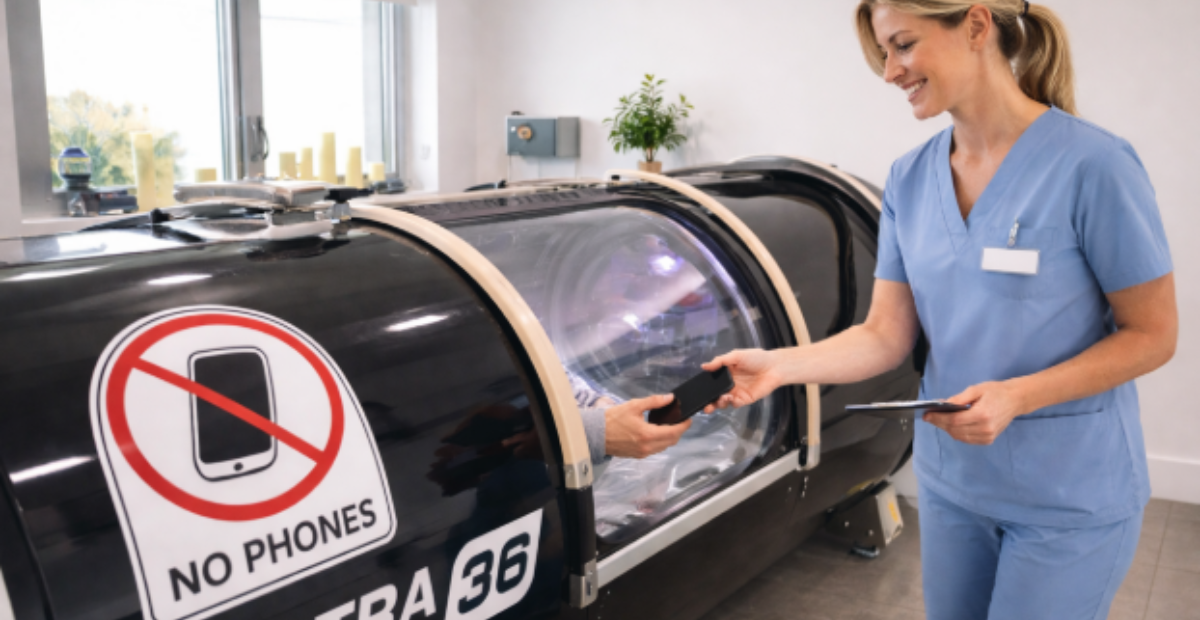
No, you cannot use a cell phone in a hyperbaric chamber. Electronic devices, including cell phones, are strictly prohibited inside hyperbaric chambers due to significant fire and safety risks in the oxygen-rich, pressurized environment.
Hyperbaric oxygen therapy (HBOT) involves breathing pure oxygen in a pressurized chamber, which creates conditions where even small sparks from electronic devices can cause serious fires. Understanding these safety protocols protects both patients and equipment during treatment sessions.
In this guide, we'll explain why cell phones are banned from hyperbaric chambers, what happens if you bring one inside, and what alternatives exist for staying connected during your therapy sessions.
Experience safe, effective therapy at home. Explore our soft hyperbaric chambers for home use designed with comprehensive safety features.
Why Cell Phones Are Prohibited in Hyperbaric Chambers

The ban on cell phones inside hyperbaric chambers is not arbitrary. It stems from fundamental physics and chemistry principles that govern how materials behave under pressure with elevated oxygen levels.
Hyperbaric chambers operate with oxygen concentrations significantly higher than normal atmospheric levels. While regular air contains about 21% oxygen, hyperbaric therapy can involve breathing 100% oxygen at pressures up to 3 times normal atmospheric pressure.
In these conditions, materials that normally resist combustion become highly flammable. Even substances considered fire-resistant at regular pressure can ignite easily when surrounded by concentrated oxygen.
Cell phones contain lithium-ion batteries that can generate sparks or heat during normal operation. A battery that might safely warm up in your pocket becomes a potential ignition source inside a hyperbaric chamber.
The charging circuits, speakers, vibration motors, and screen components all produce small amounts of heat and electromagnetic activity. These normally harmless functions become dangerous when oxygen saturation reaches therapeutic levels.
Real incidents have occurred where electronic devices caused fires in hyperbaric facilities. These events resulted in injuries, equipment damage, and reinforced the critical importance of strict electronic device policies.
What Items Are Banned From Hyperbaric Chambers
Hyperbaric facilities follow strict safety guidelines established by medical authorities and safety organizations. Beyond cell phones, chambers prohibit a wide range of items that could pose fire or safety risks.
Electronics and Battery-Powered Devices

All electronic devices that run on batteries or generate electrical currents are strictly forbidden inside hyperbaric chambers:
-
Smartphones and tablets
-
Smartwatches and fitness trackers
-
Hearing aids (unless specifically approved models)
-
E-cigarettes and vaping devices
-
Portable gaming devices
-
Cameras and recording equipment
-
Bluetooth headphones and earbuds
-
Electronic car keys with remote functions
These devices share common fire hazards. Their batteries can overheat, their circuits can spark, and their electromagnetic fields can interact unpredictably with the pressurized oxygen environment.
Why These Restrictions Matter
The items banned from chambers all share one critical characteristic: they can create ignition sources in oxygen-rich environments. Even devices that seem completely safe at normal pressure become dangerous when oxygen concentration increases.
Most facilities provide approved 100% cotton clothing for patients to wear during sessions. Natural fibers are less likely to generate static electricity and are less flammable than synthetic materials.
Before each hyperbaric session, patients go through a thorough screening process. Trained staff check for prohibited items and ensure patients understand safety rules. Staff members conduct visual inspections and may use metal detectors to ensure no prohibited items enter the chamber.
For those using our medical-grade hard shell hyperbaric chambers for sale, comprehensive operator training includes emergency protocols and proper safety screening procedures.
Communication Options During Hyperbaric Sessions

Just because you cannot use a cell phone in a hyperbaric chamber does not mean you're completely cut off from communication. Facilities provide safe alternatives for staying connected.
Chamber-Installed Communication Systems
Modern hyperbaric chambers include built-in communication equipment designed specifically for the pressurized oxygen environment. These systems undergo rigorous testing and certification to ensure they won't create fire hazards.
Monoplace Chamber Communication: Most single-person chambers feature two-way intercom systems. You can speak with chamber operators at any time during treatment. Staff monitor you continuously through viewing ports and cameras.
If you experience discomfort, anxiety, or any concerning symptoms, you can immediately communicate with operators. They can adjust pressure, provide guidance for ear clearing, or even terminate the session if necessary.
Multiplace Chamber Communication: Larger chambers that accommodate multiple patients have different communication setups. Chamber attendants remain inside with patients throughout the entire session, providing direct person-to-person communication.
These attendants wear special equipment and follow strict protocols. They can relay messages to outside staff if patients need to communicate urgent information to family or medical providers.
Planning for Communication Needs
If you anticipate needing to stay connected during HBOT sessions, discuss this with facility staff before treatment begins. A standard hyperbaric oxygen therapy session typically lasts 60-120 minutes, so patients need to plan accordingly.
For Work-Related Communication: Schedule sessions during times when you can be unavailable for 90-120 minutes. Inform colleagues and clients about your treatment schedule. Most professional obligations can accommodate brief periods of unavailability.
For Family and Emergency Contacts: Provide facility staff with emergency contact information. They can relay messages if truly urgent situations arise. Remember that most hyperbaric sessions are shorter than a typical movie, making complete disconnection manageable.
Learn more about planning your treatments and understanding hyperbaric chamber therapy cost factors in our comprehensive pricing guide.
Hyperbaric Collections You May Want to Shop

What Happens If Someone Brings a Phone Into a Chamber
Despite clear policies, some patients attempt to bring prohibited items into chambers. Understanding the serious consequences helps reinforce why these rules exist and must be followed without exception.
Immediate Safety Protocols
If staff discover a cell phone or other prohibited device before chamber pressurization, they will simply ask you to remove it. Most violations are caught during pre-session screening when patients accidentally forget to remove items.
However, if a phone makes it into a pressurized chamber and is discovered during treatment, the session must be immediately terminated. The chamber will go through emergency decompression procedures, which can be uncomfortable and potentially dangerous if done too rapidly.
For the patient who brought the device, consequences typically include:
-
Immediate session termination without refund
-
Mandatory safety re-education before any future sessions
-
Possible temporary or permanent ban from the facility
-
Potential liability for any damage or injuries caused
Real-World Incidents Involving Cell Phones
The hyperbaric medicine community has documented several serious incidents involving electronic devices in chambers.
Device Fire Incident: A patient in a monoplace chamber activated a hidden smartphone during treatment. The device's battery overheated in the oxygen-rich environment, igniting nearby materials. The patient suffered burns and smoke inhalation before emergency decompression could be completed.
Spark Ignition Incident: A fitness tracker that went undetected during screening created a spark when its battery shifted during pressurization. While fire was avoided, the chamber required extensive inspection and repairs, costing the facility over $50,000 in downtime and equipment checks.
These incidents led to enhanced screening protocols at facilities worldwide. Many now use handheld metal detectors and conduct more thorough visual inspections before each session.
The strict enforcement of device bans is not about convenience or control. It's about preventing fires that can cause severe injuries, deaths, and facility destruction. In an oxygen-rich environment under pressure, fires burn extremely hot and spread with terrifying speed.
Hyperbaric Chambers You May Want to Shop
Explore More


Cell Phone Policies for Different Chamber Types
The specific rules regarding cell phones remain consistent across all chamber types, but the enforcement methods and communication alternatives vary. Understanding these differences helps set appropriate expectations.
Monoplace vs Multiplace Chamber Policies
Here's how communication and device policies differ between chamber types:
|
Feature |
Monoplace Chambers |
Multiplace Chambers |
|
Cell Phone Ban |
Absolute prohibition, no exceptions |
Absolute prohibition, no exceptions |
|
Communication Method |
Two-way intercom system |
Direct verbal communication with attendant |
|
Monitoring |
Operator monitors from outside via cameras |
Attendant present inside with patients |
|
Emergency Contact |
Staff can relay messages from outside |
Attendant can communicate directly |
|
Device Detection |
Metal detectors and visual screening |
Metal detectors and visual screening |
Both types strictly prohibit cell phones and personal electronics. The fundamental safety concern remains identical regardless of chamber size or configuration.
Home Hyperbaric Chamber Cell Phone Safety
For those considering or using home chambers, safety protocols remain just as critical as in clinical settings. You cannot use a cell phone in a hyperbaric chamber regardless of whether it's at home or in a medical facility.
Home Chamber Safety Guidelines:
-
Never bring electronic devices inside your chamber
-
Ensure all personal items are removed before sessions
-
Keep a phone nearby outside the chamber for emergencies
-
Follow manufacturer guidelines precisely
-
Never operate chambers alone without someone nearby who can assist if needed
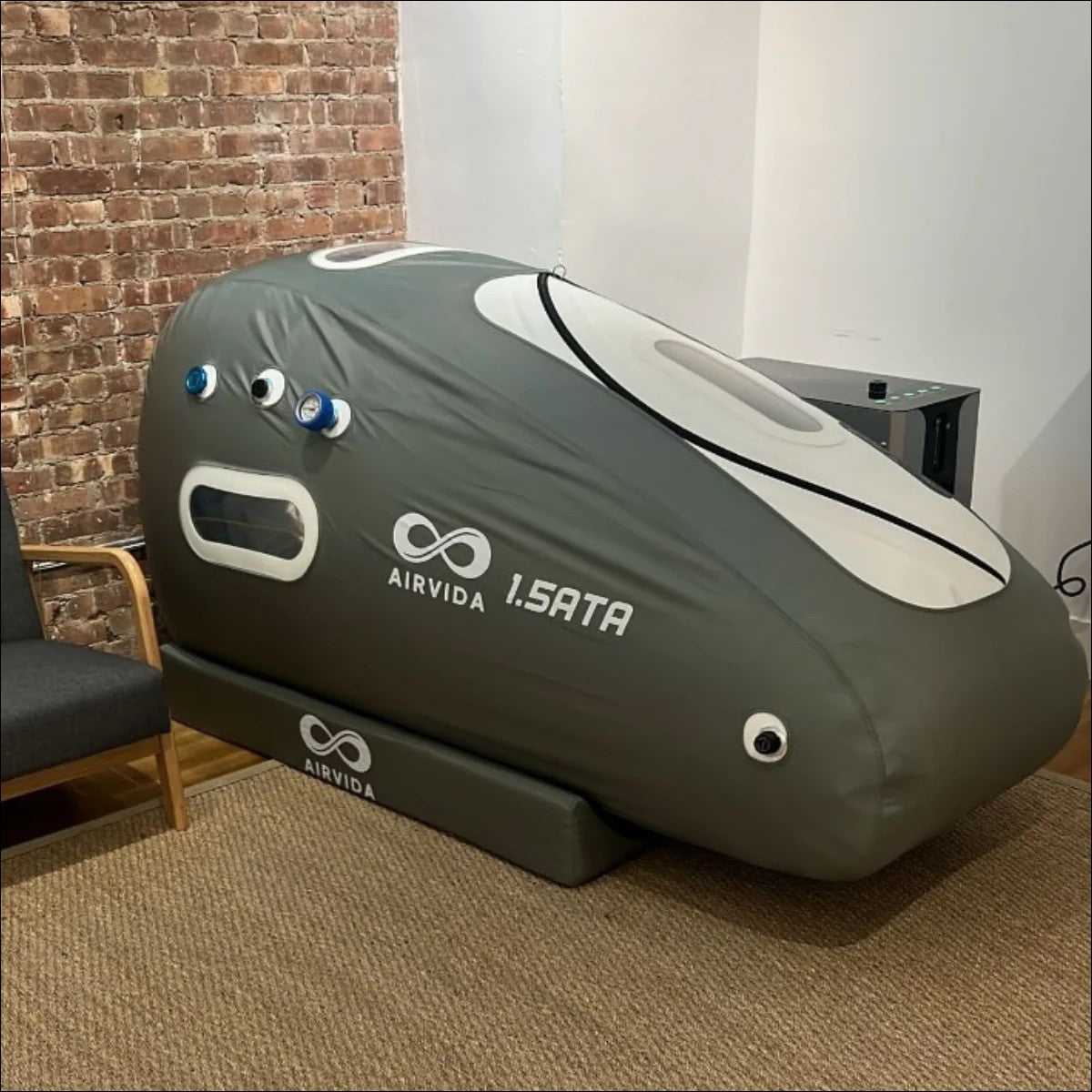
Home chambers, particularly soft-shell models, typically operate at lower pressures (1.3-1.5 ATA) than clinical hard-shell chambers (2.0-3.0 ATA). However, even at these lower pressures, fire risk from electronics remains serious.
If you're exploring home therapy options, our portable soft-shell hyperbaric chamber collection includes comprehensive safety training and operation manuals that detail all prohibited items and safety protocols.
Alternatives to Cell Phone Use During Sessions
While you cannot use a cell phone in a hyperbaric chamber, modern facilities offer several approved ways to pass the time and stay entertained during your therapy sessions.
Approved Entertainment Options
Facilities provide various chamber-safe alternatives that don't compromise safety:
In Monoplace (Single-Person) Chambers:
-
Watching approved video content through external screens
-
Listening to music via chamber-installed speaker systems
-
Reading printed materials (books, magazines)
-
Meditation and breathing exercises
-
Sleeping or resting
In Multiplace (Multi-Person) Chambers:
-
Conversation with other patients and chamber attendants
-
Board games with approved materials
-
Printed reading materials
-
Group activities supervised by staff
-
Educational presentations about HBOT
Our multiplace hyperbaric chambers for clinics and wellness centers include built-in entertainment systems and communication equipment that meet all safety standards.
Many advanced hyperbaric centers now offer approved entertainment and communication options:
|
Technology Type |
How It Works |
Safety Features |
|
External Video Systems |
Screens positioned outside monoplace chambers display content |
All electrical components outside pressurized environment |
|
Built-in Audio |
Chamber-installed speakers play music or audiobooks |
Specially designed for hyperbaric use with no spark risk |
|
Monitoring Cameras |
Staff can see and communicate with patients visually |
Sealed, certified equipment mounted outside pressure vessel |
|
Intercom Systems |
Two-way audio communication with operators |
Intrinsically safe communication circuits |
These systems allow patients to enjoy entertainment and maintain some connection to the outside world without the safety risks of personal electronics.
Preparing for Sessions Without Your Cell Phone

Proper preparation ensures you can maximize treatment benefits without worrying about being disconnected from your phone during sessions.
Before Your Appointment
Day of Treatment:
-
Handle urgent communications and work tasks before leaving
-
Inform important contacts about your unavailability window
-
Set up auto-reply messages for the session duration if needed
-
Leave your cell phone in facility lockers or locked in your vehicle
-
Arrive 15-20 minutes early for screening
Items to Secure Before Entering:
-
Your cell phone (lock it in your car or facility lockers)
-
Tablets and e-readers
-
Smartwatch or fitness tracker
-
Wireless earbuds or headphones
-
Any other electronic devices
Managing Work and Personal Communication
Strategic planning minimizes disruption from being unable to use your cell phone:
Work Schedule Integration:
-
Schedule morning sessions before your workday officially begins
-
Use lunch hours for midday treatments
-
Book late afternoon sessions as your workday winds down
-
Communicate your HBOT schedule to colleagues in advance
Family and Emergency Planning:
-
Coordinate with family members about your treatment times
-
Provide facility contact information to caregivers
-
Set clear expectations about when you'll be unreachable
-
Use facility staff as intermediaries for urgent messages
Technology Setup:
-
Enable auto-reply features on email and messaging apps
-
Update calendar with treatment blocks
-
Set up voicemail messages explaining temporary unavailability
-
Use scheduling apps to warn contacts of your chamber times
For more information about treatment protocols, explore our article on hyperbaric chamber treatment options and what to expect.
Final Thoughts on Cell Phone Use in Hyperbaric Chambers
The answer to whether you can use a cell phone in a hyperbaric chamber is a firm no, and for good reason. Hyperbaric chambers operate in a highly oxygen-rich, pressurized environment where even small electronic devices can pose serious fire risks. Safety is never optional when it comes to oxygen therapy.
That short break from your phone is a small price to pay for safe, effective treatment. Airvida Chambers are engineered with strict safety standards, giving you peace of mind during every 60 to 120-minute session. Built-in comfort features and approved communication options ensure a relaxing experience without compromising safety.
When you choose Airvida Chambers, you’re investing in advanced design, trusted performance, and uncompromising protection so you can focus fully on your recovery and results.
For more information about the therapeutic benefits of hyperbaric oxygen therapy, explore our article on hyperbaric chamber benefits for various health conditions.
You May Also Want to Read
Hyperbaric Chamber Cost per Session: What to Expect in 2025
Importance of Hyperbaric Chamber Training for Medical Staff
Hyperbaric Chamber for Sleep Apnea: Benefits, Risks & Treatment
Frequently Asked Questions
Is a hyperbaric chamber good for autoimmune?
Hyperbaric oxygen therapy shows promise for various autoimmune conditions by helping reduce inflammation and supporting immune system regulation. The increased oxygen delivery may help decrease inflammatory markers and support tissue healing in conditions where the immune system attacks healthy cells.
However, HBOT should be used as a complementary therapy alongside conventional autoimmune treatments, not as a replacement. Consult with your rheumatologist or healthcare provider to determine if HBOT is appropriate for your specific autoimmune condition.
Who cannot use a hyperbaric chamber?
Several conditions make hyperbaric therapy unsafe or require special precautions. People with untreated pneumothorax (collapsed lung) cannot safely undergo HBOT until the condition is resolved. Those with certain types of lung disease, recent ear surgery, active fever or infection, or uncontrolled seizures may need to avoid or postpone treatment.
Pregnancy requires careful evaluation, and certain medications may need adjustment. Always disclose your complete medical history during screening, as conditions that seem minor could pose risks under pressure.
Can hyperbaric chamber help lupus patients?
Some lupus patients report benefits from hyperbaric oxygen therapy, particularly for wound healing and fatigue management. The increased oxygen delivery may support tissue repair and potentially reduce some inflammatory processes associated with lupus.
However, research specifically on HBOT for lupus remains limited, and individual responses vary considerably. Lupus patients interested in HBOT should work closely with their rheumatologist to ensure it complements their existing treatment plan and doesn't interfere with immunosuppressive medications.
Can a hyperbaric chamber help with inflammation?
Hyperbaric oxygen therapy demonstrates anti-inflammatory effects through several mechanisms. The increased oxygen under pressure helps reduce swelling, supports tissue repair, and may help regulate inflammatory signaling pathways in the body.
Many patients with chronic inflammatory conditions report reduced symptoms after HBOT courses. The therapy appears particularly effective for inflammation related to tissue injury, chronic wounds, and some autoimmune processes. However, effectiveness varies by condition type and individual response.
What is the best treatment for autoimmune disease?
The best treatment for autoimmune disease depends entirely on your specific condition, severity, and individual factors. Conventional treatments typically include immunosuppressive medications, biologics, corticosteroids, and disease-modifying drugs prescribed by rheumatologists or specialists.
Complementary approaches like hyperbaric oxygen therapy, dietary modifications, stress management, and targeted exercise may support conventional treatment but should never replace it. The most effective approach usually combines evidence-based medical treatment with lifestyle modifications tailored to your condition.
How long should you stay in a hyperbaric oxygen chamber?
Standard hyperbaric oxygen therapy sessions typically last 60-120 minutes, depending on your treatment protocol and the condition being addressed. Most treatment plans involve daily sessions over several weeks, with the total number ranging from 20 to 40 sessions for many conditions.
Some acute conditions may require fewer sessions, while chronic issues might need extended treatment courses. Your healthcare provider will design a protocol based on your specific medical needs, treatment goals, and response to therapy.
Disclaimer
Airvida and partners advice does not constitute medical advice and is intended for informative and educational purposes only with no medical or non medical claims being made. While research & studies show the potential Hyperbaric Oxygen Therapy (HBOT) and Hyperbaric Air Therapy (HBAT) may have implied benefits, individual results may vary. It is required by Airvida & Partners to consult with doctors before being approved for Hyperbaric Therapy (HBOT & HBAT). Read More HERE