


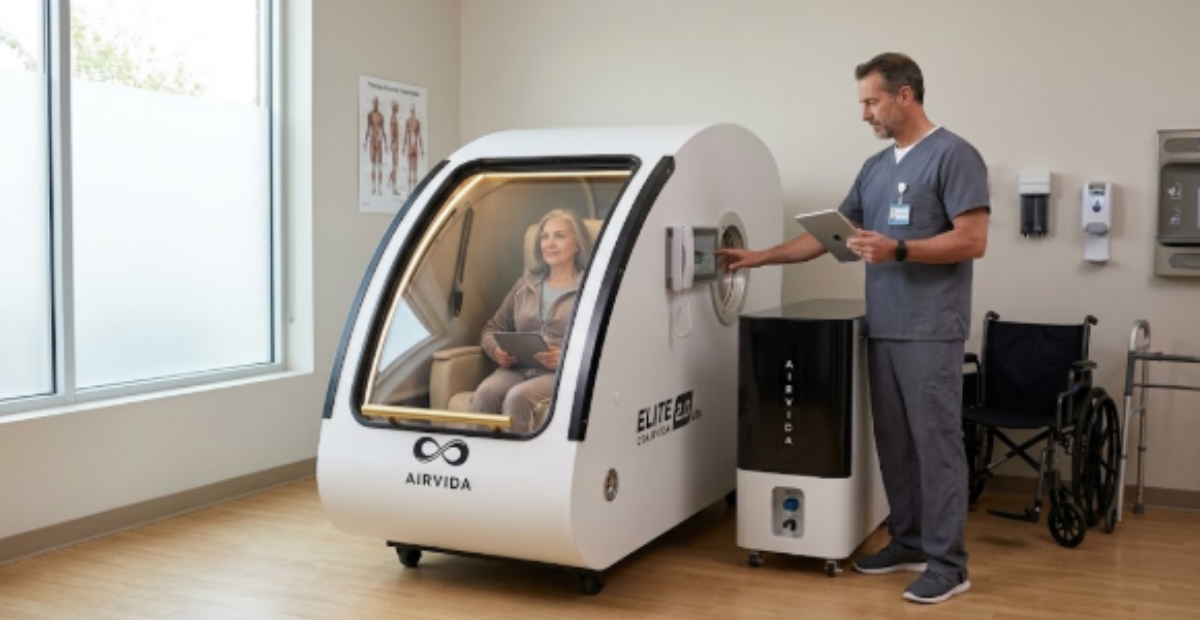
A hyperbaric chamber delivers pure oxygen at pressures greater than normal atmospheric levels, which raises the concentration of oxygen in your blood and brain tissue. For anoxic brain injury, this mechanism is clinically relevant because the injury itself results from a complete loss of oxygen to brain cells. Current research suggests HBOT may support neurological recovery by reducing tissue hypoxia and promoting neuroplasticity, though the evidence base remains mixed and ongoing investigation continues.
Key Takeaways
-
Anoxic brain injury occurs when the brain is completely deprived of oxygen, causing rapid cell death that standard care aims to limit through supportive treatment and addressing the underlying cause.
-
HBOT delivers pure oxygen at pressures greater than 1 atmosphere, which can raise cerebral oxygen levels even in compromised tissue where blood flow is reduced.
-
A 2025 double-blind randomized trial found that participants who received 40 hyperbaric oxygen sessions reported greater improvement in brain injury symptoms compared to those who received sham sessions.
-
The current medical consensus treats HBOT as an adjunct, not a replacement, for standard anoxic brain injury care, which includes supportive management and rehabilitation.
-
Several absolute contraindications exist for HBOT, including untreated pneumothorax, which means a medical evaluation is required before treatment begins.
-
Research on HBOT for hypoxic-ischemic encephalopathy in neonates remains controversial, with most existing clinical trials characterized as small and single-center.
What Is Anoxic Brain Injury and Why Does Oxygen Deprivation Matter?
Anoxic brain injury is a neurological condition caused by a complete interruption of oxygen supply to the brain, which triggers rapid and progressive neuronal cell death. It differs from hypoxic brain injury, where oxygen is reduced but not fully absent. Common causes include cardiac arrest, near-drowning, severe asthma attack, and drug overdose.
Brain cells are acutely sensitive to oxygen loss. Irreversible damage can begin within four to six minutes of complete oxygen deprivation. The severity of the resulting injury depends on how long oxygen delivery was interrupted and how quickly it was restored.
According to NIH StatPearls, clinical management after anoxic brain injury focuses on supportive care, treating the underlying cause of hypoxia, and preventing ongoing brain injury. The goal is to stabilize the patient while minimizing secondary damage to surviving tissue.
The key point is that the degree of initial oxygen deprivation and the speed of intervention are the two most critical variables in determining neurological outcomes after anoxic brain injury.
Hyperbaric Collections You May Want to Shop

How Does a Hyperbaric Chamber Work for Brain Injury?
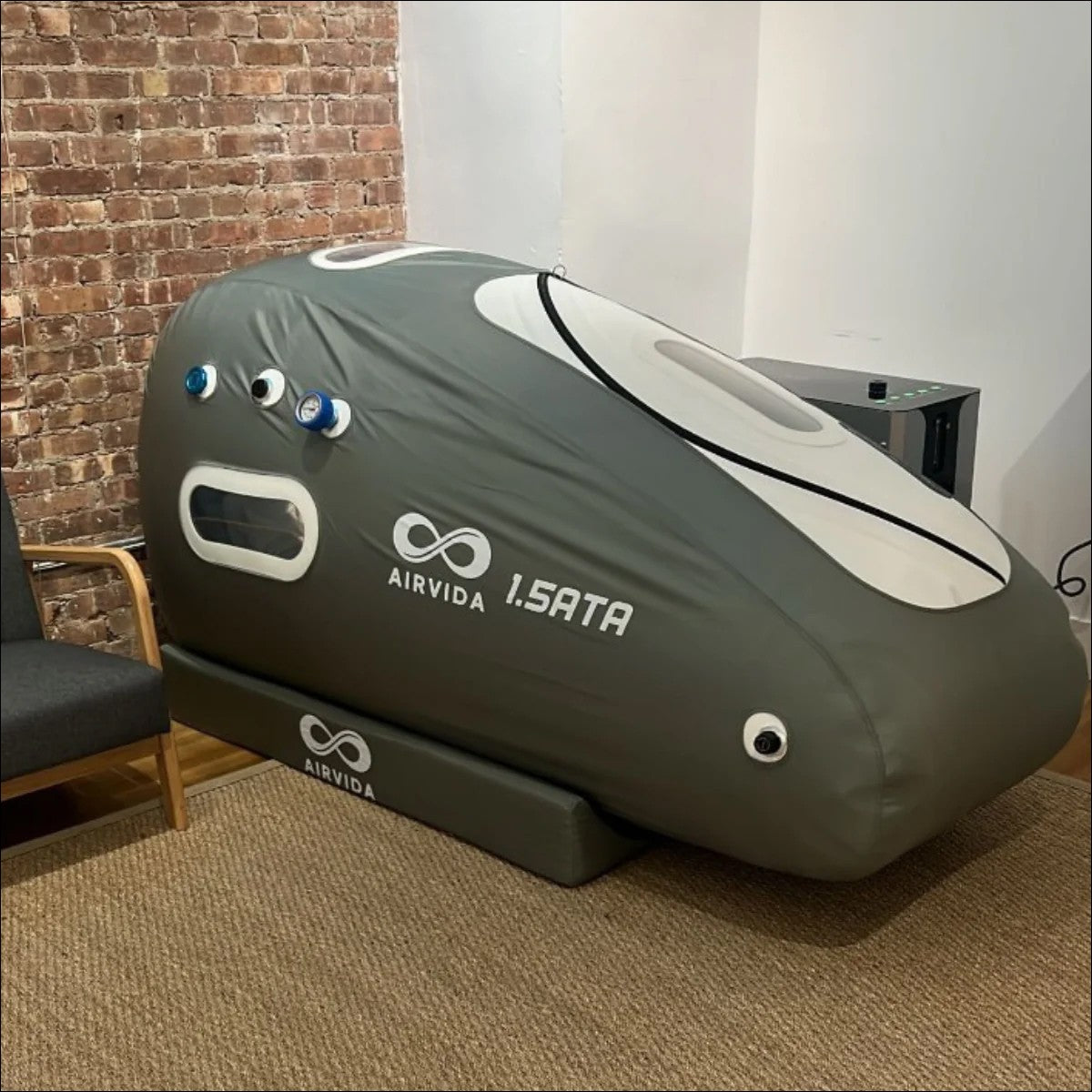
Hyperbaric oxygen therapy (HBOT) is a treatment in which you inhale pure oxygen inside a pressurized chamber set to greater than one atmosphere of pressure, which forces significantly more oxygen into your blood plasma and tissues. Under normal atmospheric conditions, red blood cells carry most of the body's oxygen. Under hyperbaric pressure, oxygen also dissolves directly into plasma, reaching areas with compromised circulation.
For anoxic brain injury, this mechanism addresses a core problem: surviving neurons near the injury zone may be in a state of metabolic distress due to reduced oxygen availability, even after the initial crisis is resolved. Increasing oxygen delivery to these penumbral cells may help prevent their death and support repair processes.
Research published in PMC4923708 indicates that HBOT can induce neuroplasticity and improve cognitive function in individuals with chronic neurocognitive impairment stemming from brain injury and stroke. Neuroplasticity refers to the brain's ability to reorganize itself by forming new neural connections, which is central to long-term recovery.
The bottom line is that HBOT works by dissolving extra oxygen into blood plasma, allowing it to reach oxygen-deprived brain tissue that standard circulation may not adequately supply.
What Does the Current Research Say About HBOT and Anoxic Brain Injury?
The current evidence for HBOT in anoxic brain injury is promising in some areas but inconsistent overall, with study quality varying significantly across the existing literature. Most high-quality trials have focused on traumatic brain injury (TBI) or hypoxic-ischemic encephalopathy (HIE) rather than anoxic injury from cardiac arrest specifically.
A 2025 double-blind randomized trial published via PMC11865602 found that participants who received 40 hyperbaric oxygen sessions reported greater improvement in brain injury symptoms compared to those who received 40 sham sessions over 12 weeks. Results also suggested that 80 sessions may produce superior outcomes to 40 for long-term brain injury recovery.
For hypoxic-ischemic encephalopathy specifically, a 2022 meta-analysis available through PMC9069061 found that HBOT given in the first nine months post-HIE may result in better recovery and functional outcomes, though it also noted that most clinical trials to date have been small, single-center studies with methodological limitations. A pediatric case series published in PMC11783073 treated 21 children with HBOT, including 8 cases of HIE, reporting observable clinical responses.
The bottom line is that the research base is growing but uneven: HBOT shows mechanistic rationale and some positive clinical signals for anoxic and hypoxic brain injury, but large-scale randomized controlled trials specifically targeting anoxic injury remain limited.
What Are the Established Treatments for Anoxic Brain Injury?

Standard anoxic brain injury treatment is a multi-phase protocol that begins with emergency stabilization and progresses into rehabilitation. HBOT, where considered, is positioned as an adjunct to this framework rather than a primary intervention.
According to NIH StatPearls, the core of management for anoxic brain injury from cardiac arrest includes:
-
Prompt application of targeted temperature management (hypothermia) in appropriate clinical settings, to reduce metabolic demand on injured neurons.
-
Treatment of seizures, which can occur as a secondary complication and worsen neuronal damage if untreated.
-
Hemodynamic maintenance, ensuring blood pressure and cardiac output support adequate cerebral perfusion.
-
Supportive care, including airway management, nutrition, and prevention of secondary complications such as infection.
In the rehabilitation phase, the American Academy of Physical Medicine and Rehabilitation notes that early rehabilitation focuses on increasing arousal and participation, using both pharmacologic management and non-pharmacologic modalities. The Brain Injury Association of America emphasizes that no two patients will experience identical symptoms, and treatment plans must be individualized based on injury severity.
The key point is that anoxic brain injury treatment is staged: acute stabilization comes first, followed by targeted rehabilitation, with adjunct therapies like HBOT evaluated on a case-by-case basis.
What Does HBOT Do to Your Brain Specifically?

HBOT produces several measurable neurological effects, including increased oxygen metabolism in brain tissue, reduction of inflammation, and stimulation of neuroplasticity. These effects are the biological basis for its investigation in brain injury recovery.
Research from PMC4406166 outlines the primary mechanisms through which HBOT affects injured brain tissue:
-
Increased cerebral oxygen metabolism: Higher dissolved oxygen in plasma reaches hypoxic zones, restoring energy production in metabolically stressed neurons.
-
Reduction of cerebral edema: Hyperbaric oxygen can constrict blood vessels slightly, which may reduce pathological fluid accumulation in injured tissue.
-
Anti-inflammatory effects: HBOT has been shown to modulate inflammatory pathways that contribute to secondary brain damage after the initial injury.
-
Angiogenesis stimulation: Repeated sessions may promote new blood vessel formation, improving long-term perfusion to affected areas.
-
Neuroplasticity promotion: Evidence from PMC4923708 indicates HBOT can trigger gene expression changes that support the formation of new neural connections.
These effects are most relevant during the subacute and chronic phases of brain injury, when the initial crisis has passed but residual deficits remain. Whether these mechanisms translate to clinically meaningful improvements specifically in anoxic brain injury, at scale, remains an area of ongoing investigation.
The bottom line is that HBOT acts on multiple biological pathways simultaneously, targeting the metabolic, vascular, and neuroplastic dimensions of brain recovery.
HBOT Session Protocols: What to Expect
A standard HBOT course for brain injury consists of multiple sessions delivered in a pressurized chamber, with treatment parameters varying by clinical context. Here is what a typical protocol looks like based on published trial data:
|
Parameter |
Typical Range for Brain Injury |
|
Pressure level |
1.5 to 2.4 ATA (atmospheres absolute) |
|
Oxygen concentration |
100% pure oxygen |
|
Session duration |
60 to 90 minutes |
|
Number of sessions |
40 to 80 sessions |
|
Treatment frequency |
Once daily, 5 days per week |
|
Total course length |
8 to 16 weeks |
The 2025 double-blind trial used 40 sessions of 90-minute pure oxygen at 2.0 ATA, while the post-concussion retrospective study from Frontiers in Neurology used 90-minute sessions at 2.0 ATA with scheduled air breaks. Pediatric protocols may differ in pressure level and duration based on patient size and tolerance.
Chambers are available in clinical settings across the country. If you are located in the San Francisco Bay Area, you can explore options for hyperbaric chamber Mountain View, hyperbaric chamber Fremont, hyperbaric chamber Berkeley, and hyperbaric chamber Cupertino.
The key point is that protocol consistency, including pressure level, session duration, and total number of sessions, appears to influence outcomes, and treatment plans should be established by a qualified physician.
Who Should Not Get Hyperbaric Oxygen Therapy?

HBOT has specific contraindications that make it unsafe or inadvisable for certain individuals, and a thorough medical evaluation is required before beginning any course of treatment. Some contraindications are absolute, meaning treatment must not proceed.
Absolute contraindications include:
-
Untreated pneumothorax (collapsed lung): Pressure changes can worsen this condition catastrophically.
-
Certain chemotherapy agents: Some drugs interact adversely with high-pressure oxygen environments.
Relative contraindications that require physician evaluation:
-
Claustrophobia: Chamber environments may be distressing for individuals with significant anxiety in enclosed spaces.
-
Upper respiratory infections or ear pathology: Pressure equalization in the ears and sinuses may be difficult or painful.
-
History of thoracic surgery: Prior lung procedures may affect how the lungs respond to pressurization.
-
Uncontrolled high fever: Elevated body temperature combined with high oxygen pressure increases seizure risk.
-
Active use of certain medications: Some drugs sensitize tissues to oxygen toxicity.
-
Pregnancy: Safety data in pregnancy remains limited and treatment decisions require careful risk-benefit analysis.
If you have any of these conditions, your treating physician must evaluate risk before any HBOT session. The clinical goal of the pre-treatment evaluation is to identify whether potential benefits outweigh the risks for your specific medical situation.
The bottom line is that HBOT is not universally safe, and only a qualified medical professional can determine whether it is appropriate for you.
Hyperbaric Chambers You May Want to Shop
Explore More


Is HBOT Appropriate for Children With Anoxic Brain Injury?
Pediatric HBOT for anoxic and hypoxic brain injury is an active area of clinical research, with some retrospective data suggesting tolerability and potential benefit. However, the evidence base is less developed than for adult populations.
A retrospective case series published in PMC11783073 included 21 pediatric patients treated with HBOT, of whom 8 had hypoxic-ischemic encephalopathy. The study reported clinical observations across this group, adding to the limited but growing data set in pediatric hypoxic-ischemic injury.
For neonatal HIE specifically, the 2022 meta-analysis noted through PMC9069061 found that HBOT in the first nine months post-injury may support better functional recovery, while simultaneously cautioning that existing trials have predominantly been small and single-center. Pediatric treatment decisions involve additional complexity around pressure tolerance, session duration, and the developmental sensitivity of the growing brain.
The key point is that pediatric HBOT for anoxic brain injury shows early promise in the literature, but clinical decisions must be made by specialists with direct expertise in both pediatric neurology and hyperbaric medicine.
What Is the Bottom Line on Hyperbaric Chambers for Anoxic Brain Injury?
HBOT presents a mechanistically sound rationale for use in anoxic brain injury recovery, targeting oxygen delivery, inflammation reduction, and neuroplasticity through pressurized oxygen inhalation. Clinical evidence, while growing, remains variable in quality, and large randomized controlled trials specifically focused on anoxic injury from non-traumatic causes are still needed.
If you or a family member is navigating recovery from anoxic brain injury, HBOT is best approached as one component of a comprehensive, physician-directed rehabilitation plan. Individualized evaluation is essential, both to determine whether HBOT is appropriate and to establish the right protocol for your situation.
The bottom line: a hyperbaric chamber may support neurological recovery after anoxic brain injury by restoring oxygen delivery to surviving brain tissue and promoting neuroplasticity, but it must be used under medical supervision as part of a broader, individualized treatment plan.
Frequently Asked Questions
What is the treatment for anoxic brain injury?
Treatment for anoxic brain injury begins with emergency stabilization, including targeted temperature management, seizure control, hemodynamic support, and airway management to prevent further brain damage. Once the patient is medically stable, rehabilitation focuses on increasing arousal and functional participation. Adjunct therapies such as HBOT may be considered based on individual clinical assessment.
When should you not use a hyperbaric chamber?
You should not use a hyperbaric chamber if you have an untreated pneumothorax, as pressure changes can worsen this condition severely. Relative contraindications include uncontrolled fever, active ear or sinus infections, claustrophobia, certain medication use, and prior thoracic surgery. A physician evaluation is required before any HBOT session to assess your individual risk profile.
What does HBOT do to your brain?
HBOT increases the amount of oxygen dissolved in blood plasma, allowing it to reach oxygen-deprived brain tissue that compromised circulation may not adequately supply. It also reduces cerebral edema, modulates inflammatory pathways, promotes new blood vessel formation, and stimulates neuroplasticity through changes in gene expression. These combined effects are the basis for its investigation as a brain injury recovery therapy.
How long can a person live in a hyperbaric chamber?
A hyperbaric chamber is used for individual treatment sessions lasting 60 to 90 minutes each, not as a continuous living environment. Standard brain injury protocols involve one session per day, five days per week, over 8 to 16 weeks. Chambers are clinical treatment devices, and continuous or unsupervised use is not a medically recognized practice.
Who should not get hyperbaric oxygen therapy?
People with untreated pneumothorax should not receive HBOT under any circumstances. Those with claustrophobia, uncontrolled high fever, active ear or sinus pathology, history of certain thoracic surgeries, specific medication use, or pregnancy require careful physician evaluation before treatment. Only a qualified medical provider can determine whether HBOT is safe for your individual health profile.